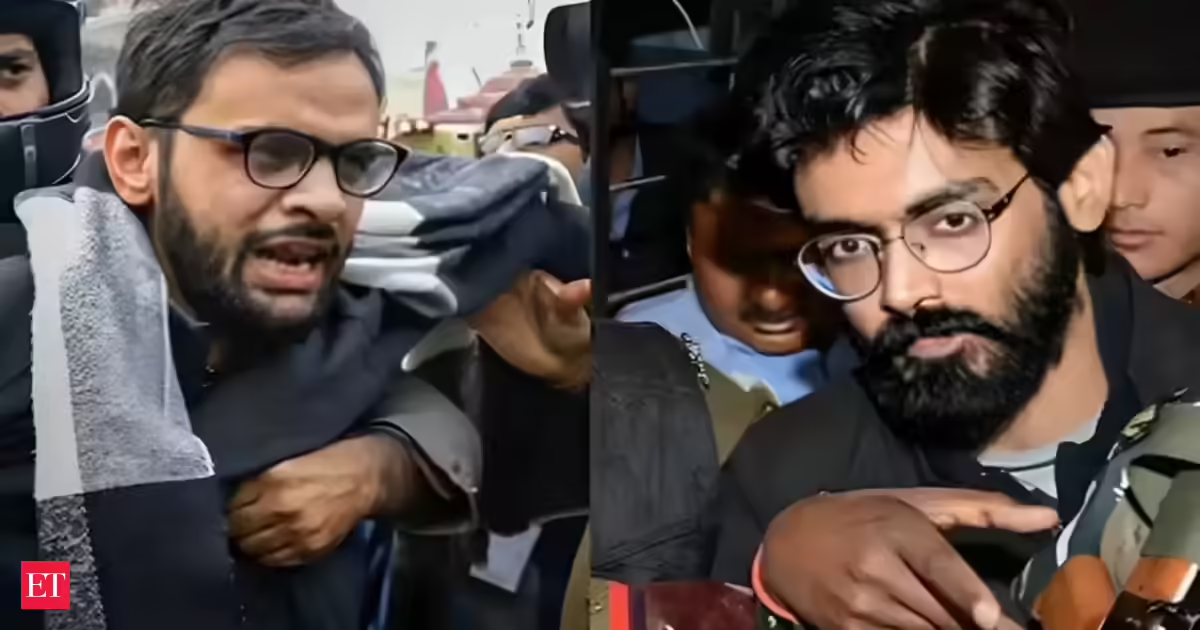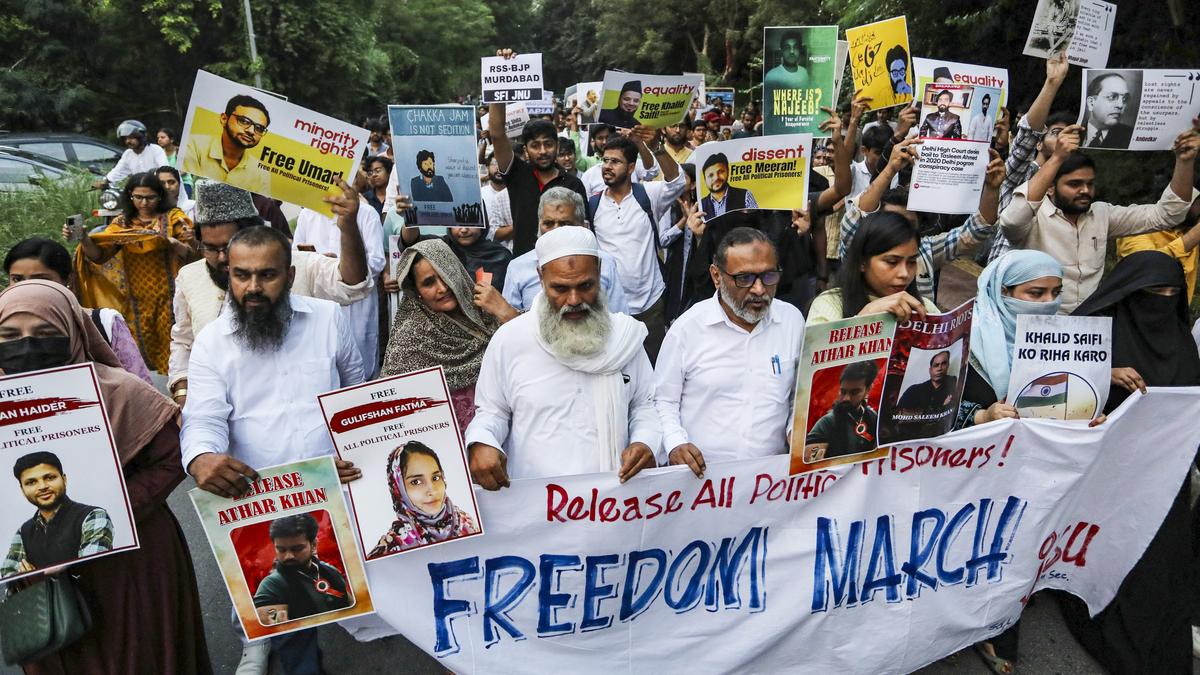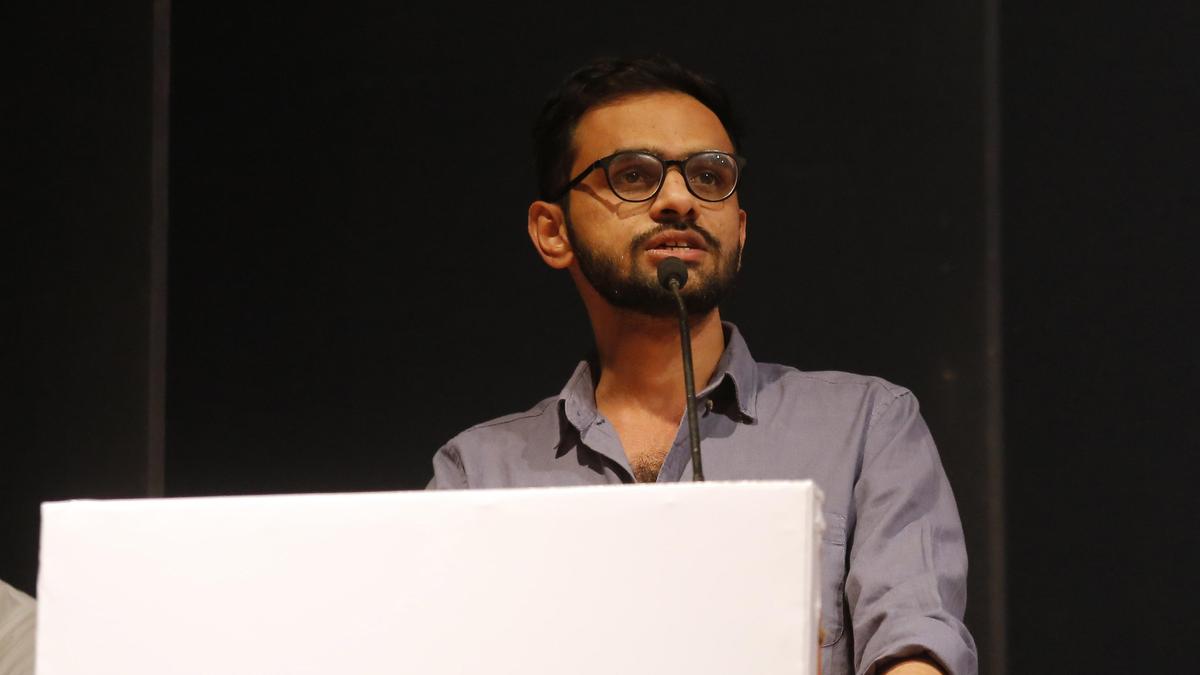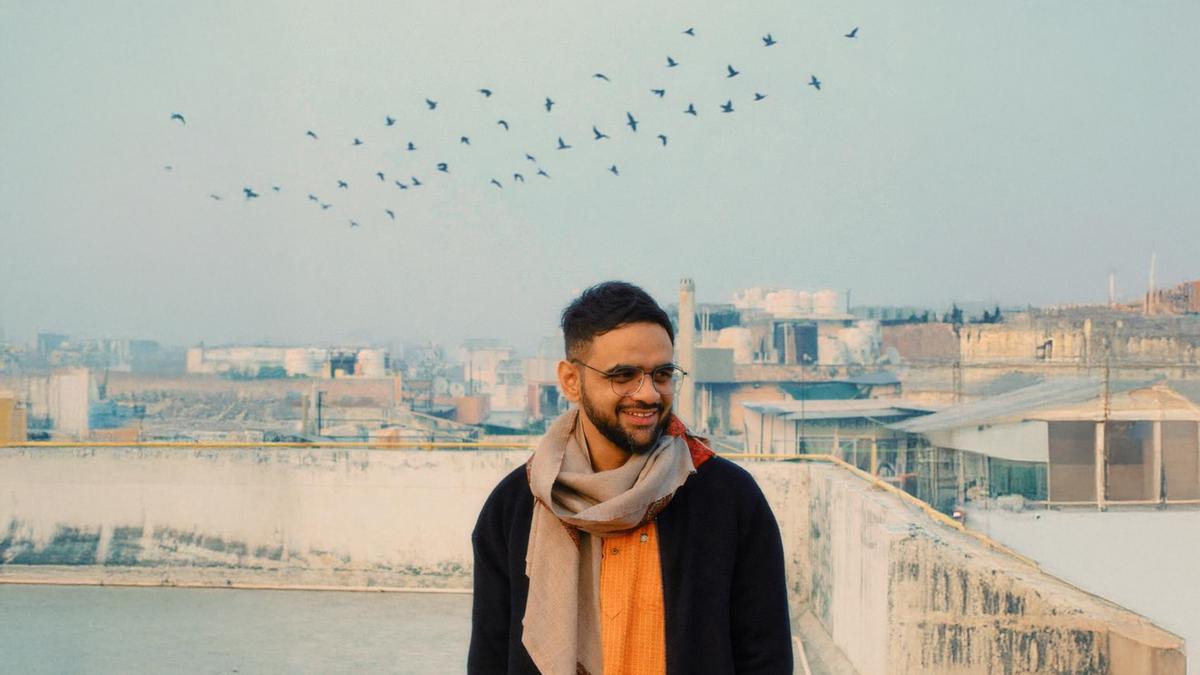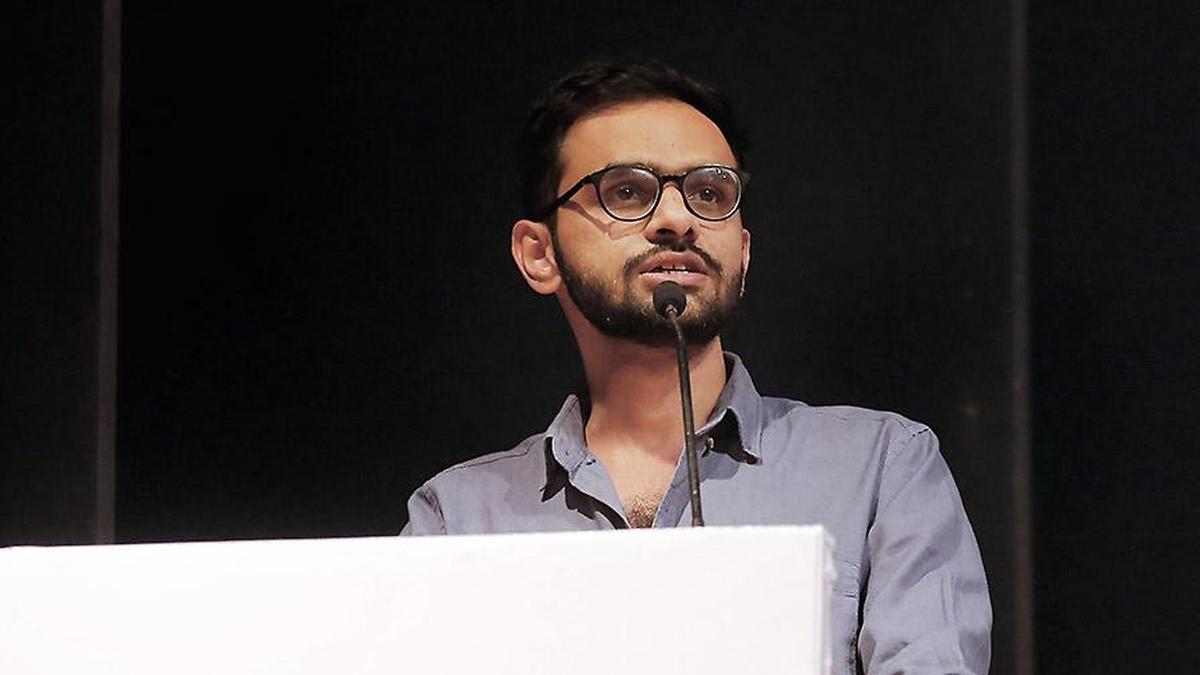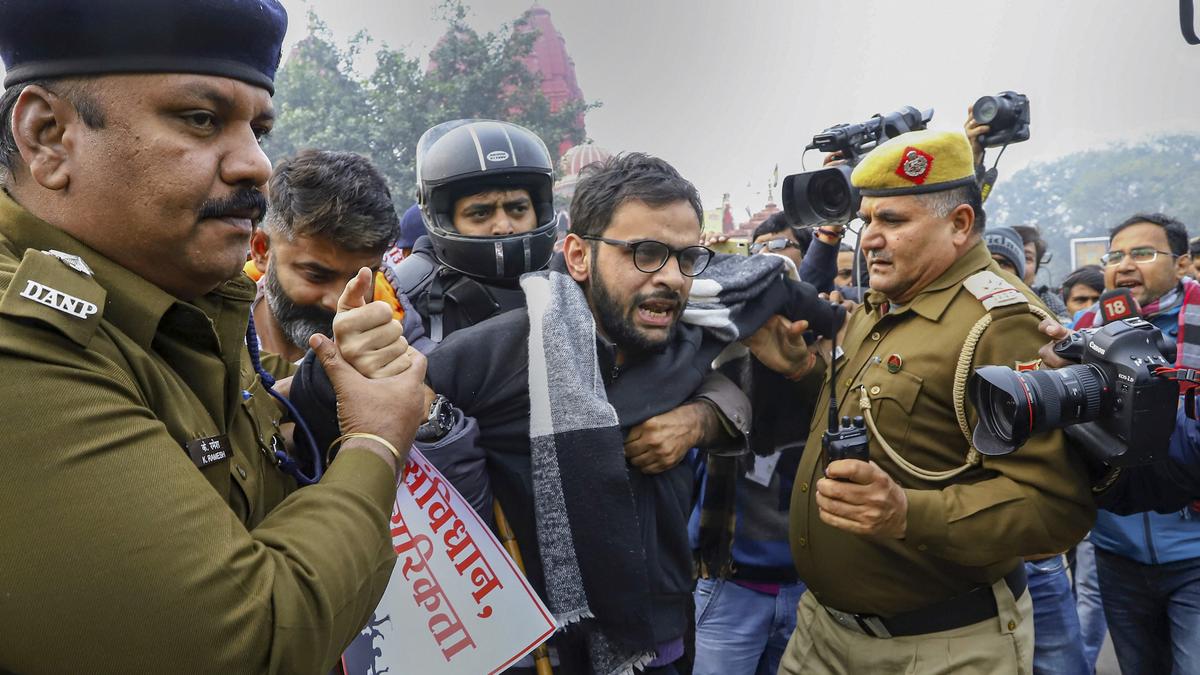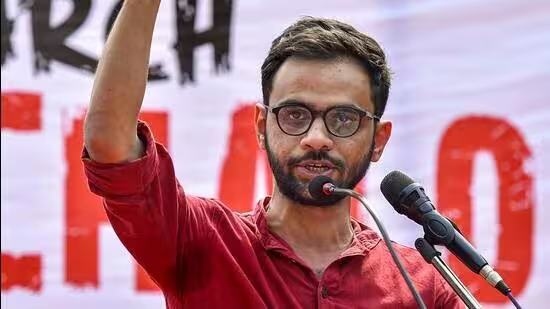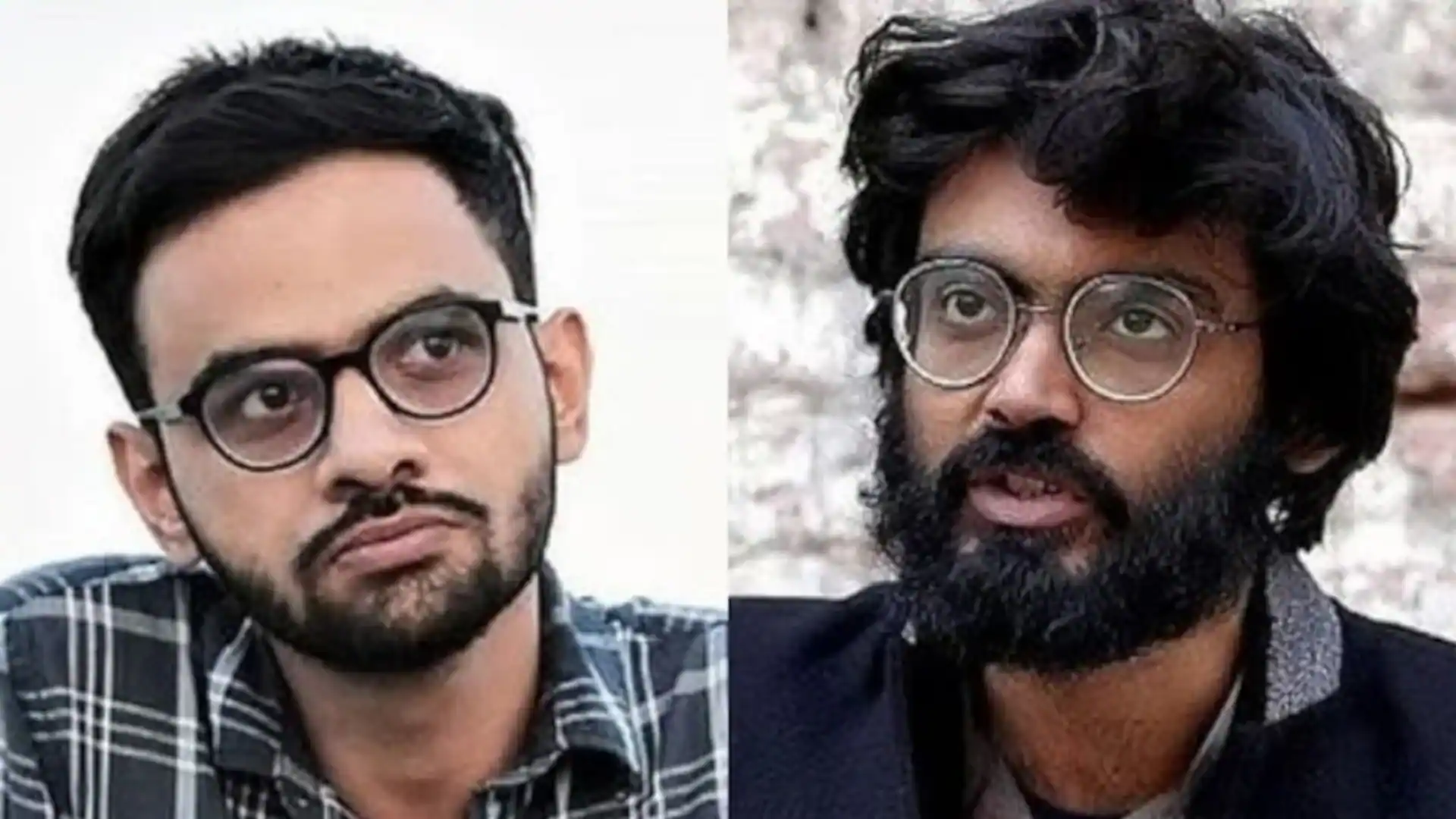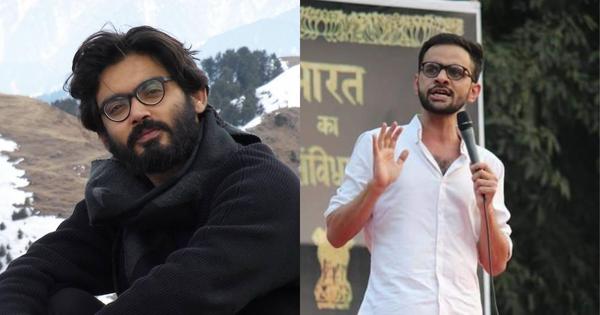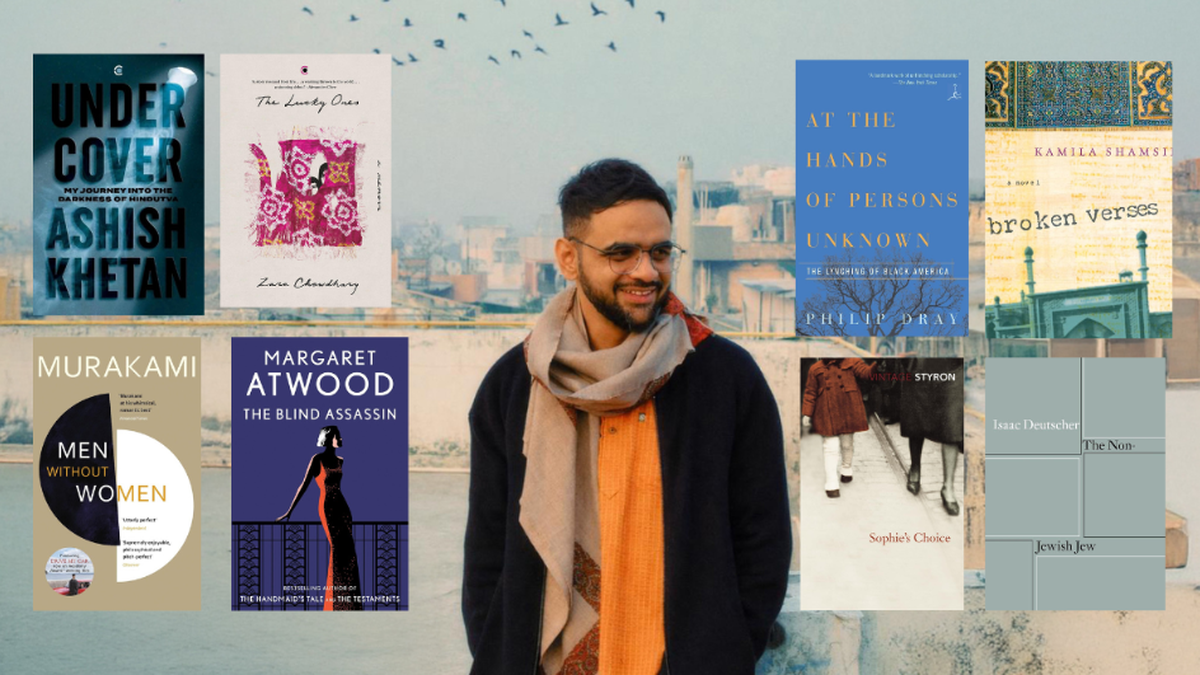
(This story is part of The Hindu on Books newsletter that comes to you with book reviews, reading recommendations, interviews with authors and more. Subscribe here.)Dear reader,On July 4, a Delhi court dismissed the bail applications of Umar Khalid and Sharjeel Imam, accused in the larger conspiracy case related to the 2020 Delhi riots. Khalid and Imam have spent six years in jail without trial. Although both have been booked under the Unlawful Activities (Prevention) Act, 1967, under which bail is highly restrictive, imprisonment without trial for such a long period raises serious questions about human rights, liberty, and justice.It was a mere coincidence that we had chosen to publish Khalid’s prison reading list in the next day’s Magazine edition. That decision had been made two weeks earlier, as Khalid’s doctoral dissertation was being published as a book (Fractured Communities) by Juggernaut. Then, the court denied bail to Khalid and Imam yet again. The timing made the reading list all the more relevant and was perhaps one of the reasons it went viral.When we fracture a leg or fall ill, we know how stifling it is to be confined to the same room day after day. The greatest challenge is not dealing with physical pain, but keeping the mind engaged. Prison magnifies that confinement manifold — as Oscar Wilde wrote, a prisoner “drank the air as though it held/Some healthful anodyne; With open mouth he drank the sun/As though it had been wine!” This is why so many people complete their education, pursue courses, and read voraciously while incarcerated. After his release from 27 years in prison, Nelson Mandela once remarked: “One of the things that made me long to be back in prison was that I had so little opportunity for reading, thinking and quiet reflection after my release.” His reading in jail included Eldridge Cleaver’s Soul on Ice, a seminal work of African American literature; Nadine Gordimer’s Burger’s Daughter; and the memoirs of David Rockefeller and Malcolm Fraser.According to the Gandhi website, maintained by Gandhian institutions, M.K. Gandhi was especially fond of two books he read in prison: Frederic Farrar’s The Seekers After God and Rudyard Kipling’s The Jungle Book.As Ramachandra Guha once wrote, Nehru, during a long jail term in 1922, “read voraciously, books on history, politics and literature, taking notes and providing summaries as he went along.” He also read the Ramayana and the Upanishads, and taught himself the Urdu script.The point is not to compare Mandela, Gandhi, and Nehru with Khalid. It is simply to show how prison has often turned books into steadfast companions and classrooms. And sometimes, they are the only means of preserving one’s inner freedom and sanity.The books Khalid has turned to over six years in prison without trial provide us a glimpse into how a mind endures prolonged confinement and makes the most of it. Books of the weekI interviewed Meena Kandasamy on her latest novel, Fieldwork as a Sex Object (HarperCollins). It is the story of an upper-caste, Marxist woman, Amrita or Amy Chaturvedi, who wakes up one morning in London to find herself being trolled because of a viral deepfake video featuring her. Kandasamy explores the Indian manosphere, what makes it unique, and the toll that online shaming takes on women. An anthology of poems, Wild Winds (Hawakal Publishers), edited by Mitali Chakravarty, is an exquisite collection of verses by 25 writers from around the world. The poetry is in the original English as well as in translation. “By cutting through cultures, religions, languages, race, gender and authority, Chakravarty places all human beings on the same precarious platform of self-identification,” writes Malashri Lal in this piece.Sujatha Balakrishnan’s debut picture book, We Are Family (Parth Prakashan), illustrated by Apoorva Lakshmi, examines the theme of adoption in a heartwarming, engaging manner. In this interview to Preeti Zachariah, she hopes that the book can help raise awareness about adoption. SpotlightHibu Nada, a Palestinian poet, wrote these lines about life in Gaza:“I grant you refuge/from hurt and suffering/With words of sacred scripture/I shield the oranges from the sting of phosphorous/and the shades of cloud from the smog. I grant you refuge in knowing/that the dust will clear,/and they who fell in love and died together/will one day laugh.”Soon after, Nada, 32, was killed by an Israeli strike.Writings from Gaza capture not only the scale of destruction of the enclave by Israel, but also the resilience and hope of those living through the war. In this essay, Stanly Johny writes about three recent books that bear witness to the horrors inflicted on the Palestinians since Hamas’ strike on October 7, 2023. They are: Gaza: The Story of a Genocide (Verso Books), edited by Fatima Bhutto and Sonia Faleiro; Letters from Gaza: By the People, From the Year That Has Been (Penguin), edited by Mohammed Al-Zaqzooq and Mahmoud Alshaer; and A Historian in Gaza (Context) by Jean-Pierre Filiu.NightstandI just finished Karan Mahajan’s The Complex, a sprawling family drama and political saga. Since I’ve read a surfeit of novels about right-wing India since 2014, which can get a bit tiring, I appreciated that this story is set in a different period, mostly the 1980s and leading up to 1992. While I found the book pacy enough, I didn’t enjoy it as much as Mahajan’s The Association of Small Bombs. It felt uneven: some of the sentences felt clunky, and certain sections dragged more than others. Reading mattersWhen writers become celebrities, fans are willing to gather even at midnight to buy their books. I remember forcing my father to drive me to Odyssey in Chennai when the fourth book of Harry Potter came out and standing for hours in a serpentine queue. Haruki Murakami enjoys that status today. Before his new book was set to go on sale in Japan on July 3,2026, dozens of fans gathered outside a major Tokyo bookstore for a special event to get their first copies as soon as the clock struck midnight. The Tale of KAHO is the Japanese author’s first full-length novel featuring a lone woman protagonist, according to Shinchosha Publishing Co.And that’s all from me. Do write to me with suggestions, comments, and feedback to radhika.s@thehindu.co.in. Have a happy reading week!
The Hindu on books Books behind bars
The Hindu on books Books behind bars
1,033 words~5 min read