Historian Munis D. Faruqui
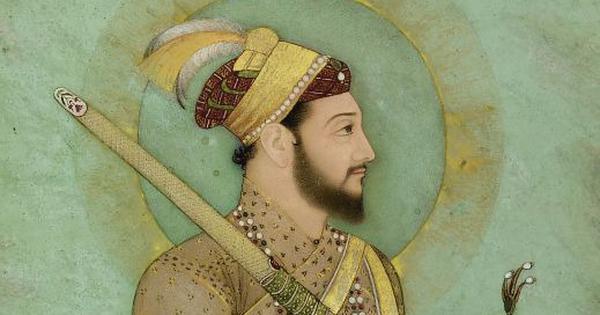
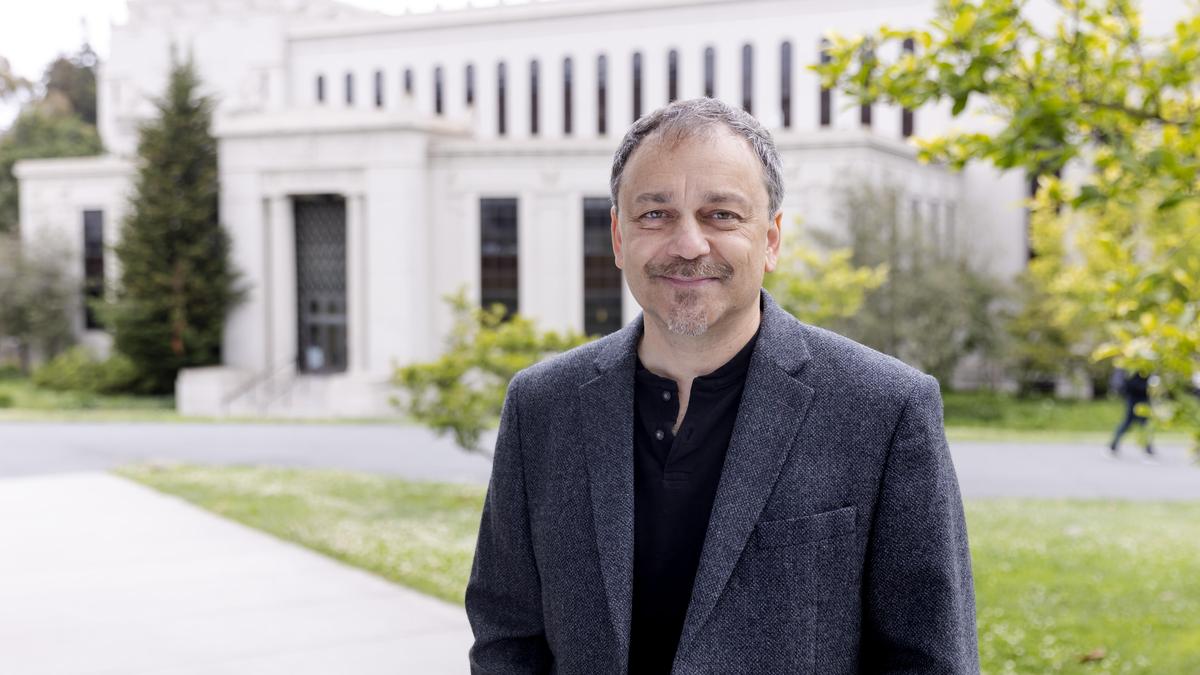
The Mughal emperor Aurangzeb died in 1707. But even in 2026, he remains a polarising figure in public imagination. Munis D. Faruqui’s Aurangzeb ‘Alamgir and the Mughal Empire (Juggernaut Books), however, offers a nuanced picture. Sparkling with fresh insights and fascinating new details, the book offers a richer, fuller picture of Aurangzeb. It also responds to the controversies around him. Excerpts from an email interview with Faruqui, a historian in the department of South and Southeast Asian Studies at the University of California, Berkeley:
Aurangzeb is generally perceived as a bigot. But you show how, in his own lifetime, his piety won the admiration of even his opponents. What was Aurangzeb’s relationship with religion?
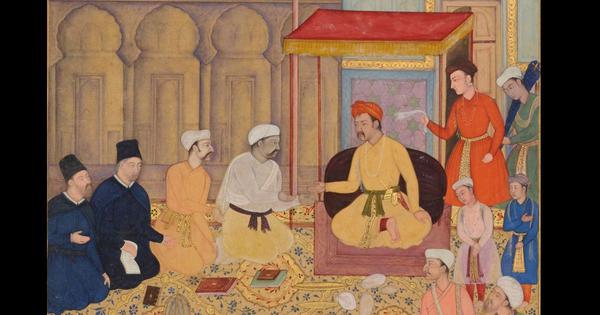
Alamgir (his regnal name) was deeply religious. But the same was true for his brother and father. What differentiated Alamgir was his strong legalistic bent. As my book shows, he looked to Islam-inspired solutions to try and solve the empire’s many political, social, and financial problems. He honestly believed they would work when other possibilities had failed. How could they not, given their origin in God’s word?
At the same time, Alamgir was also pragmatic. Even if he believed Islam was the best religion, he never forced his non-Muslim subjects to convert. He understood that doing so would undermine the empire. Even if he thought that ceremonies like jharoka darshan [addressing the public at the balcony] ran up against his religious beliefs, it took him years to stop engaging in it. Indeed, he continued to encourage his heirs to undertake it because of its association with a Mughal imperial script. Even if he initially offered non-Muslim prisoners of war the choice of conversion to avoid a death sentence, he eventually reversed it, realising that conversion did not assure political loyalty.