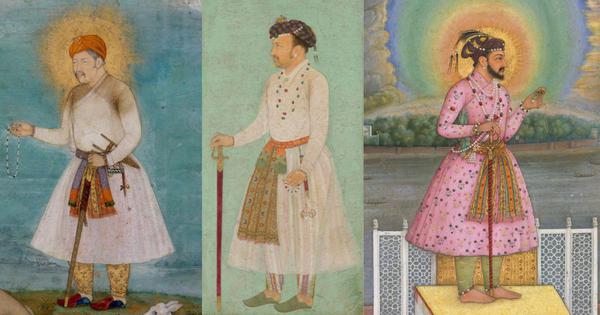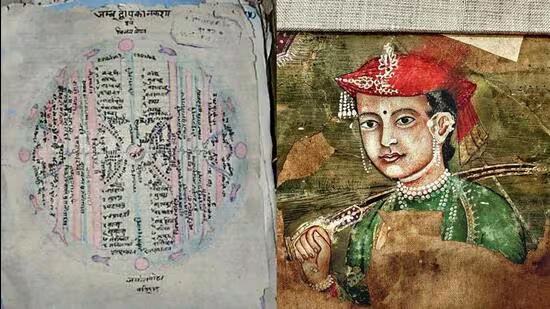
The Mughal Empire remains one of the most extensively documented periods in South Asian history, preserved through imperial chronicles, manuscripts and miniature paintings. Yet, within this vast archive, many figures survive only in fragments, overshadowed by dominant narratives. Their absence prompts a fundamental question: who decides what is remembered and what is allowed to disappear?
Behram Farooqui’s exhibition Begi-Nama engages this question through a language of restraint. The folio becomes both artefact and void, while embroidery, traditionally associated with feminine labour and ornament, emerges as a medium that unsettles the authority of the archive. Farooqui’s solo exhibition, presented by the Vasl Artists’ Association, is part of the fifth iteration of The Museum Series at The Vasl Gallery, Karachi.
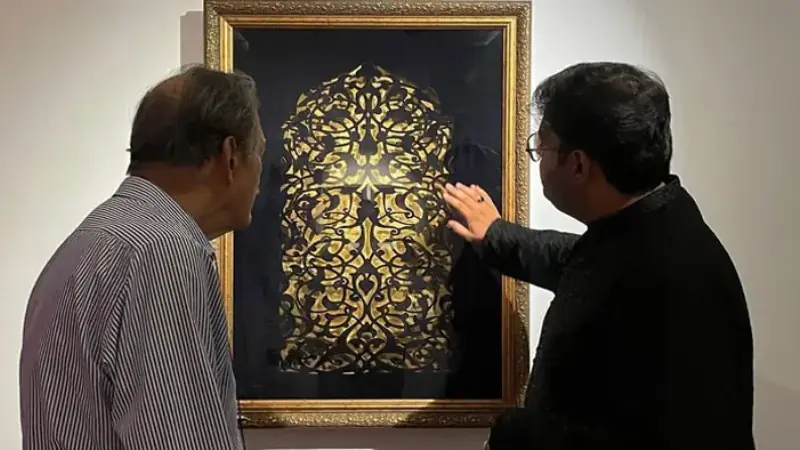
The gallery space was darkened on entry, drawing the viewer towards a dense, shimmering veil of tinsel-like threads, behind which embroidered text intermittently revealed itself, suspended between presence and withdrawal.
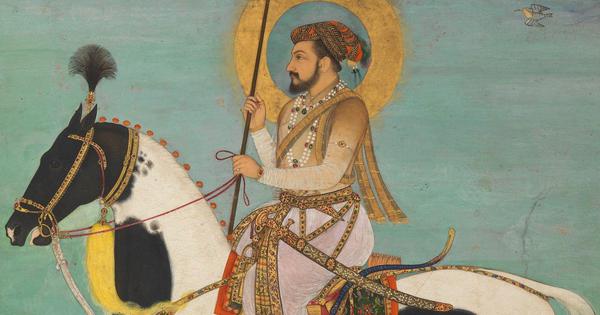
The folio format of the show invokes the Mughal manuscript tradition, ie miniatures, calligraphy, gilded borders. Instead of text, cascading threads form dense veils of gold fibre that both reveal and obscure. The folio becomes an archival fragment whose contents are withheld rather than transmitted.