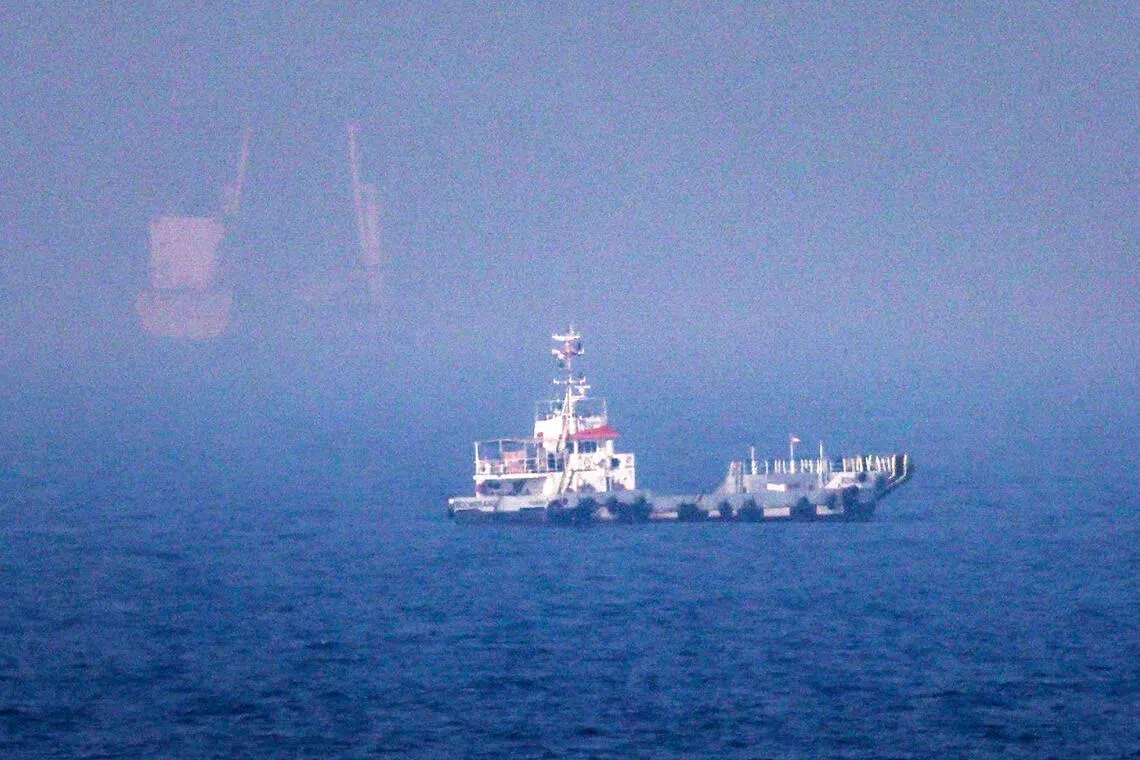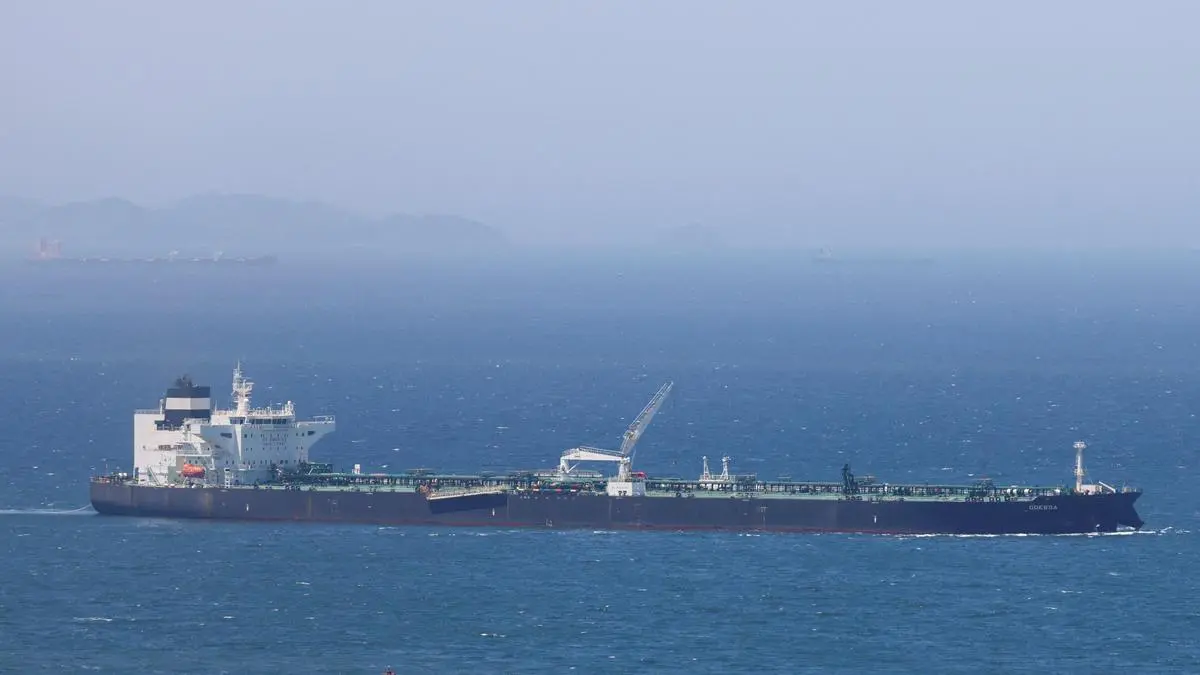
A very large crude carrier, or VLCC, typically carries two million barrels of oil. Under Trump’s proposal, every tanker passing through the strait would be handed a bill for $30 million
| Photo Credit:
KIM SOO-HYEON
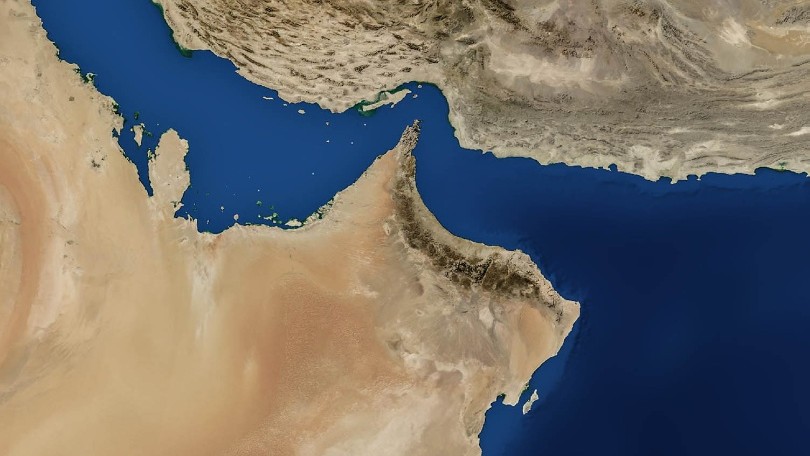
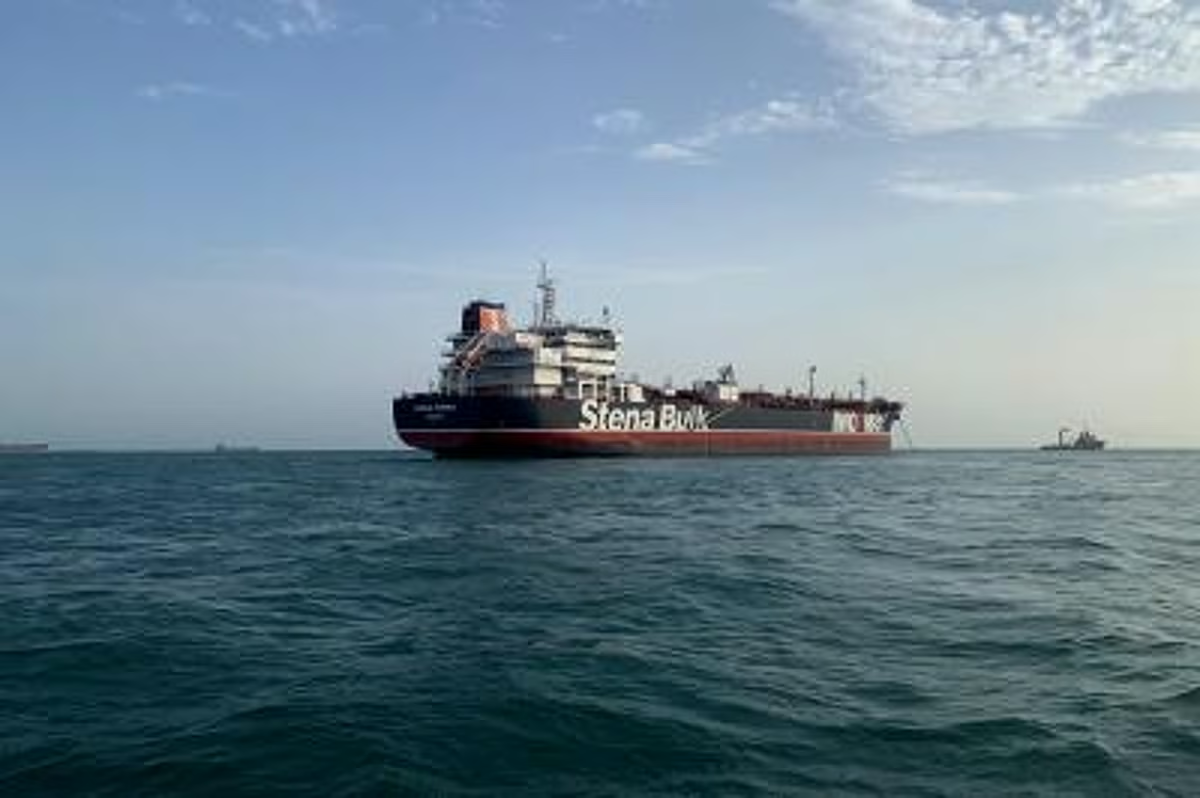
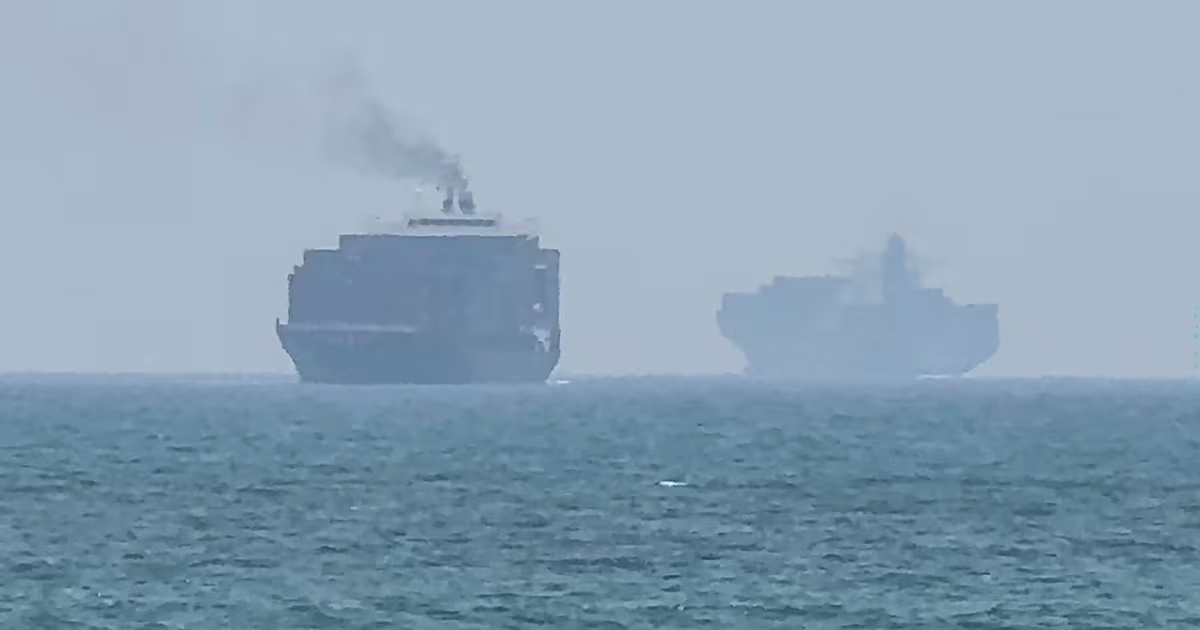
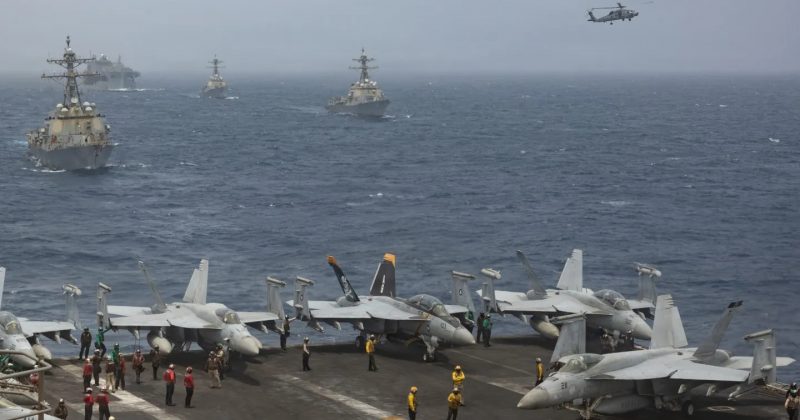
Has anyone done the math on President Donald Trump’s latest demand for cash payments from ships sailing through the Strait of Hormuz?Trump says ships carrying oil through the world’s most important energy chokepoint should pay the US $15 for every barrel they transport. His argument is simple: if the US Navy is keeping the sea lanes open, America should be paid for the service.“We’ll become the guardian of the strait,” Trump told Fox News. “And we should be reimbursed for that.”The numbers are eye-watering.A very large crude carrier, or VLCC, typically carries two million barrels of oil. Under Trump’s proposal, every tanker passing through the strait would be handed a bill for $30 million.Before the Iran-US war erupted, one-fifth of all oil consumed globally passed through the strait. Multiply that by hundreds of tankers a month and the sums quickly become astronomical. The US could make massive sums from the efforts of sailors patrolling those waters.Did someone mention shakedown?Oil markets, meanwhile, are once again kicking like a bucking bronco. Brent crude appeared to have settled around $74 a barrel last week, spurring hopes the worst of the turmoil was over.Then Iran and the US resumed fighting and prices lurched higher once more, touching $87 a barrel on Tuesday before easing. Even so, prices remain well below the $118-a-barrel peaks hit earlier this year.India, for the moment at least, is not clutching its worry beads. The country enters this latest crisis in a stronger position than during previous energy shocks. In June, India imported more crude oil than ever before, with Russia accounting for 52 per cent of those purchases. “India’s crude import basket today is far more resilient than it was a few years ago,” says Sumit Ritolia, senior analyst at Kpler, the shipping data and analytics firm.“Russian crude continues to anchor a significant share of imports,” he adds.As the old saying goes, it’s an ill wind that blows nobody any good. Ukraine’s drone attacks on Russian refineries have had the unintended effect of pushing more Russian crude onto international markets. India has been standing at the front of the queue to buy it.The picture is less comfortable when it comes to LPG and LNG, but here too India has been scouring global markets for alternatives. LPG imports are estimated at 1.4 million tonnes in June, significantly above normal, with a substantial amount coming from the US. The same trend can be seen in LNG.That naturally raises another question: just how expensive has India’s global energy shopping spree become? Before the Iran war, India was spending $10-13 billion a month on imported crude. In April and May put together, India paid $35.5 billion, nearly 70 per cent more than in the same period a year earlier.Buying from North AmericaThe drawback, meanwhile, in buying from North America is obvious. Gas shipped from there has a long journey to make before reaching Indian ports, and transport costs inevitably rise with every extra nautical mile travelled.For years, Qatar has supplied 40 per cent of India’s LNG imports. But that equation may begin to change. The UAE is constructing a huge LNG export facility at Al Ruwais in Abu Dhabi, and India is seen as one of its biggest customers. There’s another silver lining to the crisis, although perhaps not one that will cheer motorists or households. India’s exports of refined products have climbed to their highest monthly levels of the year. Indian refineries have been exporting everything from jet fuel to diesel and gasoil.Another important development is taking place in the UAE. Abu Dhabi is moving ahead with plans to expand Fujairah and Khor Fakkan, two ports on the Gulf of Oman that sit outside the strait altogether. Fujairah’s expanded facilities could be operational within 18 months.The attraction is obvious. Cargoes unloaded there would bypass the strait completely before being moved onwards across the UAE by pipeline, road and rail links. Iran, however, has warned both ports could become targets for drone attacks in any future conflict.For Asia, however, the greatest danger may lie in the risk of a double whammy. What happens if the Houthis decide this is the moment to re-enter the conflict and once again attack Red Sea shipping?If disruption in the strait were combined with renewed attacks in the Red Sea, two of the world’s most vital energy arteries could come under pressure at precisely the same moment, Ritolia points out.And then the global economy really might find itself up a creek without an outboard motor, desperately searching for a paddle.Published on July 15, 2026