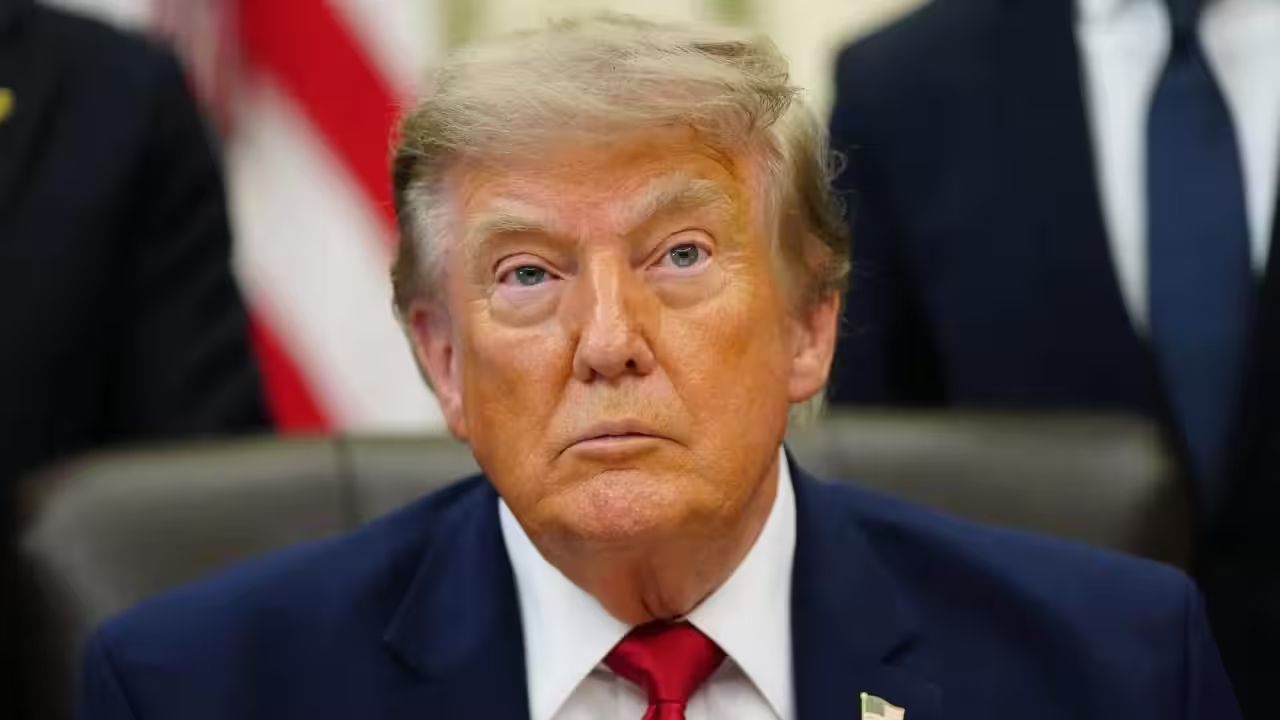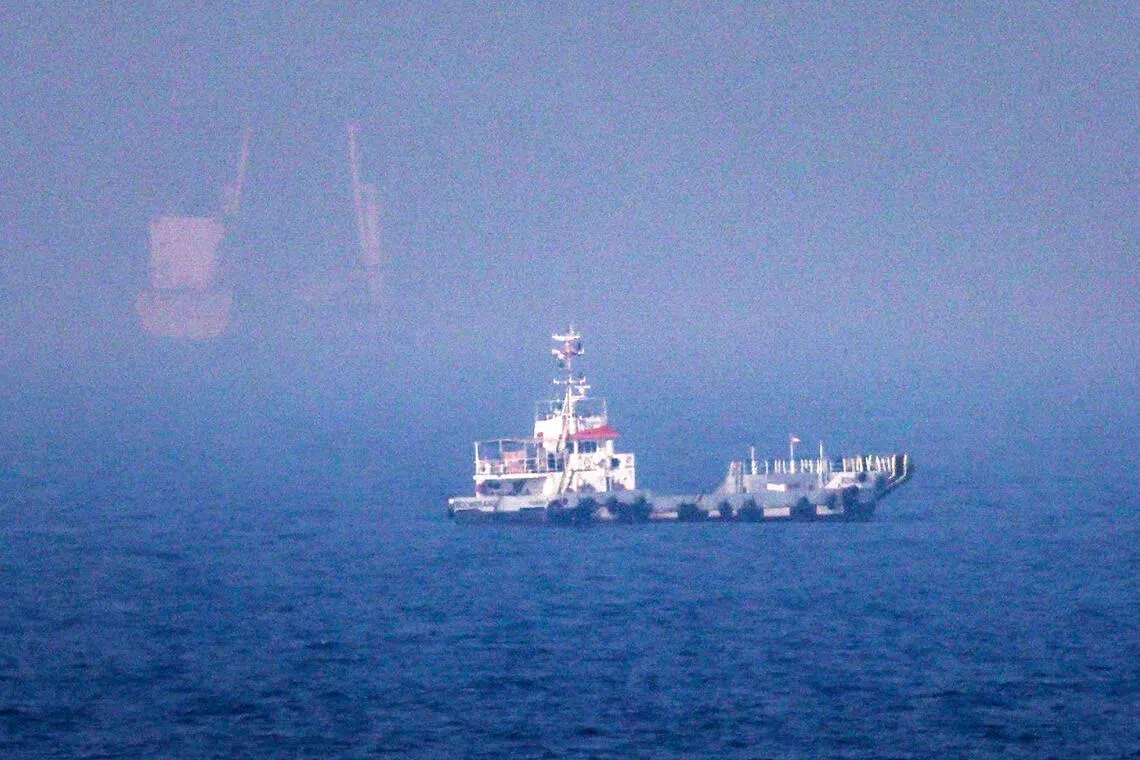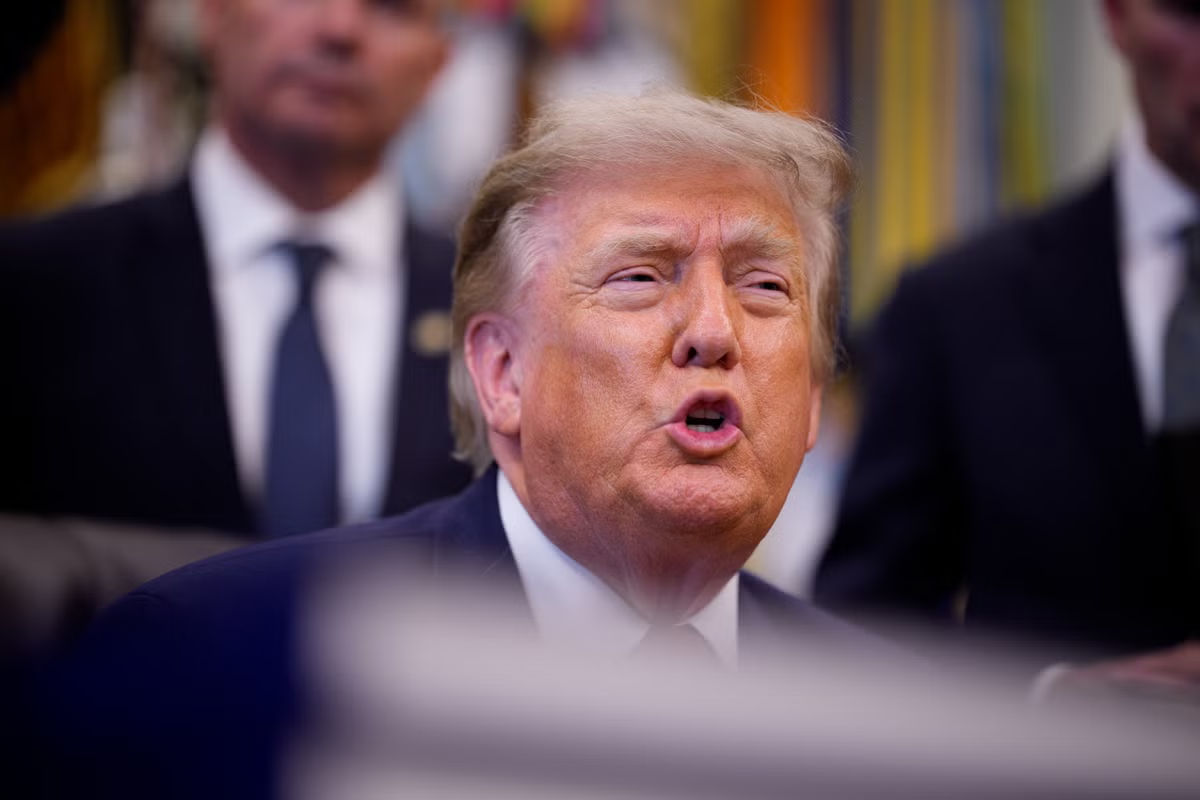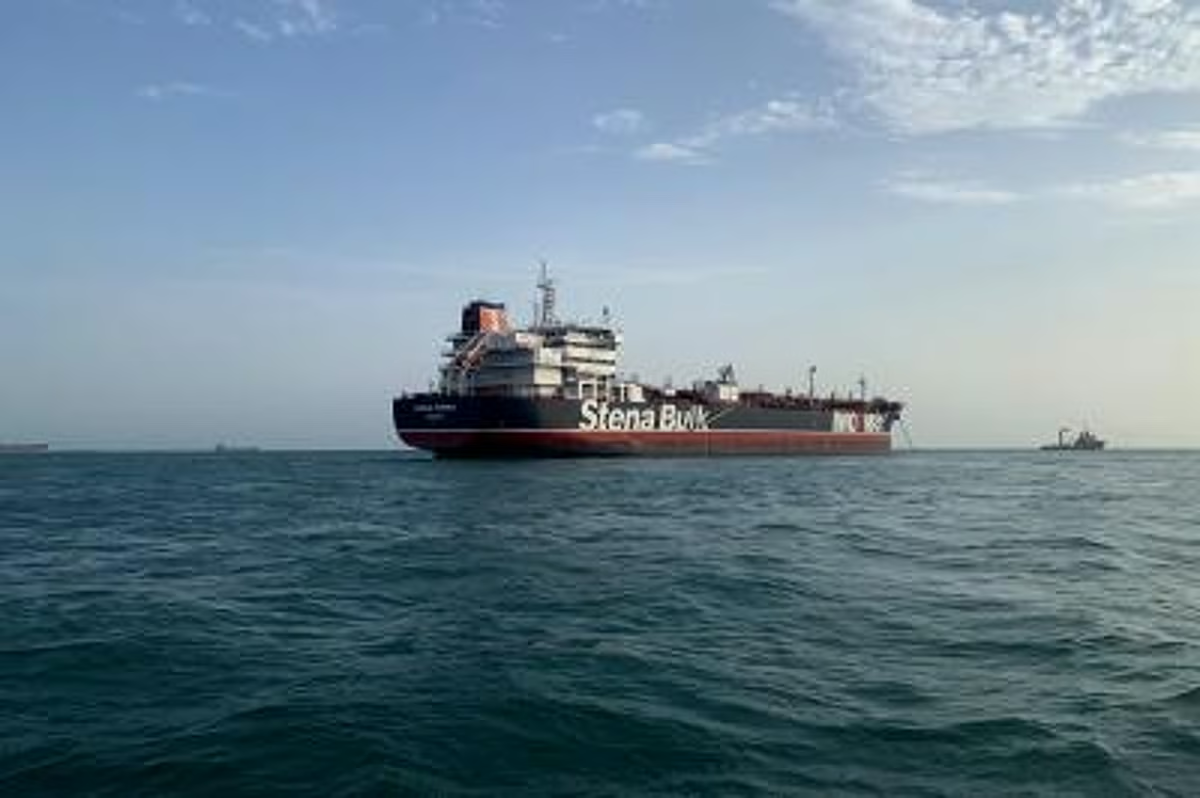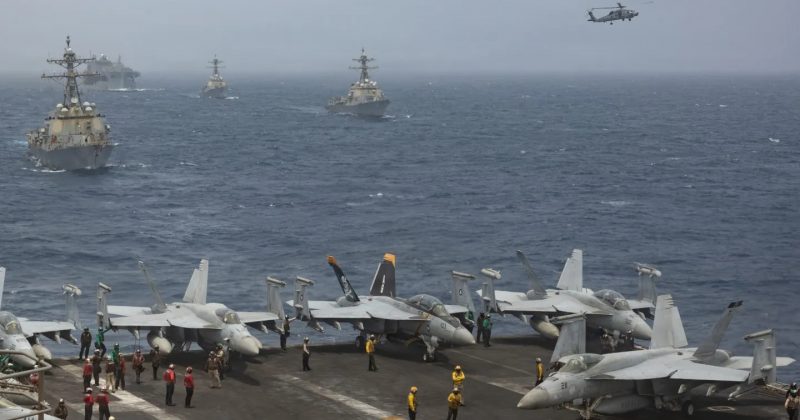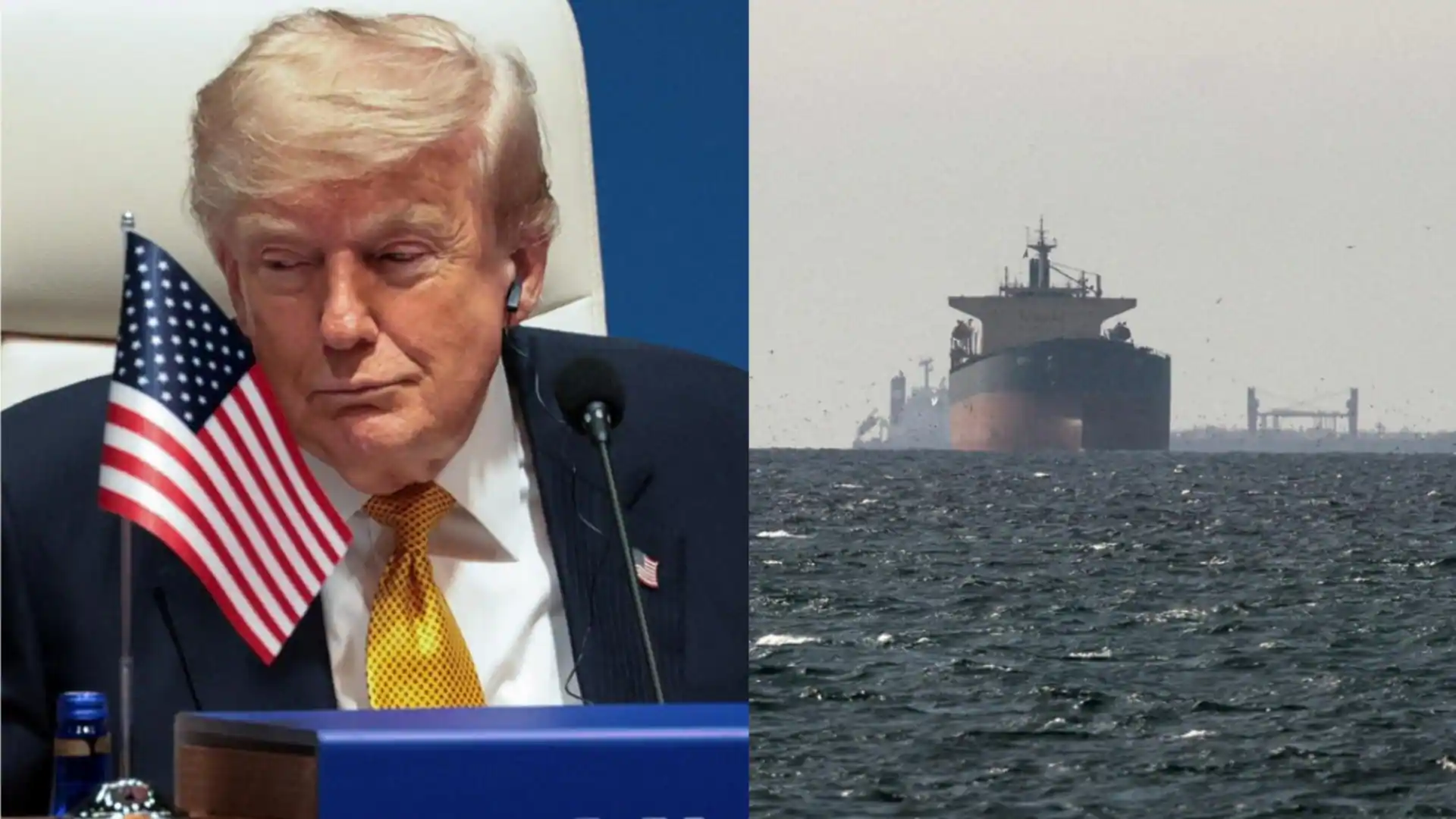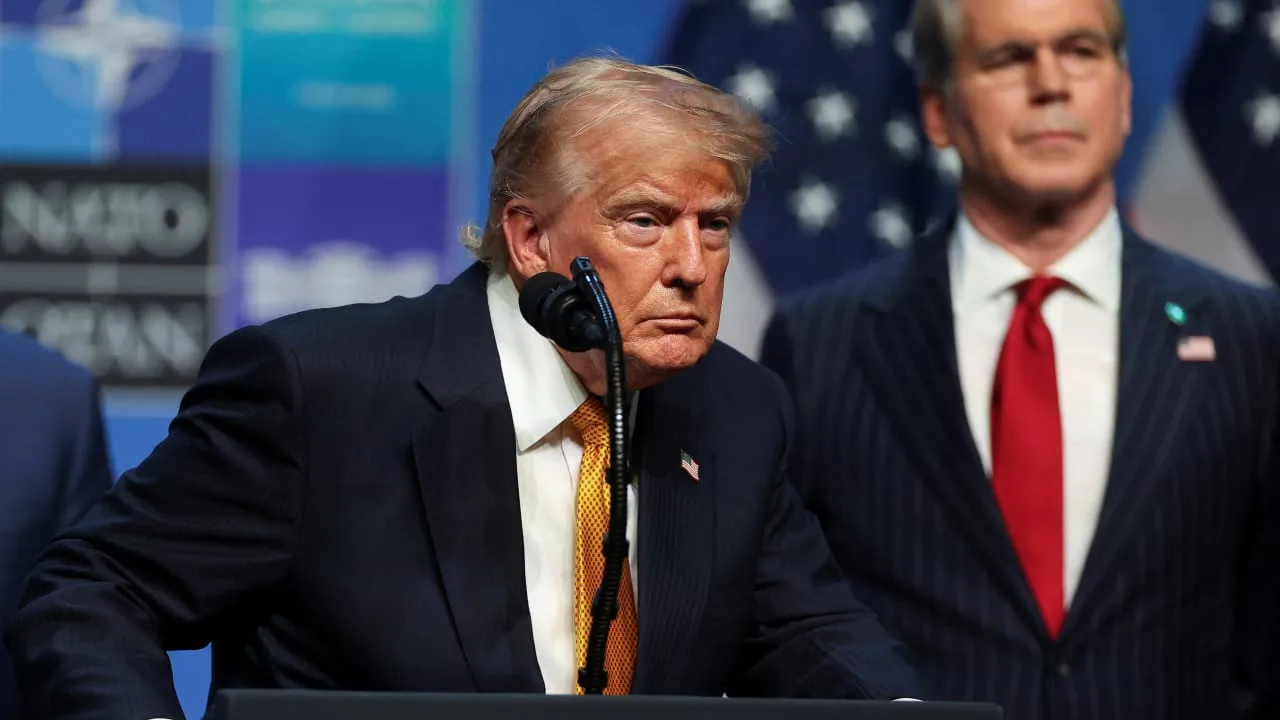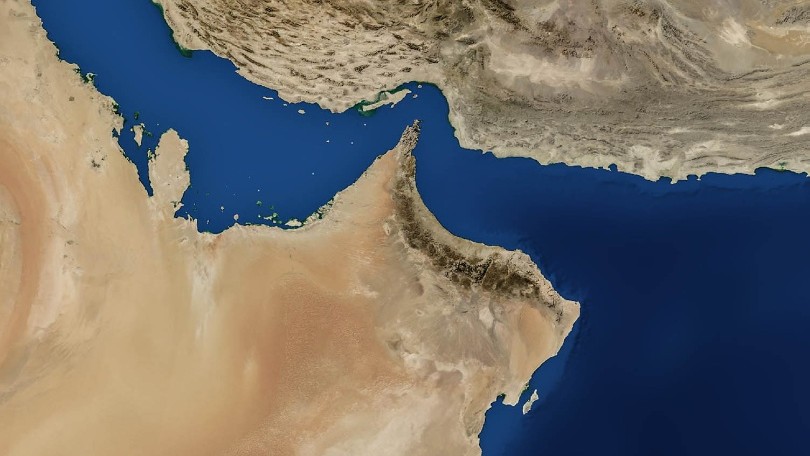
US President Donald Trump has proposed charging a 20 per cent fee on ships crossing the Strait of Hormuz – a move that could set a single supertanker back more than $32 million every trip. Washington previously opposed fees in the strait.In a post on social media, Mr Trump described the US as the "guardian of the Hormuz Strait" and said that as a "matter of fairness", the US would be reimbursed by vessels transiting the waterway "at the rate of 20 per cent on all cargo shipped".Washington has also reinstated its naval blockade on Iranian vessels using the strait, through which about a fifth of the world's oil and gas normally flows.Calculating the costA very large crude carrier (VLCC) carries about two million barrels of oil. Brent is near $85 a barrel after its biggest one-day jump since 2020, making a single cargo worth about $170 million. A 20 per cent levy works out at about $34 million. Alisha Chhangani, associate director at Atlantic Council's GeoEconomics Centre, calculated the figure to be about $32 million for every voyage."Twenty per cent is really high. If you're talking about $80 barrel, that's $16 on the barrel," Amena Bakr, head of Middle East and Opec+ at Kpler, told The National. "No country has the right to apply tolls on a natural waterway. It's one Gulf countries can't afford. It's just too high."There is no precedent for the proposal in modern shipping. The UN International Maritime Organisation said it "stands firmly against charging fees for passage through straits used for international navigation" and added that "there is no legal basis" for mandatory tolls.Unlike the Suez and Panama canals, which are man-made waterways where authorities have long charged transit fees, no natural strait has ever operated under a comparable toll system. The charges are also far steeper than the fees imposed by Iran before the ceasefire took effect. Tehran had sought about $2 a barrel – about $4 million on a VLCC cargo – through its "Tehran tollbooth" system, although few ship owners are believed to have paid it. Iran’s toll system, imposed in May, was run by an entity linked to the Islamic Revolutionary Guard Corps that vetted vessels by email. The approved ships were routed through a corridor near Larak Island, with the authority collecting fees up to $2 million from VLCCs – tolls that were largely paid in crypto or Chinese yuan.Iranian Foreign Minister Abbas Araghchi responded to Mr Trump's proposal with a post on X. "Whoever provides secure and safe passage of commercial vessels through the Strait of Hormuz should be compensated for this service ... 20 per cent is of course too much. We will be fair," he wrote.No mechanism yetThe US proposal is short on detail about how it would be enforced. "The White House has not explained how the United States would calculate, collect, or enforce a 20 per cent transit fee," Ms Chhangani said.She added that it was also unclear if payment would be required before ships enter the strait, if it is to be tied to a naval escort, or enforced through shipping companies, insurers, banks and port authorities. The costs are likely to flow through to producers, refiners and consumers.Mr Trump has suggested countries using the strait, not just shipowners, should help pay for US protection. He said previously that Washington was "protecting all of them" and that a fee is "appropriate". Gulf states, including the UAE, oppose having a toll system in the waterway, insisting the strait should remain free to transit under maritime law. The US supported that position a matter of weeks ago, when US Secretary of State Marco Rubio said "no country is allowed to charge tolls or fees on an international waterway".Saudi Arabia and the UAE, which have alternative export routes that bypass the strait, have not yet commented on Mr Trump's proposal. Kuwait and Iraq, which are more geographically constrained and dependent on the strait to export energy, may have no option but to comply."They're in a more dire situation to export their crude, so paying a toll over time might be more acceptable," Ms Bakr said. The US may find collection easier than Iran did, given its ties to regional governments, she added.After the resumption of strikes last week, traffic through the strait has slowed to a trickle. Kpler data show 14 vessels crossed on Sunday, including four crude tankers, down from 37 a week earlier. Windward tracked a similar slide days earlier as only five vessels crossed on Wednesday into Thursday, compared with 45 the previous Monday. Some ships are switching off AIS transponders to avoid being tracked.
Trump’s Strait of Hormuz toll could add $32m to every supertanker voyage | The National
US President's proposal faces legal questions, unclear enforcement rules and resistance from regional states
772 words~4 min read