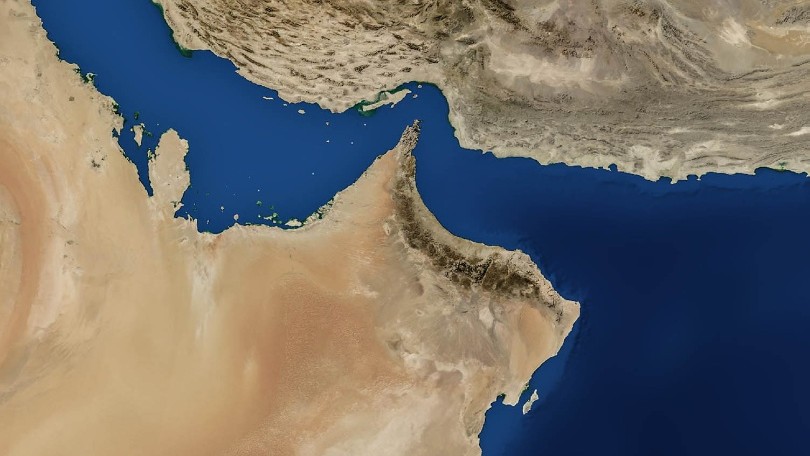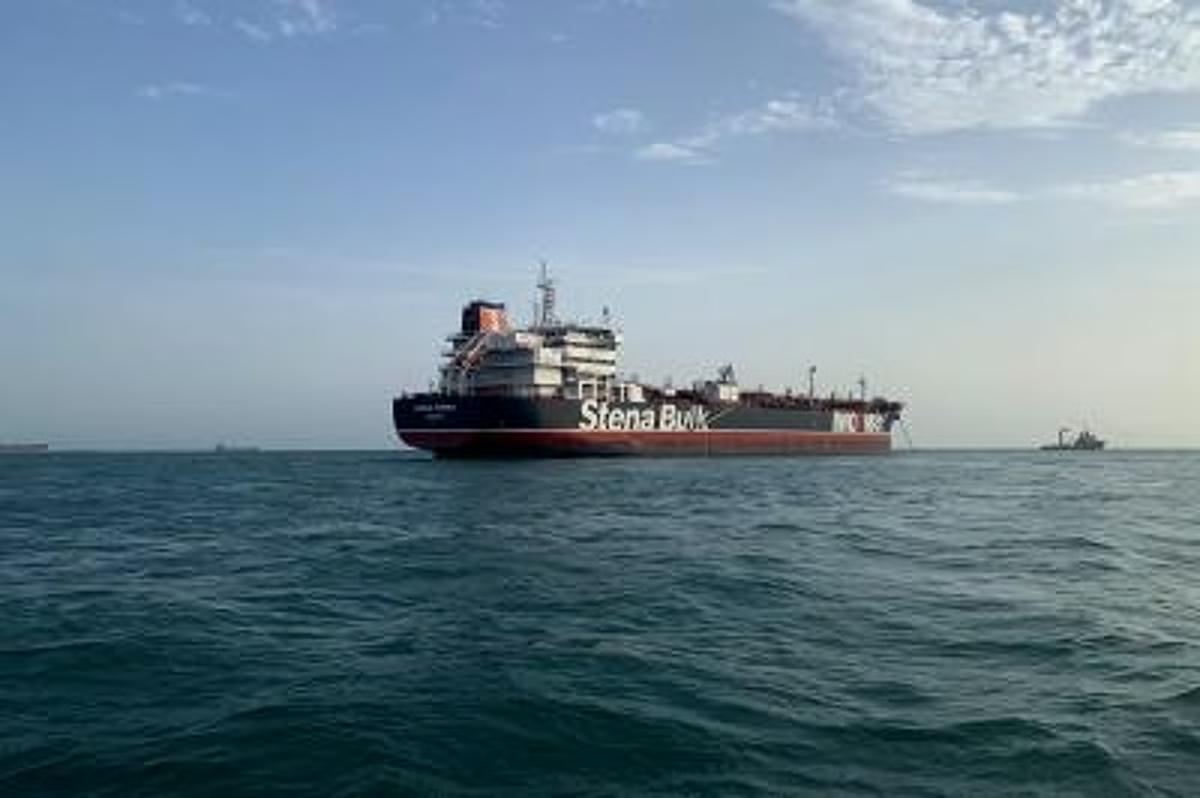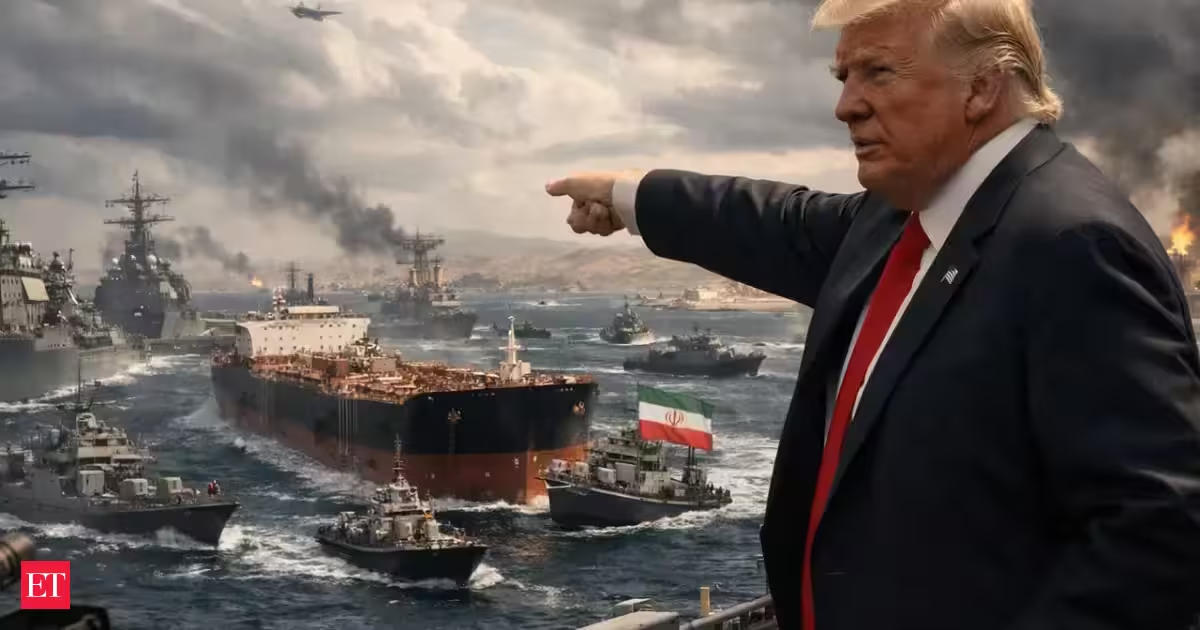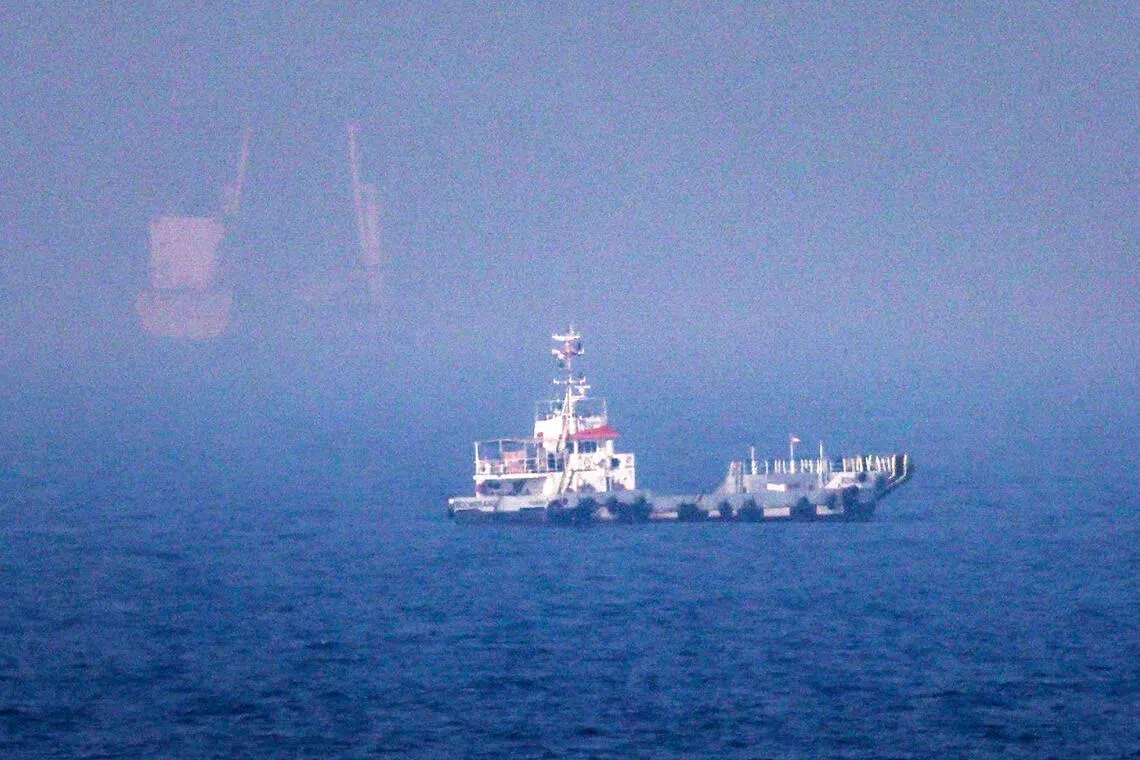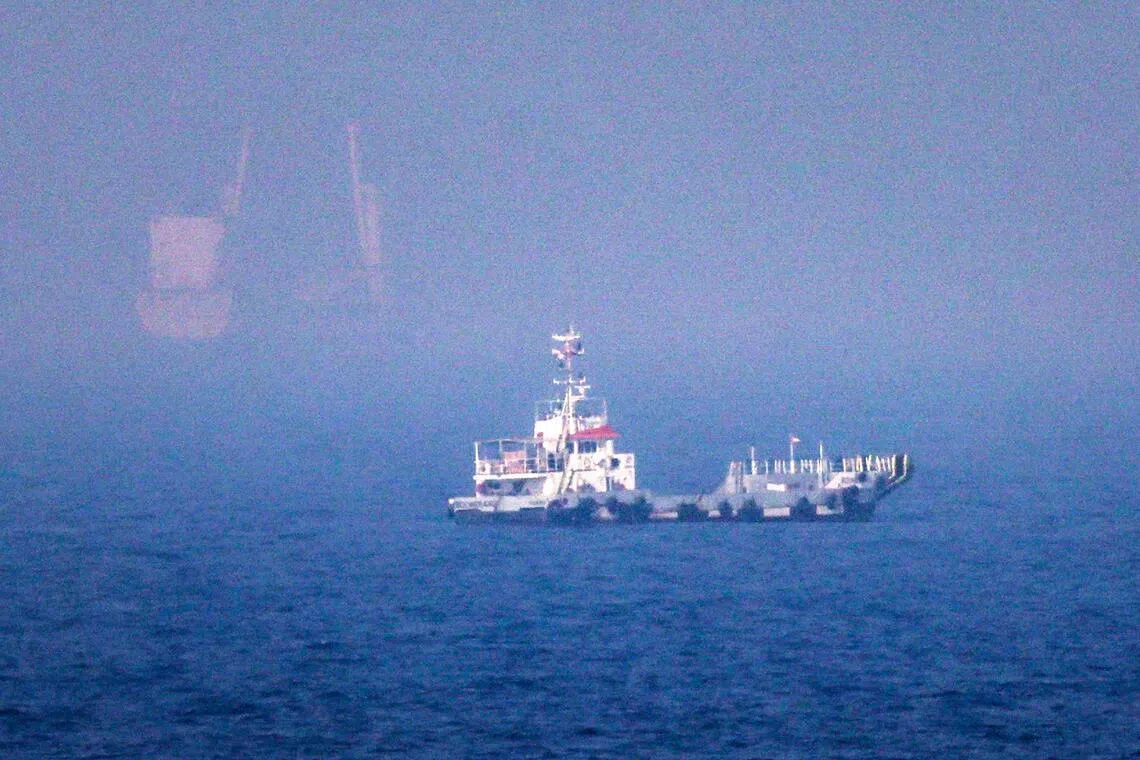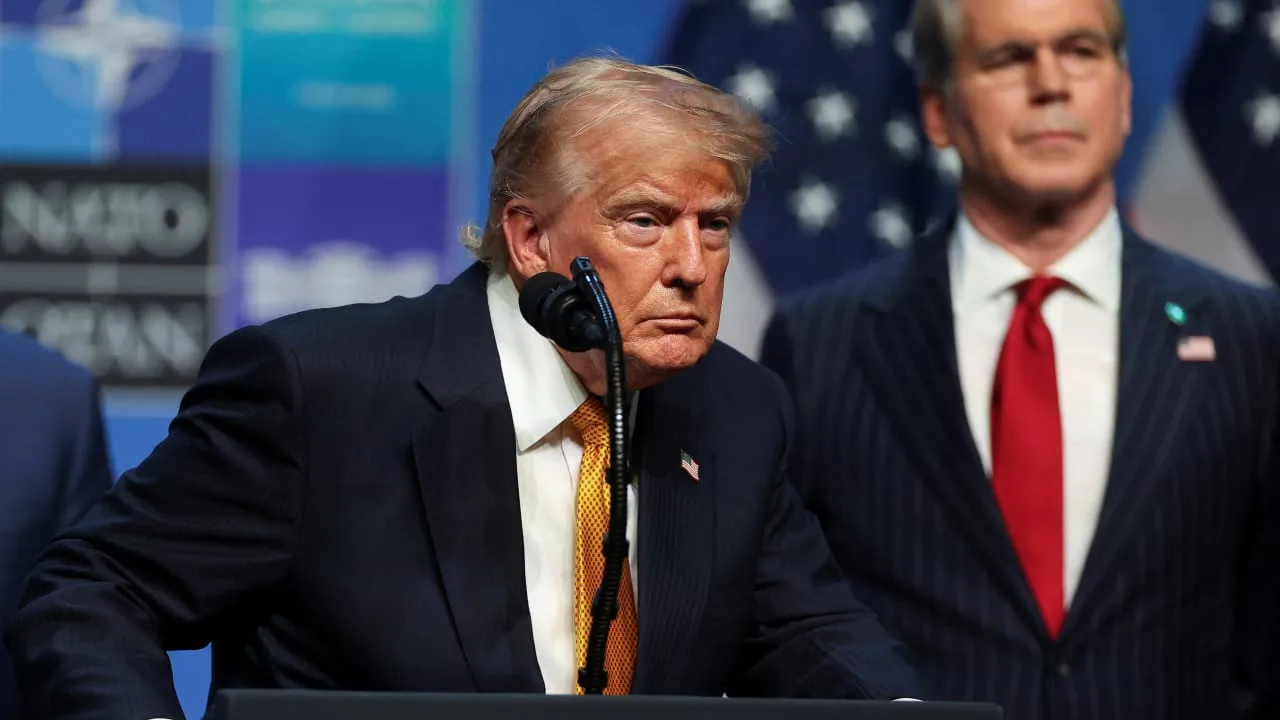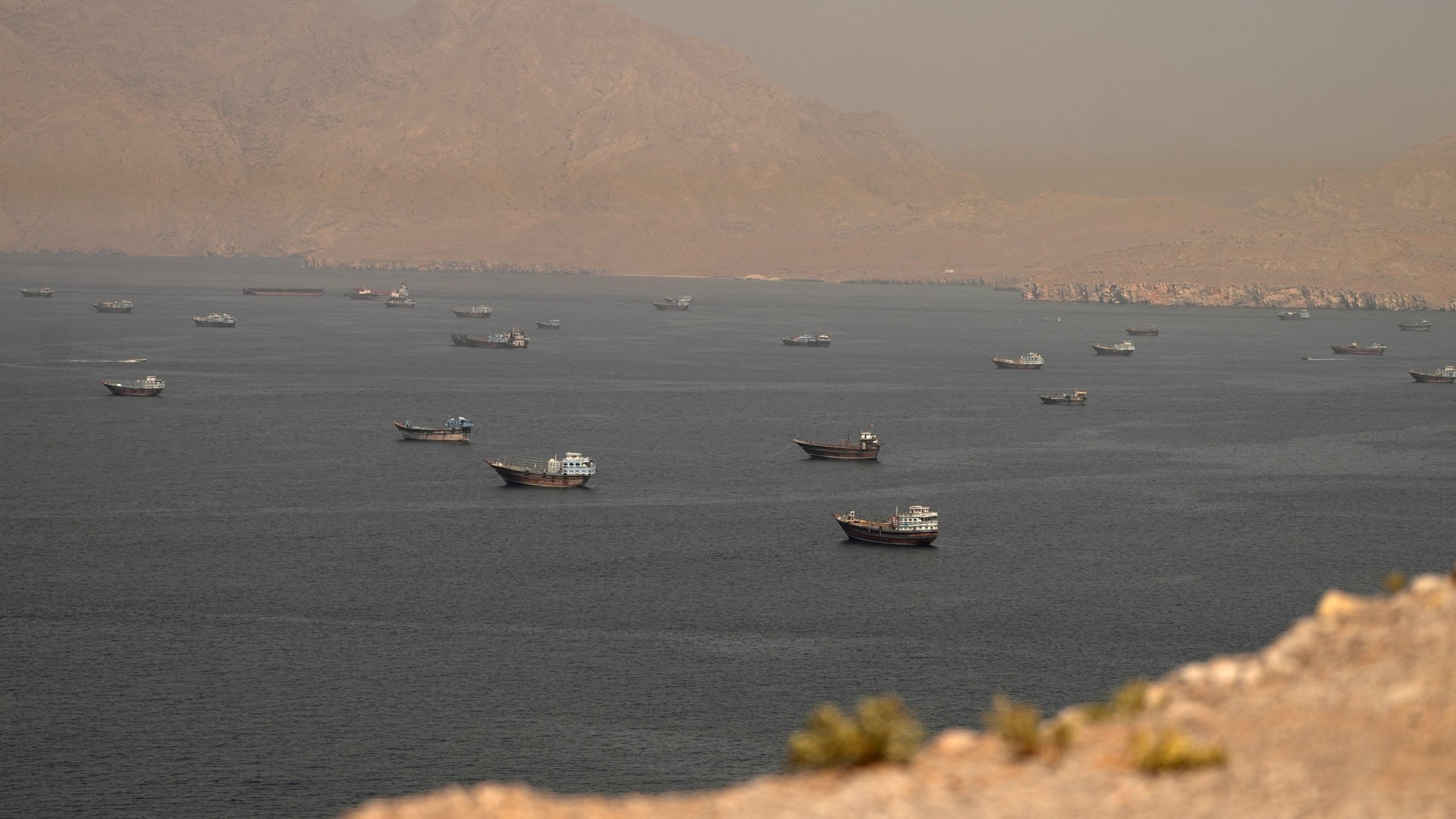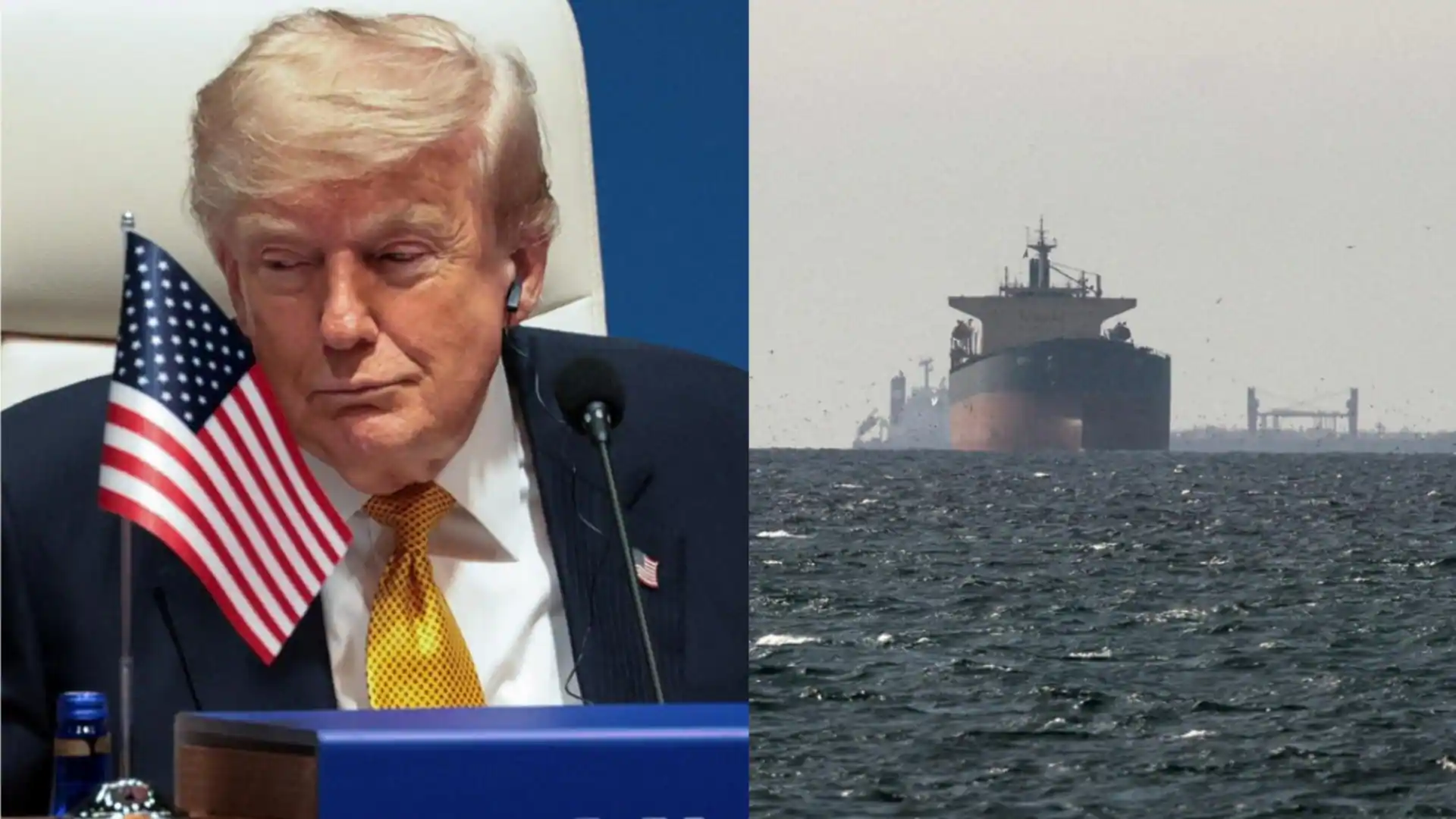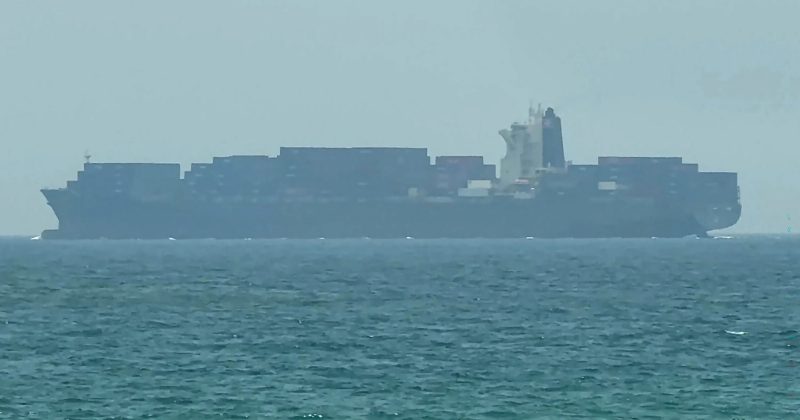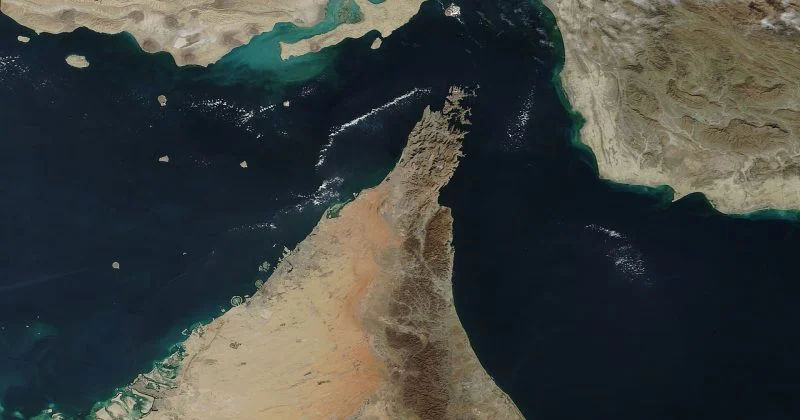
Donald Trump has proposed imposing a 20% charge on the commercial value of all cargo passing through the Strait of Hormuz, the narrow waterway between Iran and Oman that handles roughly 20% of the world’s oil supply.
The proposal is difficult to categorize as conventional energy policy. Analysts have pointed out it would likely violate foundational principles of the UN Convention on the Law of the Sea, which guarantees freedom of navigation through international straits. It would also raise energy costs across the board, an outcome that cuts directly against the stated goal of restoring stability.
What this would actually mean for energy markets
A 20% levy on the commercial value of that cargo would represent a staggering cost increase for energy transport. Those costs would ripple through global supply chains, showing up in higher prices for crude oil, natural gas, refined fuels, and ultimately consumer goods.
The unintended climate policy