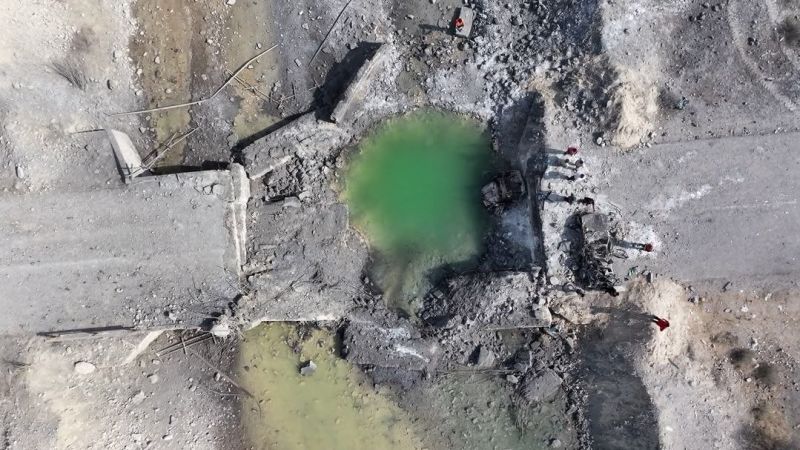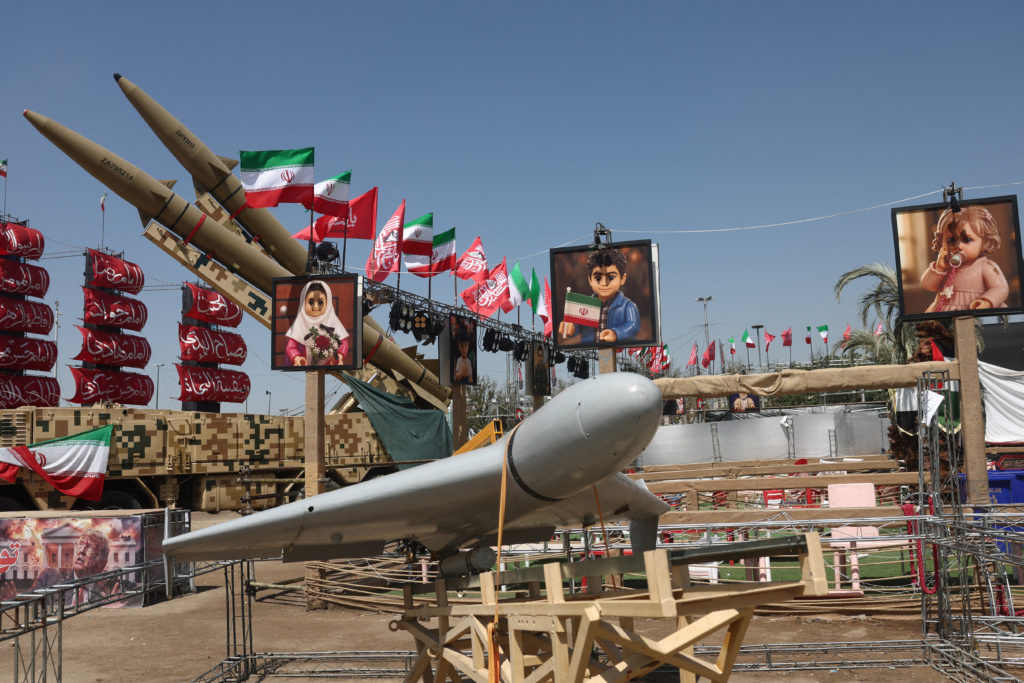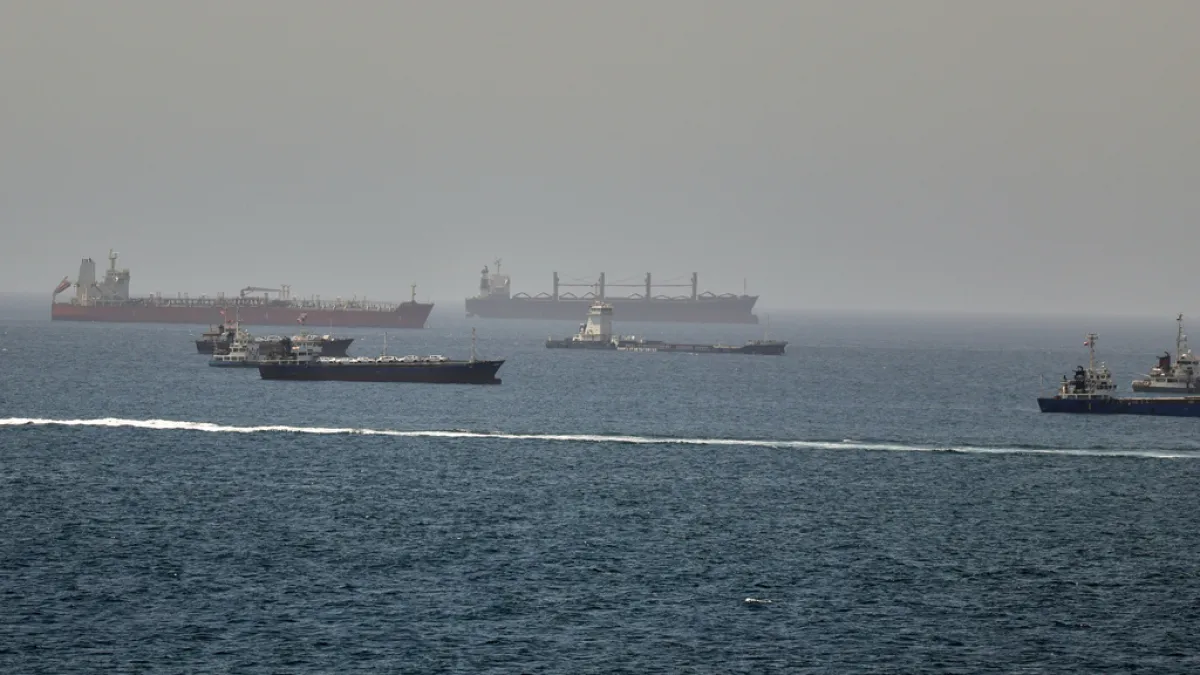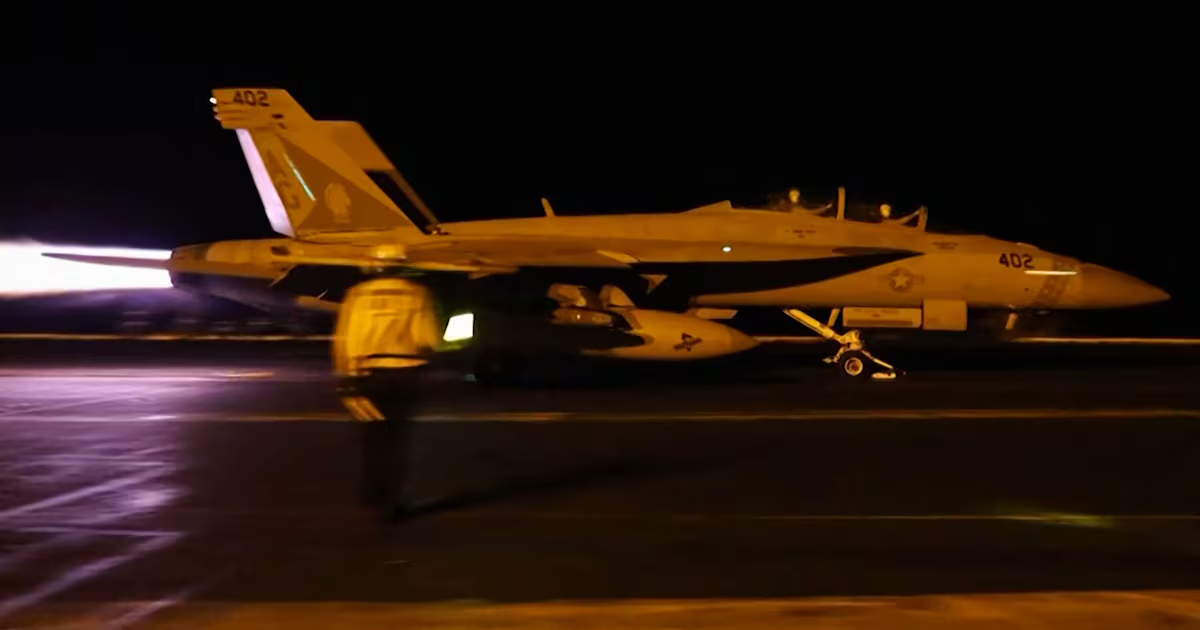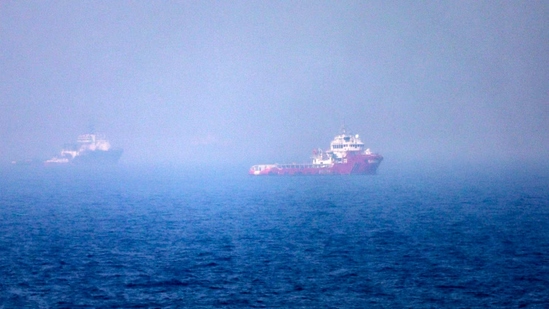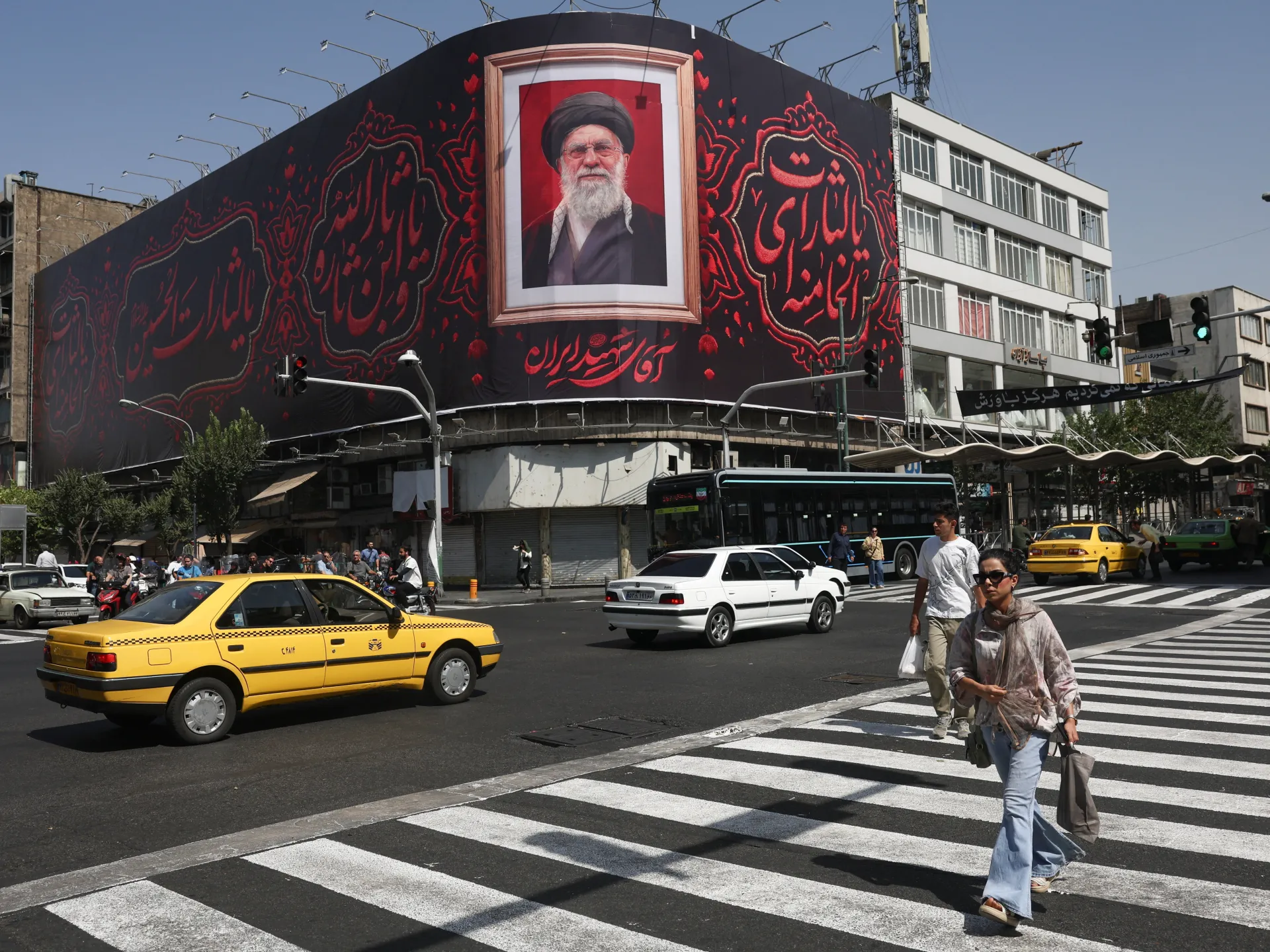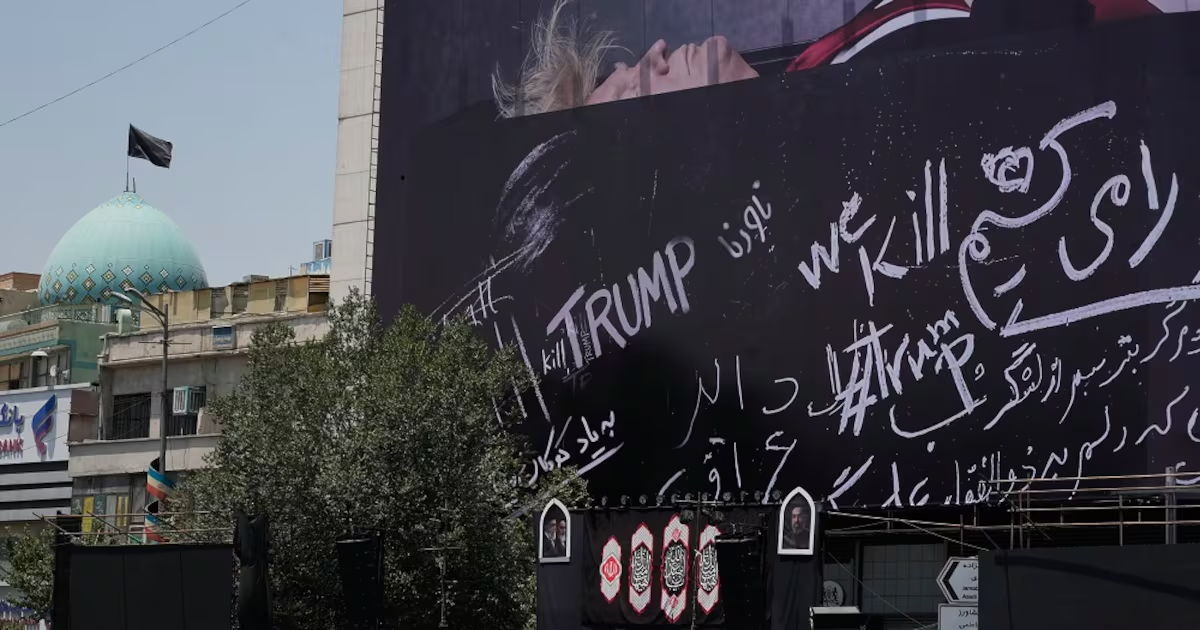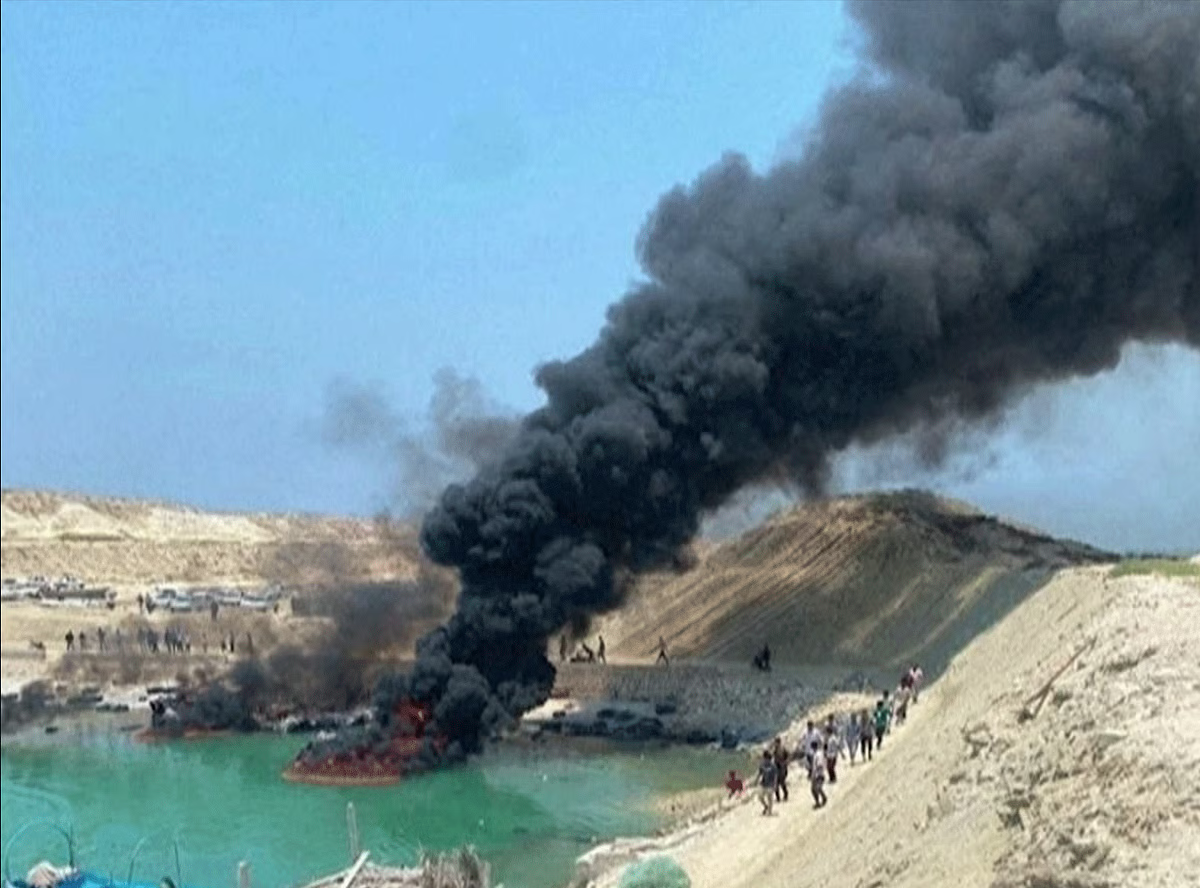
WASHINGTON -- Fresh US strikes on Iran, Tehran's renewed attacks on American bases in the Persian Gulf, and President Donald Trump's announcement that Washington would reinstate a naval blockade on Iranian shipping have pushed the conflict into a new and uncertain phase.But despite the intensifying military exchanges, Jonathan Schroden, chief research officer at the Center for Naval Analyses (CNA) and a leading US expert on irregular warfare, says that the current violence resembles the turbulent path many wars take before reaching a negotiated settlement.RFE/RL: The US has launched fresh strikes inside Iran, while Tehran has retaliated against American bases across the Gulf. From a military perspective, where does this conflict stand today? Are we still witnessing controlled escalation, or is it entering a more dangerous phase?Jonathan Schroden: What we're seeing now is fairly emblematic of how wars that end via a negotiated settlement of some kind actually play out. The US and Iran have a memorandum of understanding that outlines some terms that they've agreed to and lays out a path to continue talking effectively, and they've been doing that for the month or so since they signed that MOU.But if you look at the history of negotiations to end wars that involve cease-fires especially, you oftentimes -- I think more often than not -- see breakdowns in those cease-fires and in the negotiations multiple times.
Jonathan Schroden: Why The US-Iran Conflict Keeps Shifting Between Fighting And Diplomacy
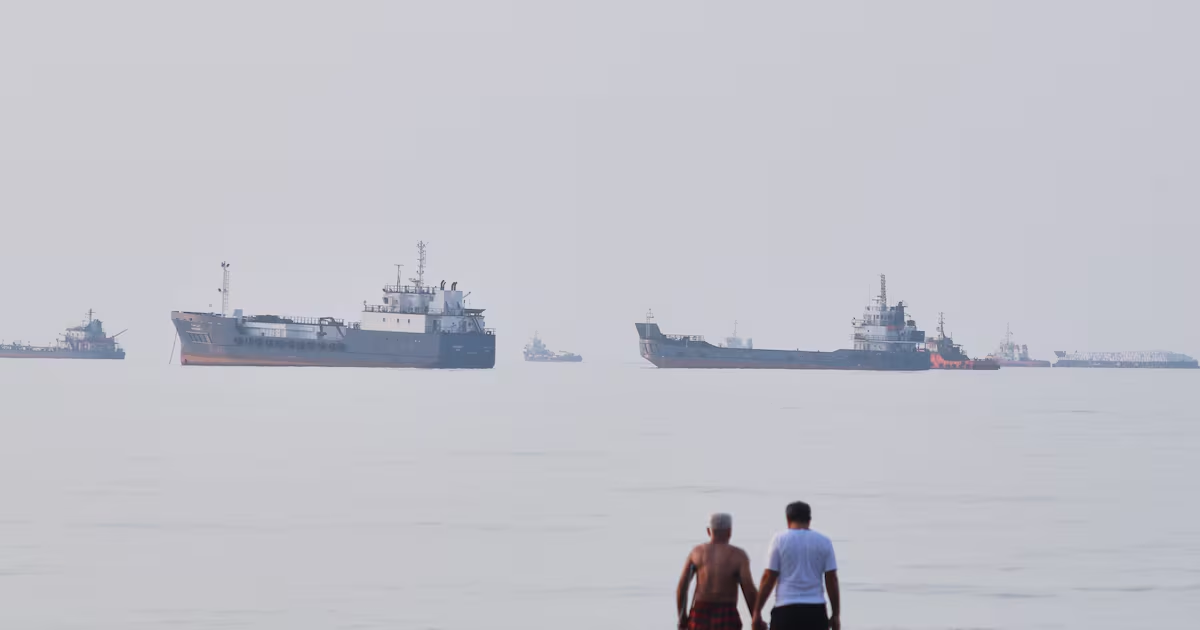
As the US and Iran exchange new strikes, military analyst Jonathan Schroden explains why wars often become more violent before peace, how the Strait of Hormuz has become the conflict's strategic centre, and why drones are reshaping naval warfare.
1,914 words~9 min read