Serving tech enthusiasts for over 25 years.
TechSpot means tech analysis and advice you can trust.
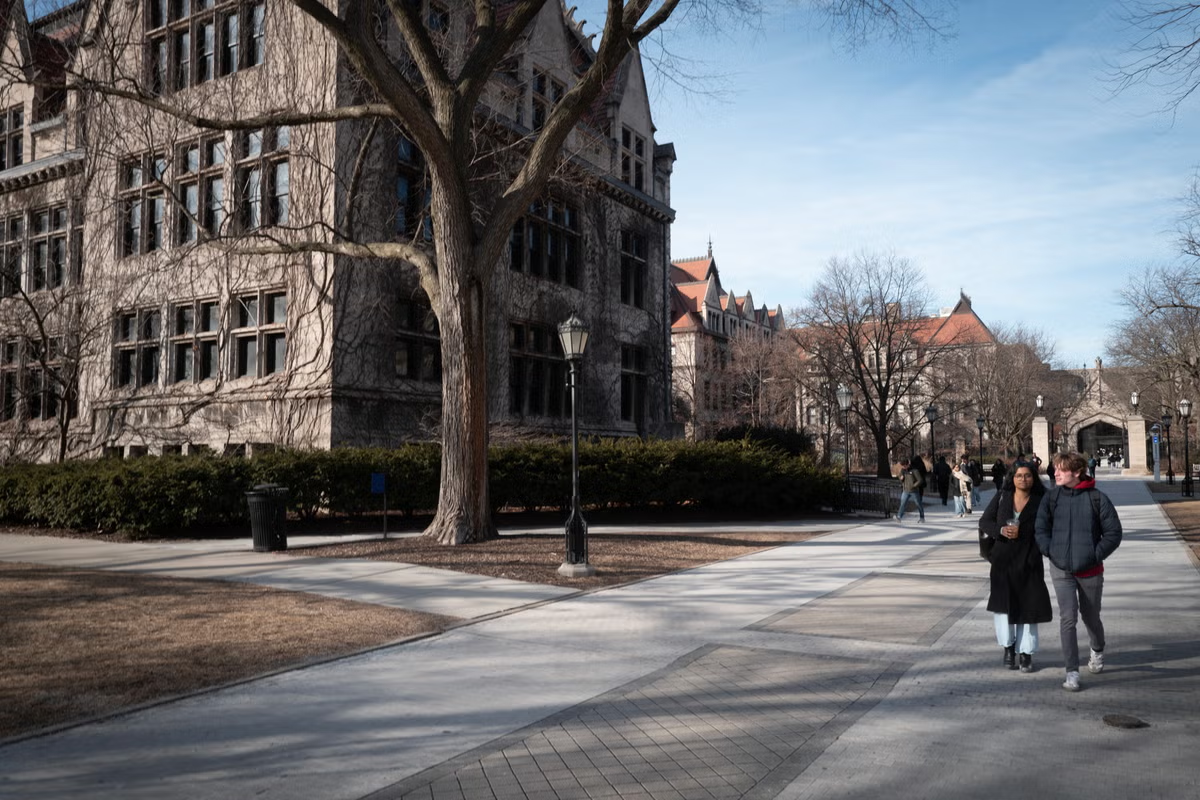
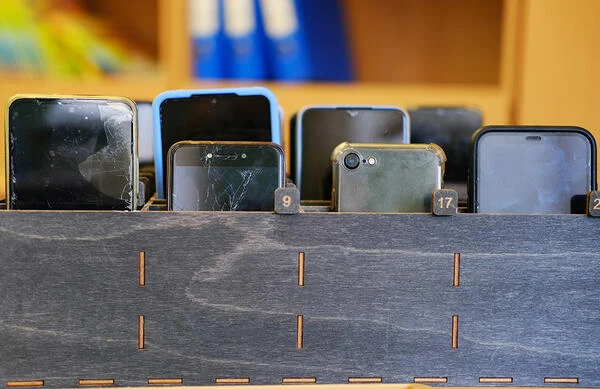
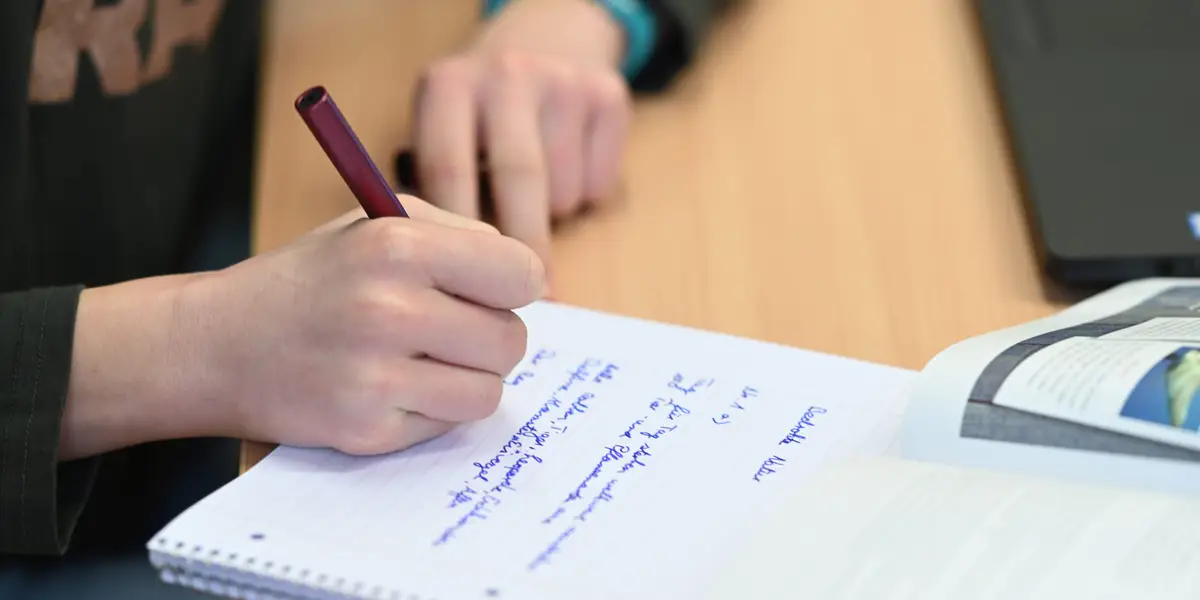
What just happened? The University of Chicago Law School is tightening its rules on classroom technology in response to the way artificial intelligence is reshaping legal education. Starting this fall, first-year law students will be barred from using laptops, tablets, or phones in class under the new policy. The school is also strengthening its exam rules. All tests will be administered in person, with no access to the internet, electronic files, or apps. In addition, students will participate in oral discussions with professors about their research papers, a measure the school says is intended to verify students' understanding of and authorship of their work.
In its announcement, the law school said the changes are a response to the way AI is disrupting higher education. "With AI disrupting higher education, our commitment to rigorous legal education must also mean being open to rapid adaptation," the school said.
The policy reflects growing concern on campuses that easy access to generative AI can weaken key skills when students rely on it too heavily. The memo warns that using AI can "stunt intellectual growth," make students overly reliant on the technology, and prevent them from developing critical-thinking skills.