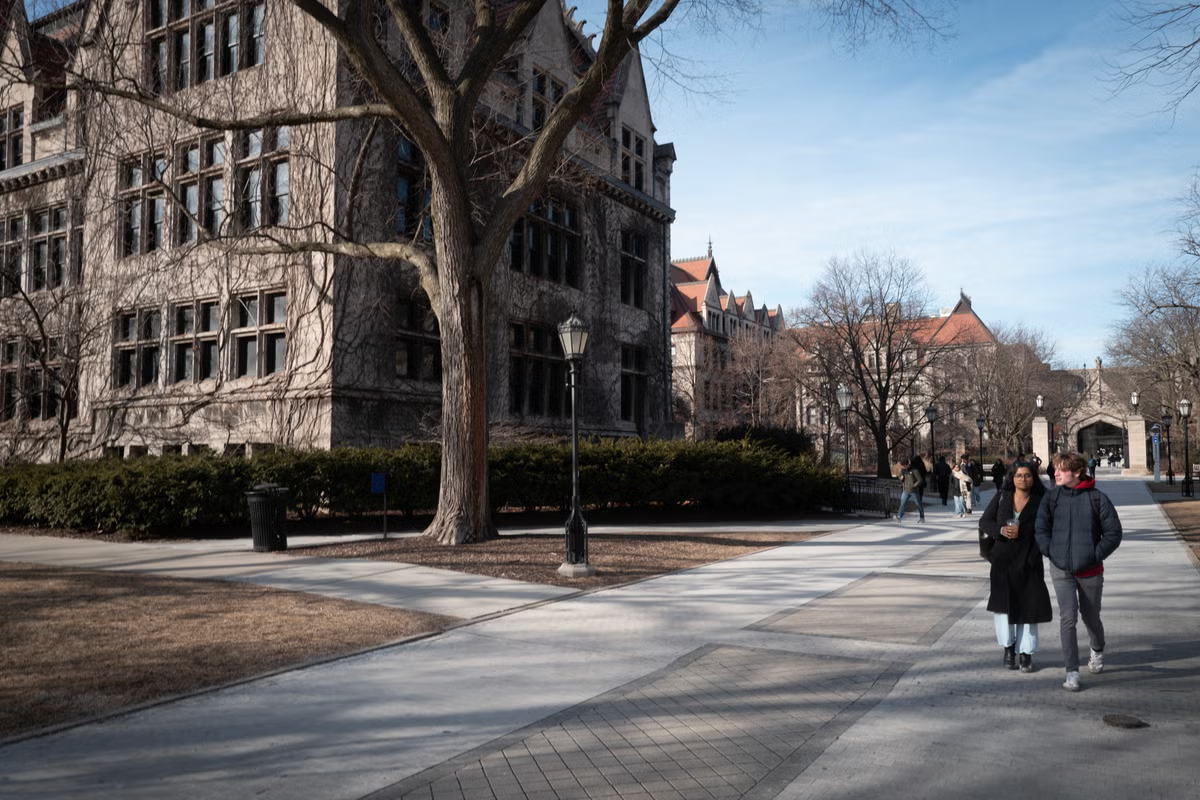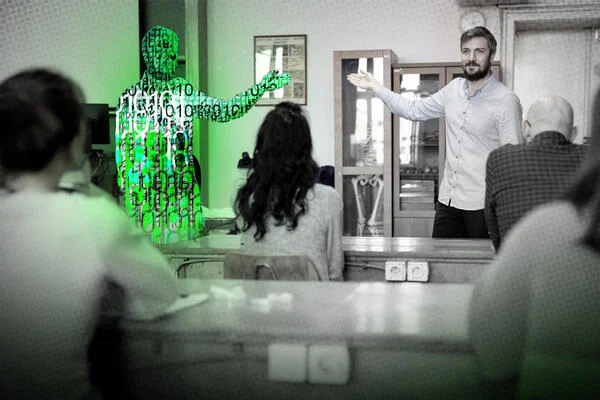
The University of Chicago will require its core social science course sequence to go AI free this fall.gettyThe University of Chicago will prohibit the use of AI in its core social science courses, beginning this fall. The decision, first reported by the Chicago Maroon, UChicago’s independent student newspaper, was contained in a Social Sciences Collegiate Division (SSCD) memo obtained by the paper.The social science core is one of nine areas the university requires undergraduate students to complete as part of its general education curriculum. It consists of a three-course sequence that students typically take in the fall of their second year, following completion of their requirements for the humanities core and writing core. Students have several options for which social science sequence they take, but once they begin one, they are expected to remain in the same sequence.The memo from SSCD Master Jenny Trinitapoli indicates that the new policy reflects a “strong consensus… that our sequences are best understood as a pedagogical setting without AI.” It adds, “although practices have varied course-by-course in recent years, in AY 2027 sequences are collectively designed to be taught as ‘analog’ courses.”Students will be expected to read their assignments on paper and engage in device-free discussions, in contrast to prior years when the use of laptops and digital texts were permitted in class. "Meant to lay the groundwork for higher level study at the College, in the SOSC Core we first equip students to read, write, and think without dependence on AI, just as we equip students to read, write, and think beyond the bounds of conventional views or leading ideologies,” the memo adds.The policy includes the following elements:in-person class attendance is required;the recording of class discussions and lectures is prohibited;classrooms are to be “device-free spaces,” with laptops, cell phones and wearable AI devices generally prohibited;students are required to complete assignments independently, without the assistance of artificial intelligence tools;reasonable academic accommodations that don’t compromise course objectives or learning goals will be allowed.The memo maintains that “AI-assisted grading has no place in the SOSC Core unless faculty are carefully assessing its validity against human grading,” and that all of the core’s course syllabi are to be createdby human scholars.MORE FOR YOUThe policy also allows for “thoughtful experimentation” by professors who want to incorporate AI into their classes, in consultation with divisional leadership. Instructors will be permitted to “carve out exceptions to the device-free norm for specific purposes.” “On a particular day, for example, students may be asked to bring laptops to collectively examine tabulations in a dataset, to troubleshoot code, to revise a page of text, or to access library website for guidance about citation practices and learn shortcuts.” In general, however, ”students can expect to keep laptops, tablets, and phones away in their bags, set to silent mode."This is not the first instance of the University of Chicago banning technology in its classrooms. In July, its law school released new AI restrictions. As part of its Rethinking Legal Education in the AI Era, the law school will pilot a prohibition against the use of electronic devices in its core first-year courses. That plan, set to go into effect this fall, was the result of months of consultation with alumni, practicing attorneys, faculty, students and other stakeholders. It’s intended to bolster basic legal skills and build practical AI knowhow by helping law students learn to think “with, without, and about AI.”Whether any of UChicago’s other core program sequences might also establish AI prohibitions is not known at this time. Nor is it clear how many other colleges and universities might adopt similar “analog” course requirements, as they struggle with how to train students in the proper use of new AI technology without sacrificing what the memo refers to as students’ “freedom to think for themselves, to listen to one another without the cacophony of other (disembodied and non-human) voices in the room, to make mistakes, and to change their minds as they engage with thinkers of the past, with us, and with their fellow students in good faith, face-to-face.”
The University Of Chicago Bans AI, Other Technology, In More Courses
Following up on a similar policy enacted at its law school, the University of Chicago will prohibit the use of AI in its core social science courses, beginning this fall.
674 words~3 min read