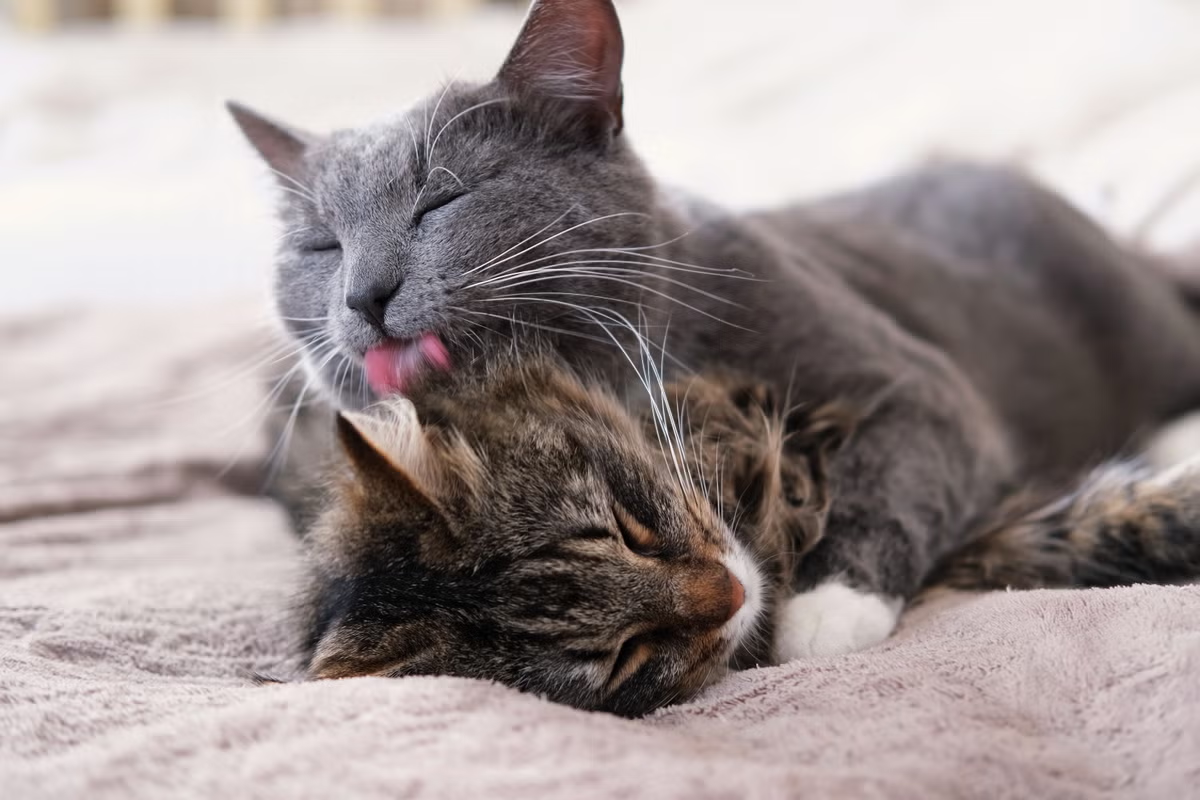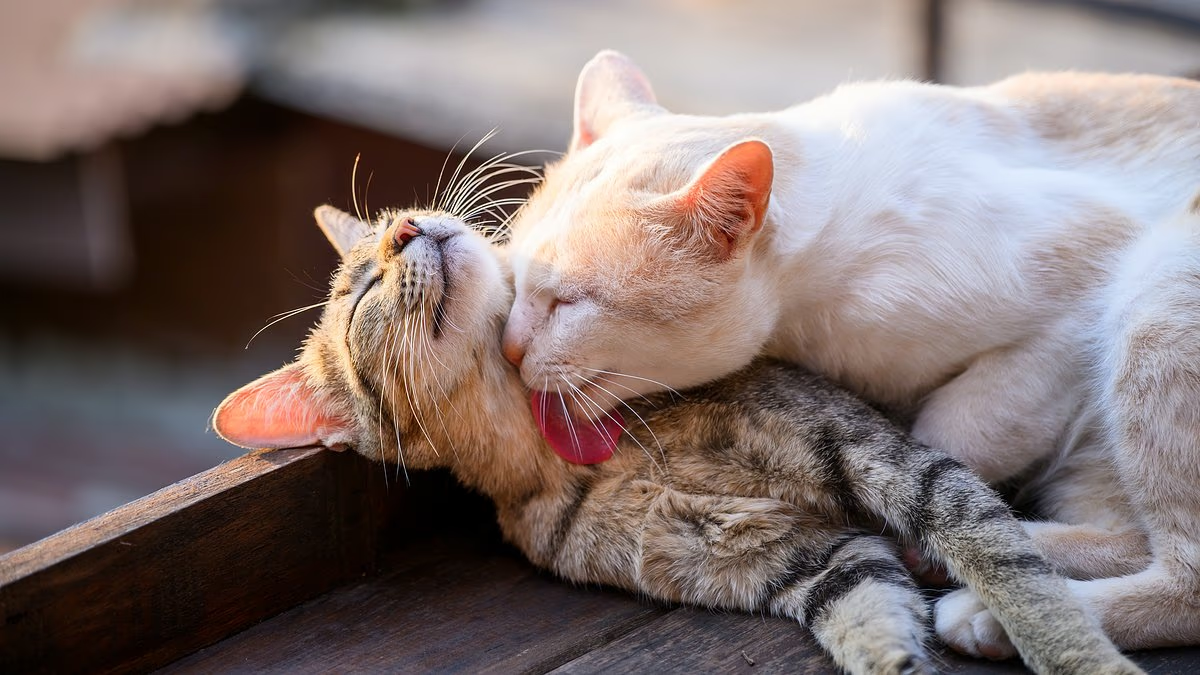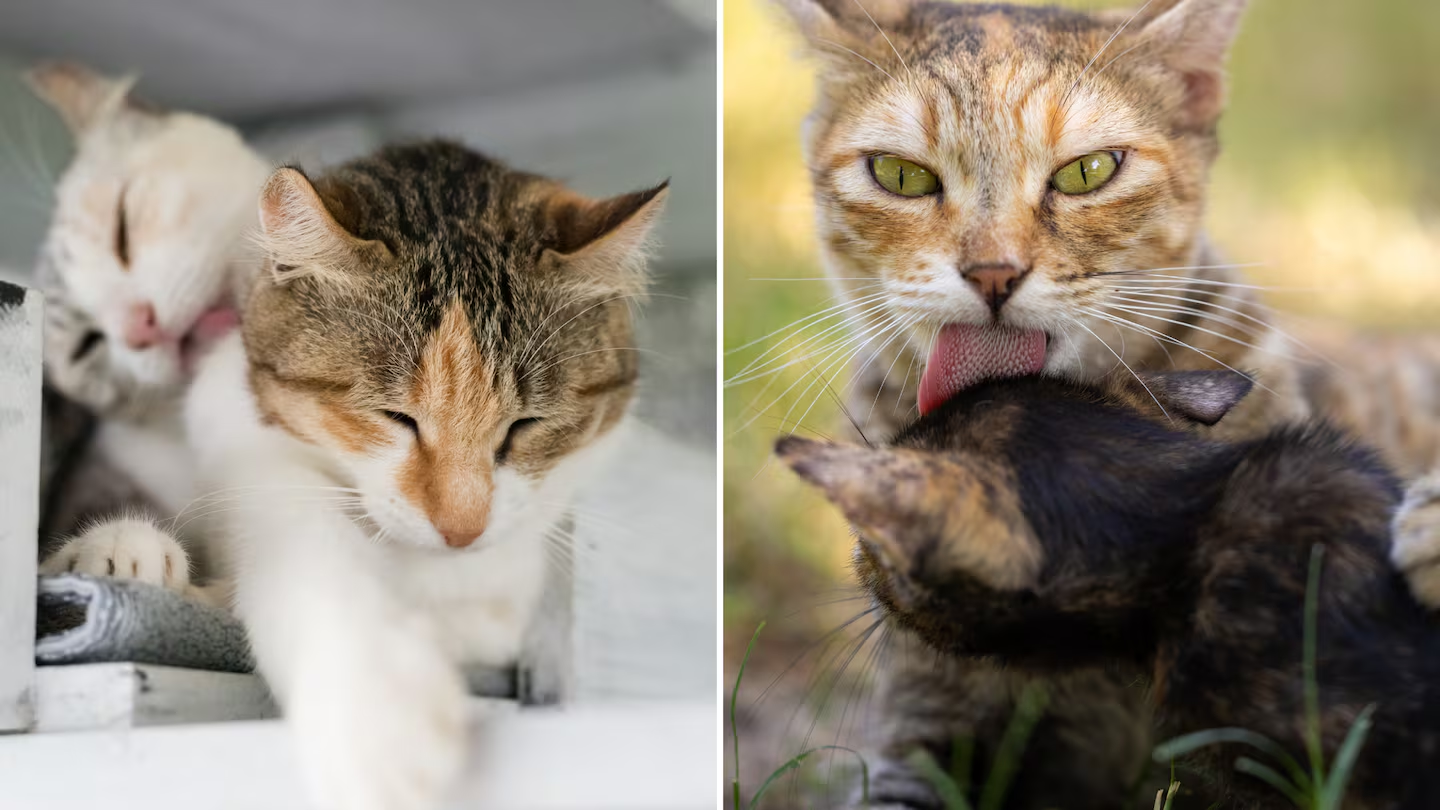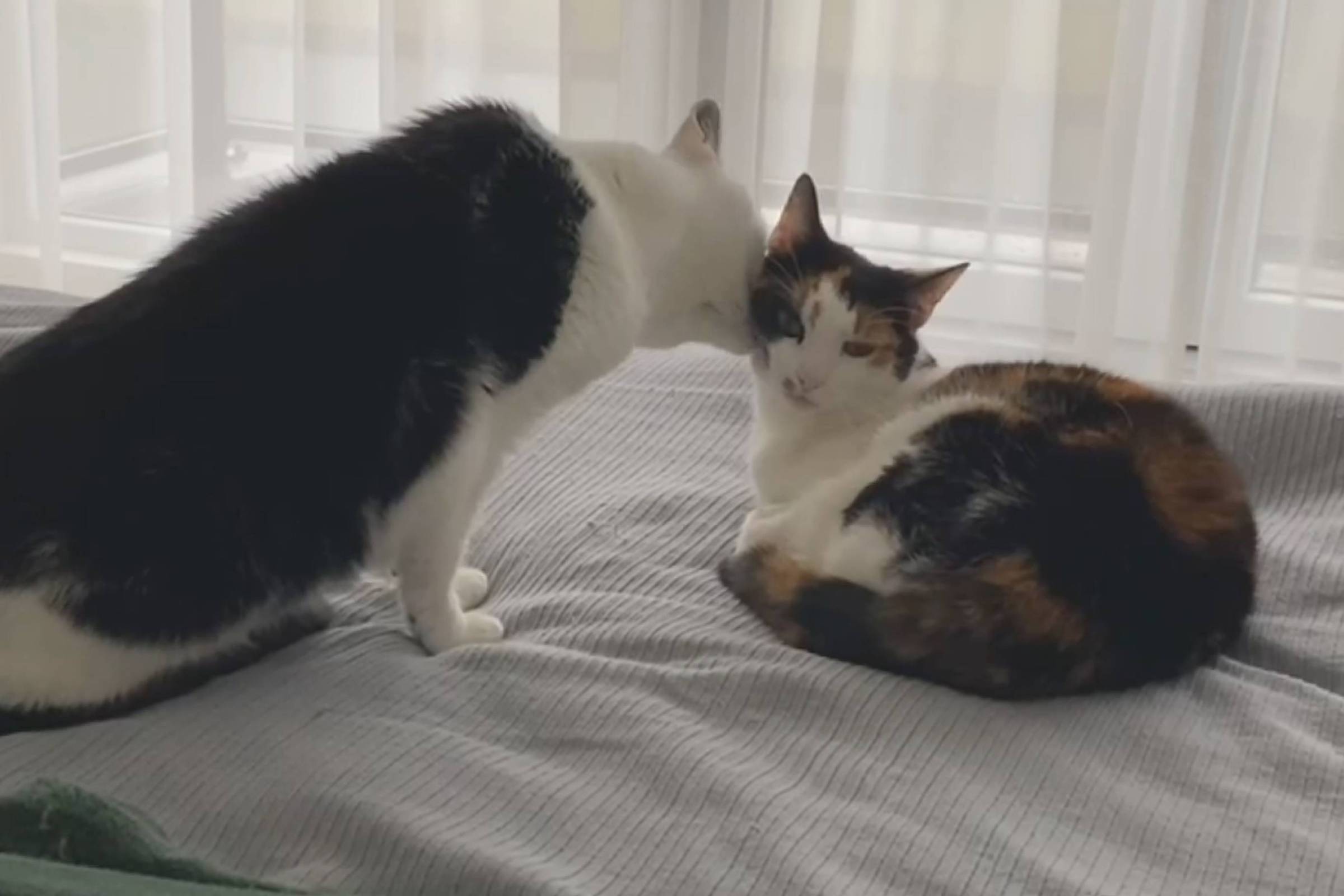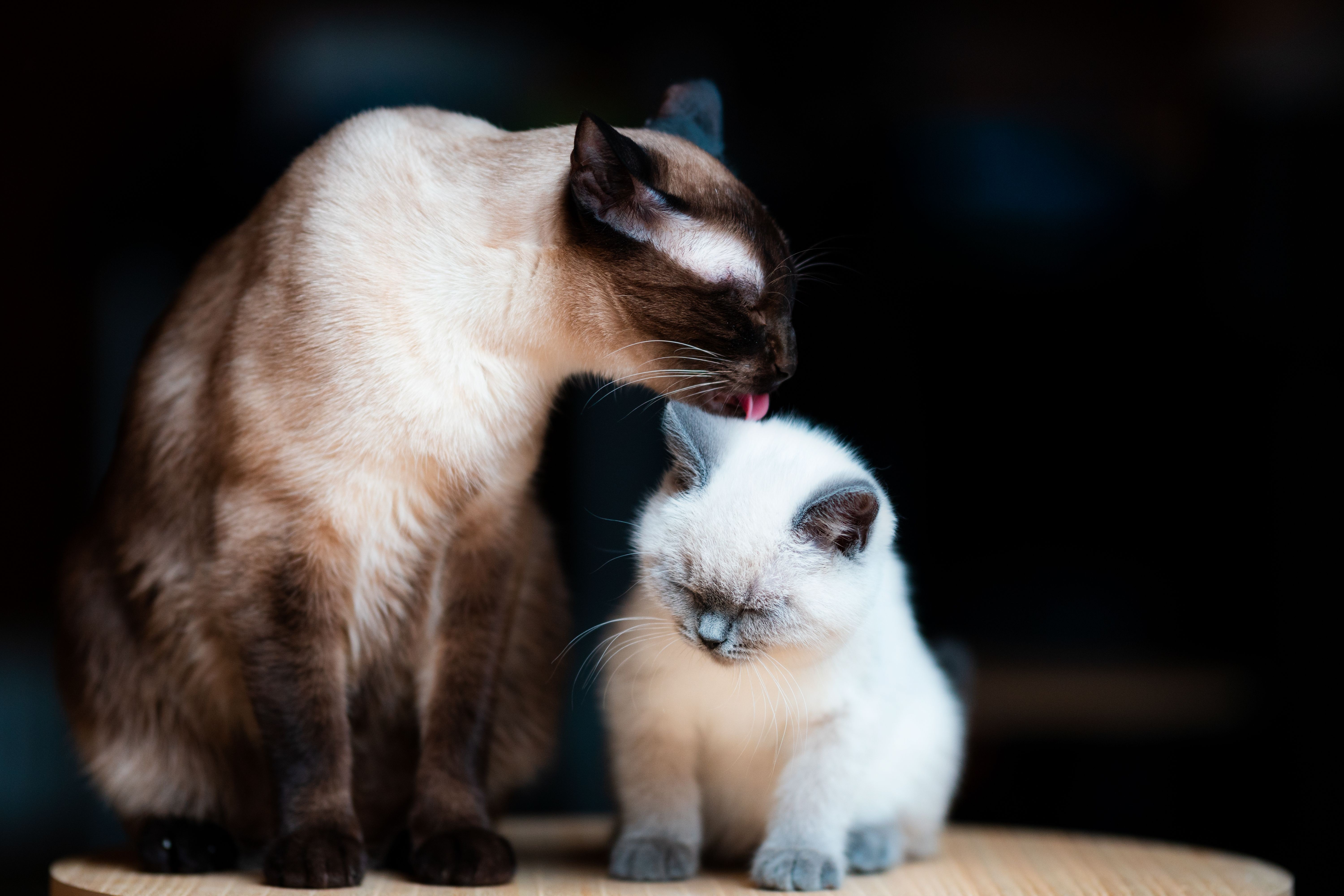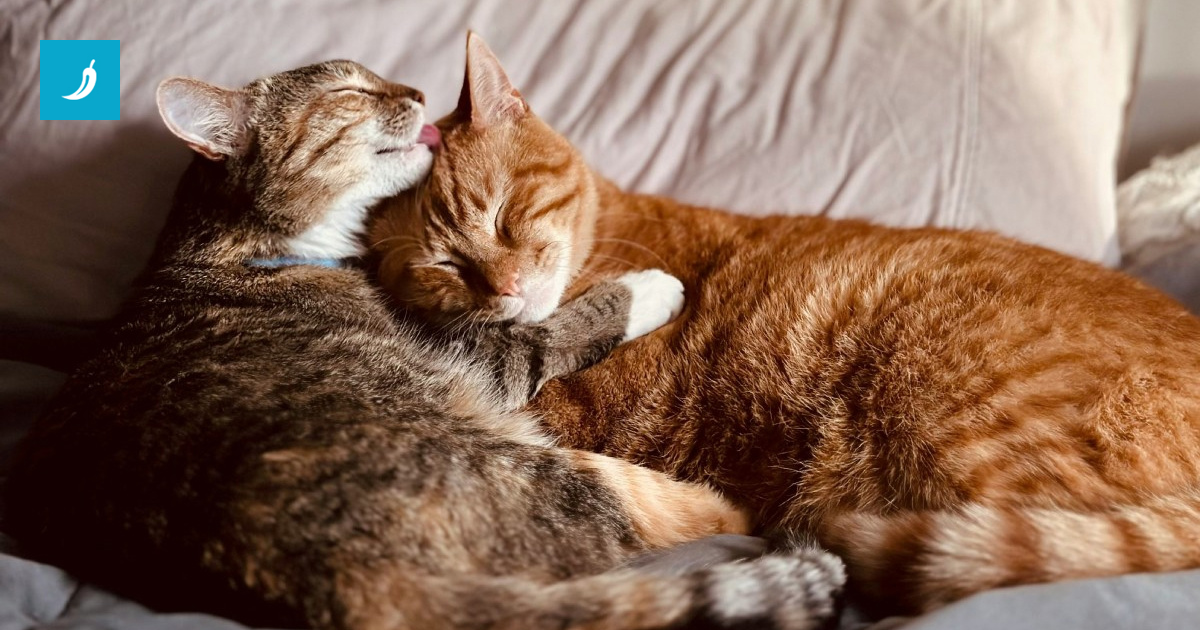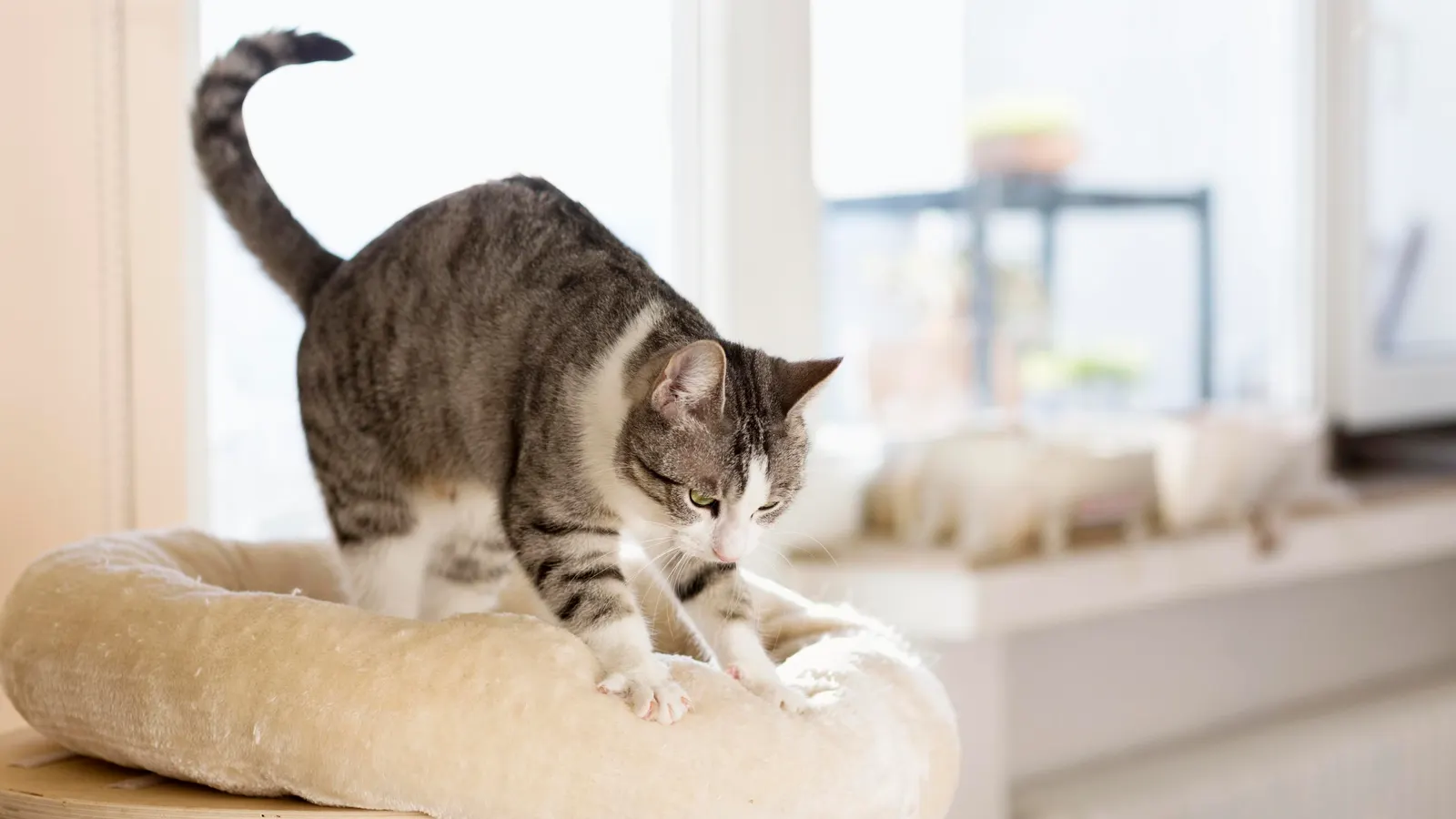
Jump to contentThank you for registeringPlease refresh the page or navigate to another page on the site to be automatically logged inPlease refresh your browser to be logged inAllNewsSportCultureLifestyleA new study suggests that cats licking each other, known as allogrooming, may not always be a sign of affection but can indicate malice or irritation. Conducted by Morgane Van Belle of Ghent University, the research analysed videos of 106 cats, observing their communication, postures, and ear and tail movements. Findings showed 20 per cent of allogrooming targeted ears, causing cats to rotate them backwards, a known sign of irritation or fear. The study indicated allogrooming often serves a practical cleaning purpose, particularly on hard-to-reach areas like the head and neck, and can be used to subtly bully other cats. Despite some instances of social bonding, the research, published in the Applied Animal Behaviour Science Journal, suggests cats use grooming as an intelligent, subtle method of conflict resolution. In fullThe sinister motivation behind cats licking each otherMore bulletinsThank you for registeringPlease refresh the page or navigate to another page on the site to be automatically logged inPlease refresh your browser to be logged in
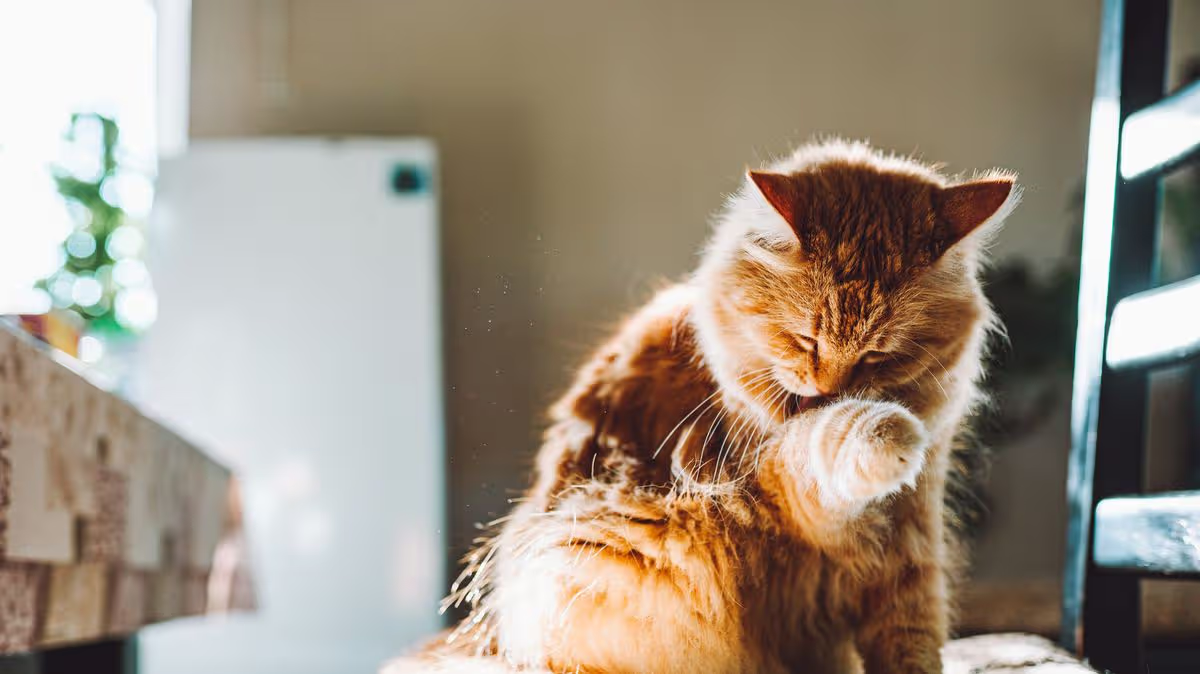
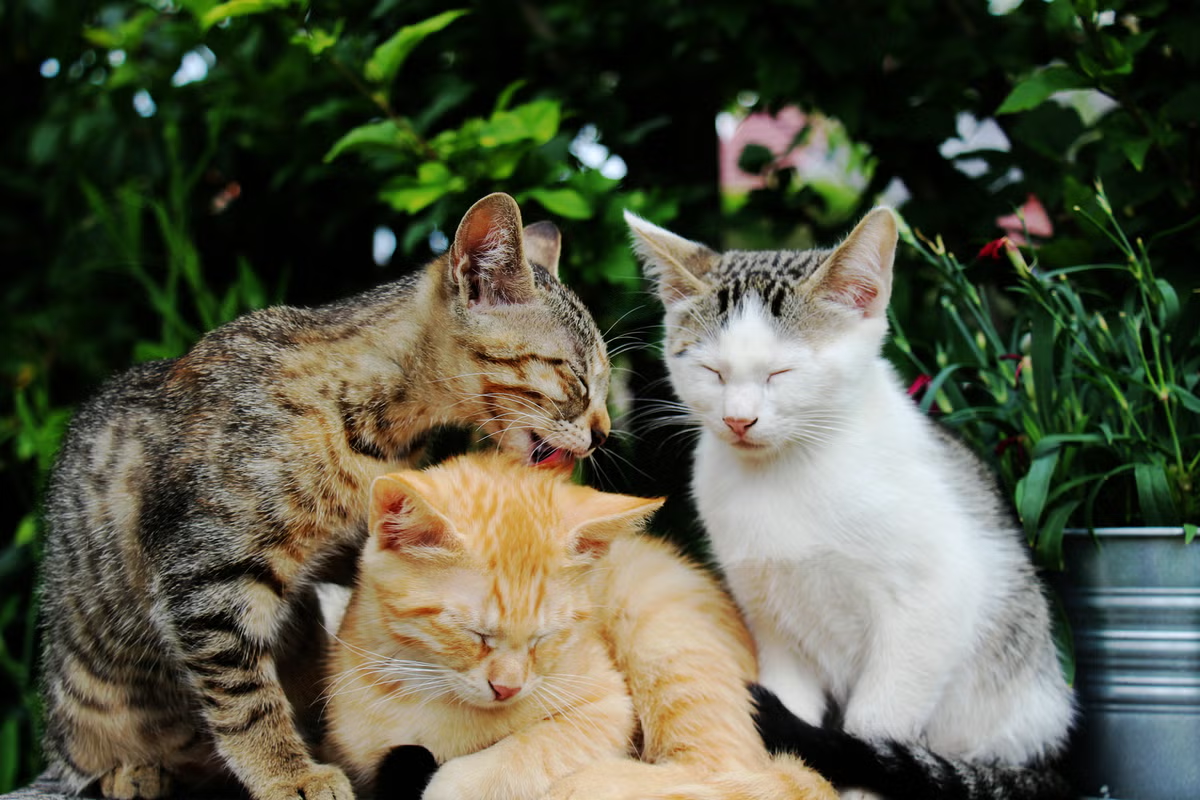
Cats licking each other may not be as friendly as first thought
Jump to contentThank you for registeringPlease refresh the page or navigate to another page on the site to be automatically logged inPlease refresh your browser to be logged inAllNewsSportCultureLifestyleA new study suggests that cats licking each other, known as allogrooming, may not always be a sign of affection but can indicate malice or irritation. Conducted by Morgane Van Belle of Ghent University, the research analysed videos of 106 cats, observing their communication, postures, and ear and tail movements. Findings showed 20 per cent of allogrooming targeted ears, causing cats to rotate them backwards, a known sign of irritation or fear. The study indicated allogrooming often serves a practical cleaning purpose, particularly on hard-to-reach areas like the head and neck, and can be used to subtly bully other cats. Despite some instances of social bonding, the research, published in the Applied Animal Behaviour Science Journal, suggests cats use grooming as an intelligent, subtle method of conflict resolution. In fullThe sinister motivation behind cats licking each otherMore bulletinsThank you for registeringPlease refresh the page or navigate to another page on the site to be automatically logged inPlease refresh your browser to be logged in