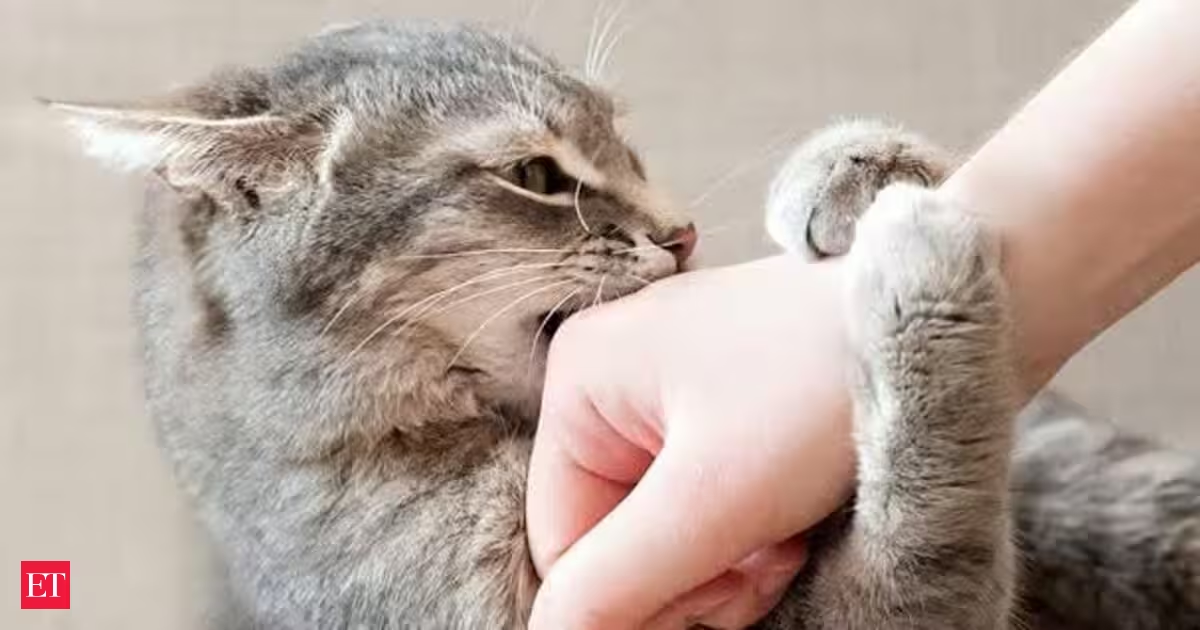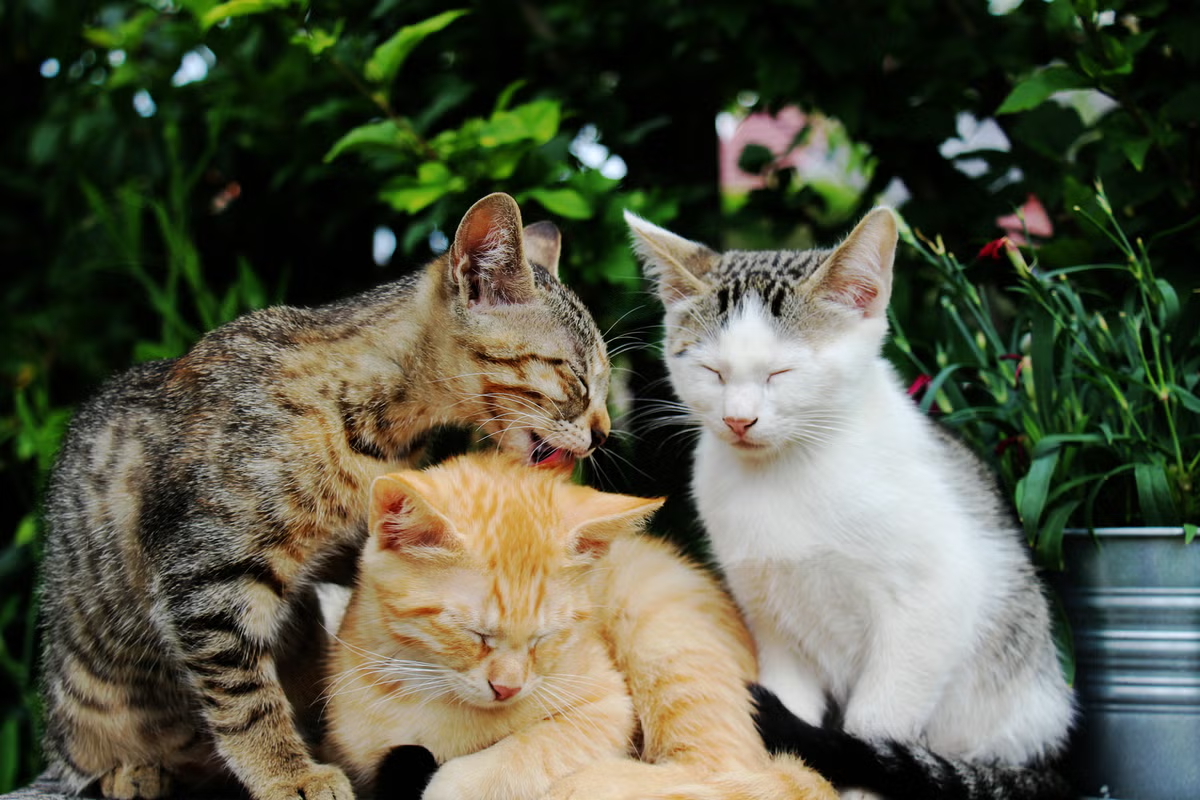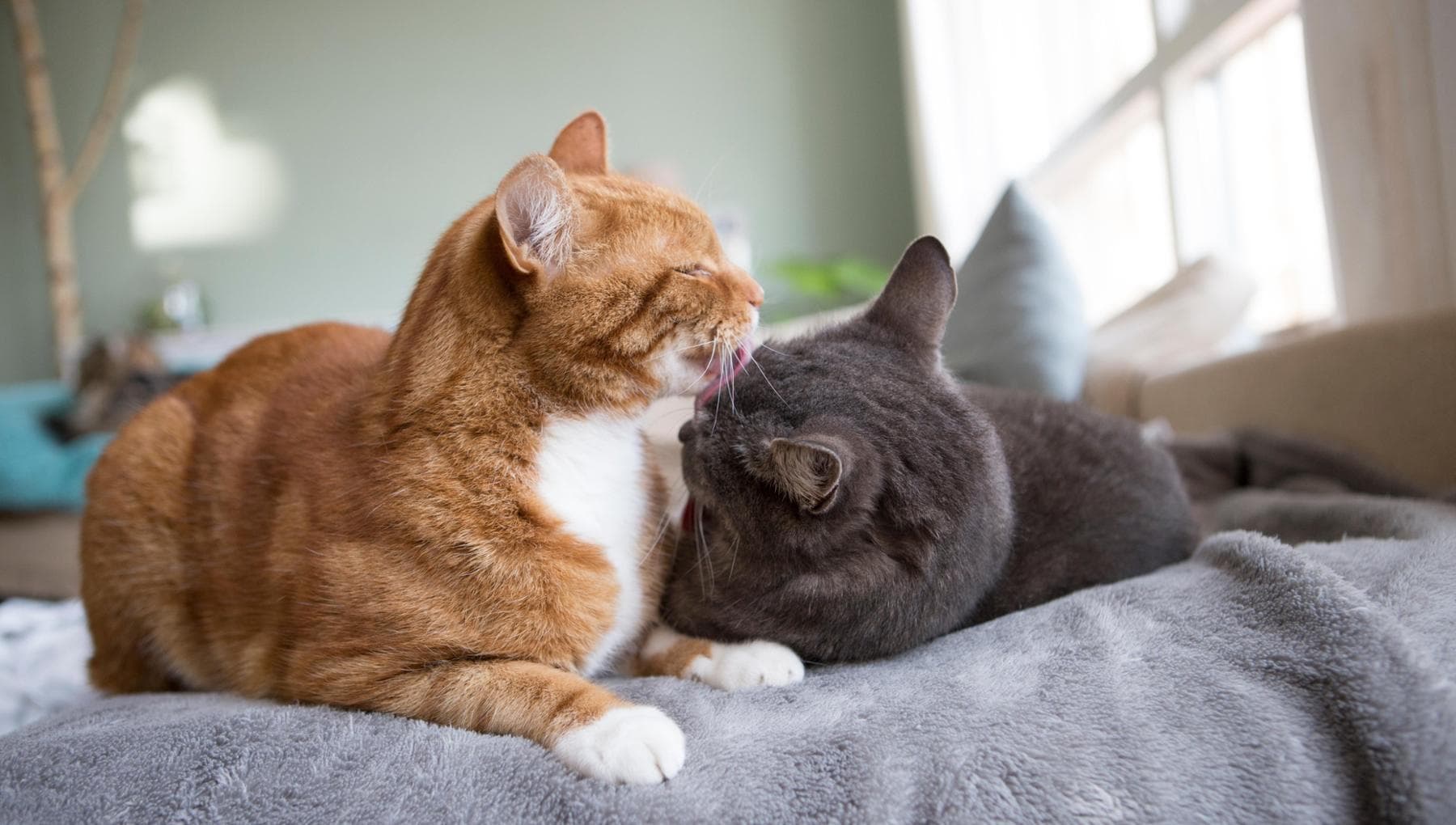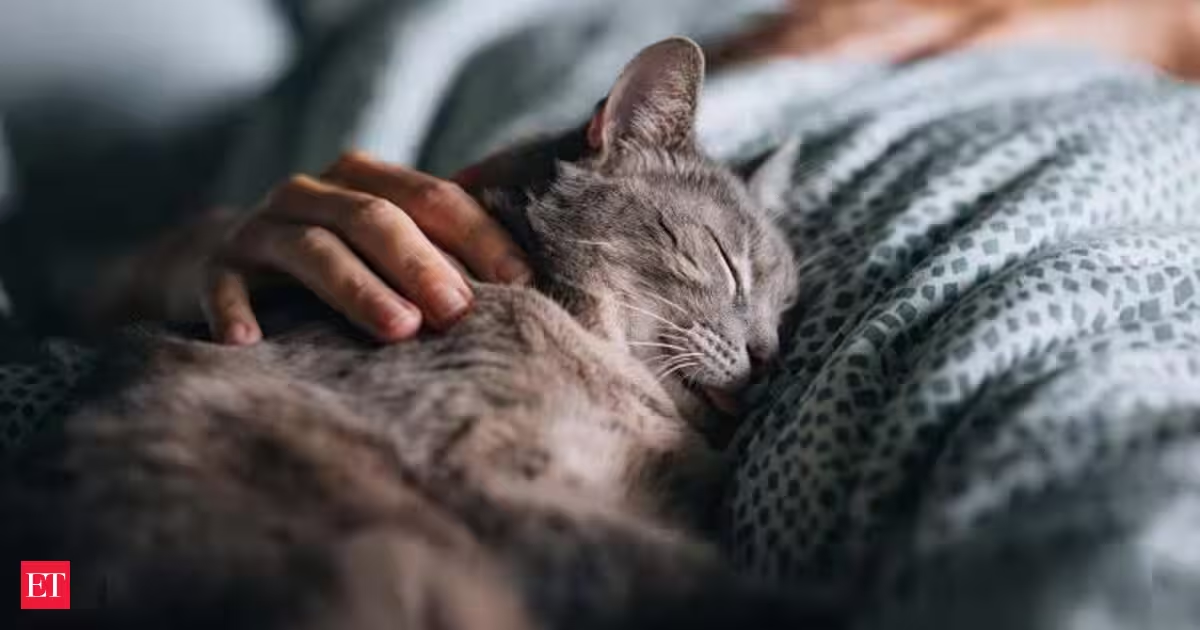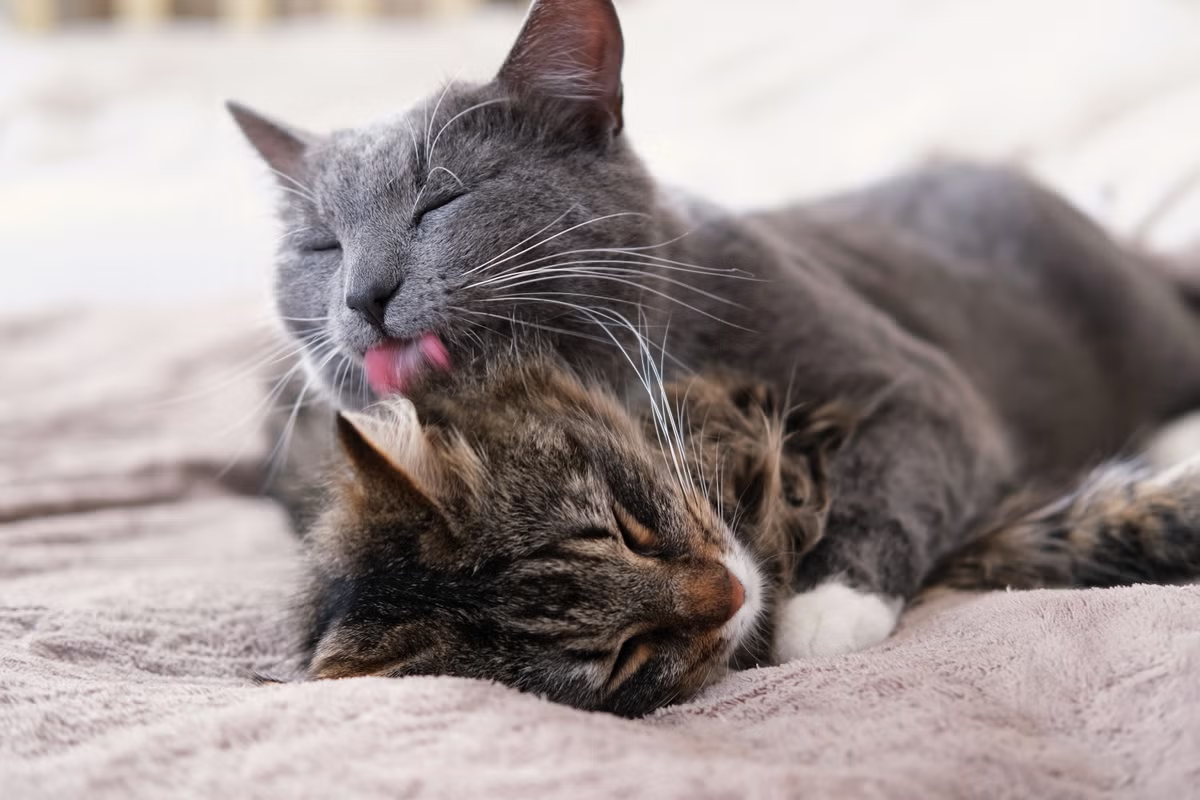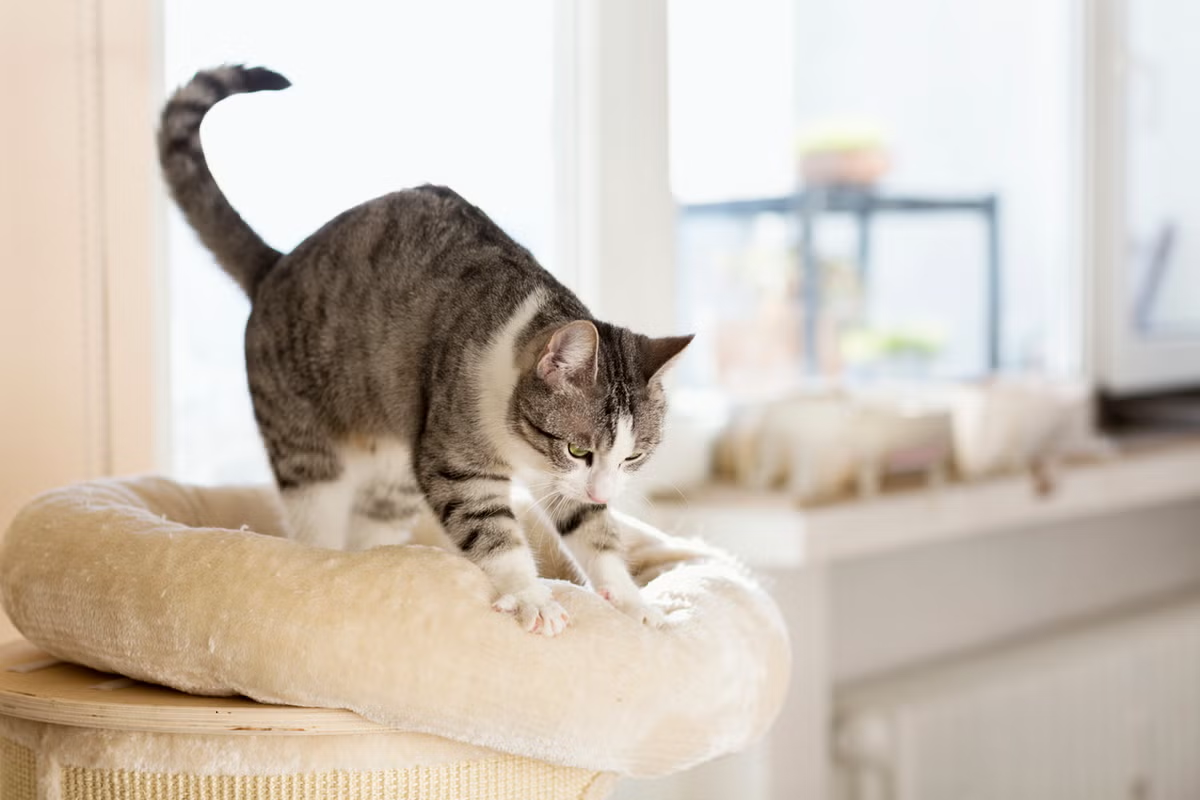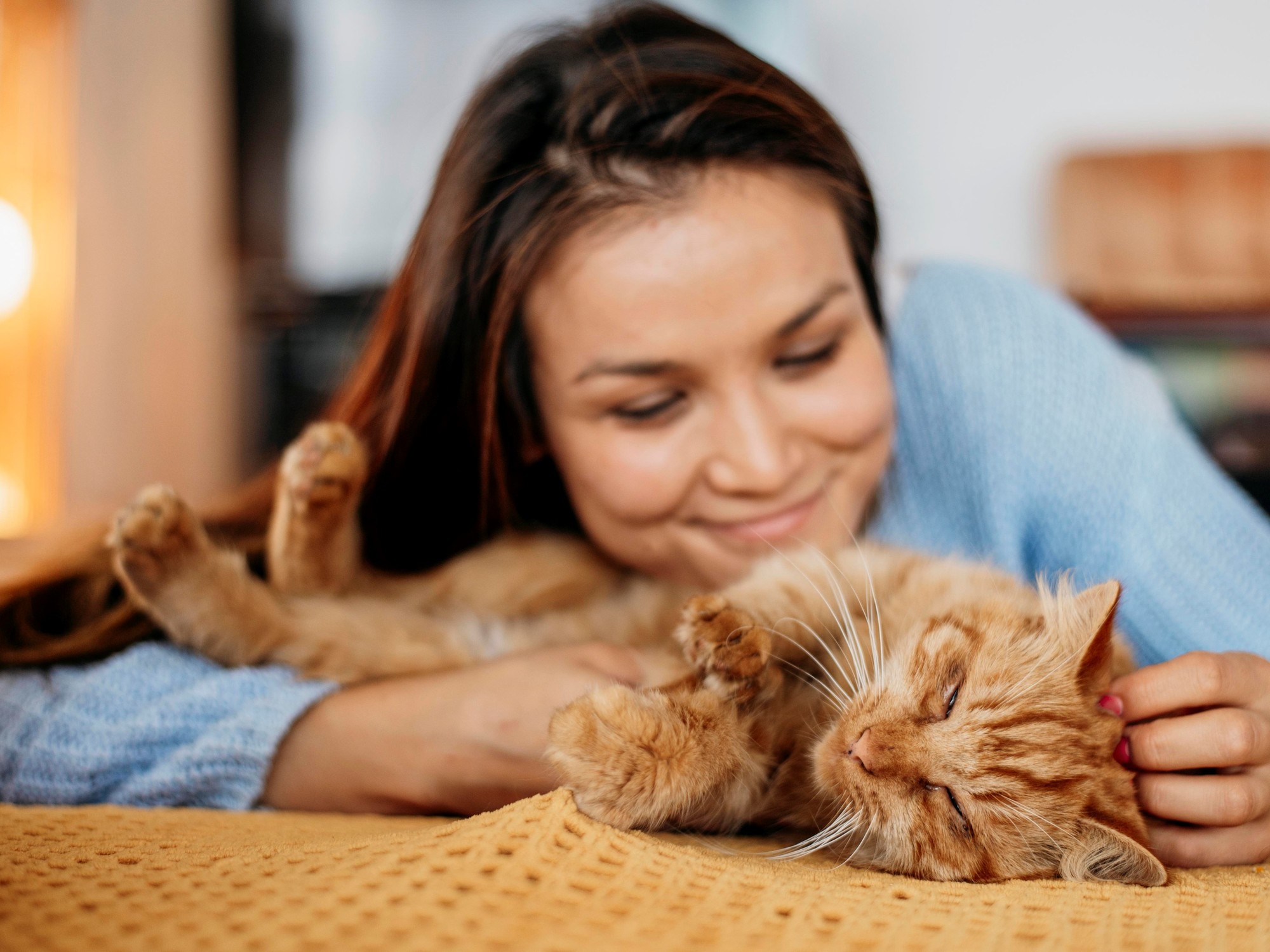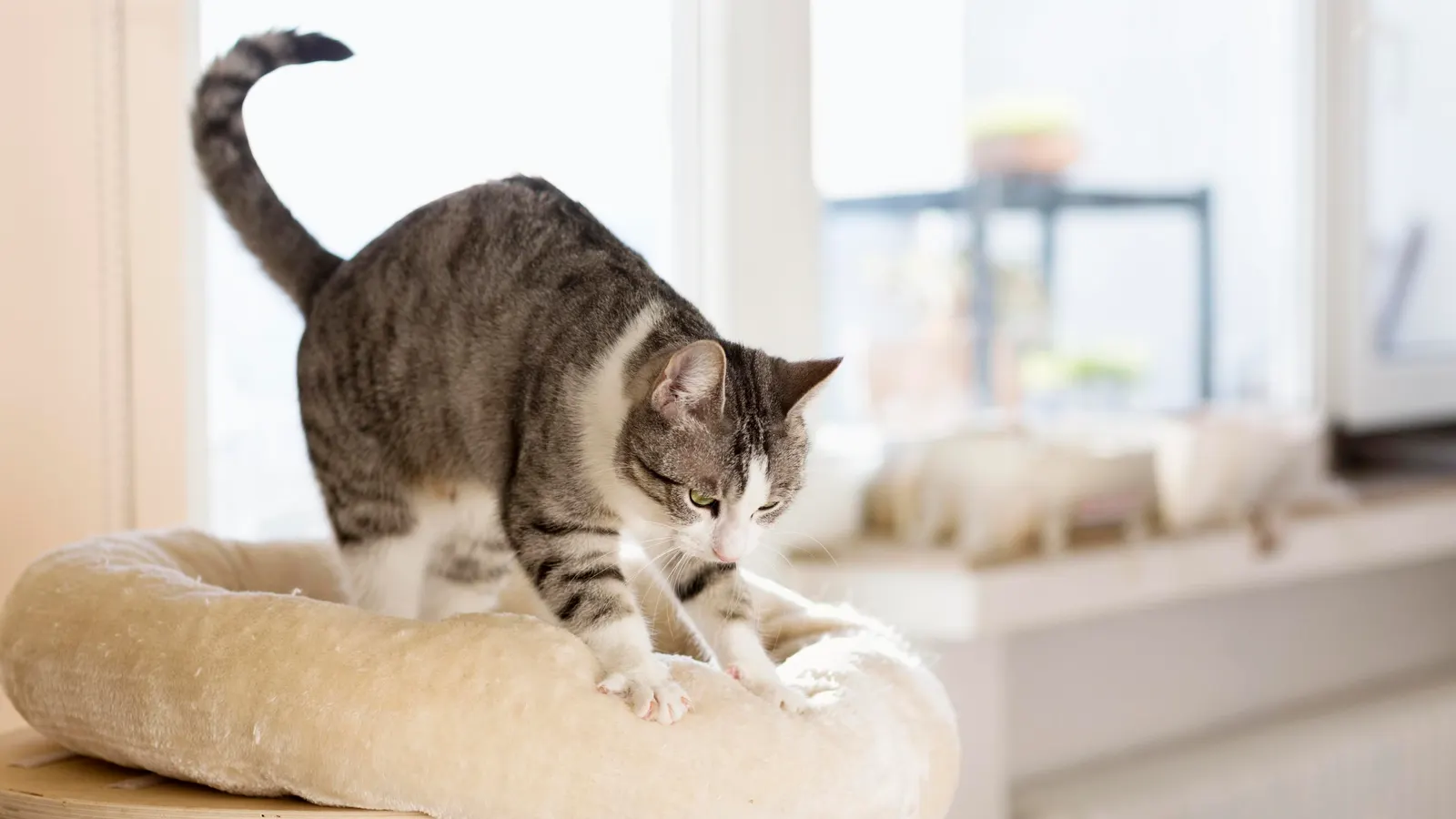
A behavior that begins as a feeding reflex in kittens somehow outlives its purpose in nearly every adult cat that keeps it.gettyKneading — the slow, alternating press of a cat’s front paws into a soft surface, often accompanied by purring and a half-closed gaze — is one of the more reliably reproducible behaviors in the domestic cat, and one of the more genuinely puzzling ones once you look at where it comes from. Cat owners have their own name for it: “making biscuits,” a nod to the way the paws work a blanket the way hands work dough. The nickname is affectionate, but it also flags exactly what’s strange about the behavior — an adult animal going through kneading motions for no apparent reason, the way a person might mime rolling out dough with nothing on the counter. In newborn kittens, kneading has a clear job: pressing rhythmically against the mother’s belly stimulates milk letdown during nursing, a reflex that appears within the first days of life and is tightly linked to a single developmental need. In nearly every mammal that exhibits a nursing-specific reflex like this, the behavior fades out once that need disappears. Weaning ends the motivation, and the motor pattern goes with it. In the domestic cat, it often doesn’t. Adult cats that haven’t nursed in over a decade will still knead blankets, laps and each other, with no milk anywhere in the picture. Explaining why that reflex persists, long after its original function has expired, turns out to say less about kneading itself and more about what several thousand years of living alongside humans has done to the species.A Juvenile Cat Trait That Never Got Edited OutThe framework biologists reach for here is neoteny, or the retention of juvenile traits into adulthood, a pattern that shows up throughout the animal kingdom and is usually treated as a byproduct of selection acting on something else entirely. MORE FOR YOUNeoteny doesn’t require that a trait be useful in its retained form; it only requires that whatever process is shaping the animal not bother to remove it. In domestic cats, kneading is one of several kitten behaviors, including high-pitched, kitten-style meowing directed at humans, a tendency to suckle on soft fabric and even prolonged play into adulthood, that have persisted well past the developmental window in which they first appeared.The reason so many of these juvenile traits cluster together in domestic cats has to do with what domestication actually selects for. Wild felids are selected, generation after generation, for traits that make a solitary predator effective: wariness, self-sufficiency, rapid maturation out of the vulnerable kitten stage. Domestic cats have spent thousands of years under a very different pressure, which is the tolerance of, and comfort around, humans. That pressure appears to drag a cluster of juvenile-associated traits along with it, largely as a side effect rather than a direct target. The clearest demonstration of this pattern in any species comes not from cats but from a decades-long Soviet-era breeding program that selected foxes purely for calmness around people; within a few generations, those foxes began showing floppier ears, curlier tails and more juvenile play behavior, none of which had been selected for directly. A 2018 study published in Evolution: Education and Outreach traces the full six-decade experiment. Domestic cats, compared with their wild ancestors, appear to show a milder version of the same drift toward retained kitten-like traits, and kneading is very plausibly one of them.Why One Explanation Isn't Quite Enough For Cats Making ‘Biscuits’That account is well supported, but biologists who study cat behavior are generally reluctant to treat it as the whole story, because kneading doesn’t behave like a simple leftover reflex, it also behaves like a trait that has been repurposed. Kneading in adult cats is almost always paired with signs of a specific physiological state: slow blinking, purring and a loosening of posture, the same suite of signals linked in cats and their owners to oxytocin release. This is the hormone tied the closest to bonding and stress reduction more broadly. That pairing has led some researchers to argue that kneading persists less because it is a literal echo of nursing and more because, at some point, it became linked to a self-soothing response. Much like the way a habit formed in early childhood can remain calming for a person decades after its original context is gone.A separate, less sentimental piece of the puzzle involves the cat’s paws themselves, which carry scent glands between the toes. Cats already use those glands deliberately, pressing and scratching surfaces to leave a chemical signature marking territory — a behavior documented directly in a 1994 study published in the Canadian Journal of Zoology, which tracked semi-feral cats scent-marking through scratching in the field. Kneading presses the same glands into the same kind of surface, which raises the possibility that an adult cat working its paws into a lap is not purely regressing to kittenhood but also, in part, scent-marking a person it considers its own.There’s also a developmental clue worth taking seriously, though it applies most clearly to a cousin behavior rather than to kneading itself: kittens weaned earlier than the natural schedule are measurably more likely to carry non-nutritive sucking habits, like wool-sucking, into adulthood — a link documented in a 2017 study published in Scientific Reports, which surveyed thousands of cats and tied early weaning to stereotyped behaviors. Evidence tying kneading specifically to weaning age is thinner, but the wool-sucking findings support the same underlying idea: an unresolved infant behavior can persist as comfort-seeking well into adulthood, even once its original purpose is long gone.None of these explanations rules out the others, and that is arguably the more accurate picture: a behavior that began as a single-purpose feeding reflex, got carried into adulthood by the broader neotenizing effects of domestication and then picked up secondary roles in comfort and communication along the way. Multi-purpose survivals like this are common in evolutionary biology, precisely because a trait that’s cheap to keep doesn’t need one clean justification to persist.What kneading ultimately illustrates isn’t really about cats’ paws at all. It’s a small, visible marker of how thoroughly domestication can reshape a species, keeping animals, in certain respects, partway in infancy even as fully grown adults.Think your cat’s kneading means it’s quietly claimed you as its own? Find out how deep that bond really runs with this science-backed test: Pet Owner Connectedness Scale
Why Does Your Cat Knead You With Its Paws? A Biologist Explains The ‘Biscuits’ Instinct
Cat kneading, or making biscuits, starts as a nursing reflex in kittens — a biologist explains why it lingers for life, and the surprising science behind it.
1,073 words~5 min read