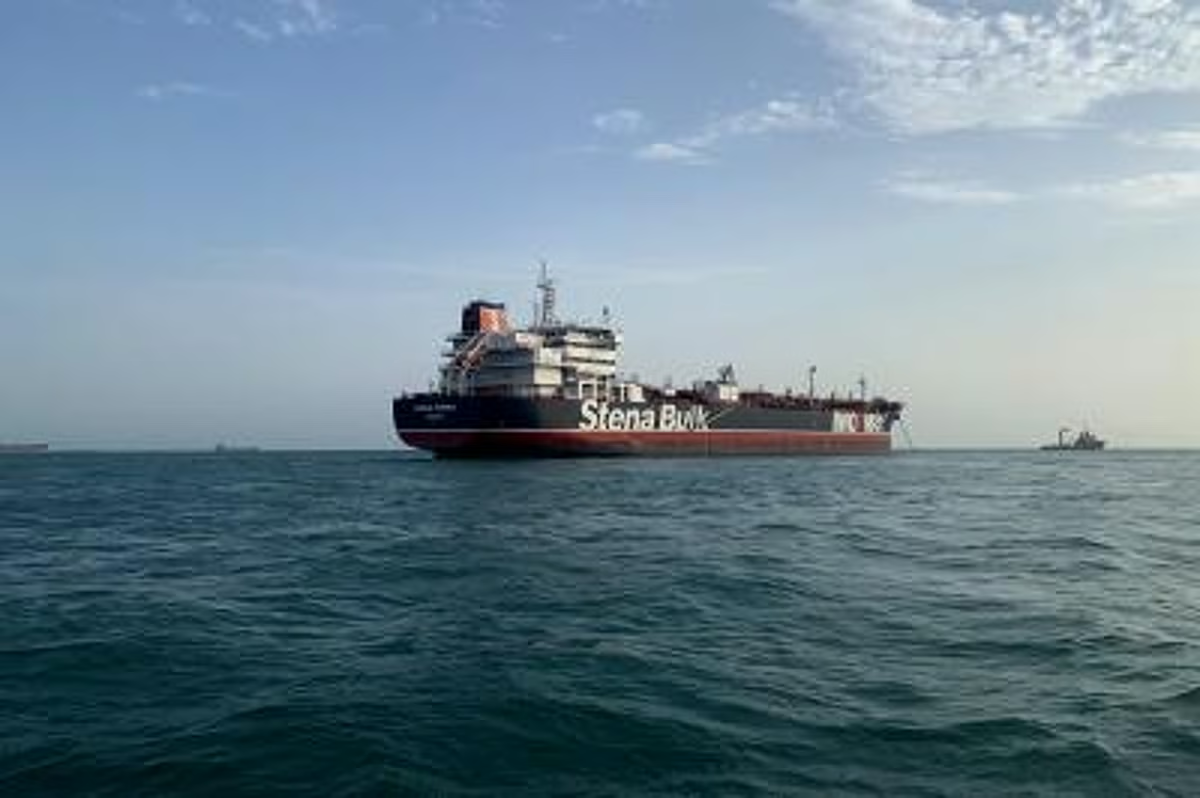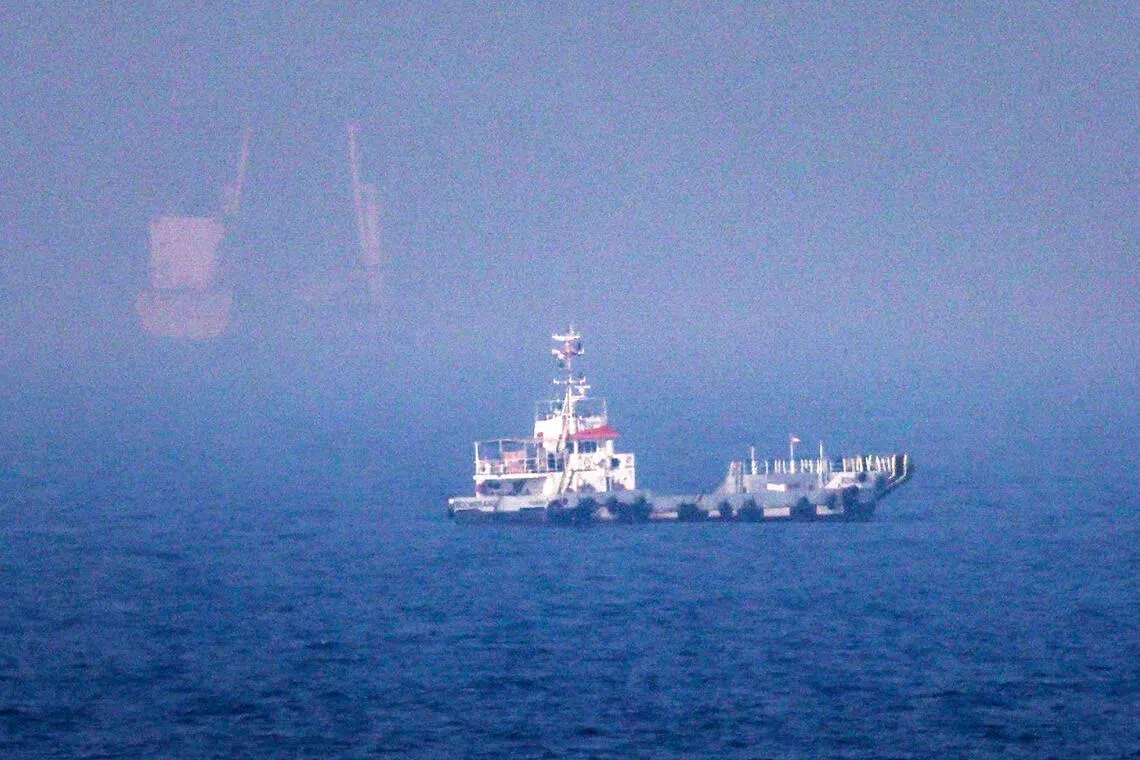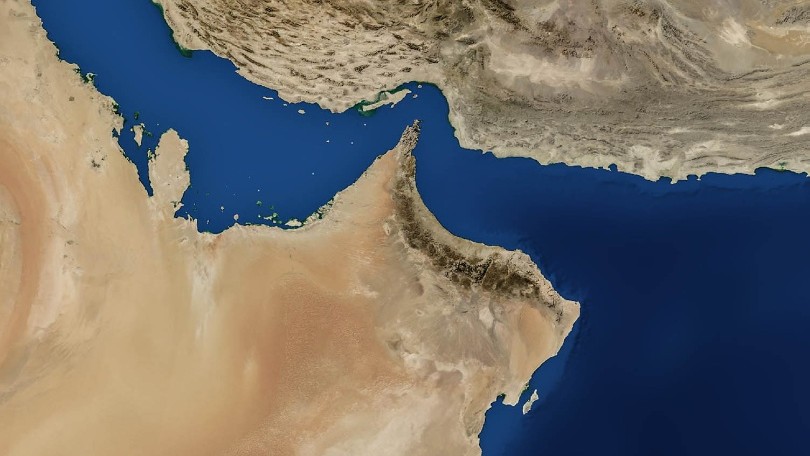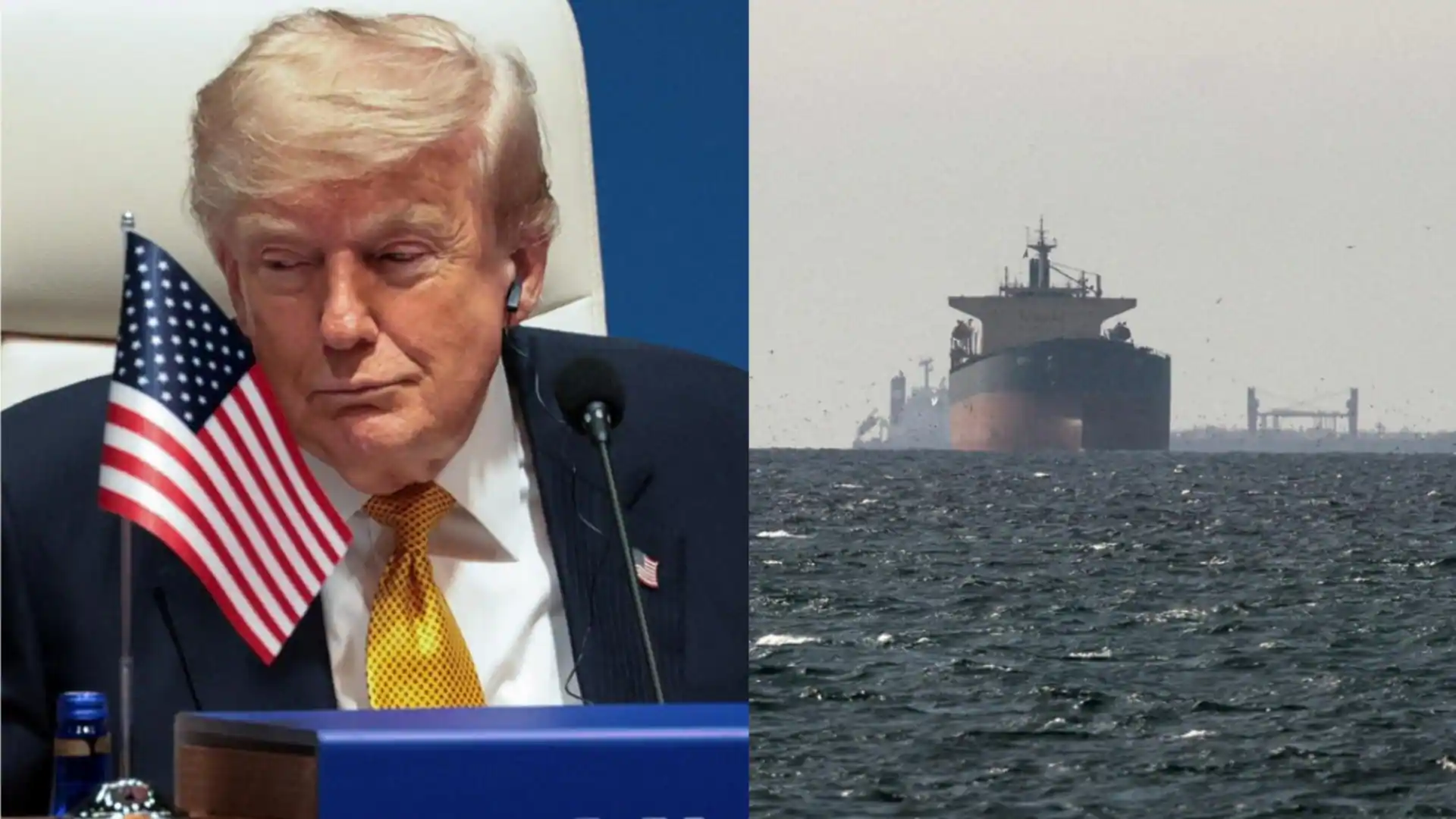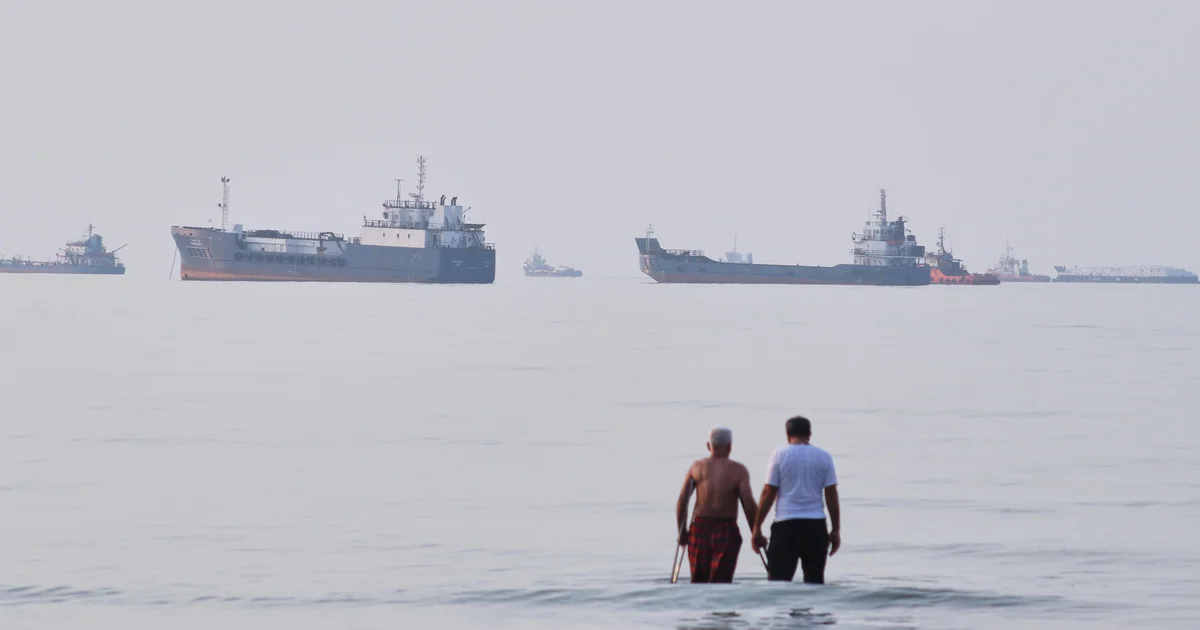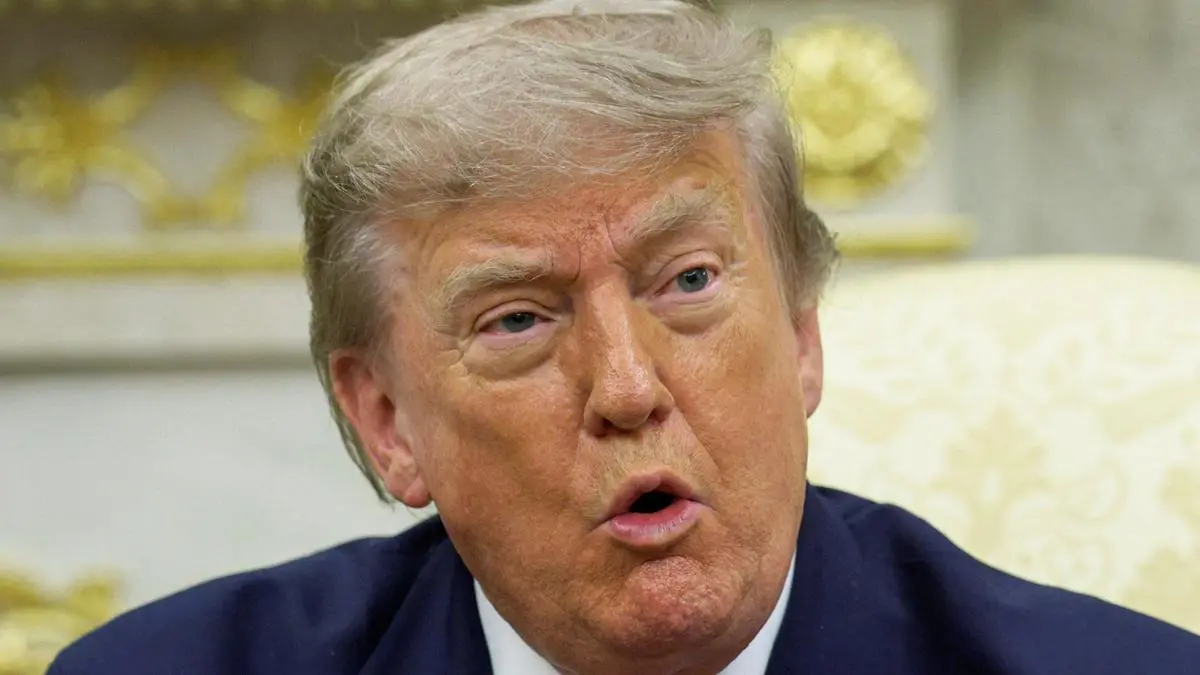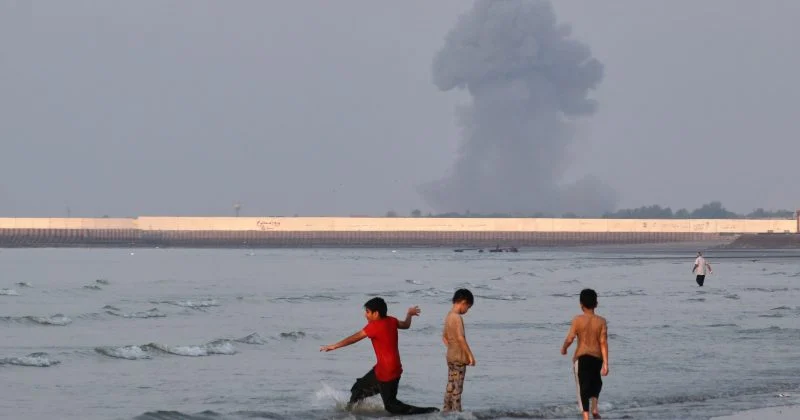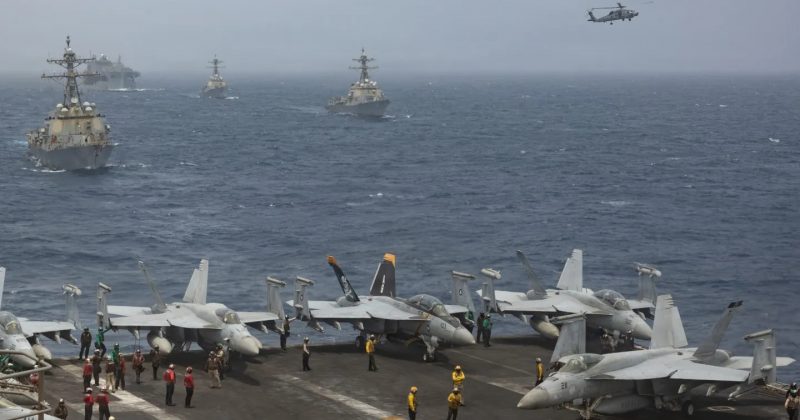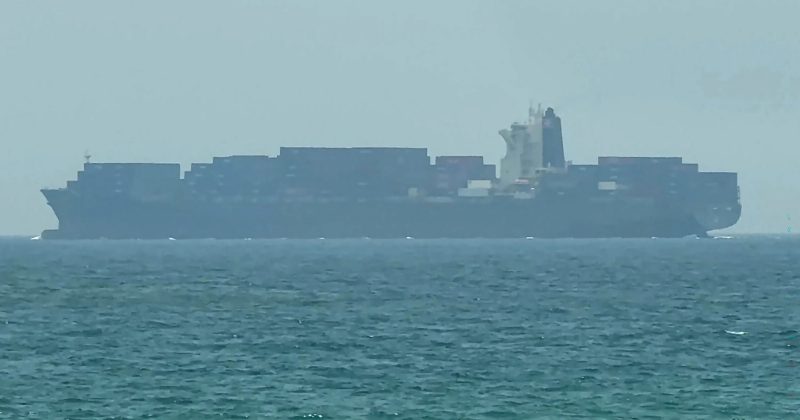
President Donald Trump announced on July 13 that the US will impose a 20% fee on the value of all cargo passing through the Strait of Hormuz, framing it as compensation for the military resources America deploys to keep the waterway open. The Strait handles roughly 20% of the world’s seaborne oil trade, making this effectively a tax on a fifth of the planet’s energy supply chain.
Oil markets reacted immediately. Brent crude jumped above $86 per barrel, its highest level in a month, as traders priced in the possibility that a significant chunk of global shipping could reroute or slow down.
What the toll actually means
Trump positioned the US as the “guardian” of this passage, arguing the fee would offset the cost of maintaining a naval presence in the region. The announcement came alongside a reinstated blockade on Iranian ships, though vessels from other nations are still allowed to transit freely.
Shipping industry executives have already warned that the toll could meaningfully reduce transit volumes. If shippers reroute around the Cape of Good Hope to avoid the fee, transit times for oil deliveries to Europe and Asia would increase by roughly two weeks.