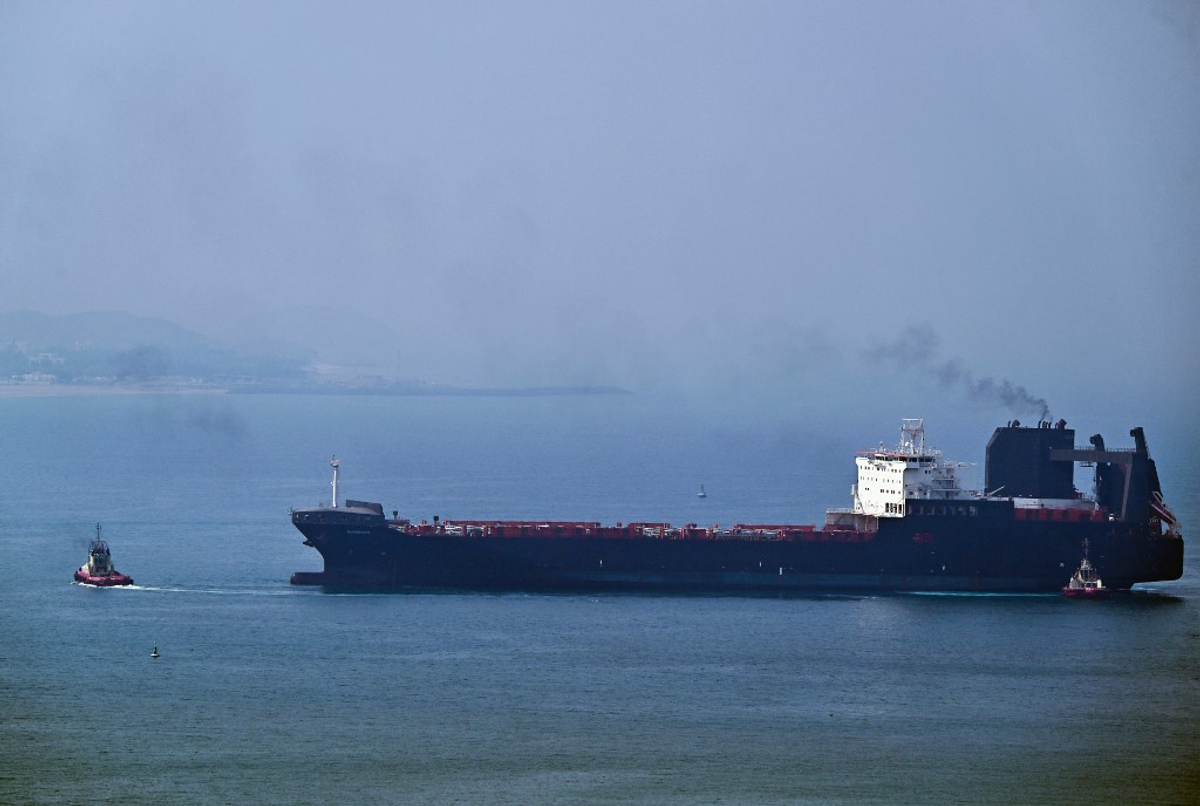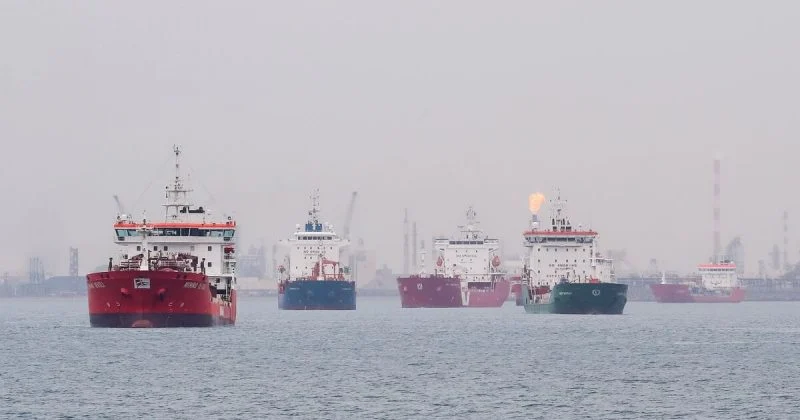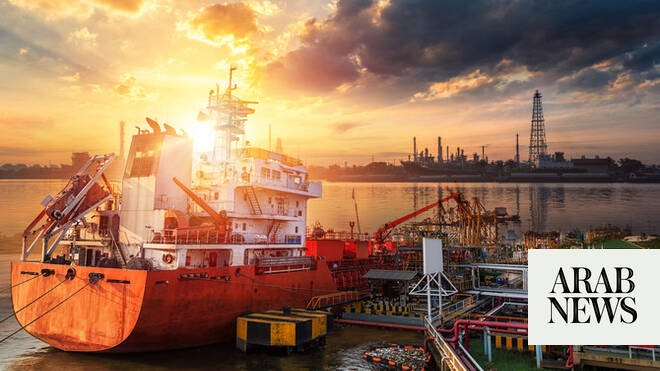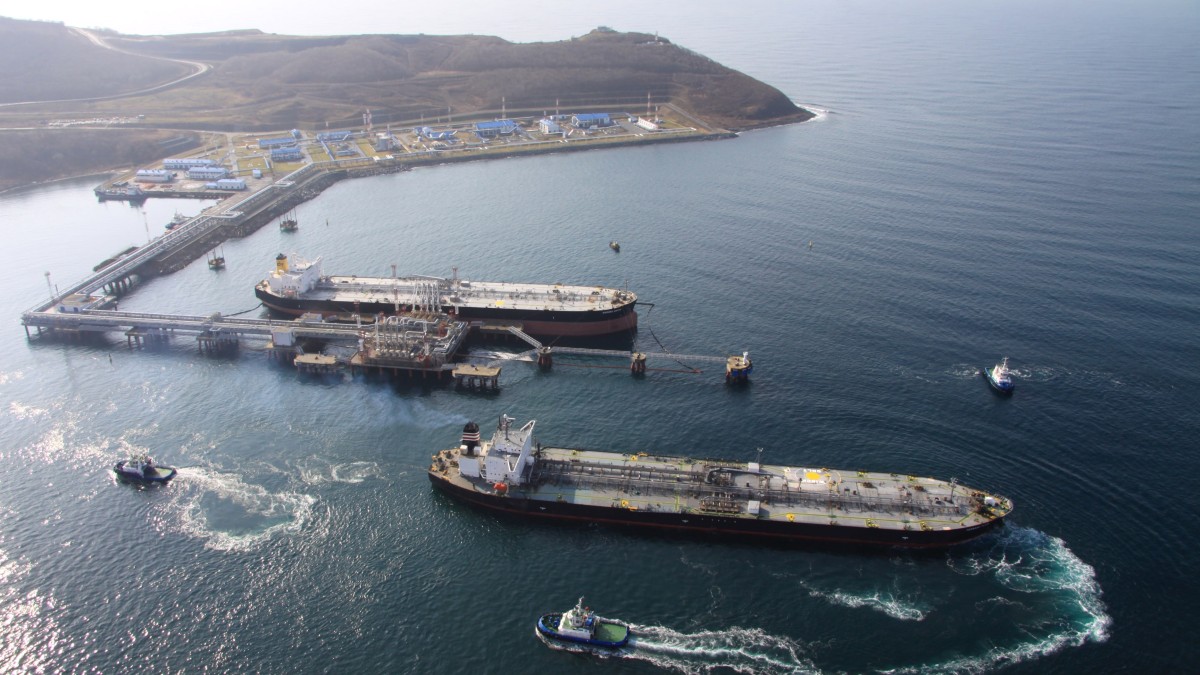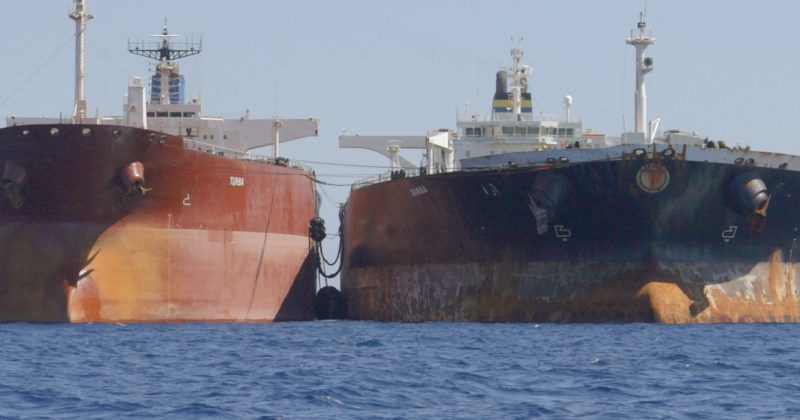
Russia has a parking problem. Not cars, but oil tankers. At least 12 vessels loaded with Urals crude are currently anchored off the coast of Oman, some sitting there since mid-December 2025, waiting for buyers who aren’t exactly rushing to pick up the phone.
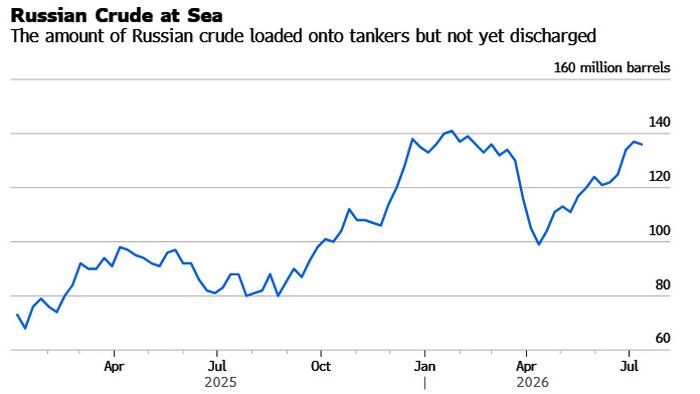
For the four weeks ending January 11, Russian crude exports clocked in at 3.42 million barrels per day. The resulting floating inventory buildup has hit early-2026 highs, creating a bottleneck that’s squeezing Moscow’s energy revenues at a time it can least afford it.
The floating parking lot
In December 2025, Russian seaborne inventories surged by 48% to approximately 185 million barrels. The fact that early January 2026 data shows the problem persisting, and potentially worsening, tells a clear story: Moscow’s traditional buyer base is pulling back, at least temporarily.
India, which had become one of Russia’s most important crude customers since Western sanctions reshaped trade flows in 2022, has slowed its offtake. Meanwhile, shipments bound for China face extended voyage times that compound the logistical gridlock.