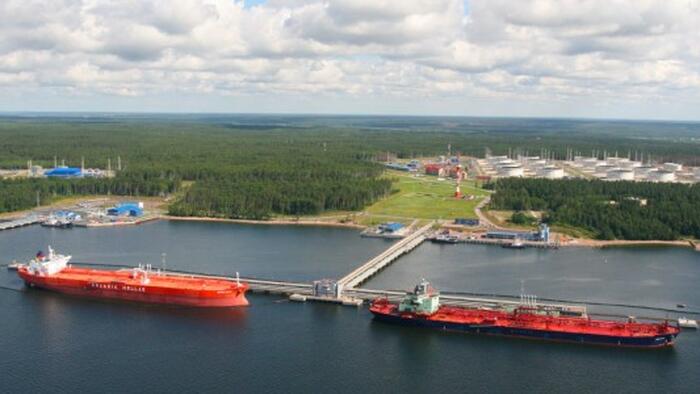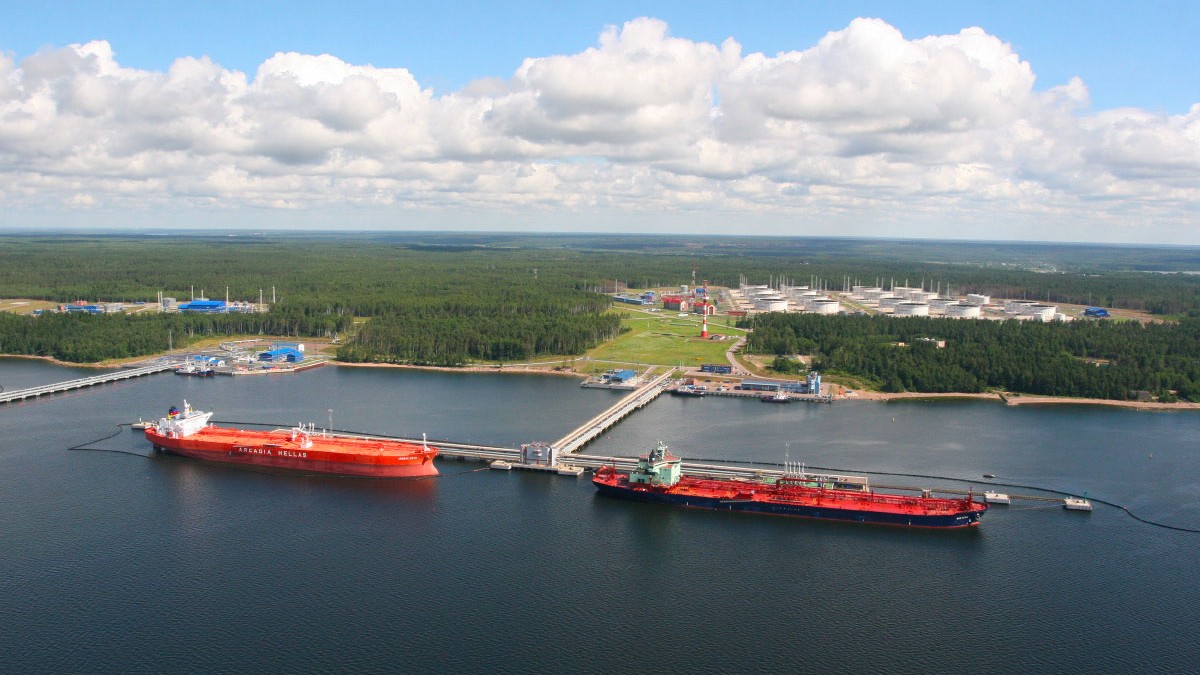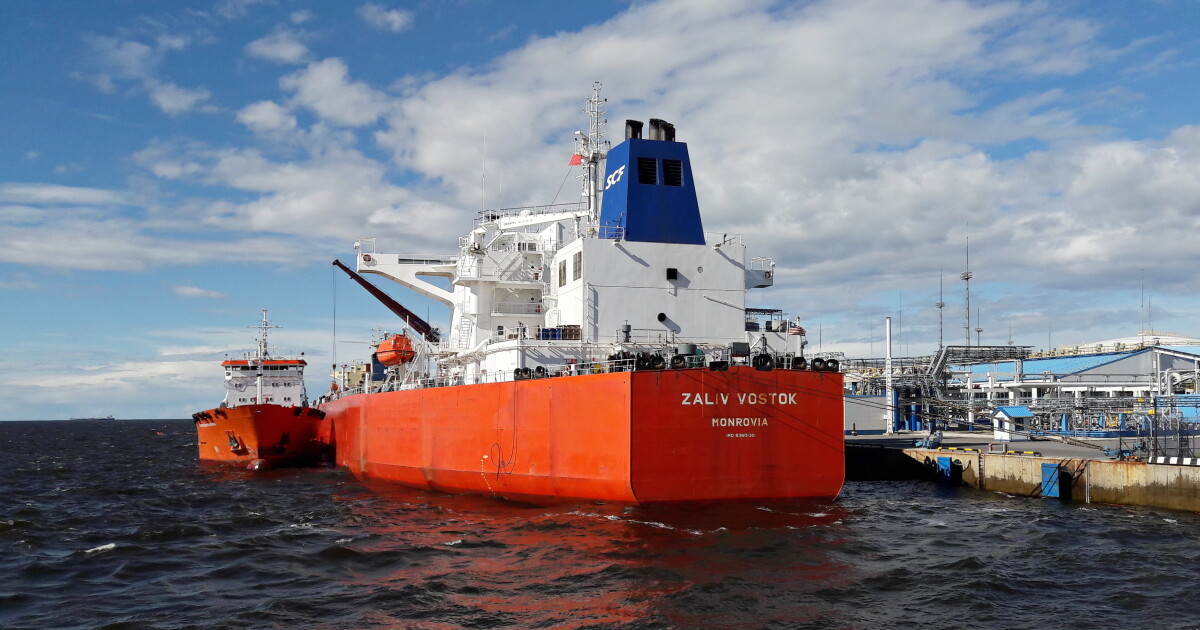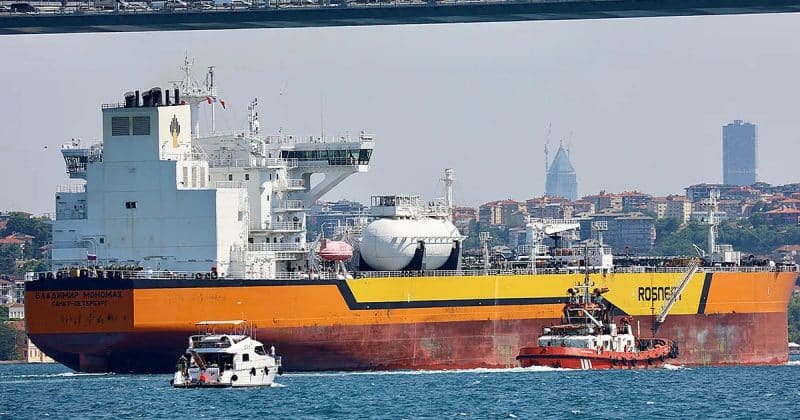
Russia is pumping more crude onto global waters than at any point since its full-scale invasion of Ukraine began in 2022. Seaborne exports hit 4.22 million barrels per day as of July 5, according to Bloomberg tanker-tracking data, a wartime record that sounds impressive until you look at the price tag.
Urals crude, Russia’s benchmark blend, is trading near $42 per barrel. That’s left weekly gross export revenue at roughly $1.9 billion, the lowest figure since March 2026.
Why Russia is flooding the market with crude
Ukrainian drone strikes have systematically targeted Russian refining capacity over the past year, degrading the country’s ability to process crude domestically. Refined product exports dropped roughly 15% in June 2026 as a direct result of those refinery disruptions. When you can’t refine oil at home, you ship the raw stuff abroad instead.
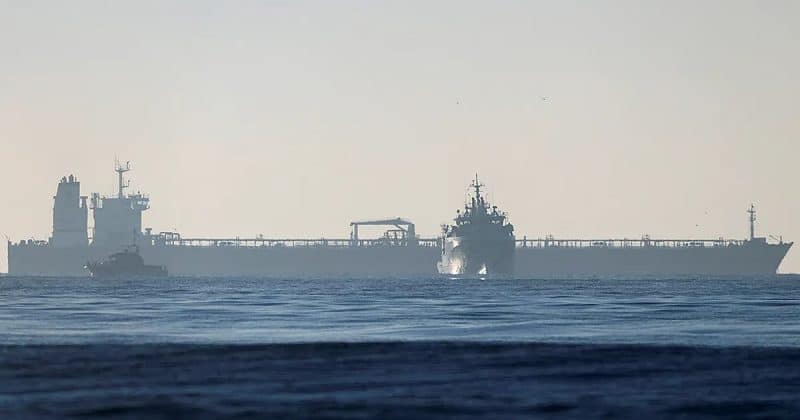
Western port exports of Russian oil approached 3 million barrels per day in June, and July volumes appear on track to match. The shift toward seaborne shipments over traditional pipeline routes has been accelerating since Western sanctions reshaped Russia’s supply chains, forcing Moscow to lean on a so-called “shadow fleet” of aging tankers to move product to willing buyers, primarily in Asia.