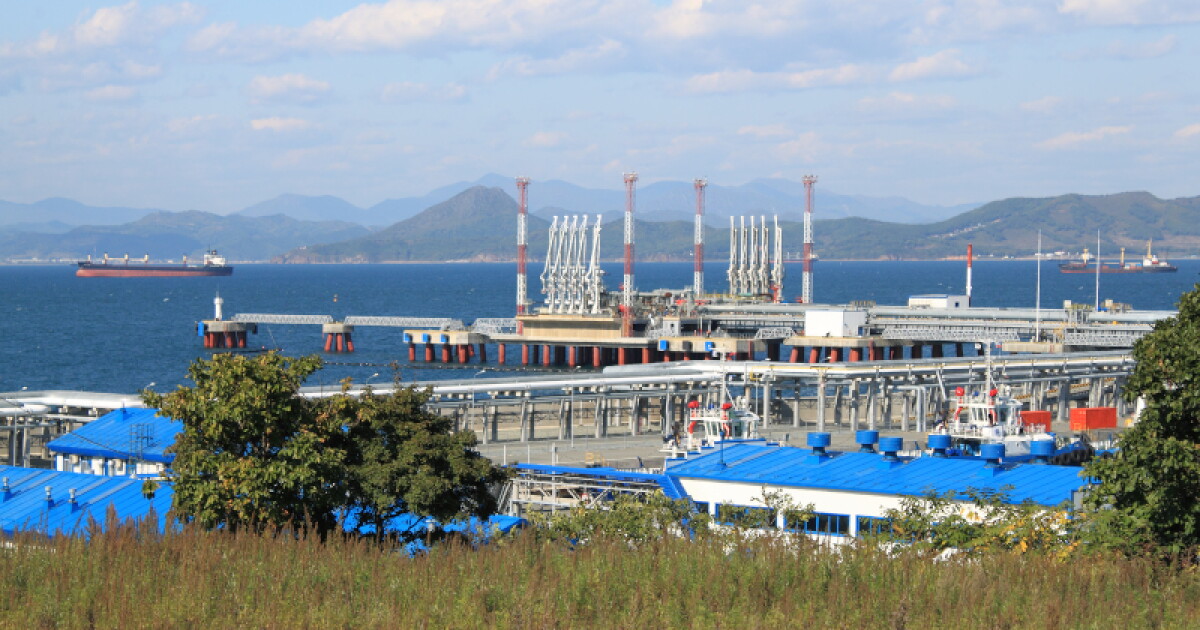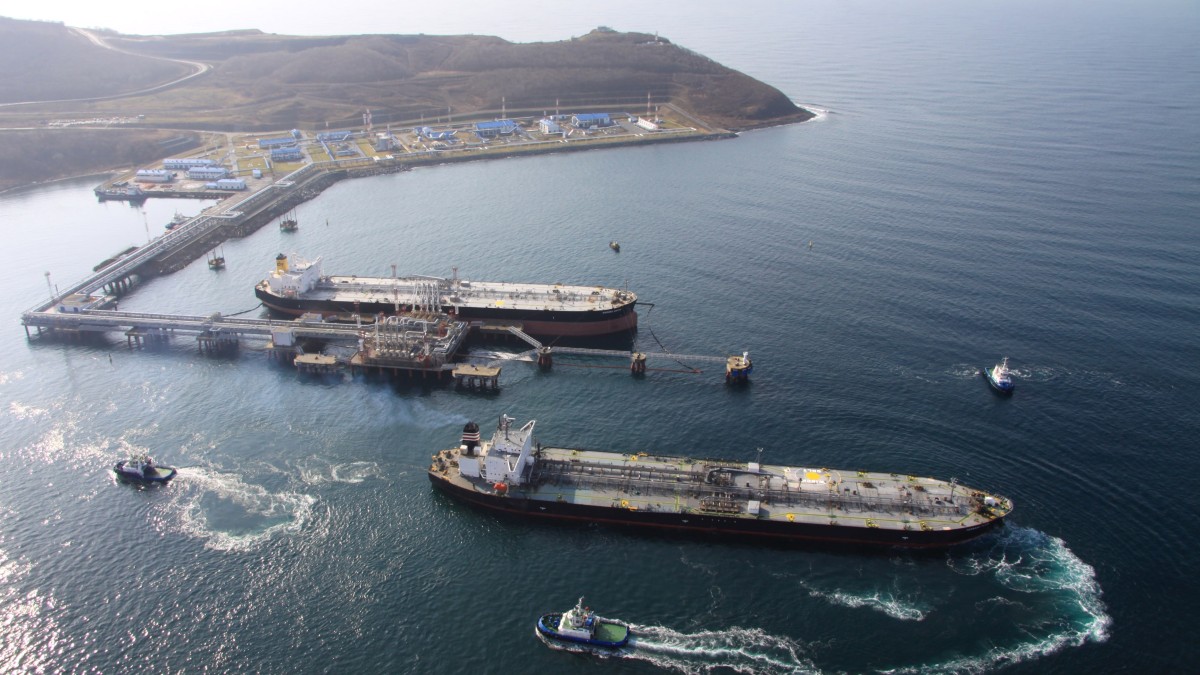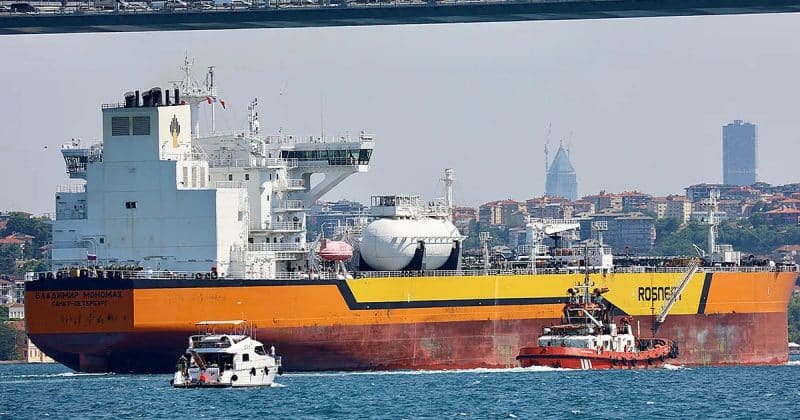
Russia is pumping more crude oil onto global markets than it has in years. The problem: it’s getting paid less for it than at any point since March.
Seaborne crude exports hit 3.89 million barrels per day by late June 2026, the highest level since 2022. But weekly shipment revenues dropped to roughly $1.72 billion, a sharp decline from the windfall Moscow enjoyed earlier this year.
Why Russia is exporting more oil than it can afford to
The export surge isn’t really a choice. Ukrainian drone strikes have systematically targeted Russia’s domestic refining infrastructure, reducing the country’s ability to process crude at home. Less refining capacity means more raw crude available for shipment abroad.
The International Energy Agency pegged Russia’s total oil output at somewhere between 8.8 and 9 million barrels per day in 2026. Average seaborne crude exports have oscillated between 3.64 and 3.89 million bpd during the periods leading up to June, meaning the latest figure represents the upper bound of what Russia has been shipping out.