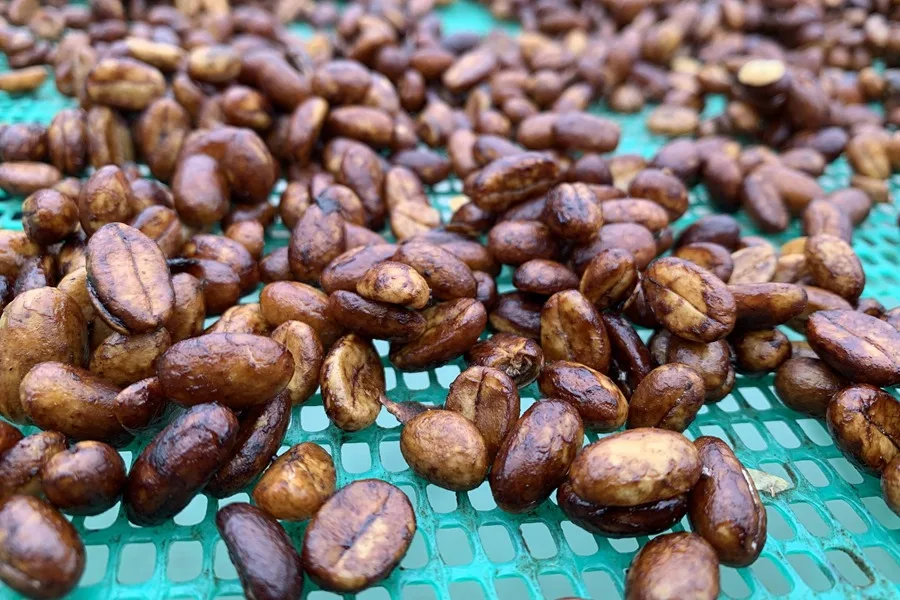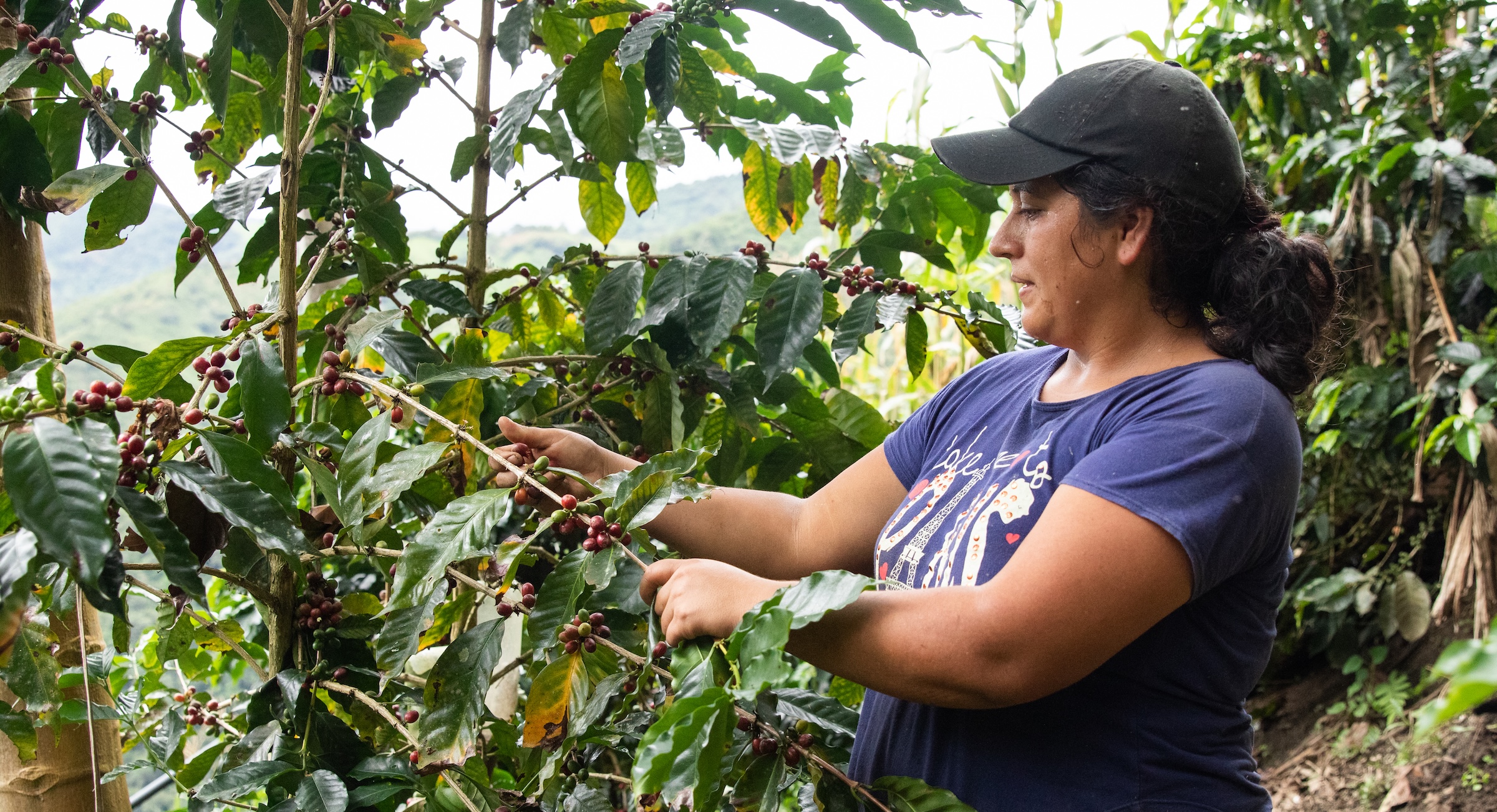
Since 2019, nearly 400 coffee producers in the Ecuadorian Amazon have adopted a deforestation-free production model that combines traceability, geospatial monitoring, and certification.In 2025 alone, the initiative exported as much deforestation-free coffee as it had during the previous three years combined, totaling 172.5 metric tons of coffee between 2022 and 2025.The project currently involves 373 producers across nearly 5,000 hectares (12,300 acres), of which more than 1,200 hectares (3,000 acres) of natural forest remain conserved.The model is designed to anticipate the requirements of the European Union Deforestation Regulation (EUDR), which will require geographic proof that commodities such as coffee aren’t linked to deforestation after 2020.
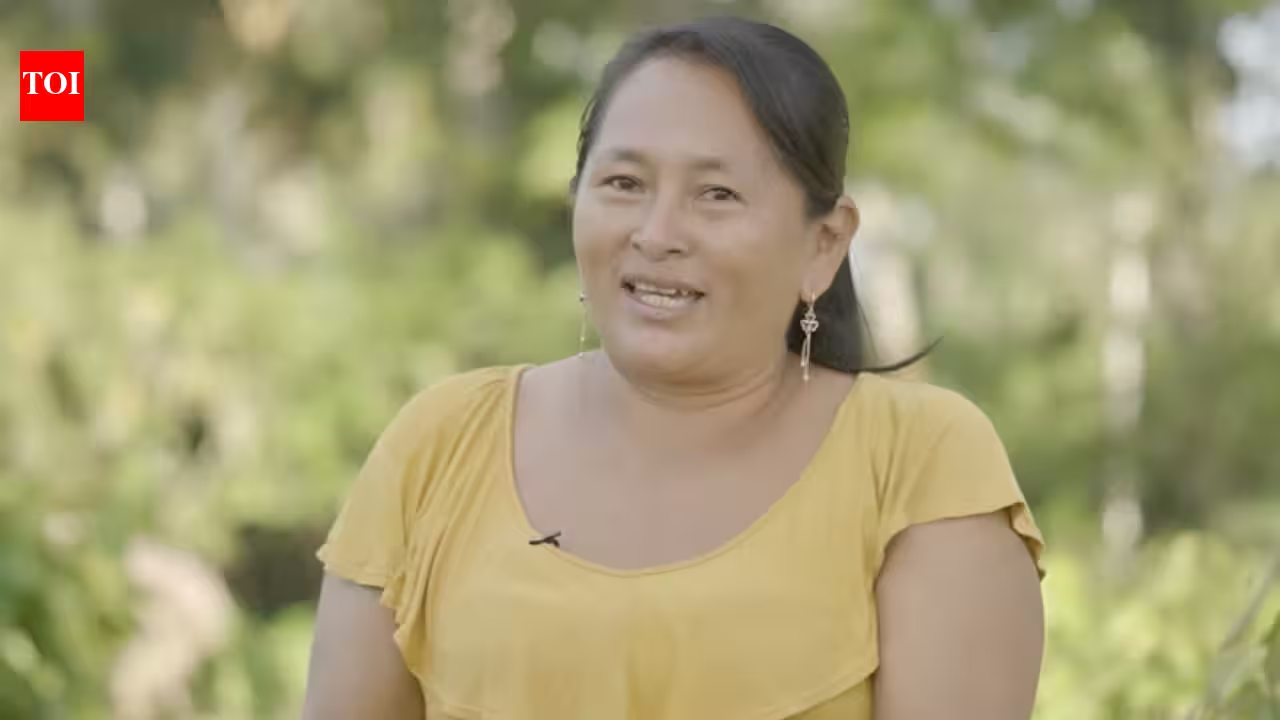
“What motivates us most is being able to say, ‘I take care of the environment, I don’t cut down trees, and my coffee will be valued more highly,’” said Victoria Alverca Peña, a farmer for 25 years and co-founder of APECAP, a small coffee and cacao producers’ association in Zamora Chinchipe, a province in the Ecuadorian Amazon. “I’ll be able to sell it under better conditions, and my work will be much more valued.
“In our farms, besides coffee, you’ll find cacao, timber trees, fruit trees and even short-cycle crops,” she added. “When the coffee plants are still young, we can grow crops like corn, cassava or plantains. This helps us a lot with food security.”