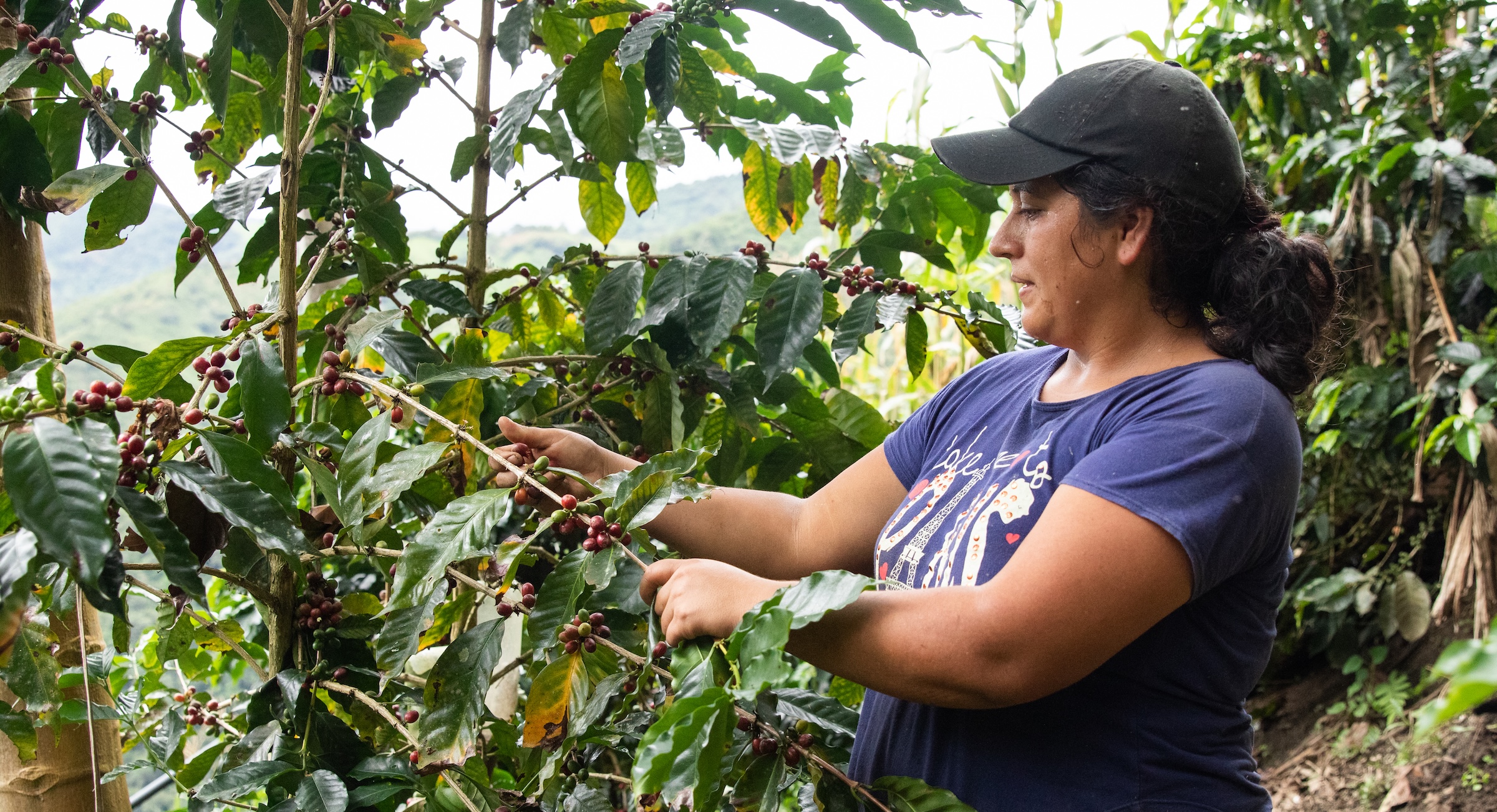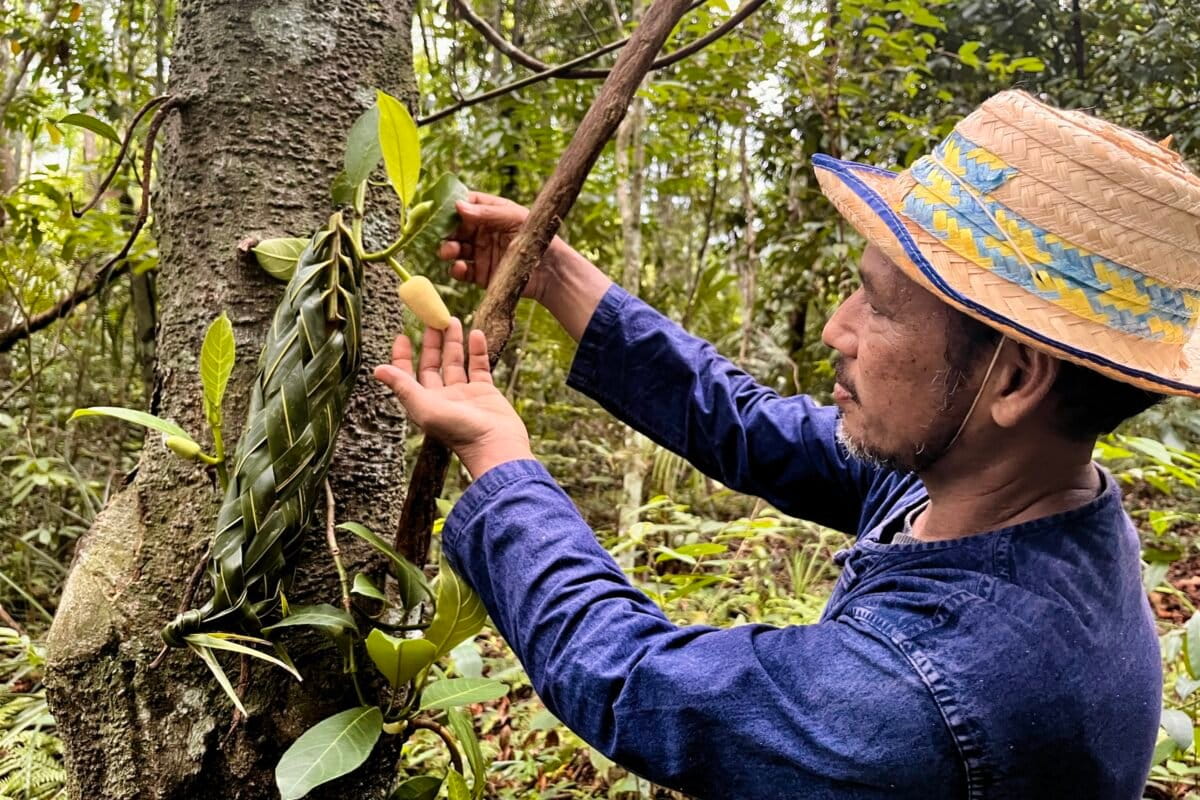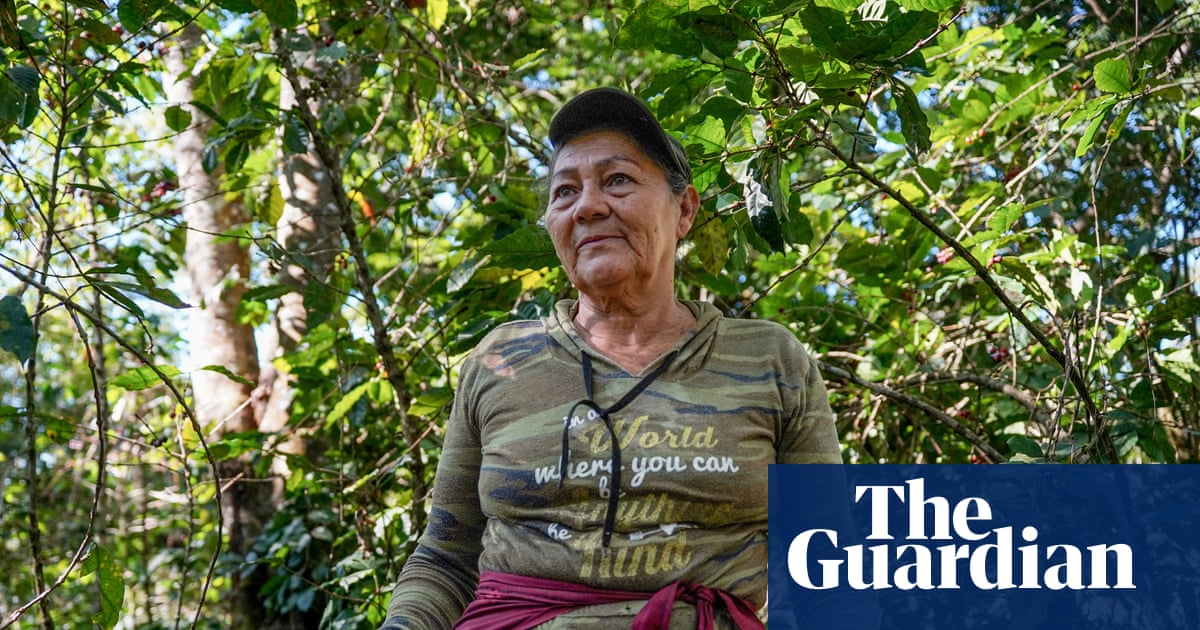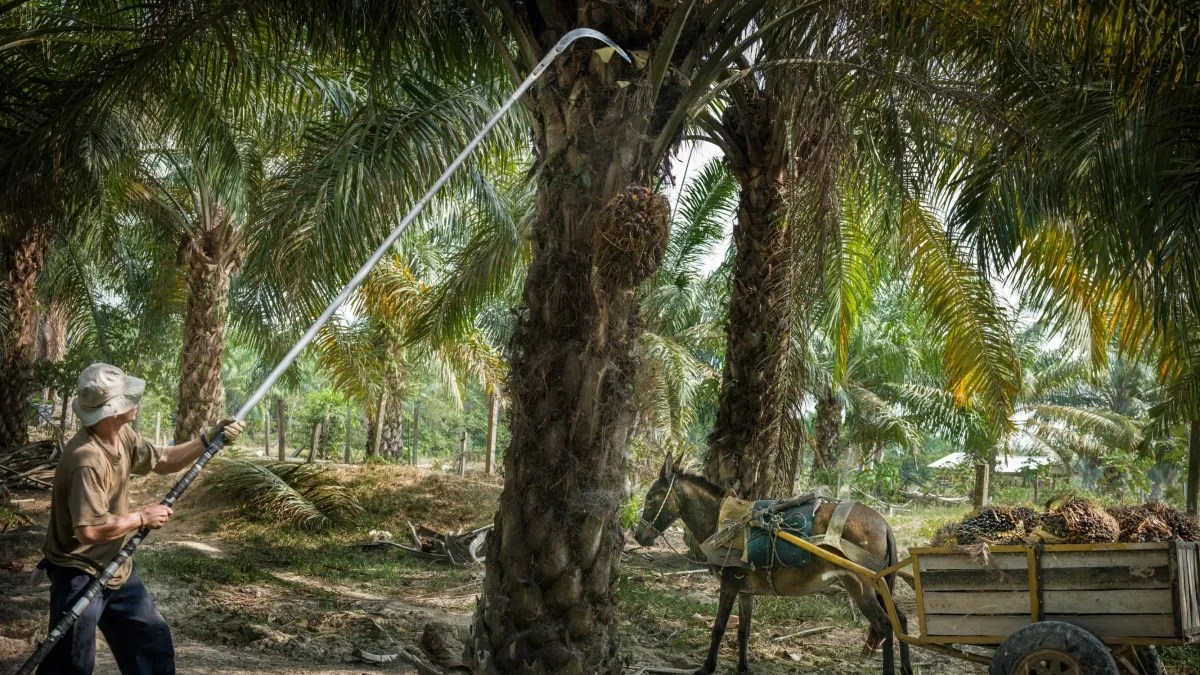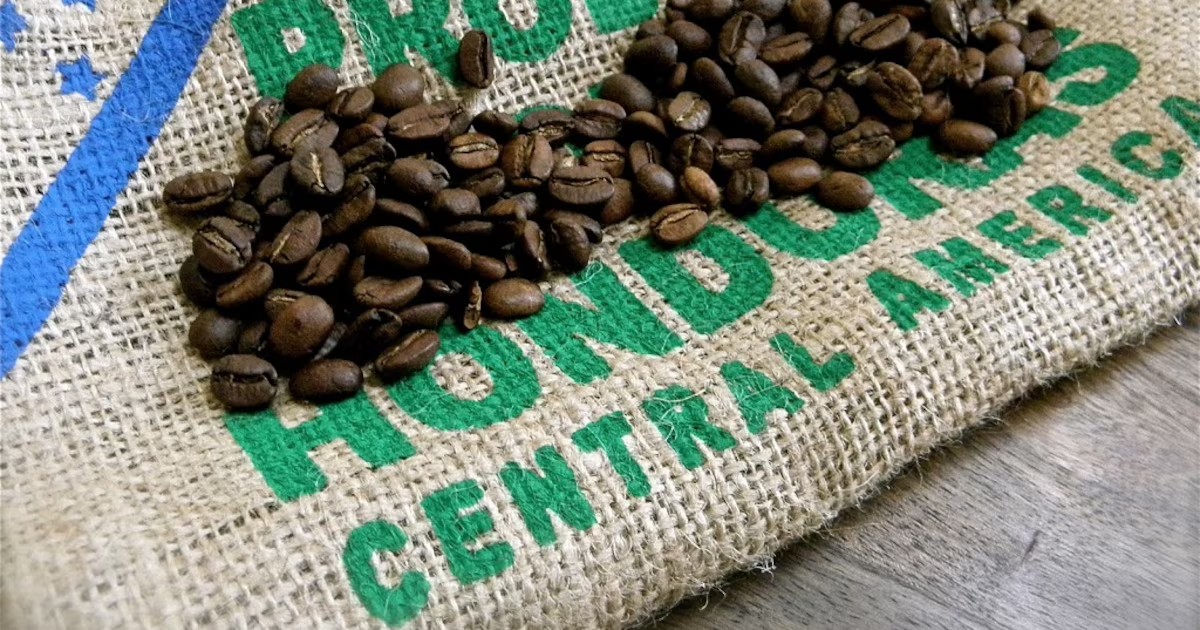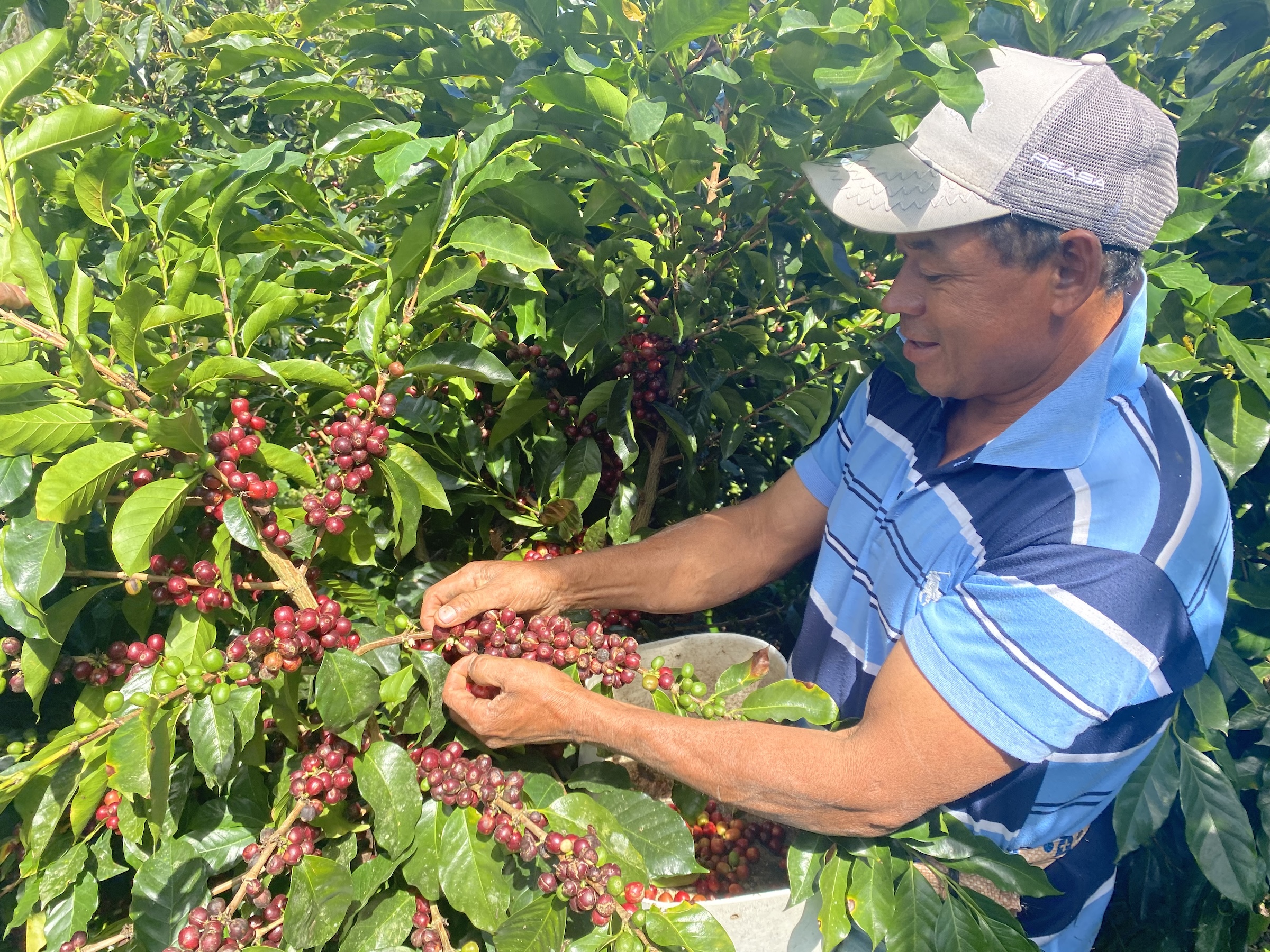
The EU Deforestation Regulation requires companies importing coffee from Honduras into the European market to track their supply chains all the way back to the small-scale farmers who grow the crop.For many farmers, the urgency of complying has led to the modernization of farming practices, providing a competitiveness boost to a supply chain historically based on informality.Digitalization could help to halt Honduras’s rural exodus and make coffee farming attractive to younger generations, but challenges remain around accessibility, managing digital tools, and data ownership.
CONCEPCIÓN DE SOLUTECA, Honduras — In the 1970s, the Honduran government granted a piece of land in the mountains of Concepción de Soluteca to Roberto González’s parents. They duly grabbed a chainsaw and a machete to clear the forest. On the 12 hectares (30 acres) they received as part of a land reform, they planted corn, beans and bananas, the basic staple foods.
It was a hard life up in the mountains, allowing the farmers and their families to just survive. There wasn’t much public infrastructure, and most children had to help with farmwork early on. This included González, who only attended elementary school for three years.