The European Union Deforestation Regulation (EUDR) is set to take effect at the end of 2026, after EU lawmakers voted to postpone its implementation for a second year.The legislation aims to reduce commodity-driven deforestation and illegal trade in forest products by enabling companies importing into the EU to trace entire supply chains.Experts say the increased oversight is a vital step to reduce the footprint of EU consumption on forests, but caution that many smallholders across Southeast Asia need more support to prepare for compliance, especially on land documentation and geolocation data.Without appropriate technical, financial and governance support, observers warn, the new rules could sideline smallholders or push them into less regulated markets, deepening already existing inequities.
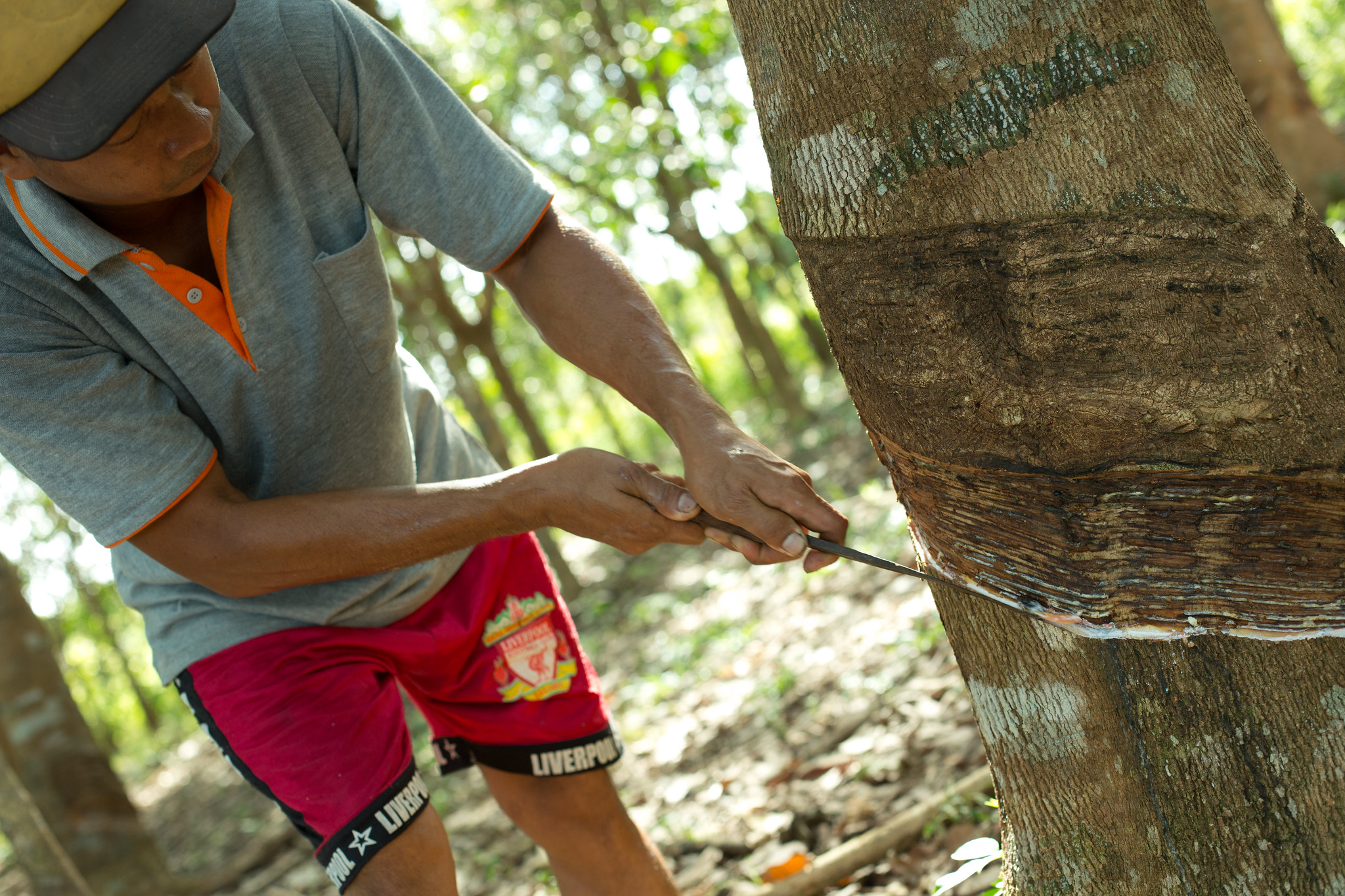
Smallholders produce significant quantities of Vietnam’s coffee, Indonesia’s palm oil, and Thailand’s rubber exported into the EU. Yet under the bloc’s upcoming deforestation-free regulation (EUDR), industry experts say small-scale producers across Southeast Asia need more support to help prepare them to comply with the new rules.
The European Union Deforestation Regulation (EUDR) is set to take effect at the end of 2026, after EU lawmakers voted earlier this month to postpone its implementation for the second year in a row, citing technical concerns.