Small-scale farmers who underpin Thailand’s lucrative natural rubber industry are under pressure to prepare for the EU Deforestation Regulation (EUDR), due to take effect at the end of the year.From geolocation data to legal documentation, smallholders will have to provide evidence their products are deforestation-free if they want to continue supplying European markets.With the industry dependent on smallholder production, private intermediary firms are stepping in to help farmers comply through bespoke tech-based traceability platforms.Experts say while the EUDR’s focus on reducing deforestation risks is significant, effective implementation will depend on collaboration across the supply chain and meaningful investment in small-scale producers.
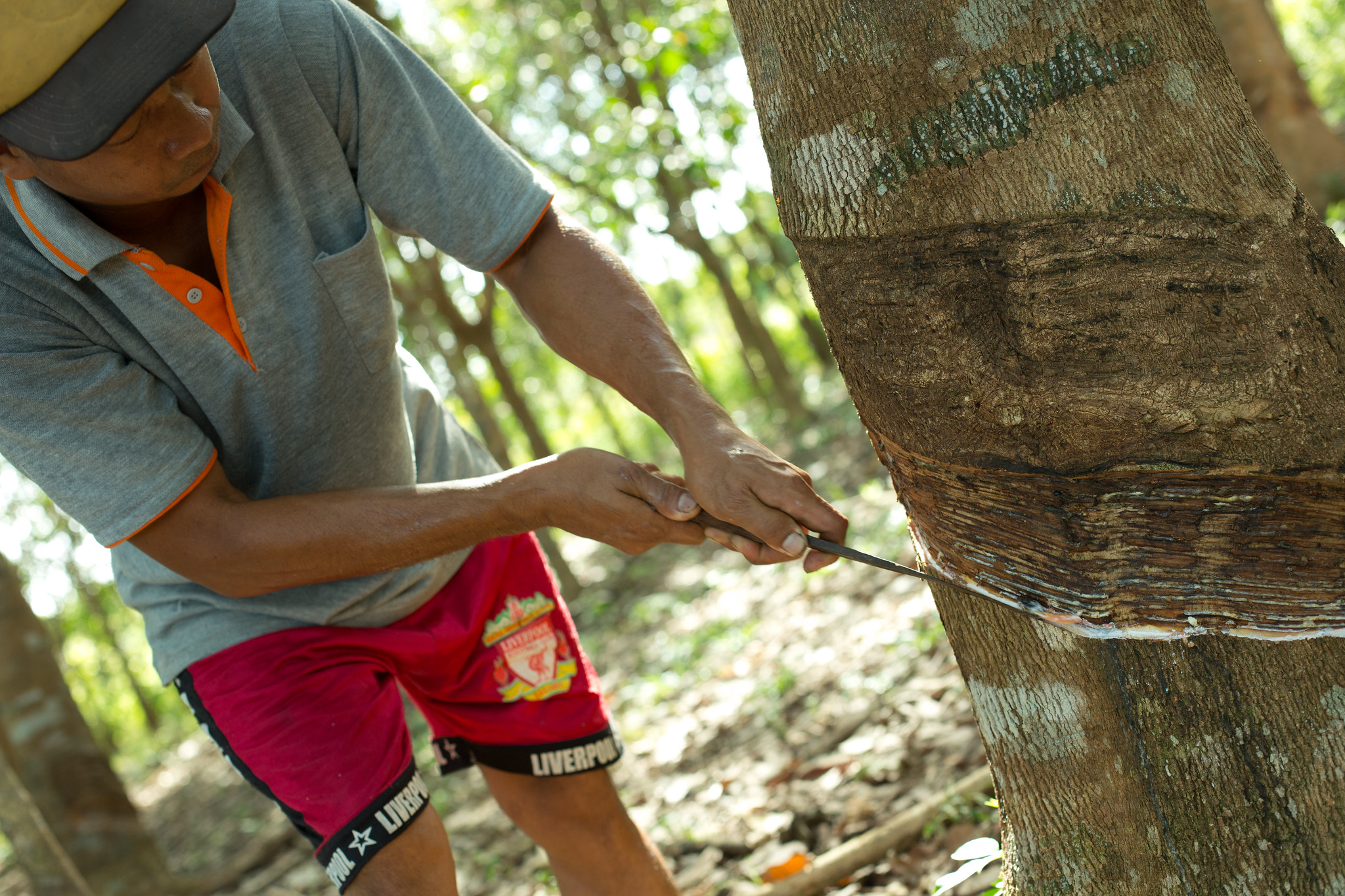
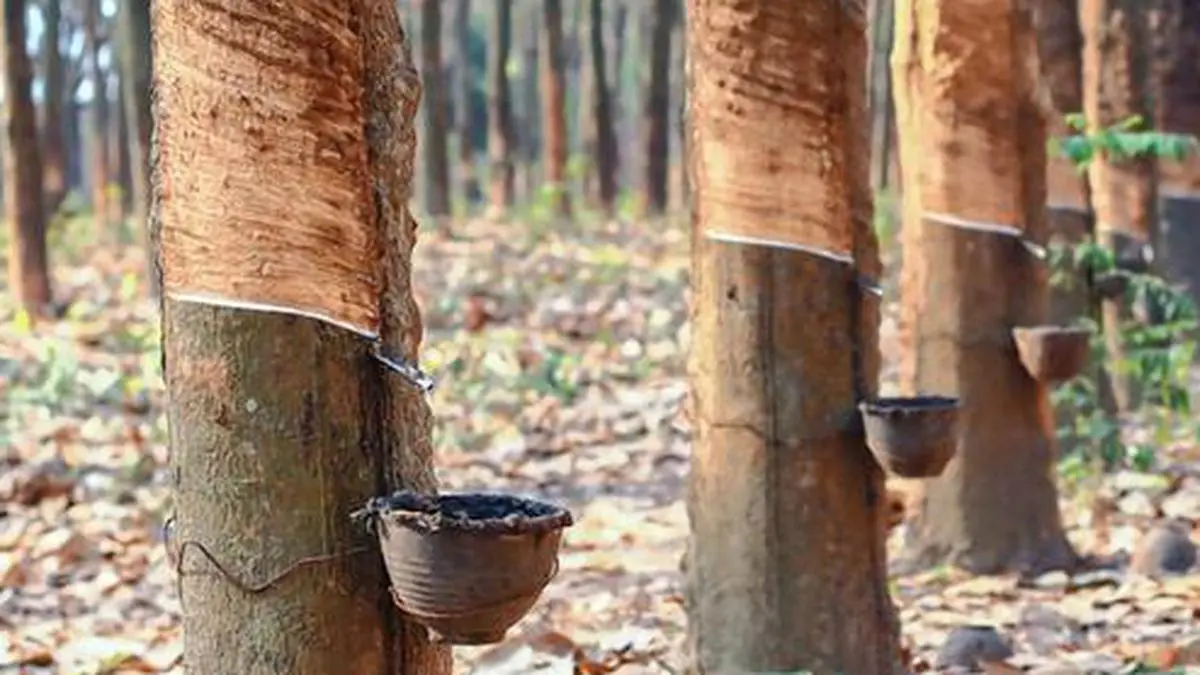
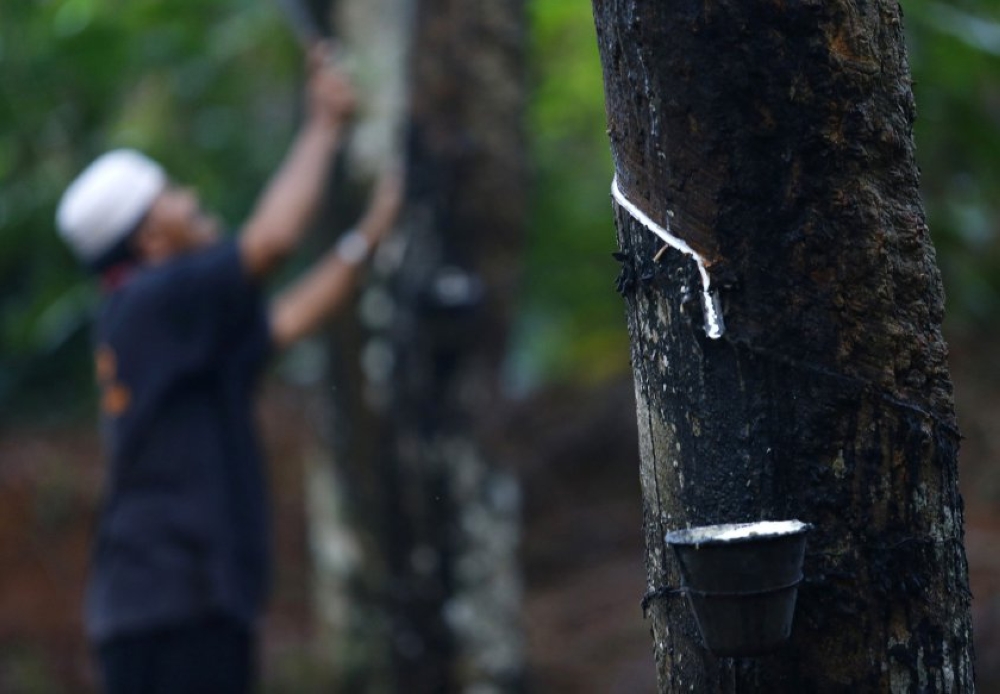
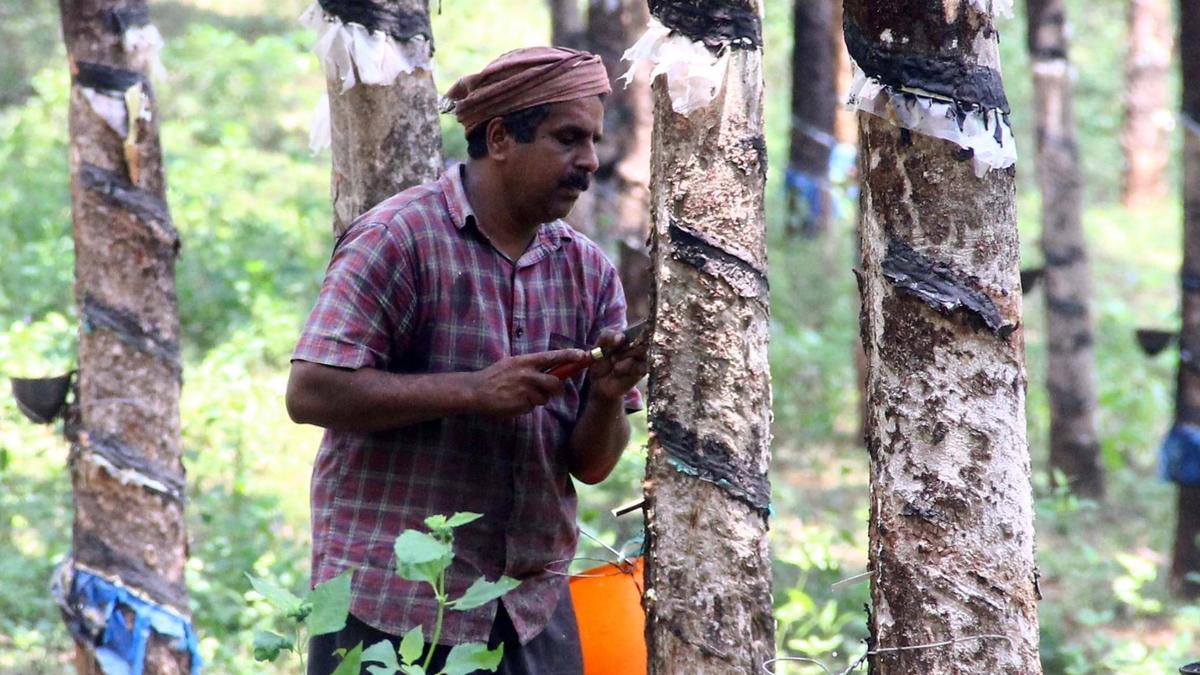
KRABI, Thailand — Beneath a humid canopy of rubber trees, Sathit Phromraksa pauses to inspect a coagulated ball of rubber in a palm-sized bowl fastened to a trunk. Last night, he and his wife worked their way through the plantation, carefully carving a line in the bark of each tree to stimulate the flow of milky latex. With a total 500 trees to tap in their 1.6-hectare (4-acre) plantation, their work took them from midnight to 3:30 a.m.
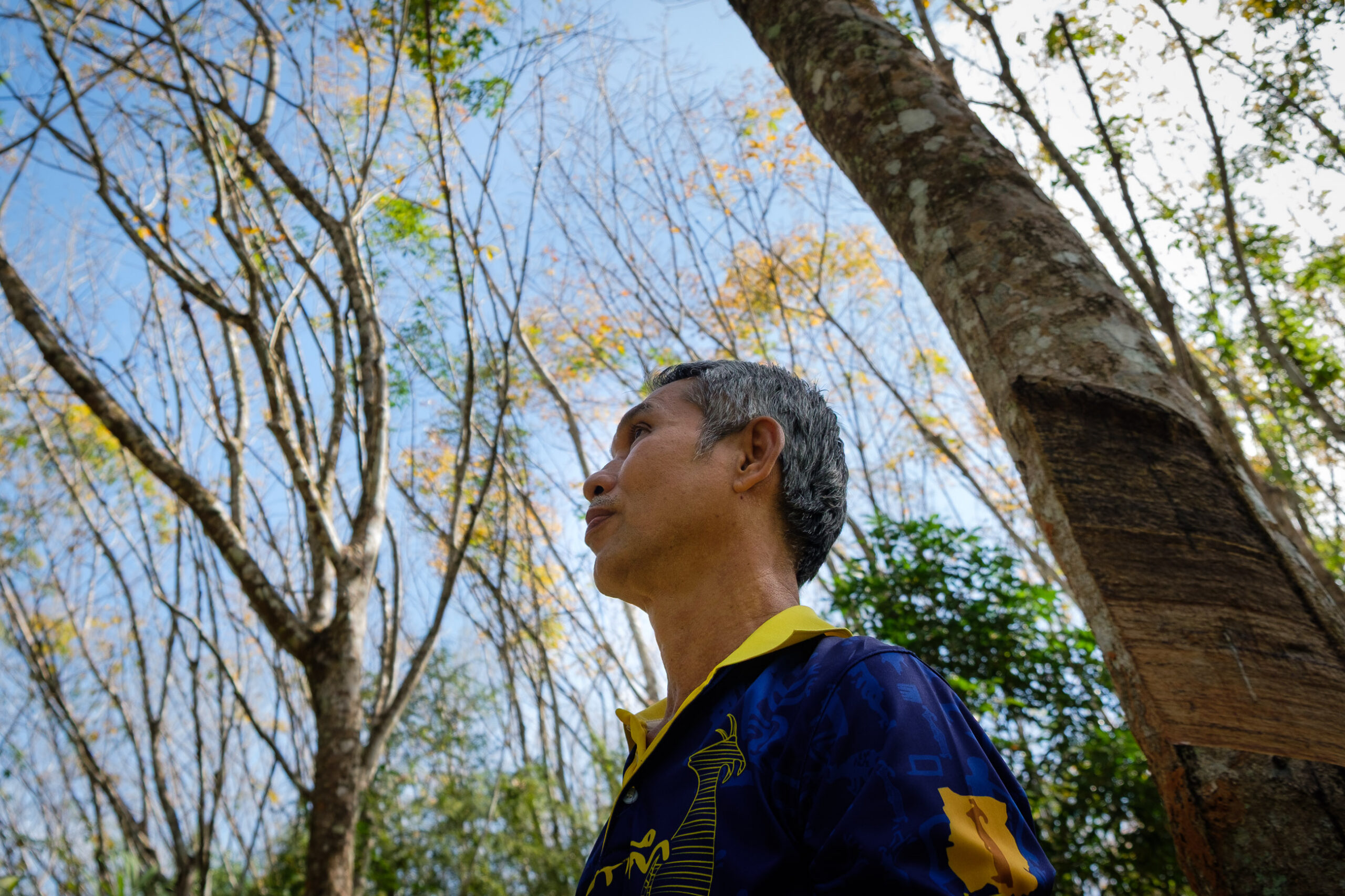
“I inherited this rubber farm from my father,” says 59-year-old Sathit, a lifelong resident of Namgaan subdistrict in Thailand’s Krabi province. “Back then, my family used a lot of chemicals to control weeds and pests, but now, we follow organic practices.”