Tire manufacturers, major consumers of natural rubber, say they’re ready for the implementation of the EU’s antideforestation regulation, or EUDR, and lament its repeated delays.Natural rubber supply chains are notoriously complex, with 85% of natural rubber coming from 6 million smallholders, and the rubber passing through numerous intermediaries before being turned into tires.Ensuring EUDR compliance throughout natural rubber supply chains remains challenging; European tire industry representatives also point to ongoing problems with the information system and due diligence requirements in downstream supply chains.The Global Platform for Sustainable Natural Rubber, made up of industry, civil society and producers, promotes sustainability within the natural rubber supply chain and supports smallholders.
The tire manufacturing industry, a major consumer of natural rubber, says it’s ready for the European Union Deforestation Regulation, or EUDR, but remains concerned over the latest delay in the rule’s implementation.
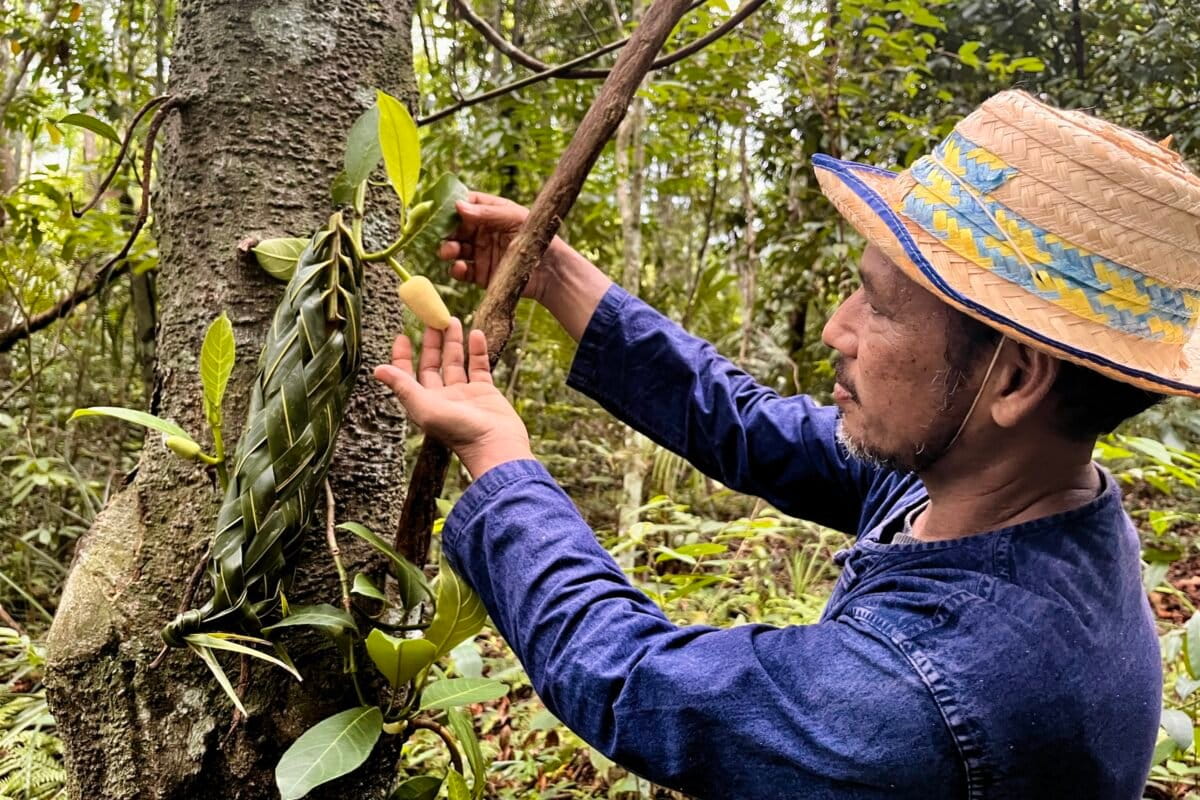
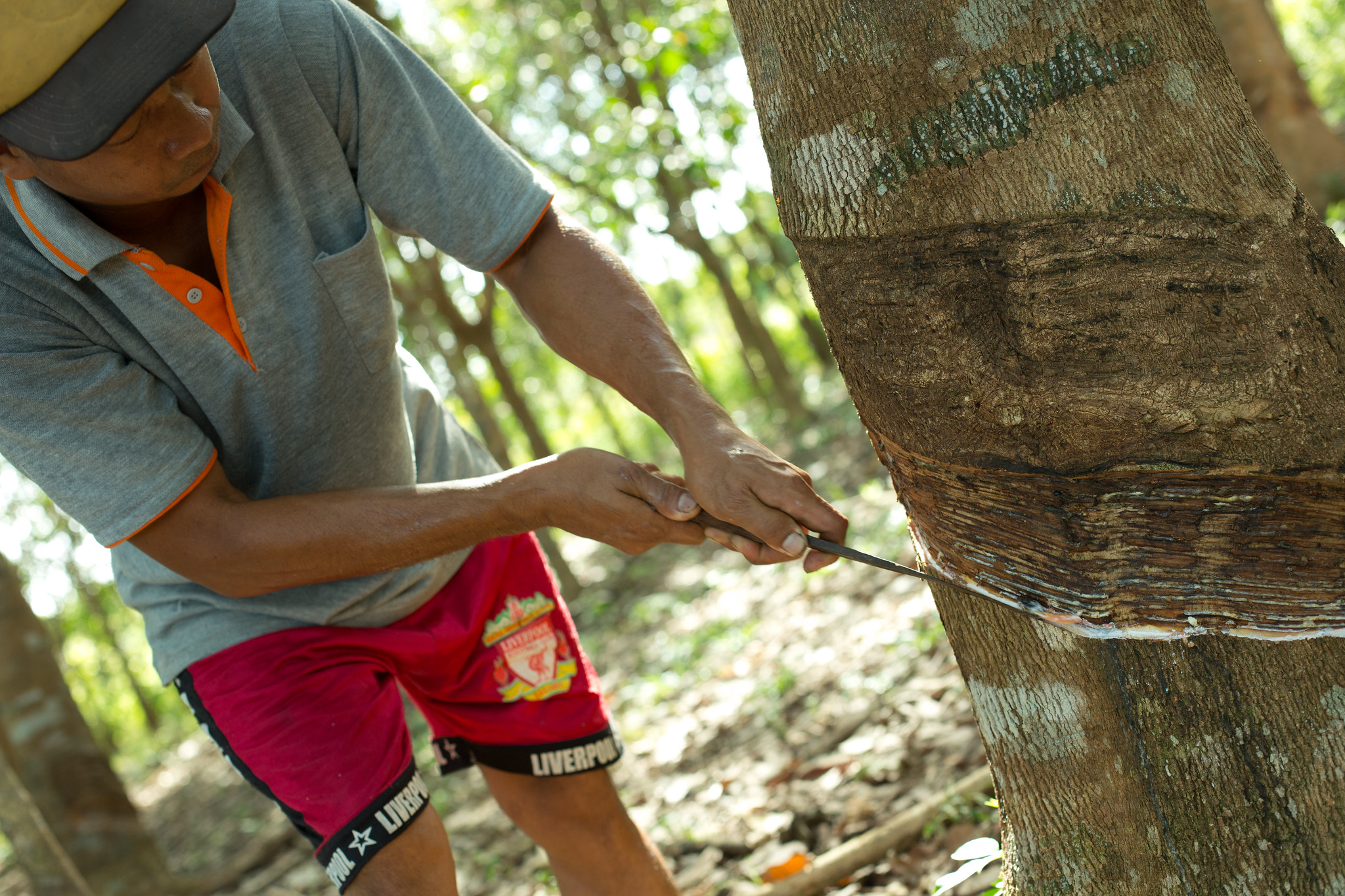
The EUDR aims to prevent products linked to deforestation from being sold in the EU market. Rubber is one of the seven commodities targeted under the rule that’s set to take effect at the end of this year. Natural rubber is collected by scoring the bark of the rubber tree (Hevea brasiliensis) and collecting the milky white latex. At the base of the natural rubber supply chain are 6 million smallholders, mostly in Southeast Asia and, increasingly, West Africa, who produce about 85% of the world’s natural rubber. These farmers may have just a hectare or two of land under rubber, in multiple plots, and are independent, selling to multiple agents. The latex they harvest may then pass through numerous intermediary agents before in-country processing or export, making traceability within supply chains exceedingly complex.