Traditional communities in Pará, Brazil’s top cocoa-producing state, are managing native species that naturally resist pests and extreme weather.The dense forest canopy of the floodplains provides natural irrigation and protection for cocoa trees against extreme droughts, heavy rain and pests.Global demand for organic and ethically sourced chocolate is expected to rise, positioning Amazonian states to fill international supply gaps, despite hurdles.Experts compare Pará’s emerging artisanal chocolate sector to Burgundy wine or Ethiopian coffee due to the unique “terroir” flavors of its native beans.
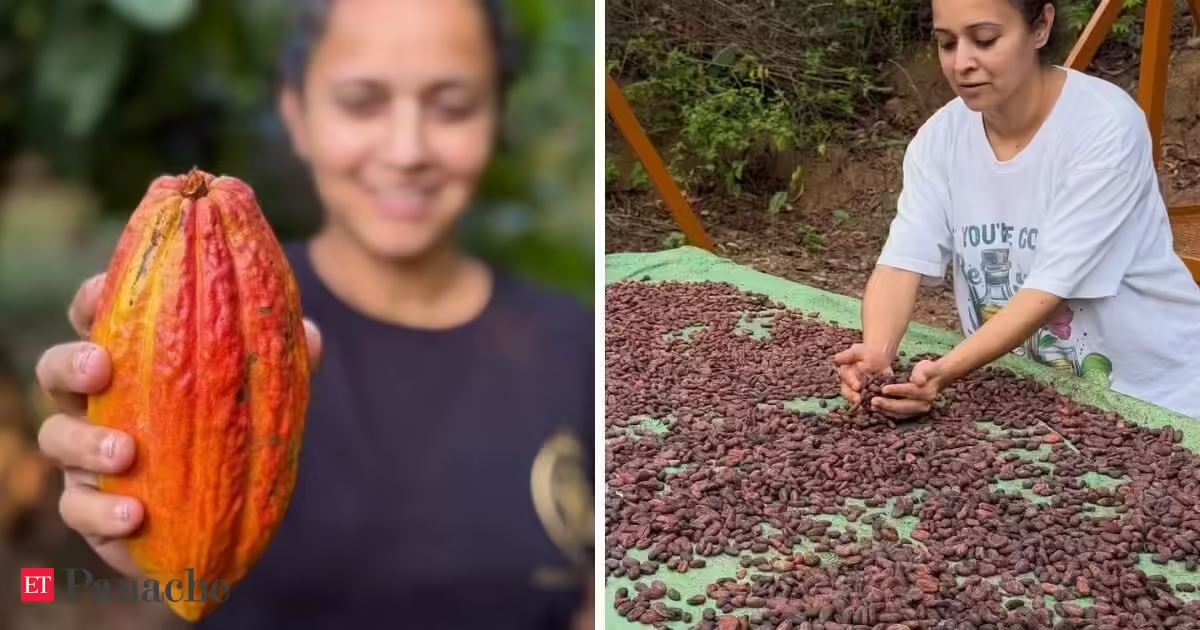
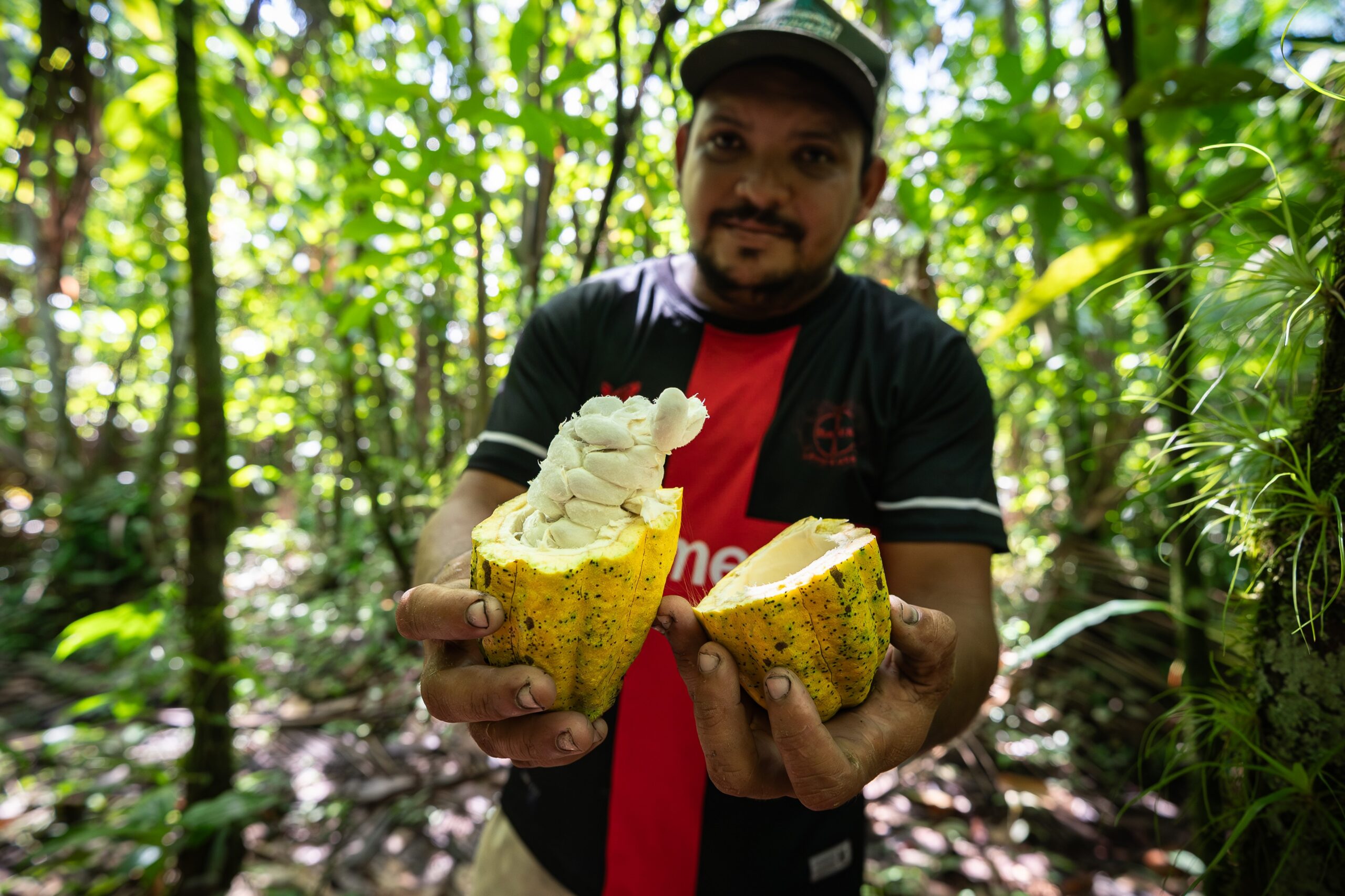
BACARENA, Brazil — Sunlight peeps through dense Amazonian foliage as Elene Elda Mota and her husband Giovanne guide their small motorboat down a narrow stream. Equipped with machetes and baskets, they disembark and make their way through the thick forest until they reach a tree bearing dozens of bright yellow cocoa pods. Here, in the Amazon floodplains of Barcarena, in northern Pará state, near where some Amazon rivers meet the Atlantic Ocean, cocoa grows in a natural agroforestry system. “Our cocoa is native cocoa,” Elene said. “We don’t plant our cocoa, we just manage it.”
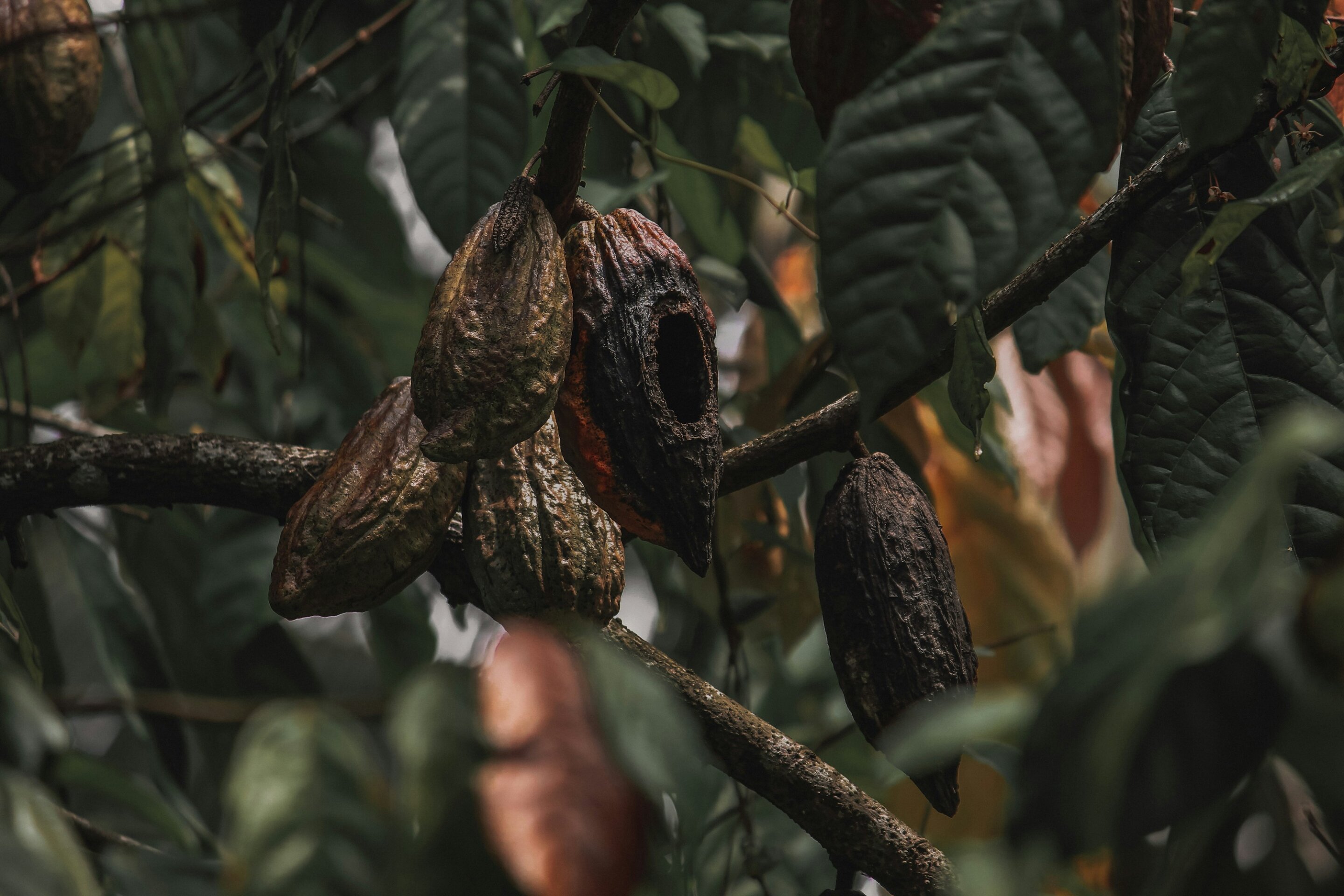
Protected and irrigated by the forest canopy of the floodplains, Elene’s cocoa is more resistant to pests like vassoura de bruxa, a fungus that devastated Brazilian crops in the 1980s, as well as climate change impacts like droughts and heavy rains.