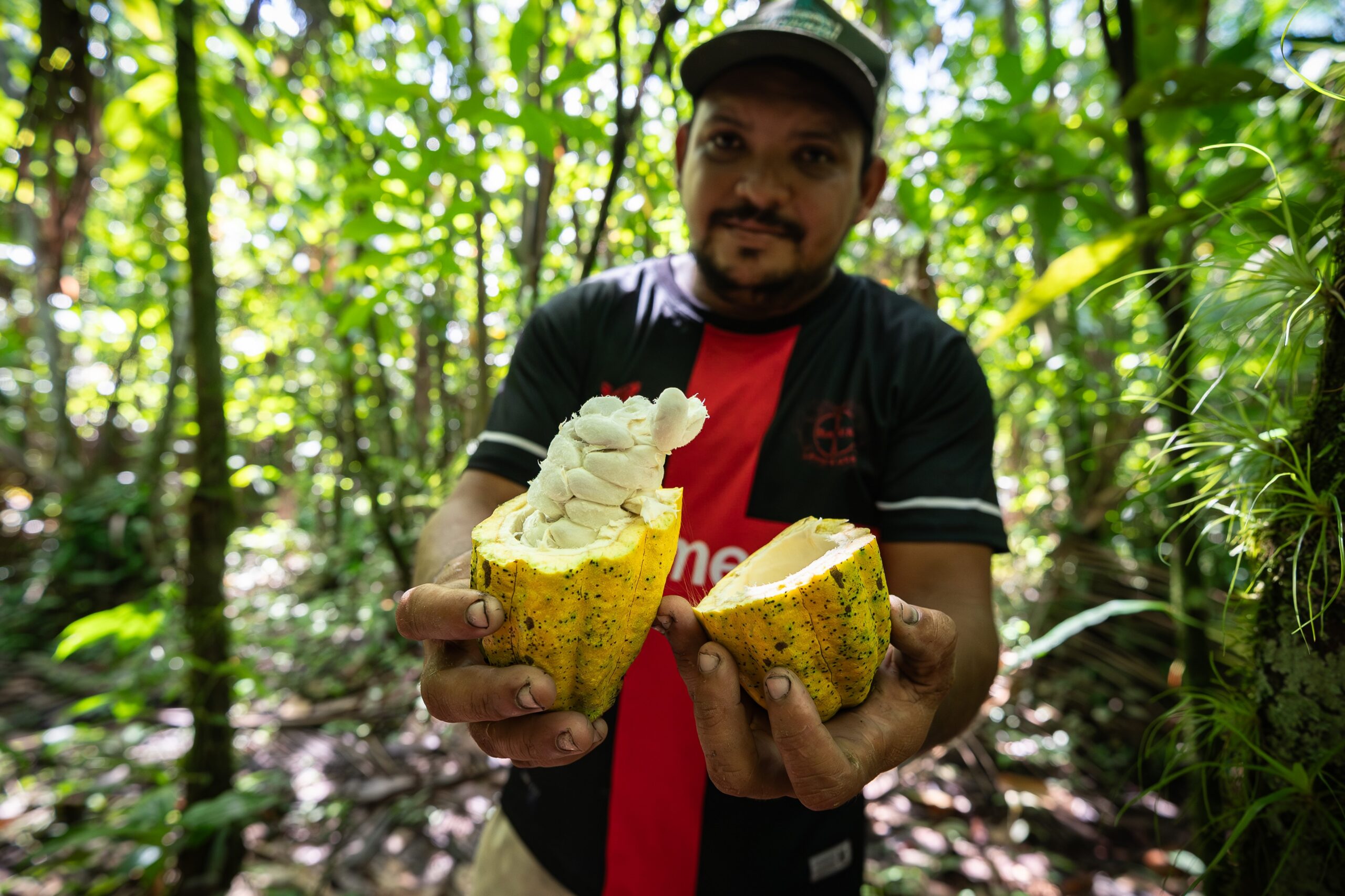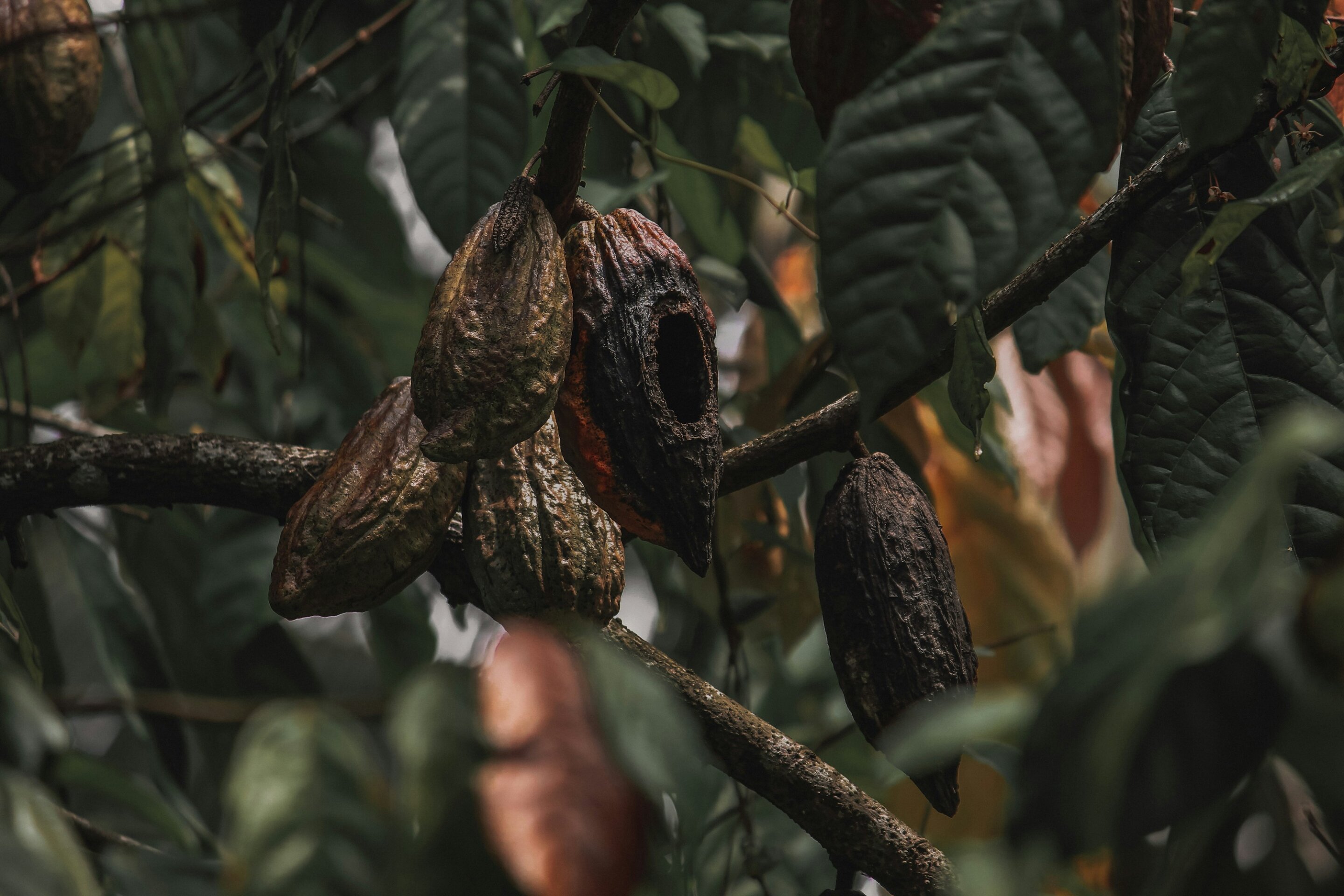
Witches' broom disease, caused by the fungus Moniliophthora perniciosa, decimated cocoa crops in southern Bahia state, Brazil, in the 1990s. It was even the subject of a local soap opera and continues to plague the chocolate industry in the Amazon region. However, a recent study published in Scientific Reports offers hope that increased cocoa production in the Amazon region will not rely so heavily on fungicides and fertilizers.
Conducted at the Frederico Afonso Experimental Station (CEPLAC) in Rondônia state, the study evaluated 25 cocoa cultivars and identified two with superior performance. Both demonstrated a greater ability to maintain high productivity in mineral-poor soils and when attacked by the witches' broom fungus, known in the region as "lagartão." Production increased by up to 32% compared to more susceptible varieties.
The research project involved collaboration among scientists at São Paulo State University (UNESP), the Brazilian Agricultural Research Corporation (EMBRAPA) in Porto Velho, the Federal University of Rondônia (UNIR, Rolim de Moura campus), and the Federal University of Amazonas (UFAM, Humaitá campus).
"The study demonstrates, in practice, that combining genetic improvement and nutritional management is the most sustainable and long-term strategy for cocoa production. Since it isn't possible to modify the environment [the hot and humid climate of the Amazon favors the activity of the fungus], the solution is to plant varieties with high adaptability, strengthened by nutrition that ensures plant vigor and resistance," says Renato de Mello Prado, a professor at the Faculty of Agricultural and Veterinary Sciences (FCAV) at UNESP in Jaboticabal, who coordinated the research.