As rising gold prices fuel environmental destruction, communities in the country’s biodiverse heartland are passing laws against mining
M
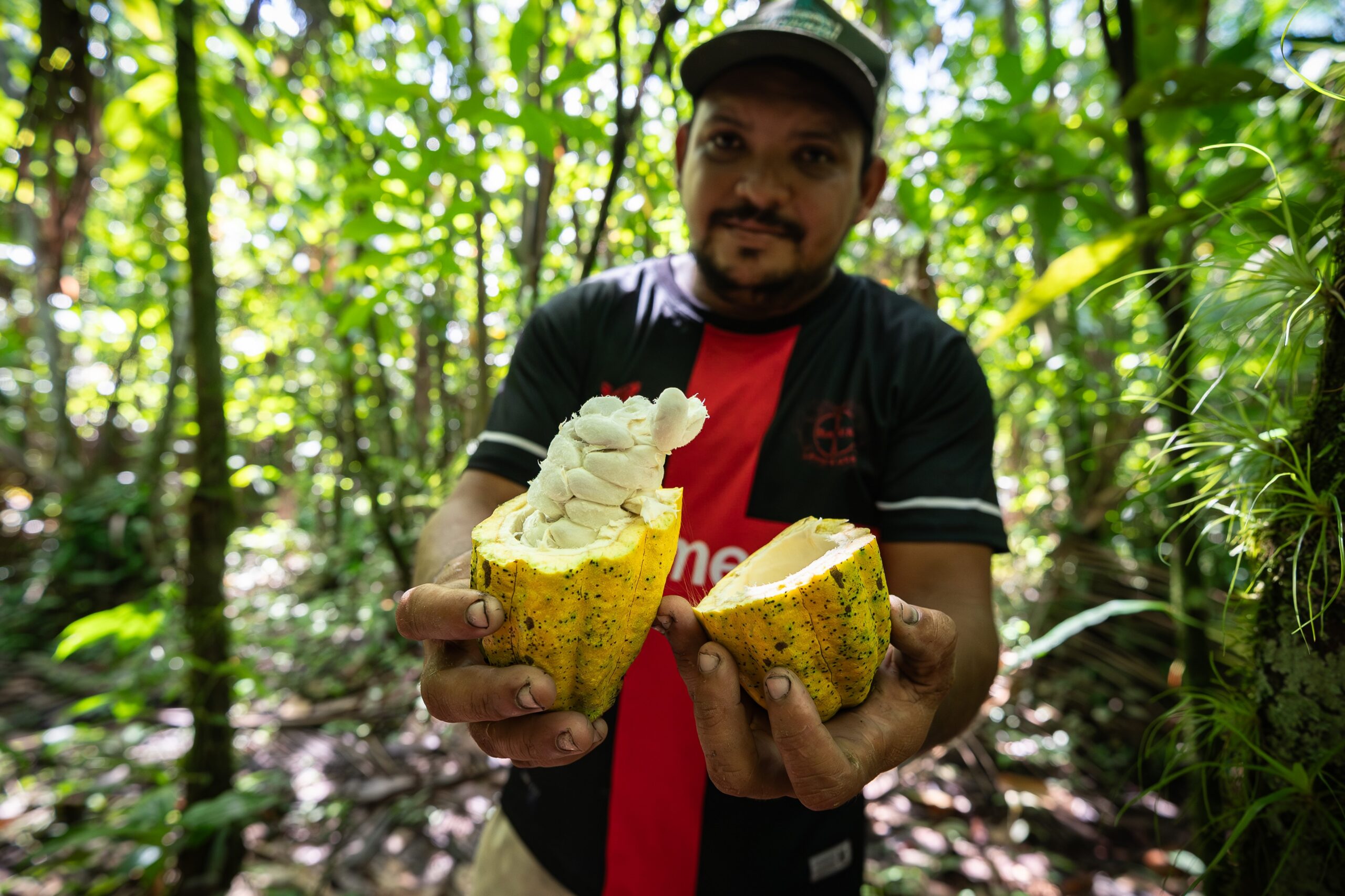
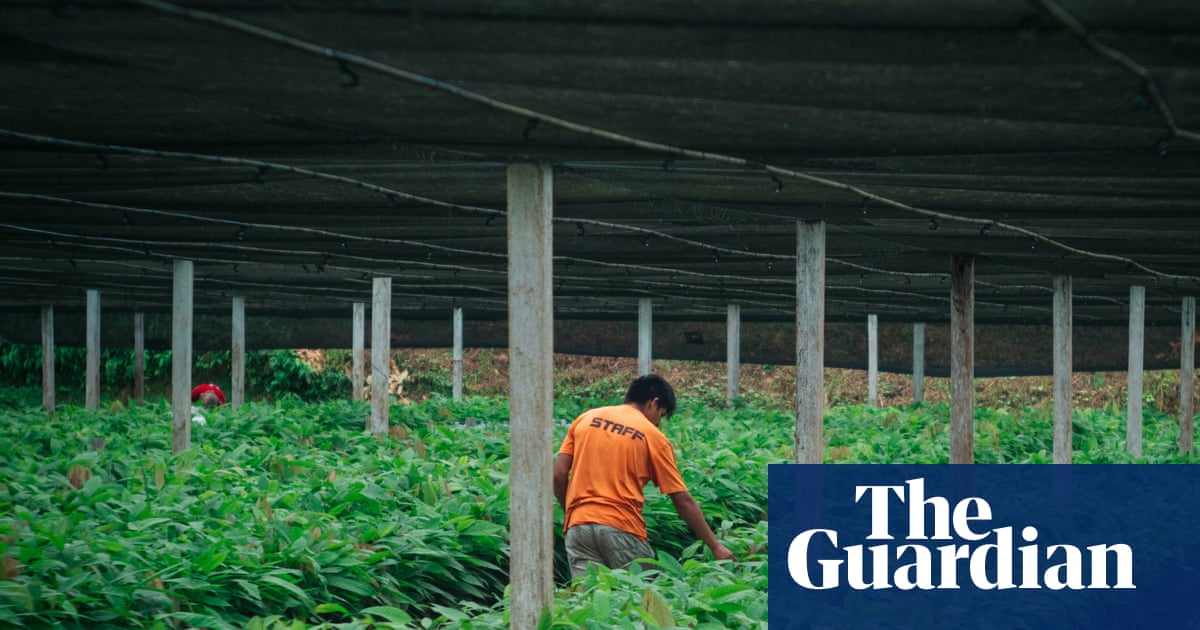
ahogany trees tower above Herminio Mamani as he tends his cacao farm in Bolivia’s biodiverse north-west. A former president of El Ceibo, the country’s largest organic cacao co-operative, he says the agroforestry model used by its 1,300 members is vital not only to maintain the quality of the cacao they produce, but also for keeping gold mining at bay.
“We cacao producers would never kill an animal here,” he says, parrots squawking nearby. “The parcels [of land] can never be monocultures – all the crops grow together.”
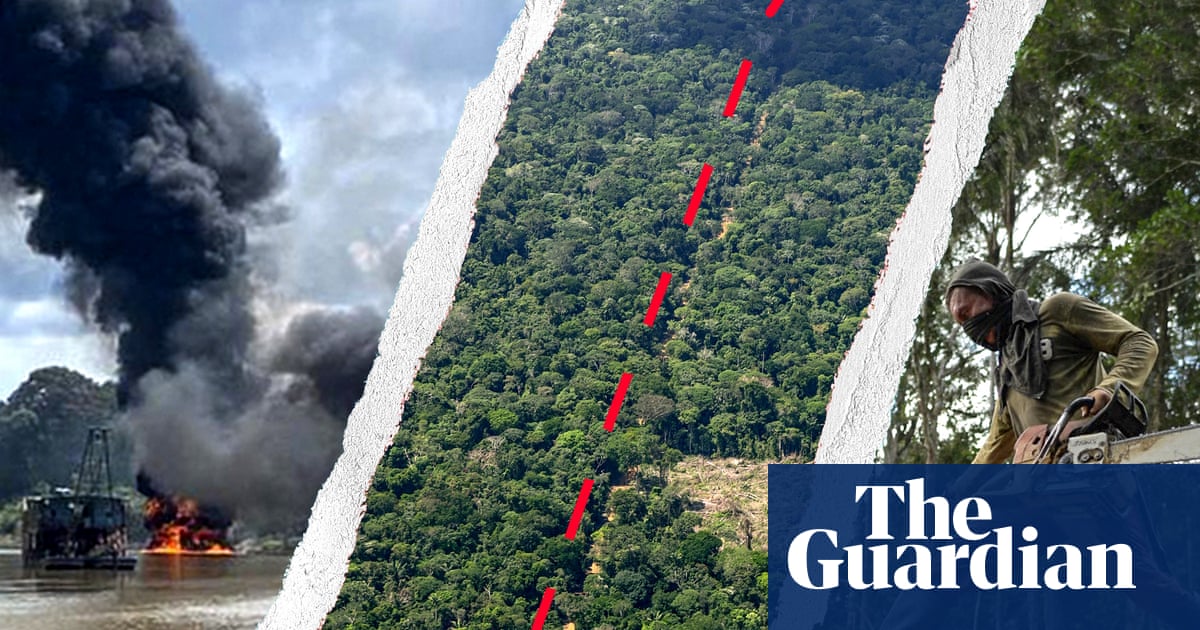
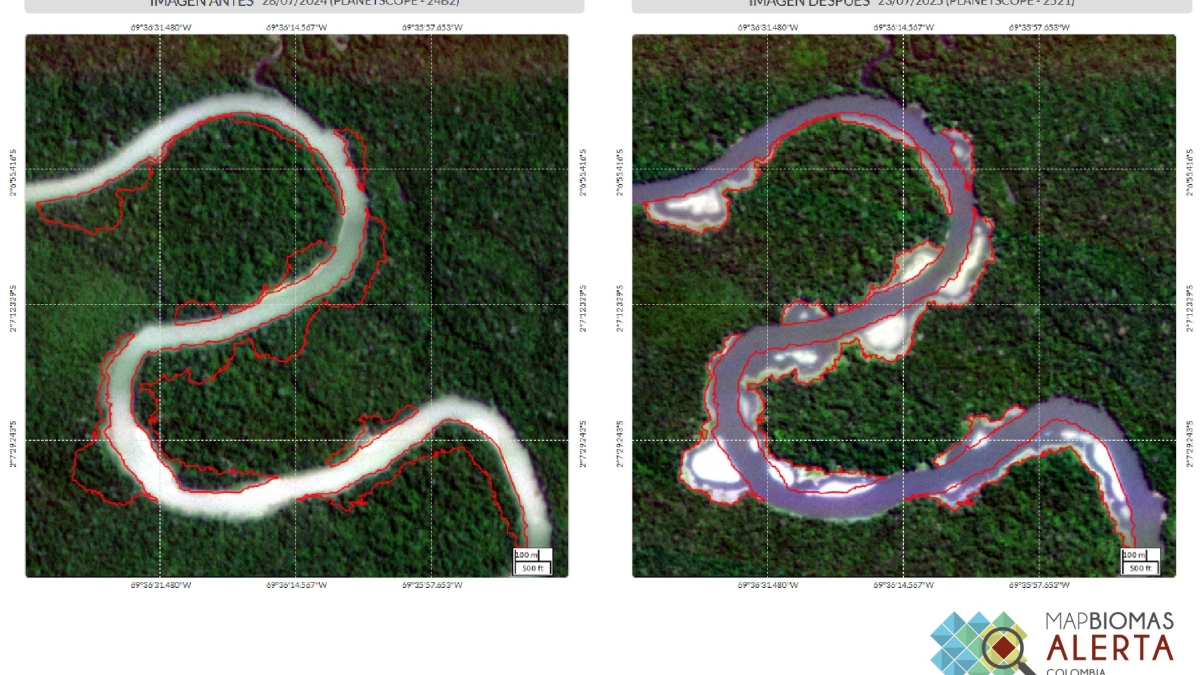
About 20 miles away, dredging boats and excavators operate relentlessly along the Kaka River, part of a gold rush that has rerouted waterways and encroached on forests in some of the world’s most biodiverse national parks. Mamani’s land remains protected thanks to local laws passed in 2021 banning mining in Palos Blancos and Alto Beni.