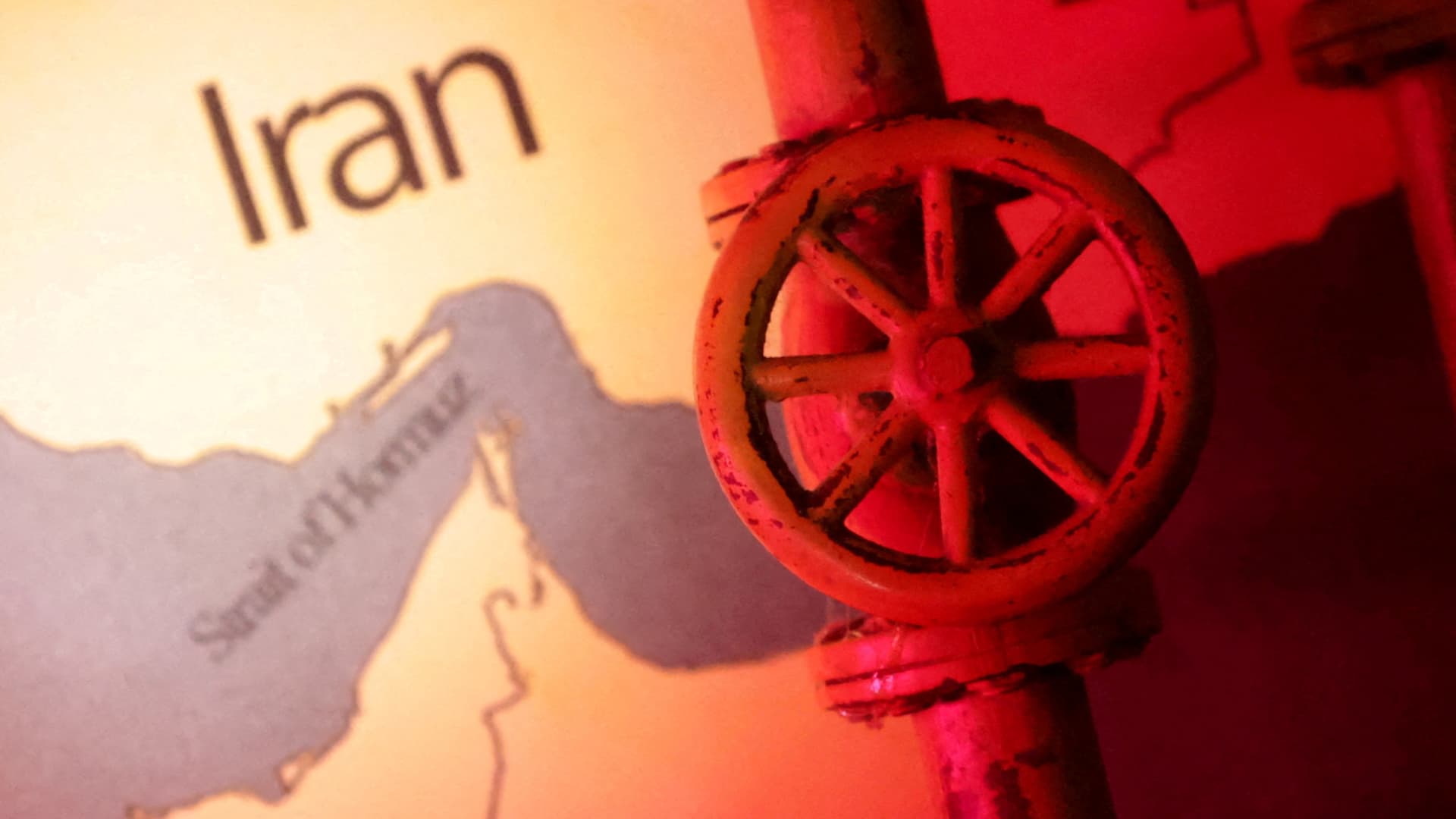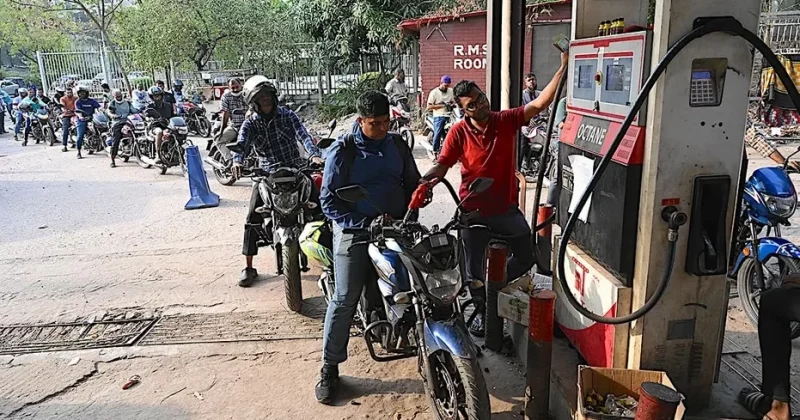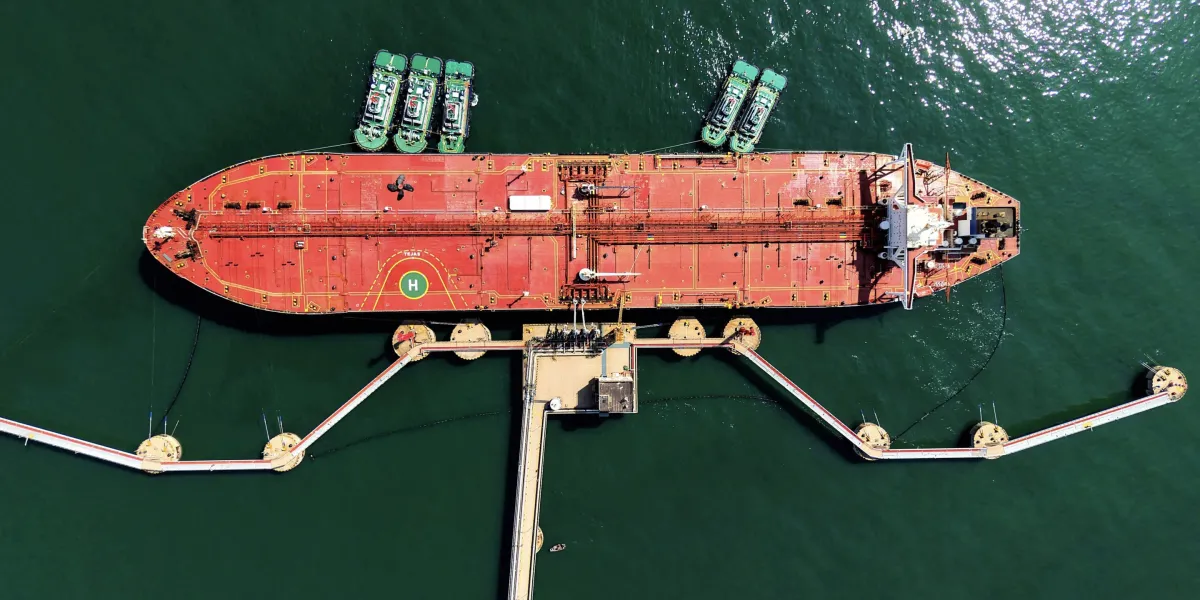
The largest-ever global oil supply shortage has topped economists’ lists of concerns since the start of the Iran war. But even as the United States and Iran resumed their blockades of the Strait of Hormuz, the economy faces a new problem.
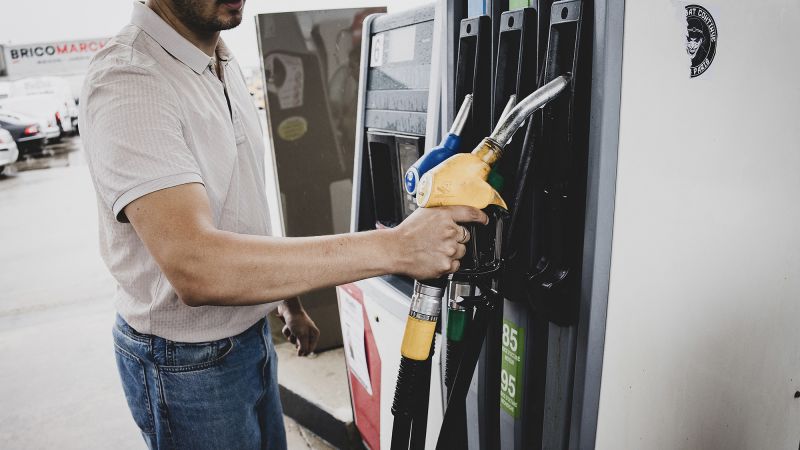
Gasoline. That is, the world’s ability to make it.
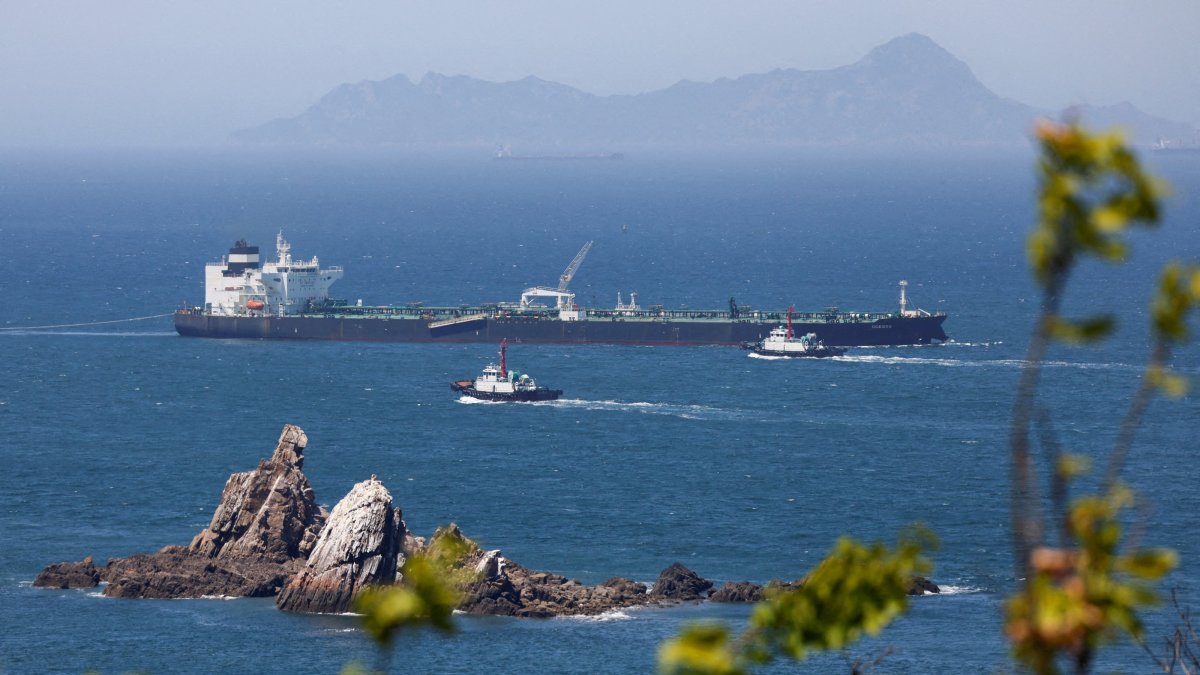
The hundreds of millions of barrels of oil that exited the Persian Gulf and hit the market over the past few weeks helped add cushion to the world’s supply of oil — but they aren’t good for much of anything on their own. Oil needs to be refined into products and fuels people can use, including asphalt, plastic, heating oil, jet fuel, diesel and gasoline.
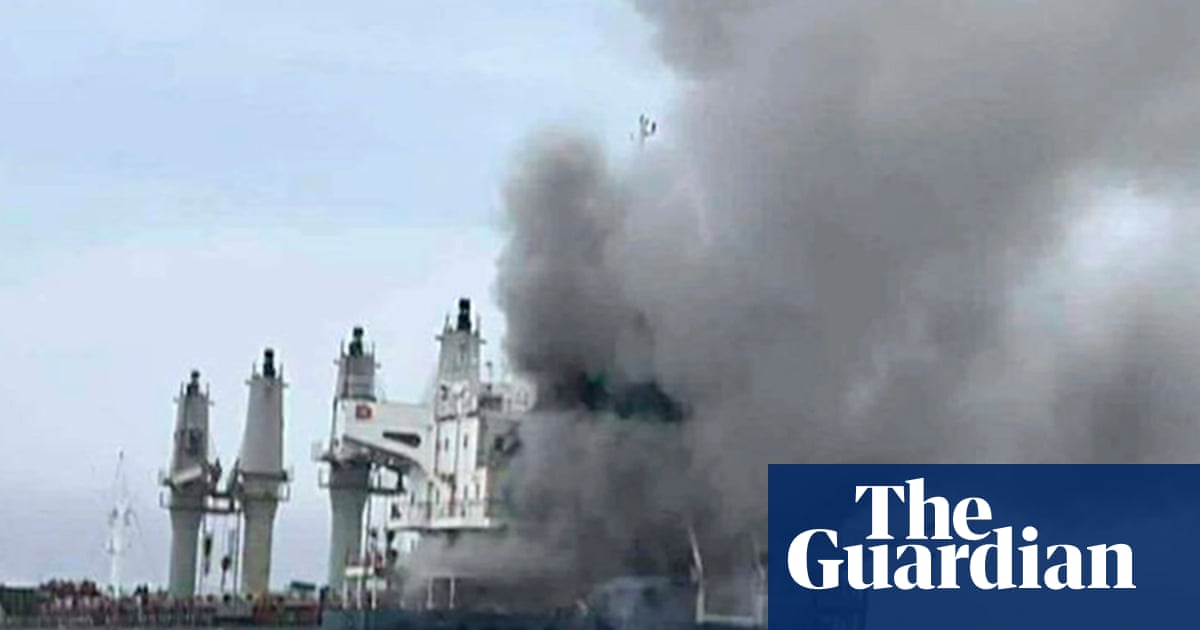
But the world’s refining capacity is deeply constrained. That’s in part because the supply chain got messed up during the war. It’s also because Iran attacked dozens of Middle Eastern refineries. And, more recently, Ukraine started blowing up Russian energy facilities.
Layer on extreme temperatures disrupting the cool conditions refineries need for proper distillation, and you’ve got yourself a big problem. Global refineries are processing 8.4 million fewer barrels of crude each day than they were before the war started — making 10% less fuel, according to Natasha Kaneva, head of global commodities research at JPMorgan.