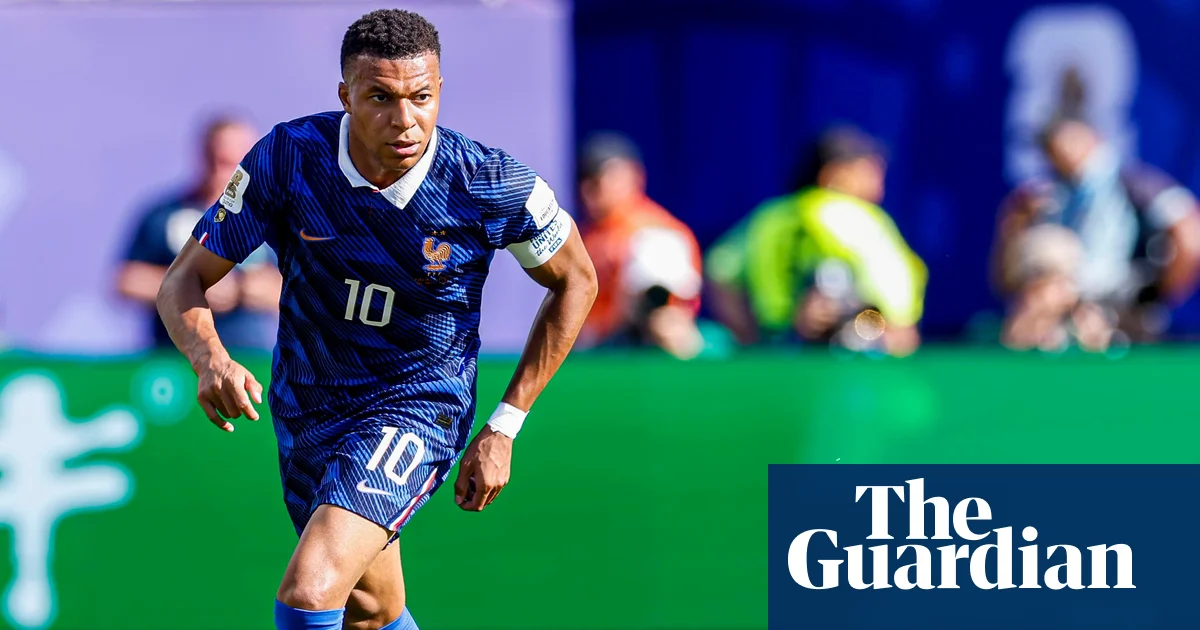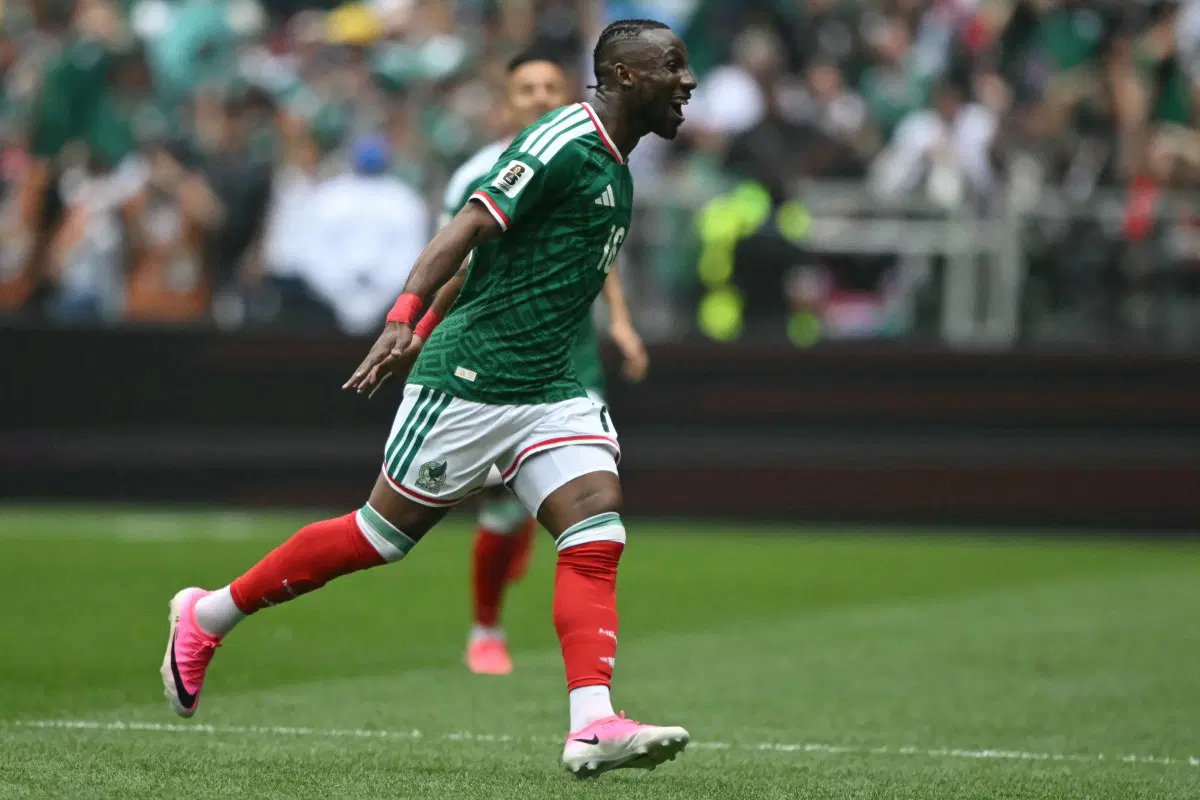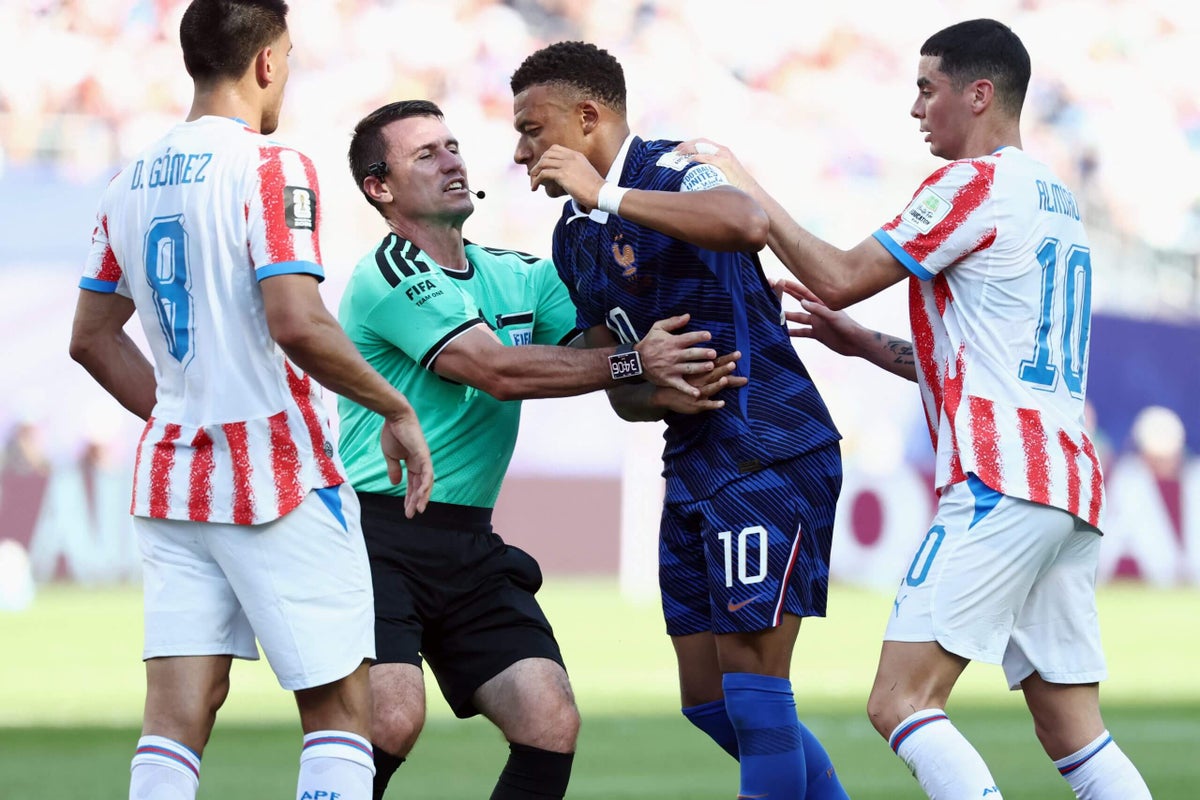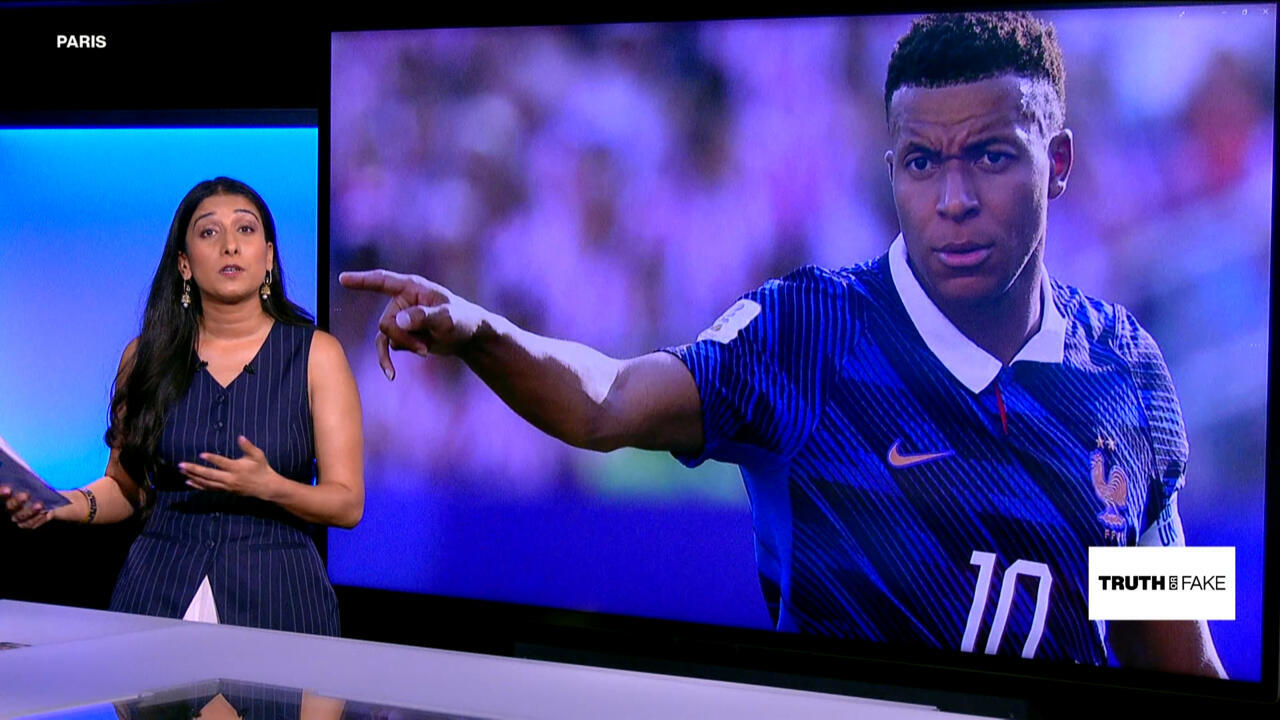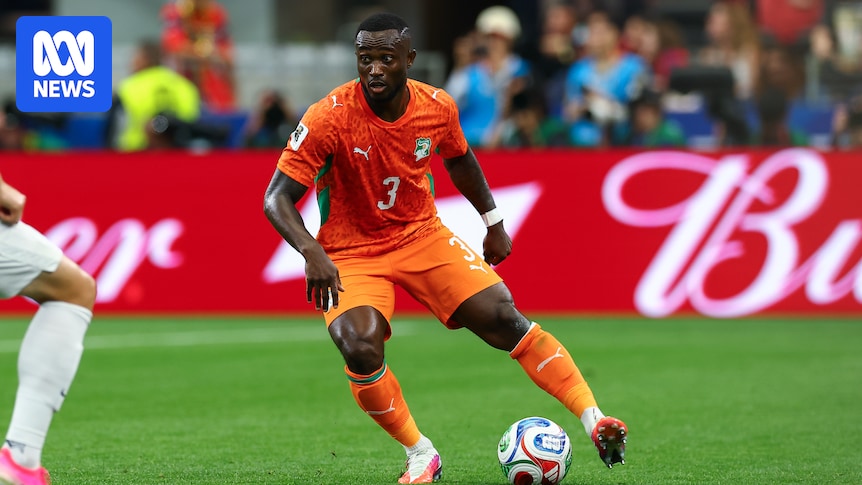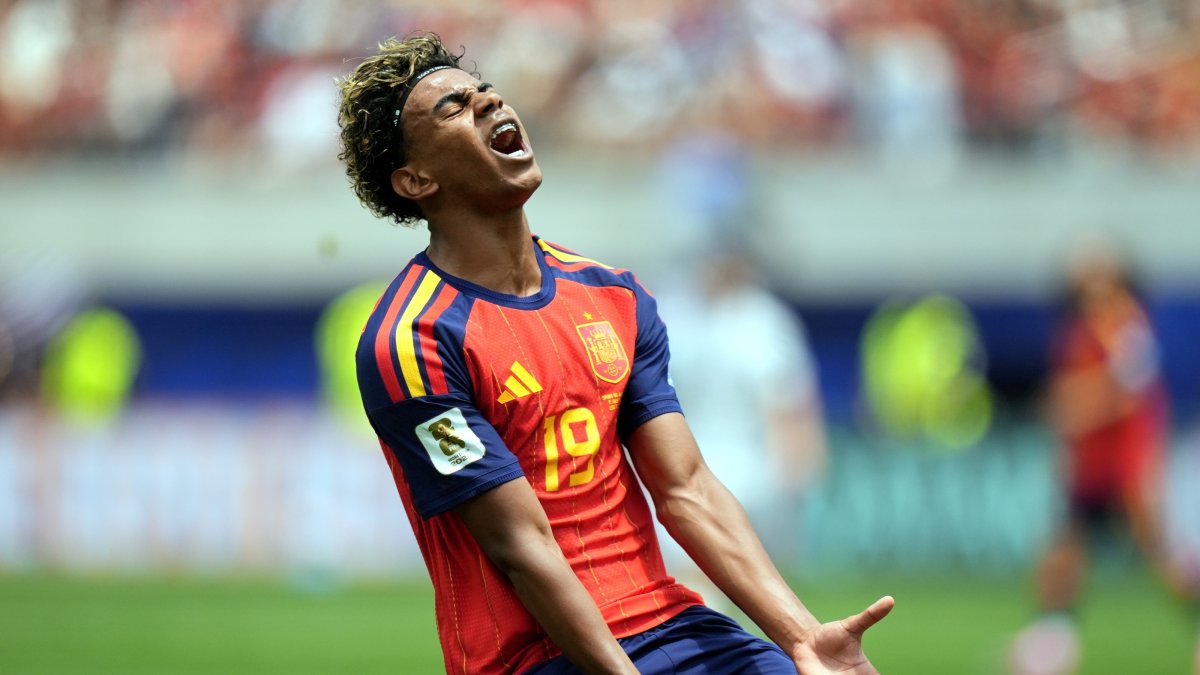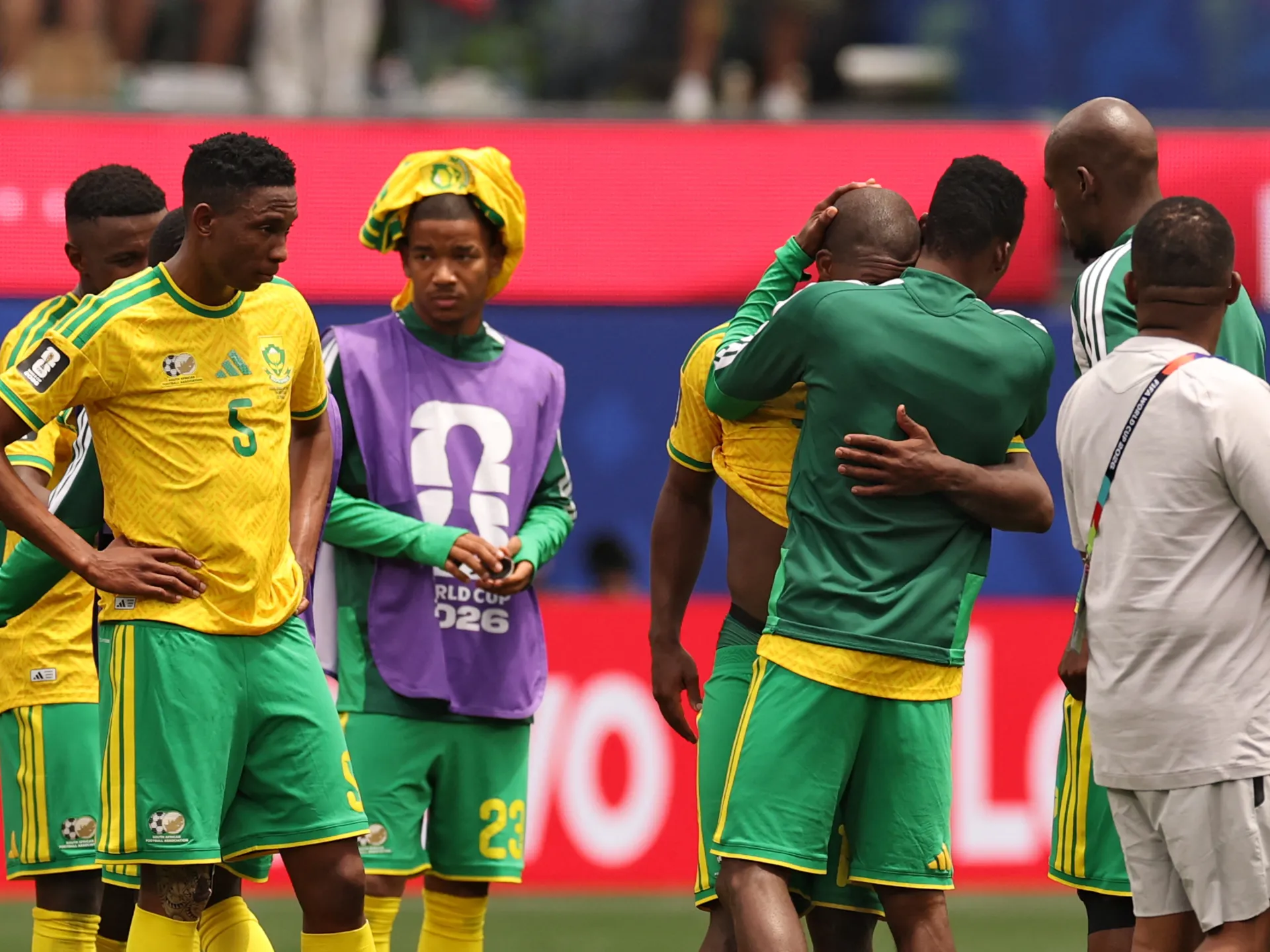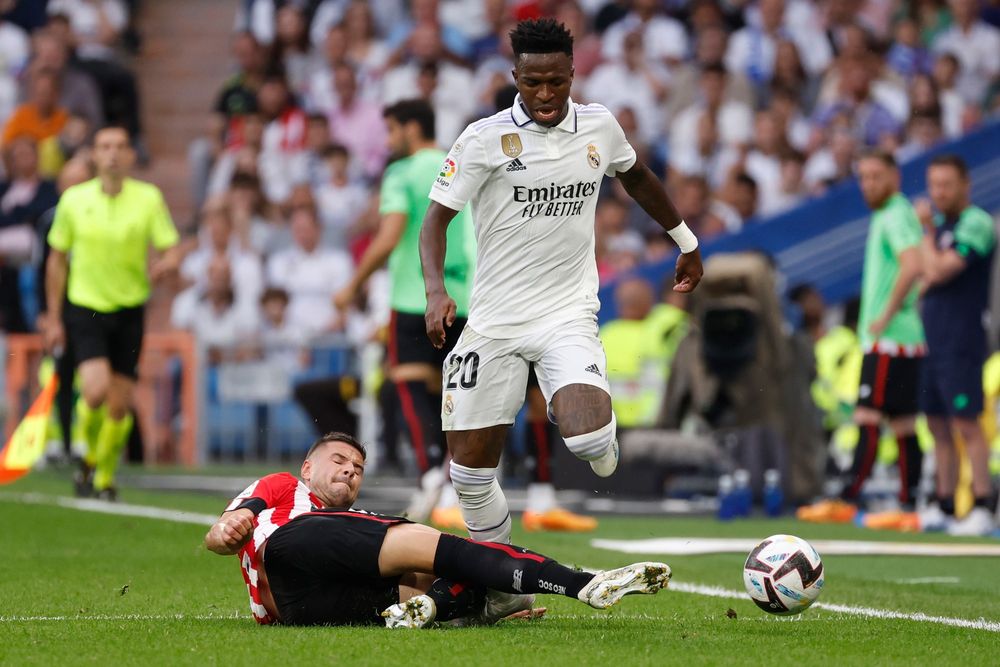
Real Madrid and Brazil forward Vinícius Júnior has endured repeated racist abuse throughout his career. In one of the most poignant moments of his fight against discrimination, he broke down during a press conference while speaking about the emotional toll of persistent racist chants from football fans. As the 2026 FIFA World Cup unfolds across the United States, Canada and Mexico, concerns over racism remain in sharp focus, with reports of racial abuse targeting players and even African referees. The authors argue that racial stereotypes continue to shape perceptions of African footballers, with coaches, scouts and even sports scientists often emphasising their physical attributes while overlooking their technical ability, tactical intelligence and broader footballing skills.
With a Somali referee being denied entry into the US, and the surge of online racist abuse after 2026 World Cup matches, racism and exclusion in football are once again in the news.
Overt anti-Black racism in football is well reported and researched. Less visible but important structural issues remain little scrutinised, though.
The 2026 World Cup is a perfect moment to examine the deeply entrenched – but often hidden – logic of the global market of footballers that reproduces racist stereotypes about Black athletes.