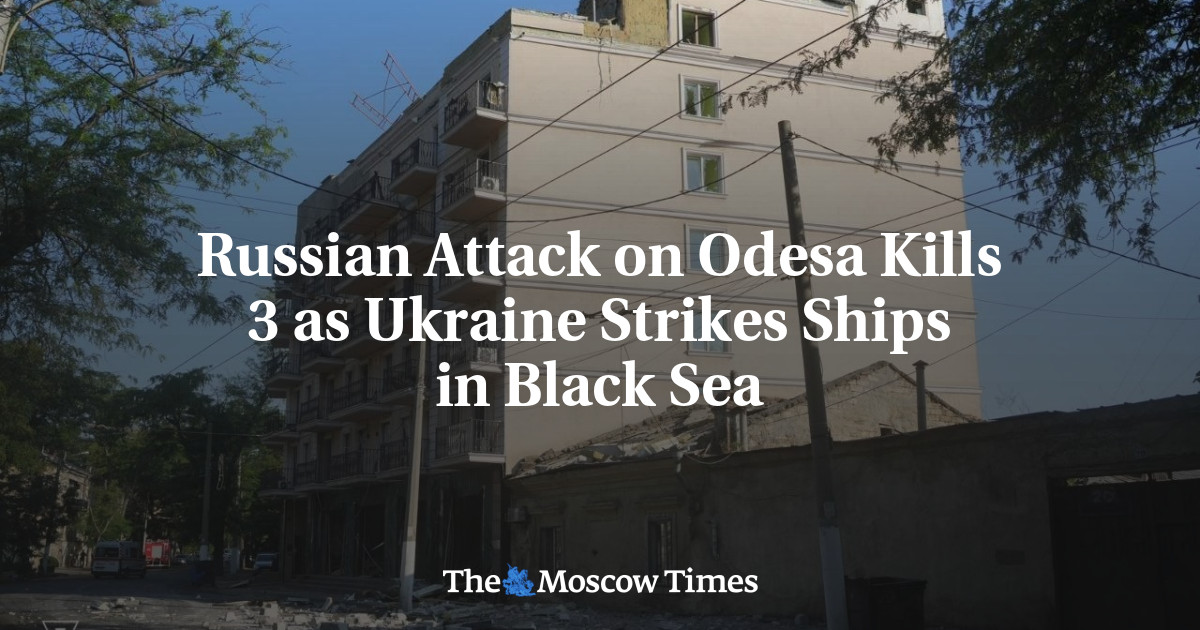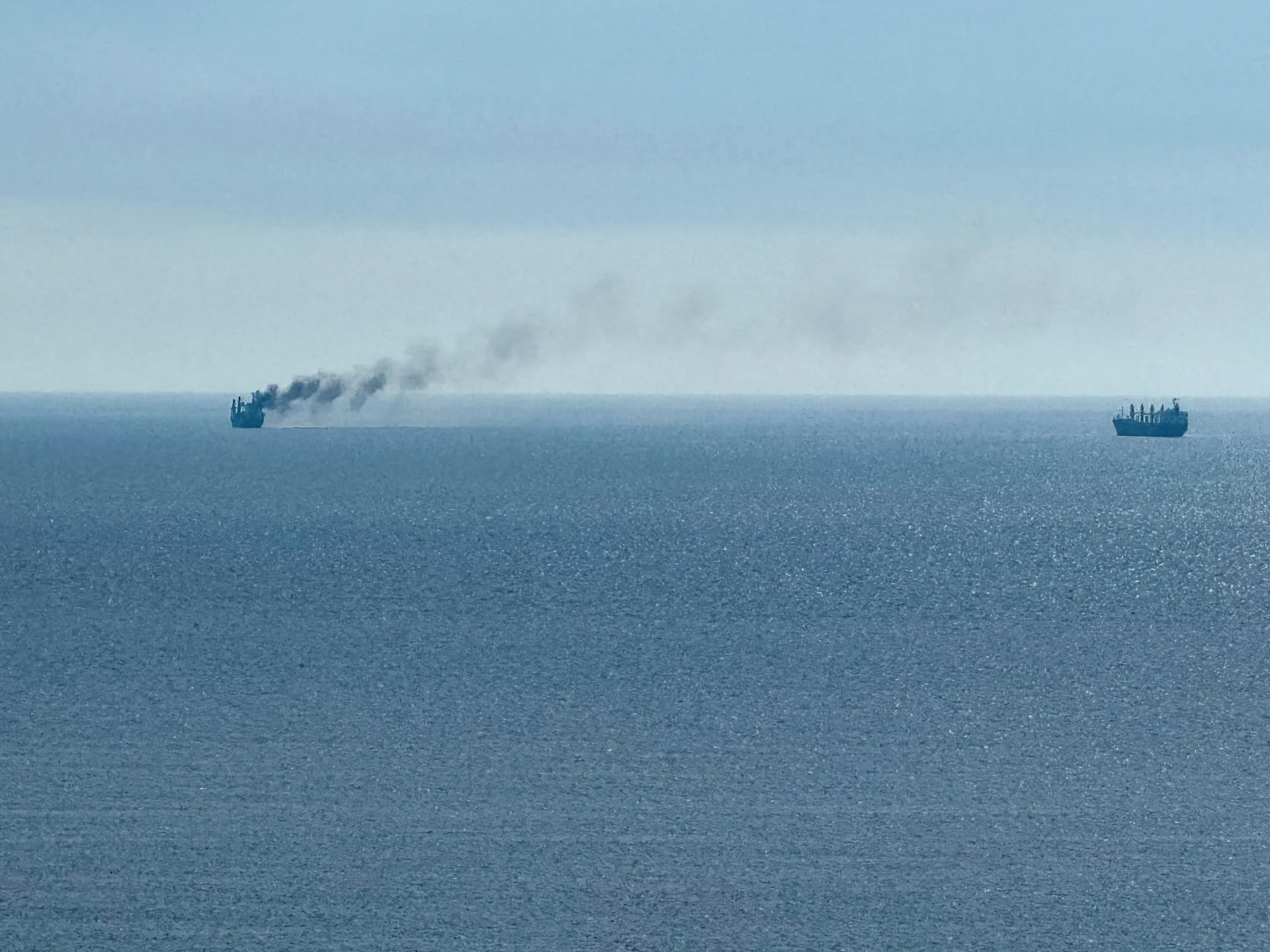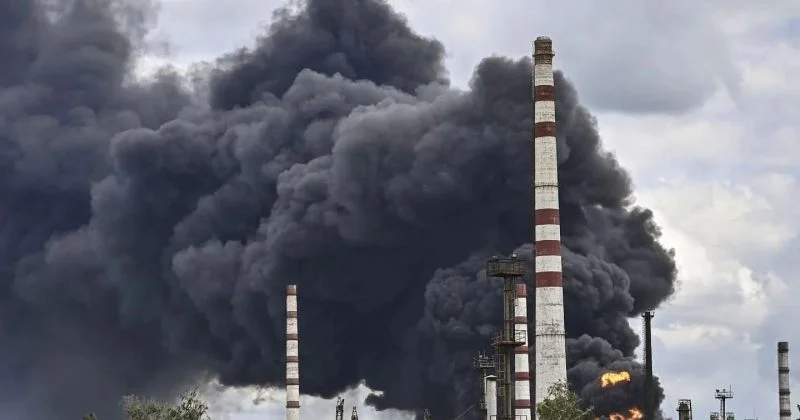
Overnight strikes from both Moscow and Kyiv have resulted in significant damage to fuel facilities in the Black Sea port of Odesa. This exchange is part of an ongoing escalation in the conflict, where both sides are targeting critical infrastructure. The attacks highlight the intensified missile and drone campaigns by Russia aimed at disrupting Ukraine’s port infrastructure and energy systems. Meanwhile, Ukraine has been targeting Russian gasoline tankers in the Sea of Azov to isolate occupied Crimea. These developments occur against a backdrop of no significant ground advances by Russian forces, but with increased aerial and maritime assaults.
Key Takeaways
Market pricing appears to suggest a decrease in the likelihood of a ceasefire agreement between Russia and Ukraine by the end of 2026, with the recent hostilities seen as reducing the odds of peaceful negotiations.
Current market pricing reflects a shift, showing a decrease to 24.5% for an October 31, 2026, ceasefire and maintaining at 10% for an August 31, 2026, agreement, indicating skepticism about near-term diplomatic resolutions.
The intensified military actions, including Russia’s targeting of Odesa’s fuel infrastructure, suggest further escalation, which may continue to influence the market outlook on the ceasefire prospects.