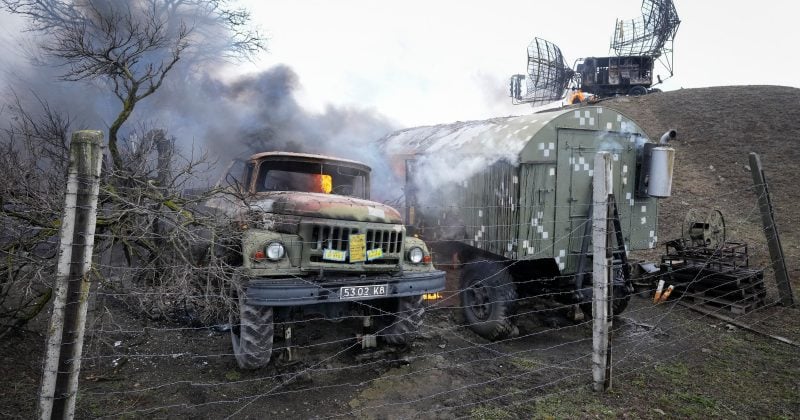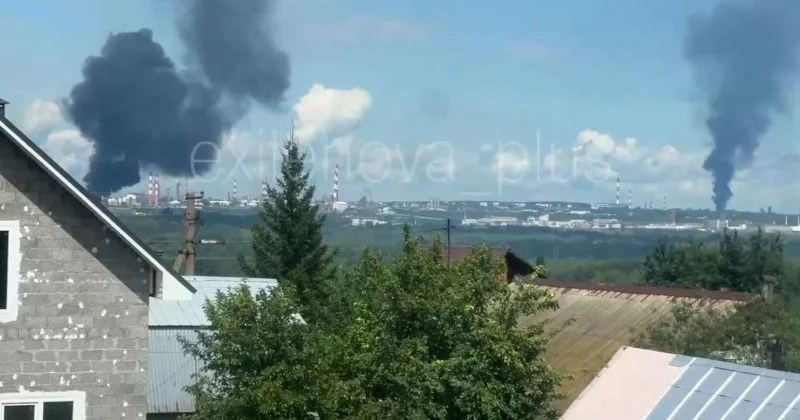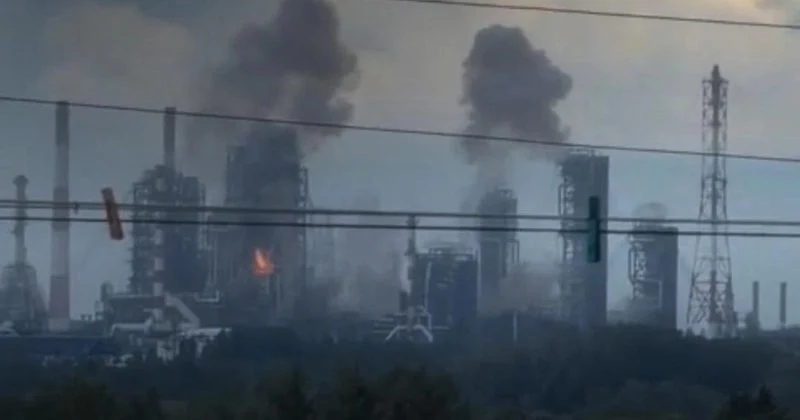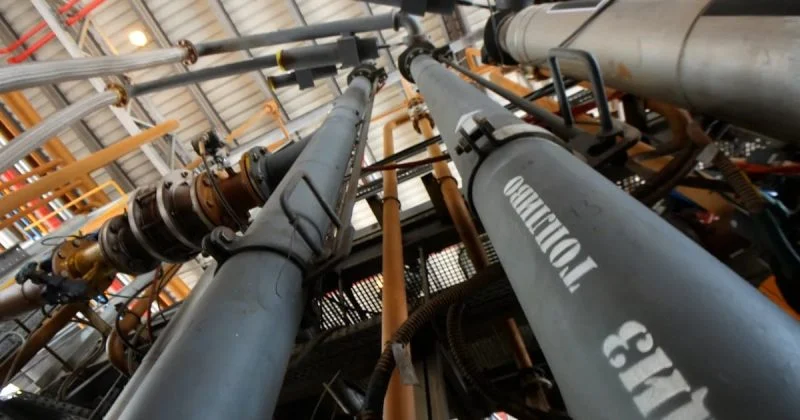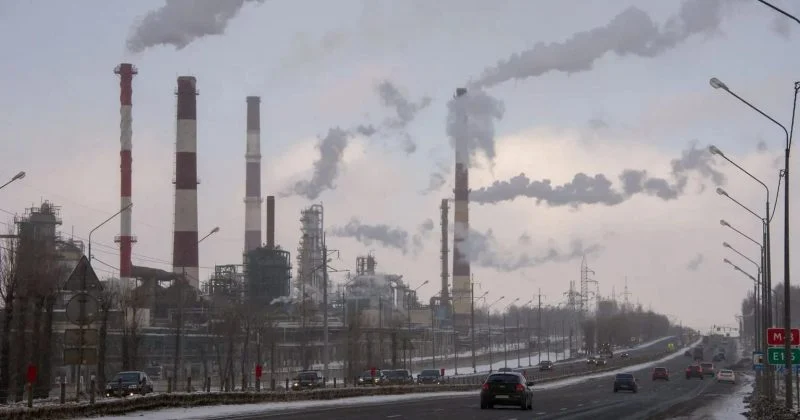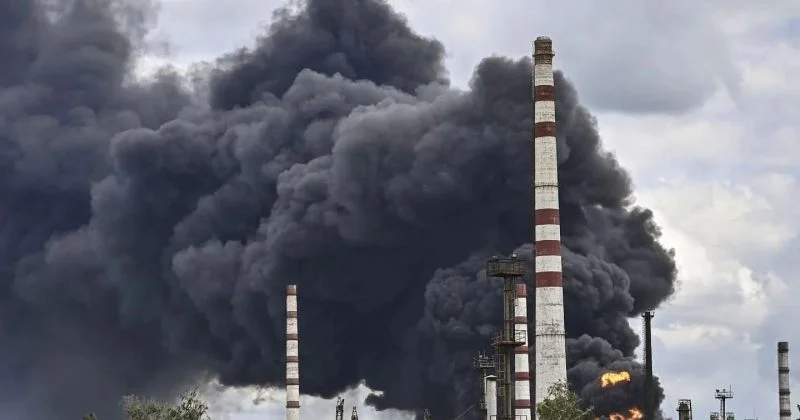
Ukraine has intensified its assault on Russian energy infrastructure, targeting oil refineries and depots at a rate described as unprecedented. This escalation is part of Ukraine’s broader strategy to undermine Russia’s war economy, which relies heavily on energy exports. The strikes have reportedly extended deep into Russian territory, with some reaching facilities up to 800 kilometers from the front lines. These operations are believed to be supported by U.S. intelligence, enhancing Ukraine’s ability to evade Russian air defenses.
This development marks a significant escalation in the ongoing conflict, with both sides now targeting critical infrastructure in what some analysts describe as “total war” tactics. Russia has reciprocated by launching massive drone and missile barrages against Ukrainian energy facilities, resulting in widespread blackouts affecting over 100,000 residents. The mutual targeting of civilian infrastructure raises concerns about potential violations of international humanitarian law.
In prediction markets, this escalation appears to have influenced the perceived likelihood of a ceasefire agreement between Russia and Ukraine by December 31, 2026. Recent movements in the market suggest a decrease in confidence that a formal ceasefire will be reached within the year, as market participants likely view the increased hostilities as decreasing the chances of negotiations.