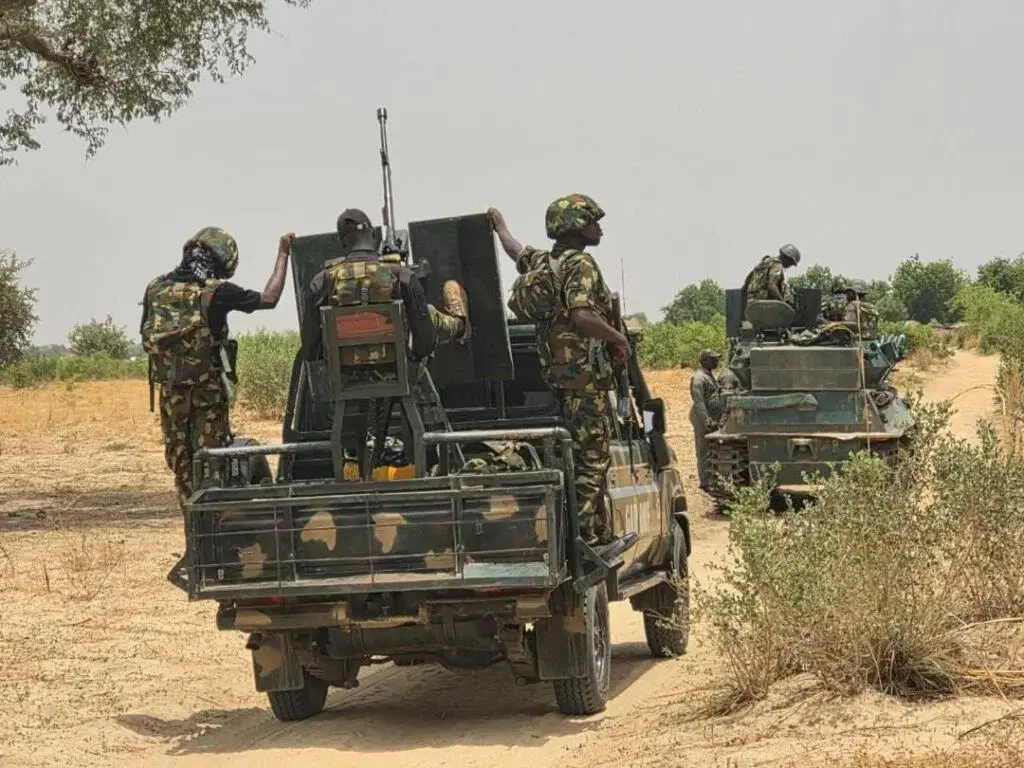
For more than a decade, Nigerians have buried their loved ones, watched entire communities reduced to rubble, witnessed schools destroyed, churches and mosques attacked, soldiers ambushed, and millions displaced by the brutality of terrorism. Thousands of families are still searching for justice, while countless victims continue to live with physical and emotional scars that may never heal.
It is against this painful background that the Nigerian Senate’s recent rejection of the continued rehabilitation of repentant terrorists has resonated with millions of citizens across the country. The resolution is not merely a political statement; it is a powerful affirmation that justice must remain at the heart of Nigeria’s fight against terrorism.
The debate over terrorist rehabilitation is not new. It has divided security experts, human rights advocates, policymakers and ordinary Nigerians for years. While supporters see rehabilitation as a strategic counterinsurgency tool, many Nigerians regard it as a policy that appears to reward those who once took up arms against the state while neglecting the innocent victims of their atrocities.
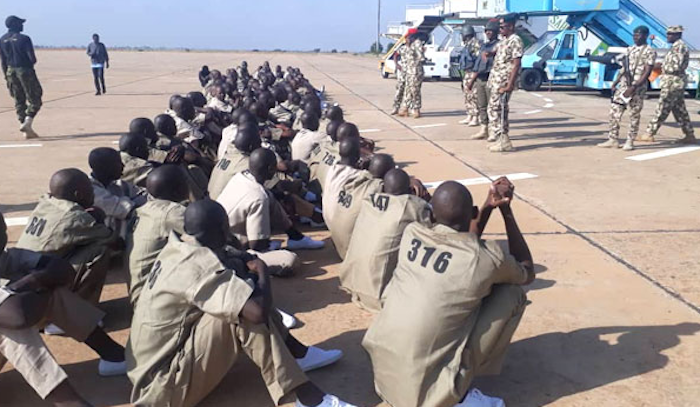
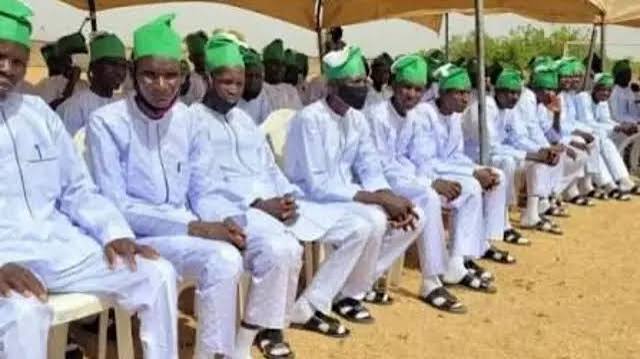
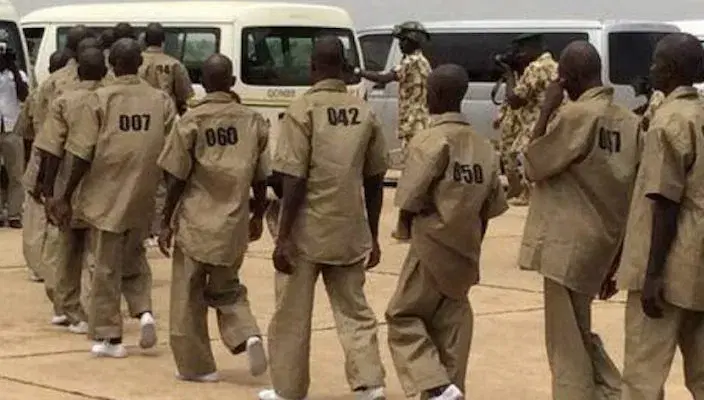
The policy traces its roots to Operation Safe Corridor, a Federal Government initiative launched in 2016 as part of Nigeria’s non-kinetic approach to combating insurgency. The programme was created to encourage members of Boko Haram and other extremist groups—particularly those considered low-risk—to surrender voluntarily. Participants receive psychological counselling, religious reorientation, vocational training, civic education and other forms of rehabilitation before being reintegrated into society.