June 3, 2026
I believe that forgiving them is God’s function; our job is to arrange the meeting — Herbert Norman Schwarzkopf Jr., US Army General.
When Mrs. Liyatu Simon Tawasu recalls the Boko Haram attack on her village of Gwallam in Borno State, the pain remains fresh more than a decade later.
On October 1, 2014, insurgents stormed the community, killing scores of residents, including 15 members of her extended family. Her uncles were executed before their wives, while survivors returned days later to bury bodies abandoned in the open. “The pillars of my village are gone. I am a victim and no one can quantify my anguish,” she said quietly.
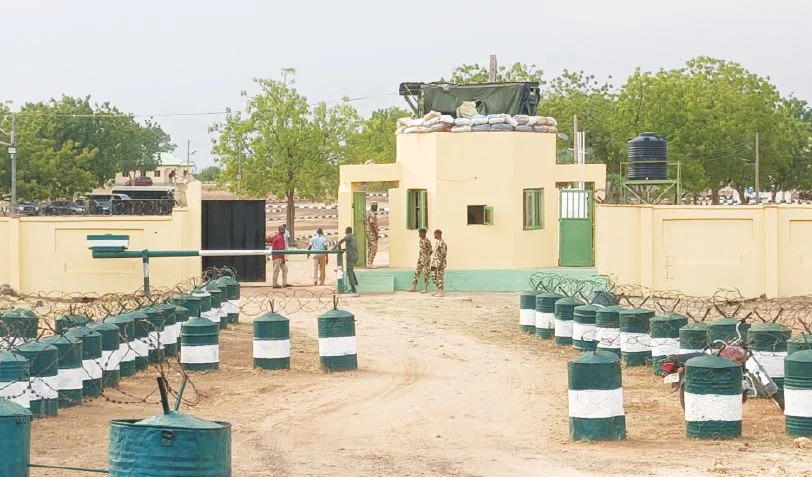
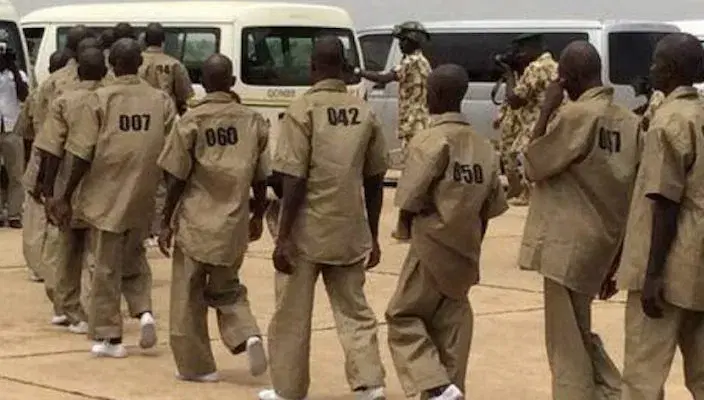
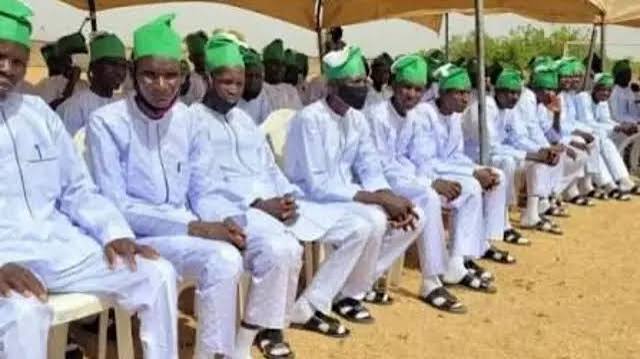
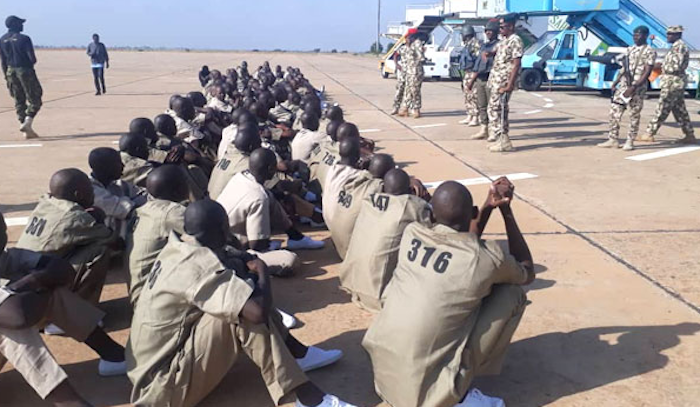
For thousands of Nigerians displaced, orphaned, widowed or maimed by insurgency, stories like hers raise a troubling question: Why is government investing billions of naira rehabilitating former terrorists while many victims remain trapped in poverty and displacement? The question lies at the heart of the controversy surrounding Operation Safe Corridor (OPSC), Nigeria’s programme designed to de-radicalise, rehabilitate and reintegrate repentant Boko Haram members into society. While supporters see it as a pragmatic strategy to weaken insurgency, critics argue it risks rewarding perpetrators while neglecting victims.