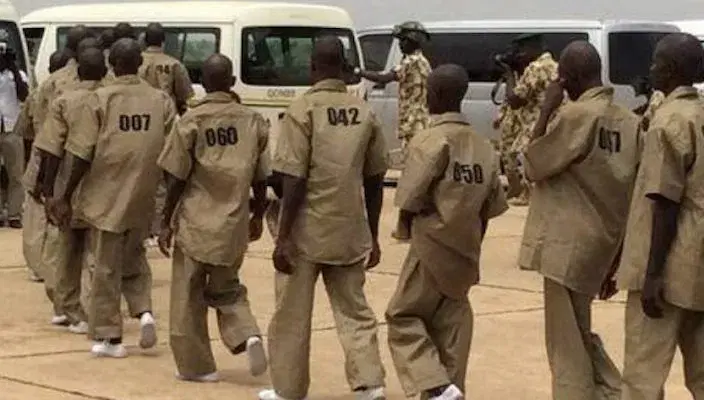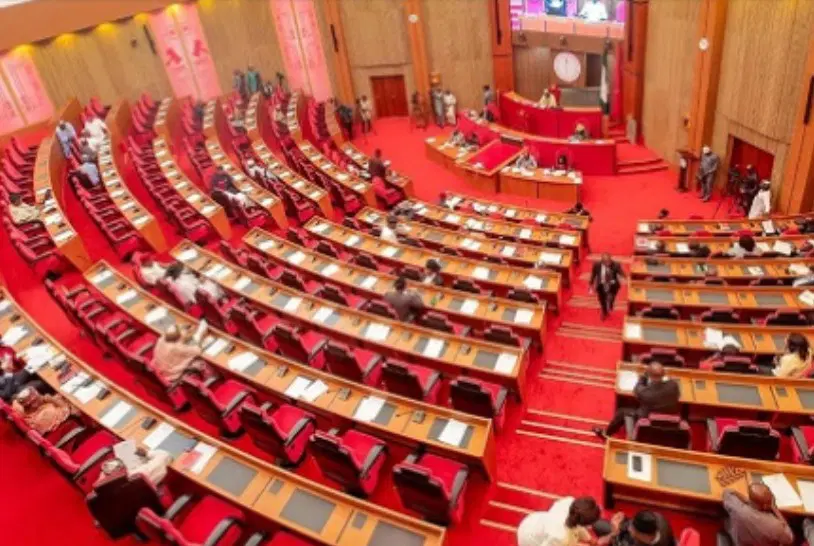
The Senate has finally given voice to a national outrage that has simmered for too long: Nigeria’s policy of rehabilitating and reintegrating so-called repentant Boko Haram fighters without doing them justice. It has outlived whatever limited utility its creators may once have claimed. A programme that begins with surrender and ends with return to the very society these men once terrorised is not a strategy but a gamble with human lives and public trust, as well as a nursery bed for the aggravation of insecurity.
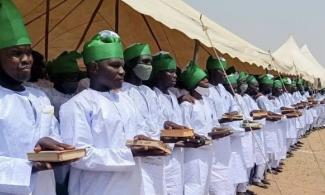
Operation Safe Corridor (OSC), launched in 2016 under former President Muhammadu Buhari, was sold as a humane pathway out of insurgency. In practice, it has too often looked like a shortcut around justice. There is no science that can neatly decipher repentance in the mind of a terrorist, especially one indoctrinated from childhood into violent jihadism. Even where remorse is sincere, it should not erase accountability. The proper sequence is investigation, prosecution and, only where the law permits, mercy.
The central failure of the programme is moral as well as operational. Victims of Boko Haram’s atrocities are told to endure the return of men linked to slaughter, abductions and the destruction of schools and entire communities. That does not heal society; it deepens the wound. It also sends a dangerous signal to would-be recruits that violence may be followed by a soft landing, rehabilitation and eventual release. In a country already contending with banditry, kidnapping and insurgent splintering, that is an invitation to more bloodshed.