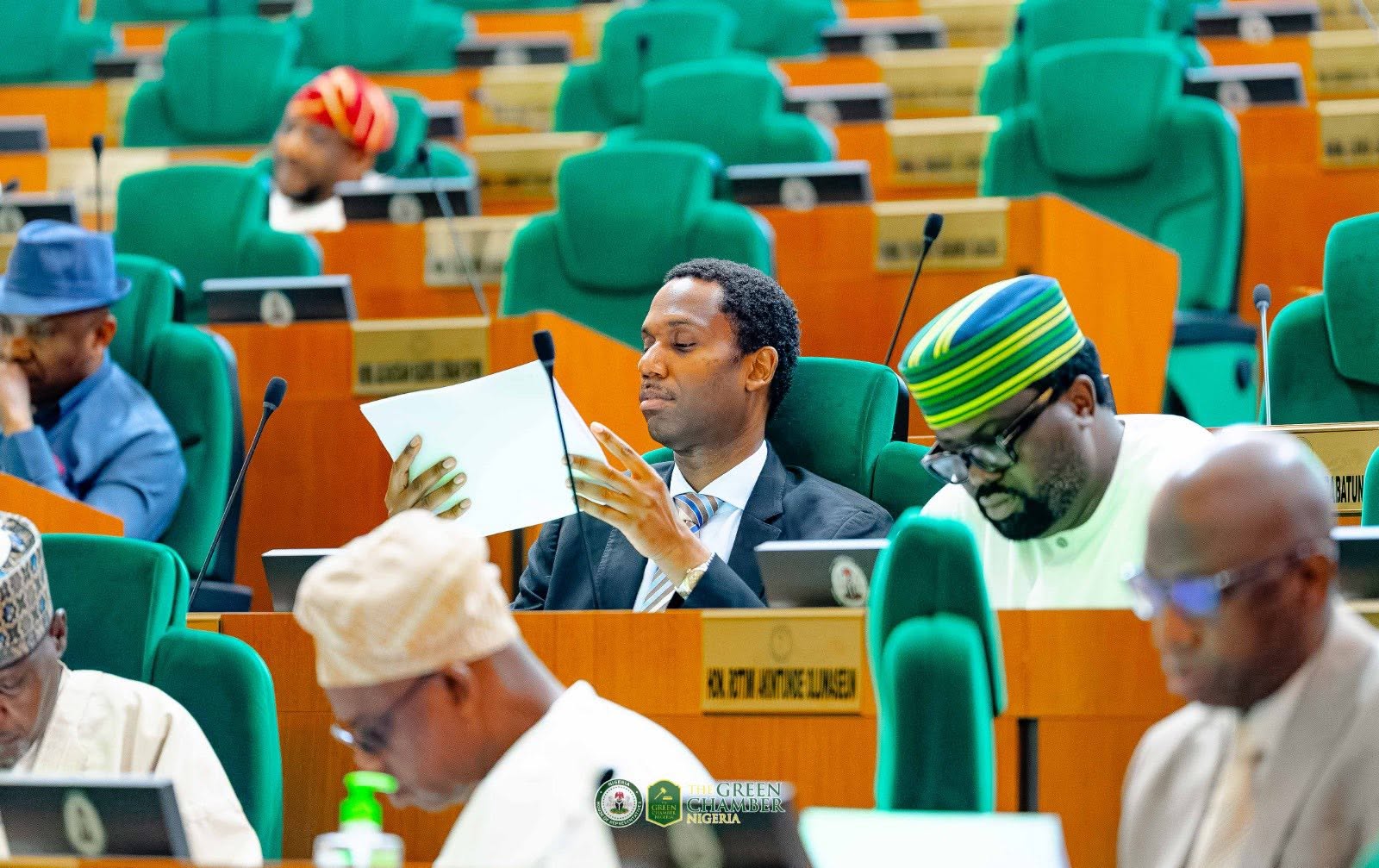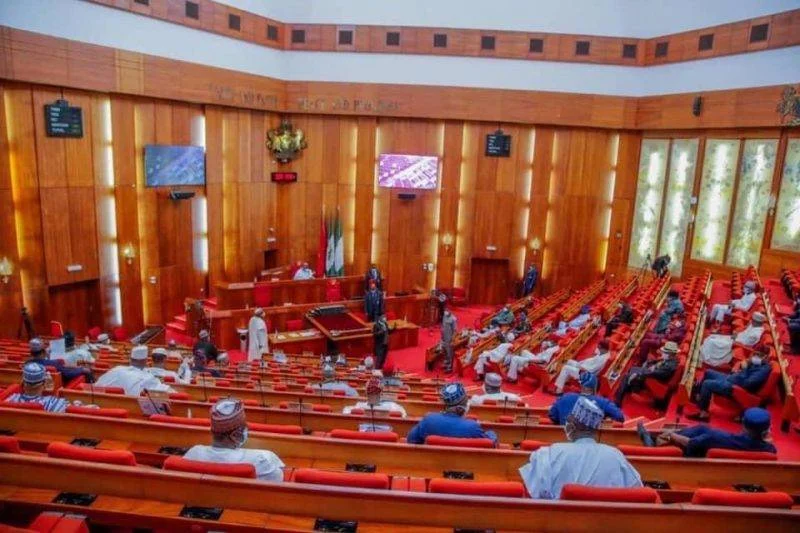
THE Senate’s belated resolution calling for the suspension of the rehabilitation, de-radicalisation and reintegration of “repentant” terrorists is a welcome repudiation of Nigeria’s deeply flawed counterterrorism strategy. But the upper chamber must not stop at passing a resolution. It should follow through with legislative oversight and sustained pressure to ensure that the executive abandons this dangerous policy in the public interest.
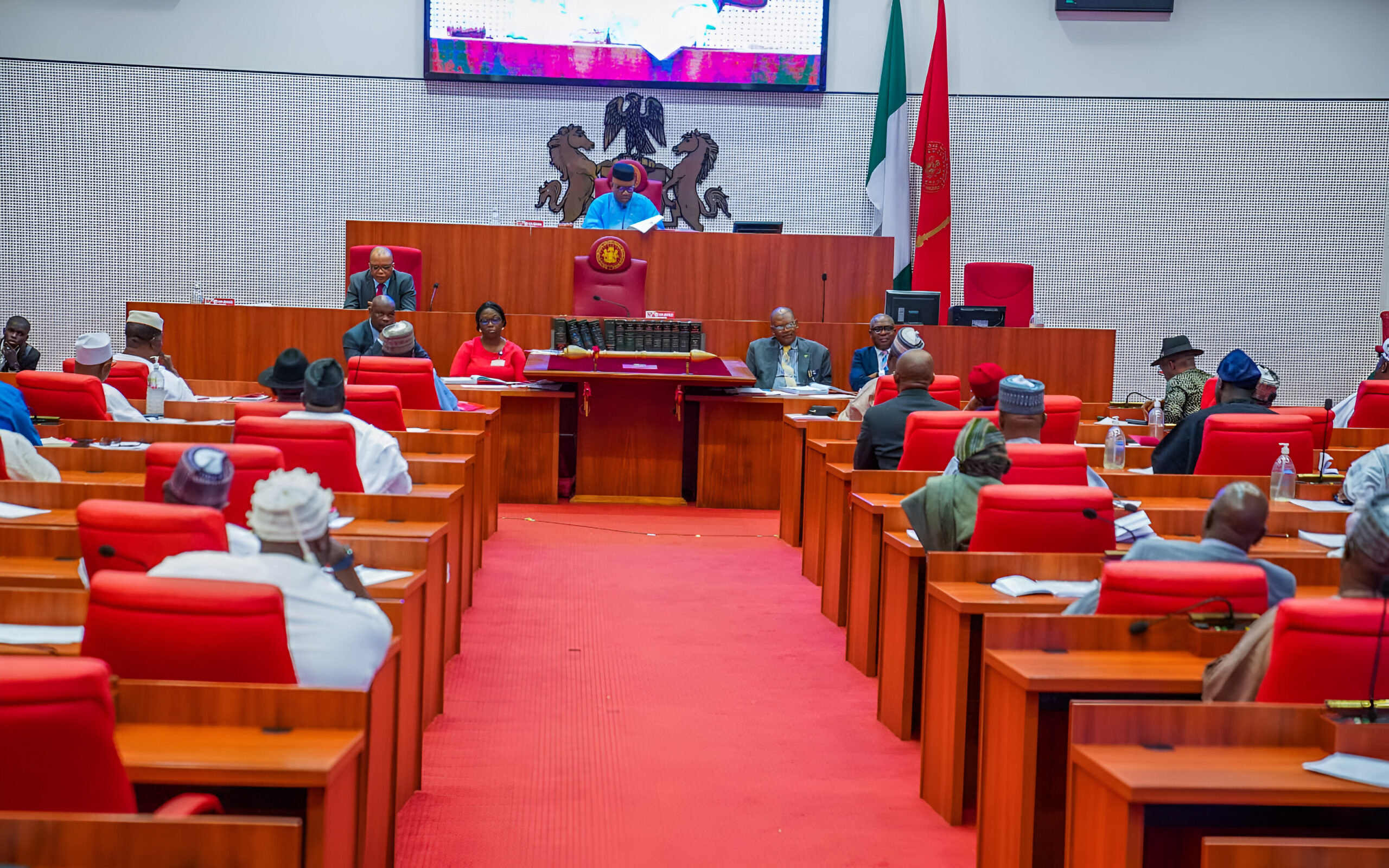
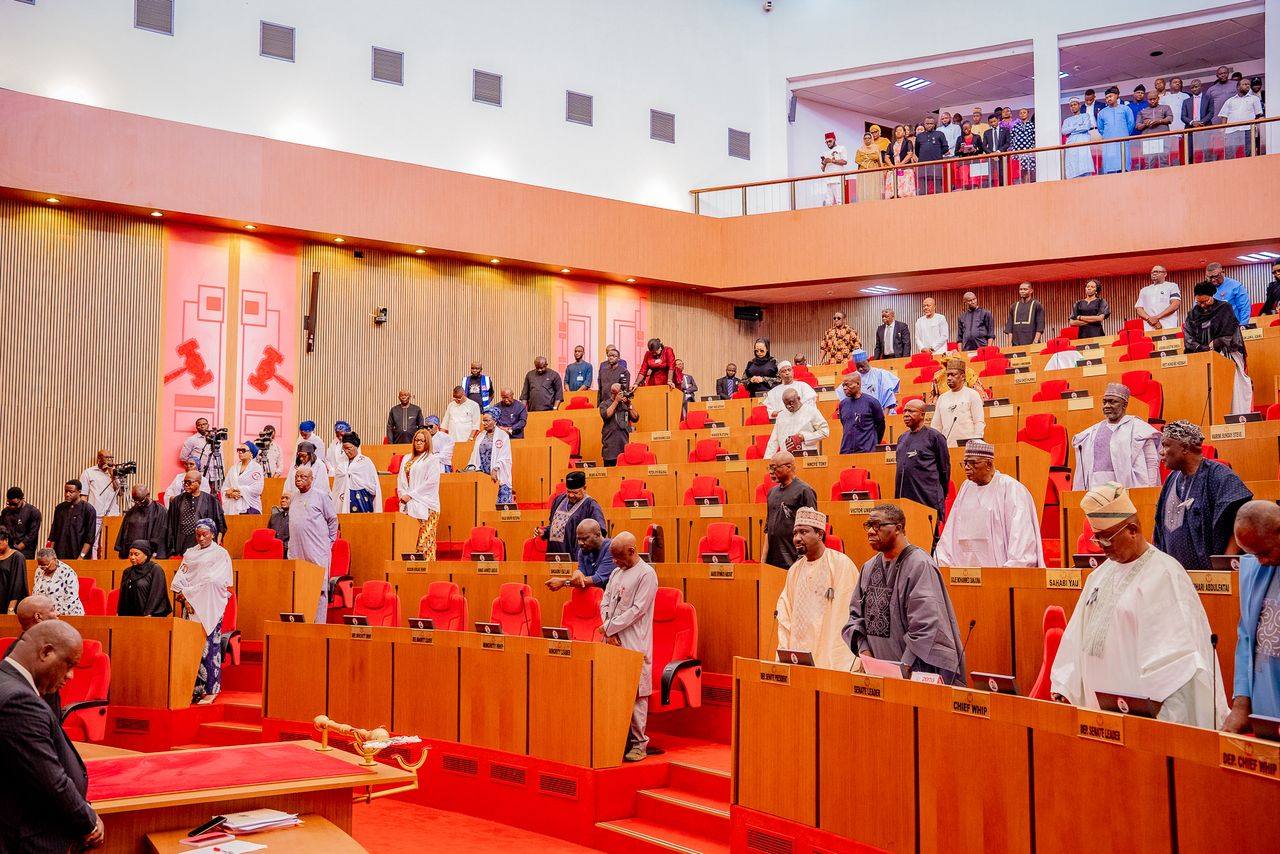
Since insurgency erupted in 2009, terrorism has threatened Nigeria’s national life. Yet, after years of lethargy, the Senate finally adopted a resolution on July 7 urging the Federal Government to suspend the pardon of Islamic terrorists.
Leading the debate, Abdulaziz Yar’Adua decried the country’s worsening insecurity, citing the serial abduction and killing of serving and retired generals and other military personnel.
Arguing that rehabilitation aligns with the global Disarmament, Demobilisation and Reintegration principle, and that military action alone cannot defeat insurgency, the Muhammadu Buhari administration launched Operation Safe Corridor in 2016.
The programme was conceived as a non-kinetic peace-building initiative to grant amnesty to low-risk, supposedly repentant insurgents, de-radicalise them and reintegrate them into society.