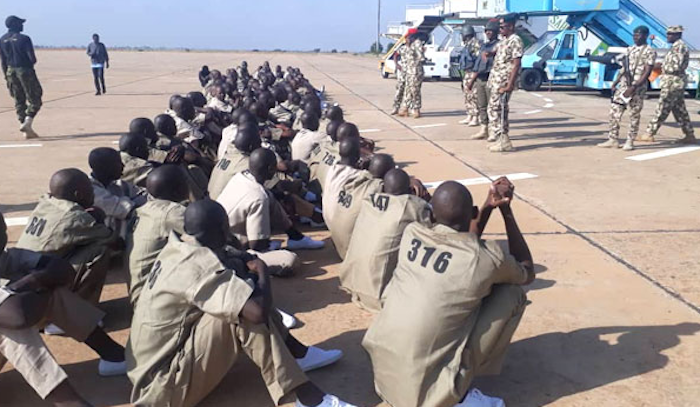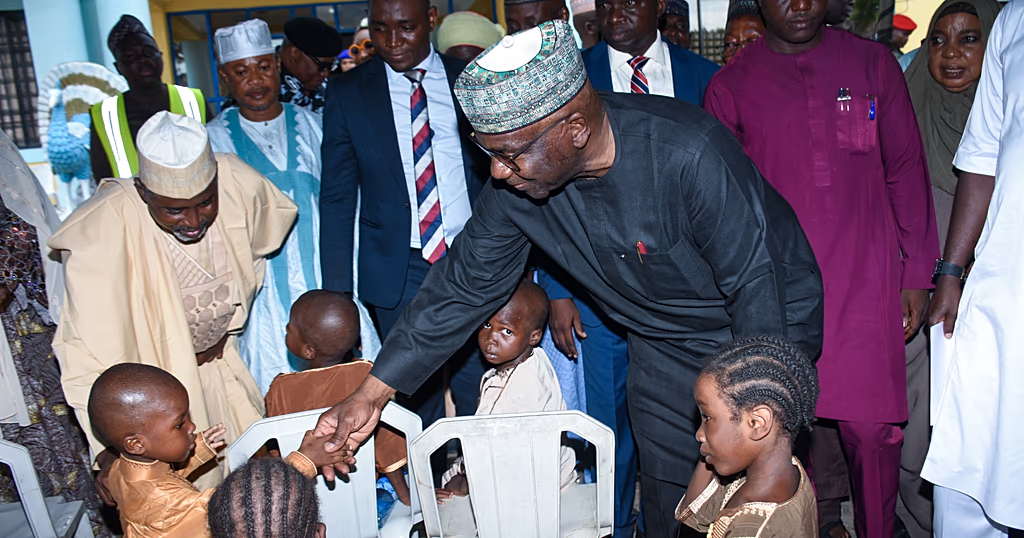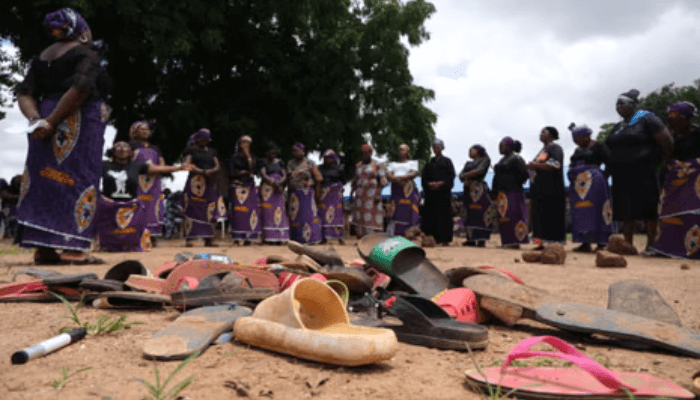
adsNigeria has become a country extraordinarily fluent in the language of tragedy. We mourn publicly, perform outrage efficiently, trend hashtags with impressive speed, and commission solemn committees with ritualistic regularity. We know how to count the abducted, how to announce rescues, how to issue presidential condolences, how to organise press conferences beside rows of exhausted survivors wrapped in donated blankets. But the deeper test of civilisation has never been whether a society can grieve. It is whether it can restore.
And here, modern Nigeria reveals one of its gravest moral failures. I only realised this failure very recently; and I’m sure there are millions of Nigerians still in the dark
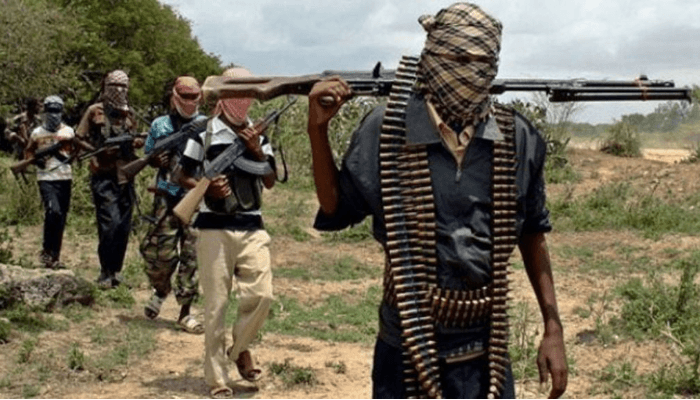
Beyond the headlines of abductions in the northeast, beyond the televised reunions of rescued schoolgirls, beyond the triumphant announcements of military operations against insurgents and trafficking syndicates, lies a quieter catastrophe that receives almost no national attention: the commodification of reintegration itself. The survivor becomes useful as a symbol but burdensome as a human being. Rescue becomes a public spectacle while rehabilitation becomes an administrative inconvenience. The state celebrates extraction from captivity but often proves structurally incapable of rebuilding the shattered lives that emerge from it.