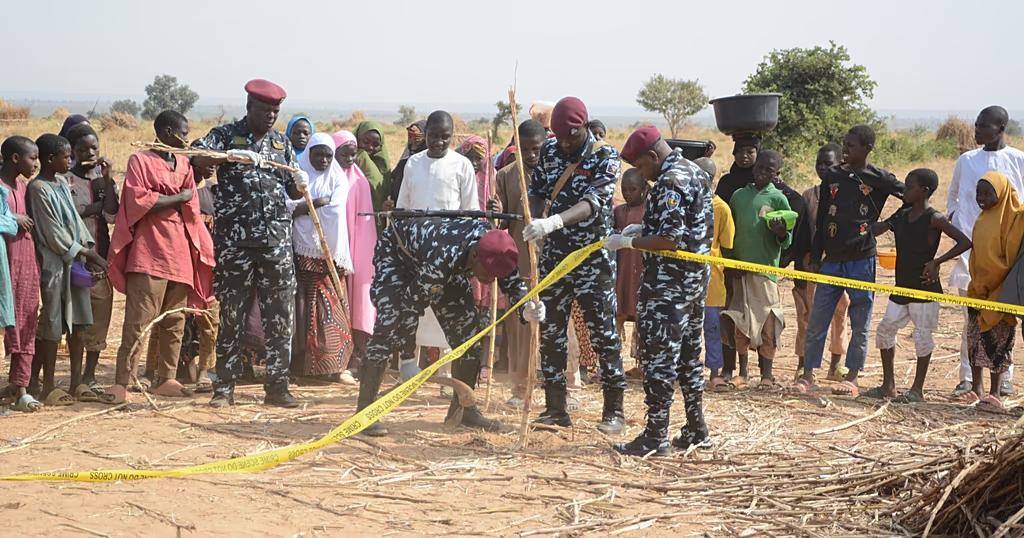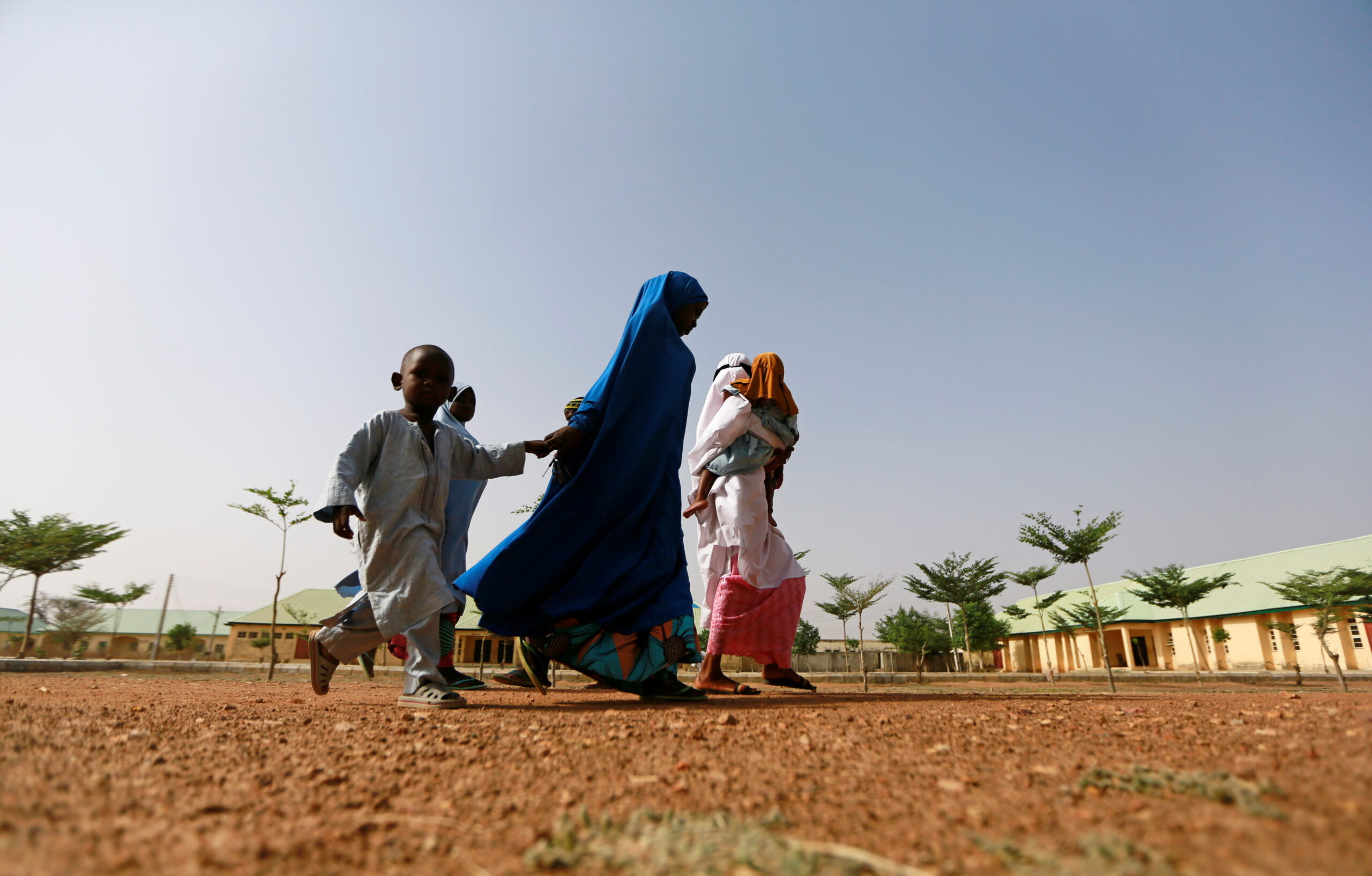
Mothers arrive at JSS Jangebe to collect their daughters following their release after they were kidnapped, in Jangebe, Zamfara, Nigeria March 3, 2021. REUTERS/Afolabi Sotunde
Kidnapping for ransom has become one of Nigeria’s most pervasive and destabilising security threats. Once concentrated in the Niger Delta and tied to militancy, it has spread across the country, embedding itself in the conflict economies of the northwest and central regions.
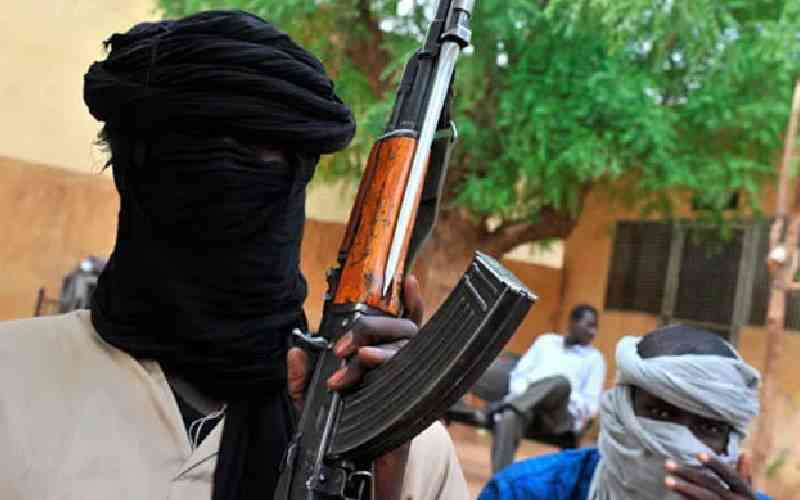
From 2018-2023, bandits killed more people in Nigeria’s northwest than the terrorist groups Islamic West Africa Province and Boko Haram combined in the northeast. Armed bandits target farmers, traders, students, families and travellers, turning abduction into a low-risk, high-reward enterprise that thrives amid weak state protection and fragmented security responses.
Following the government’s failed attempt to criminalise ransom payments in April 2022, Nigerians are increasingly turning to social media crowdfunding to pay hefty sums for abducted loved ones. After a family of six was abducted in Abuja in January 2024, the failure to pay a ₦60 million ($44,000) demand resulted in one daughter being killed. That sparked at least five campaigns on X alone, raising about ₦230 million ($168,000) in 18 days.