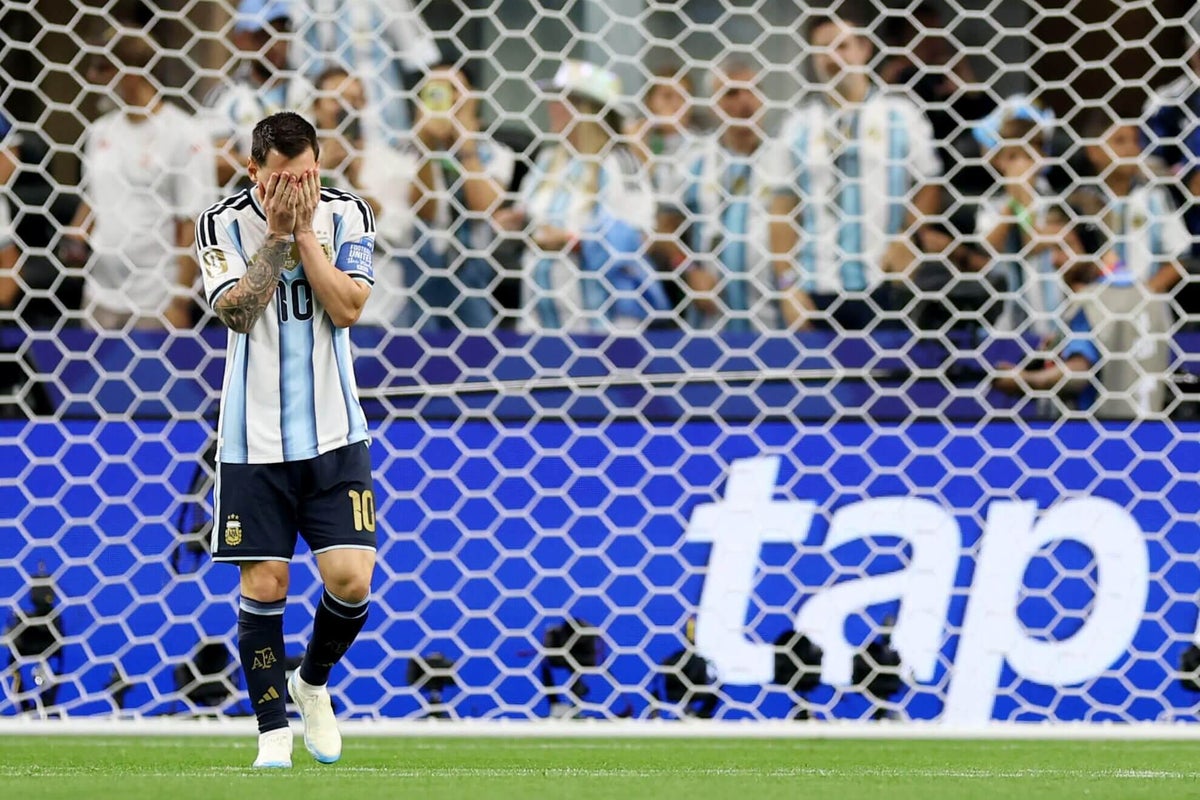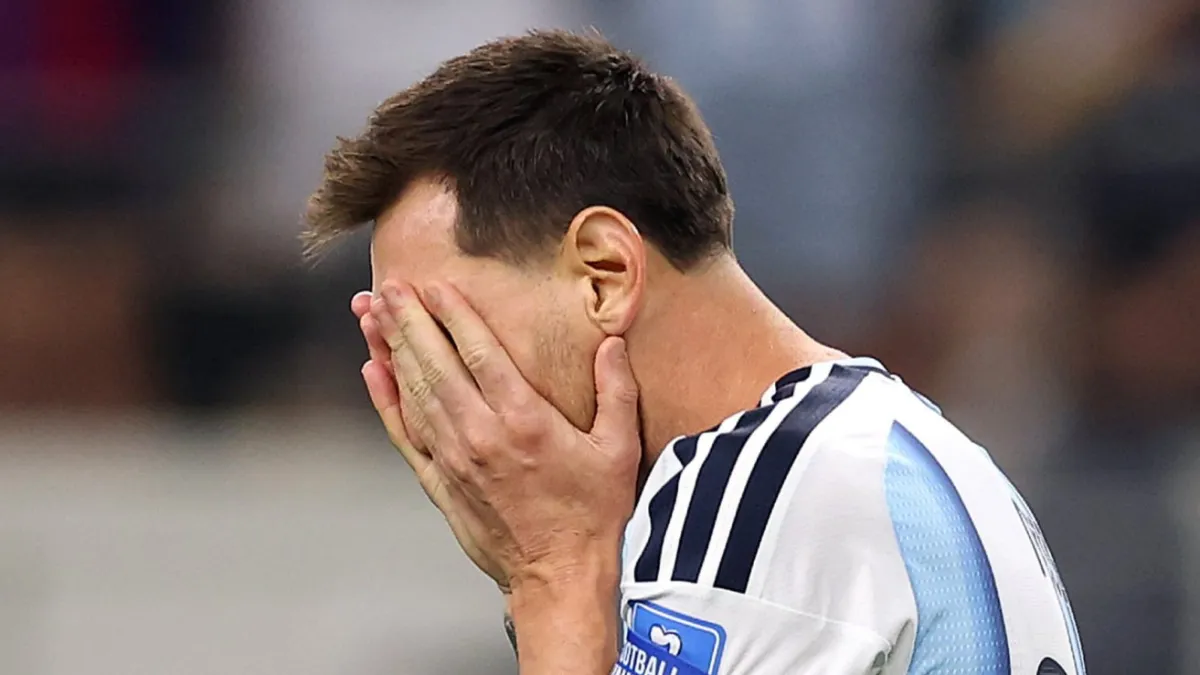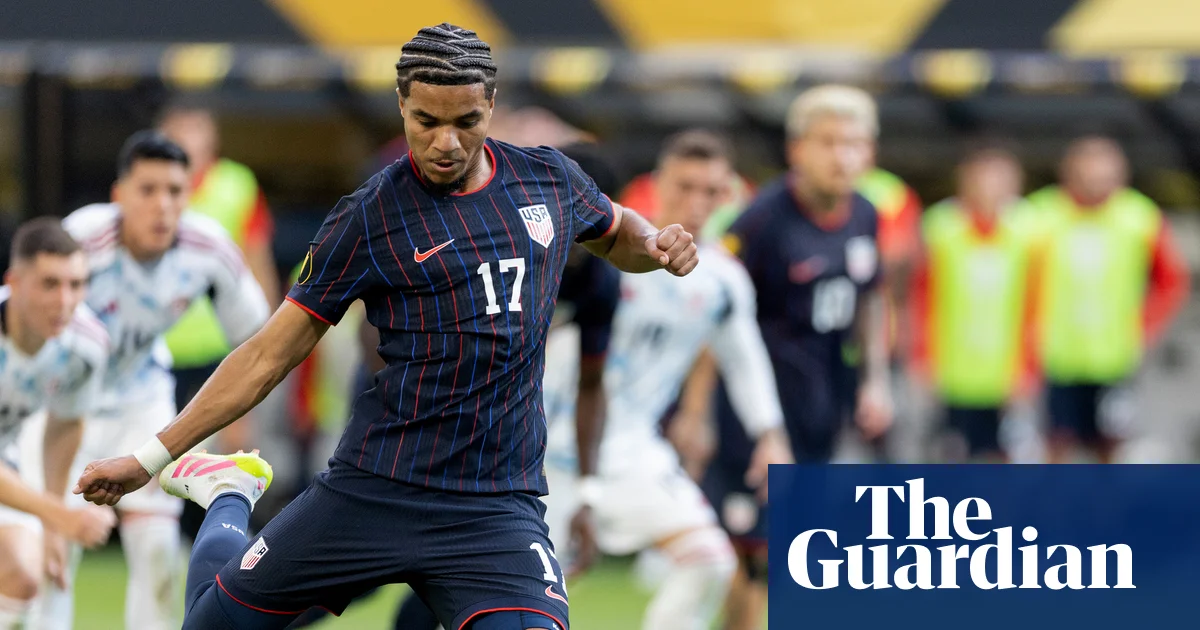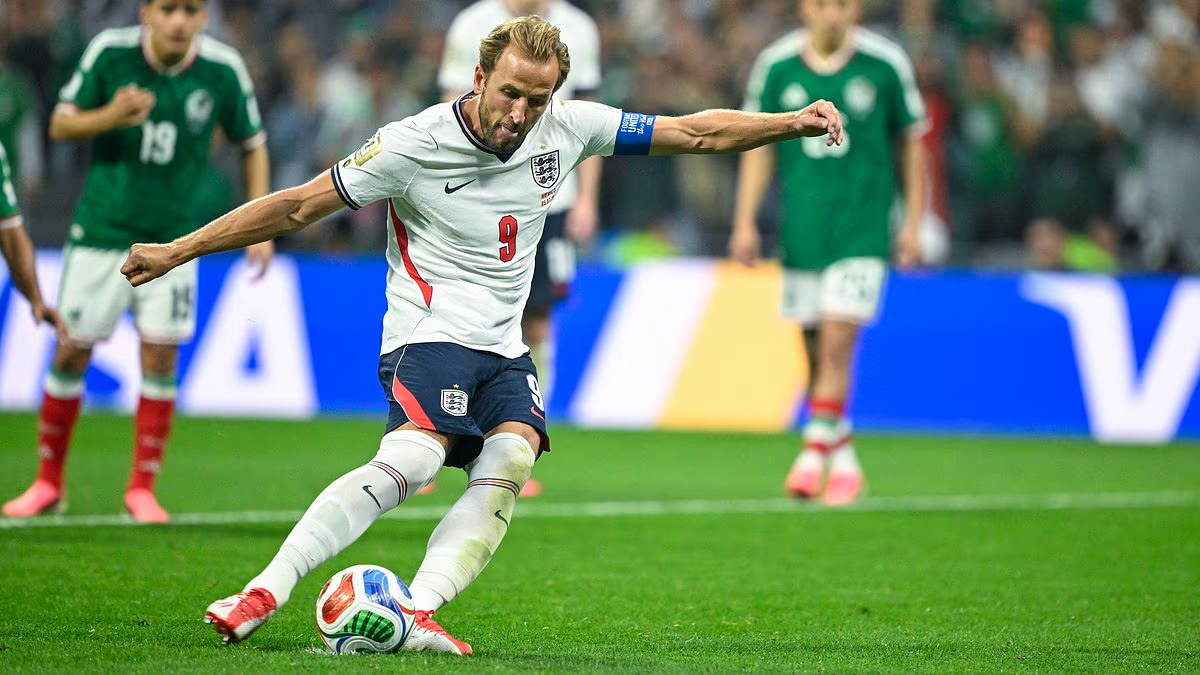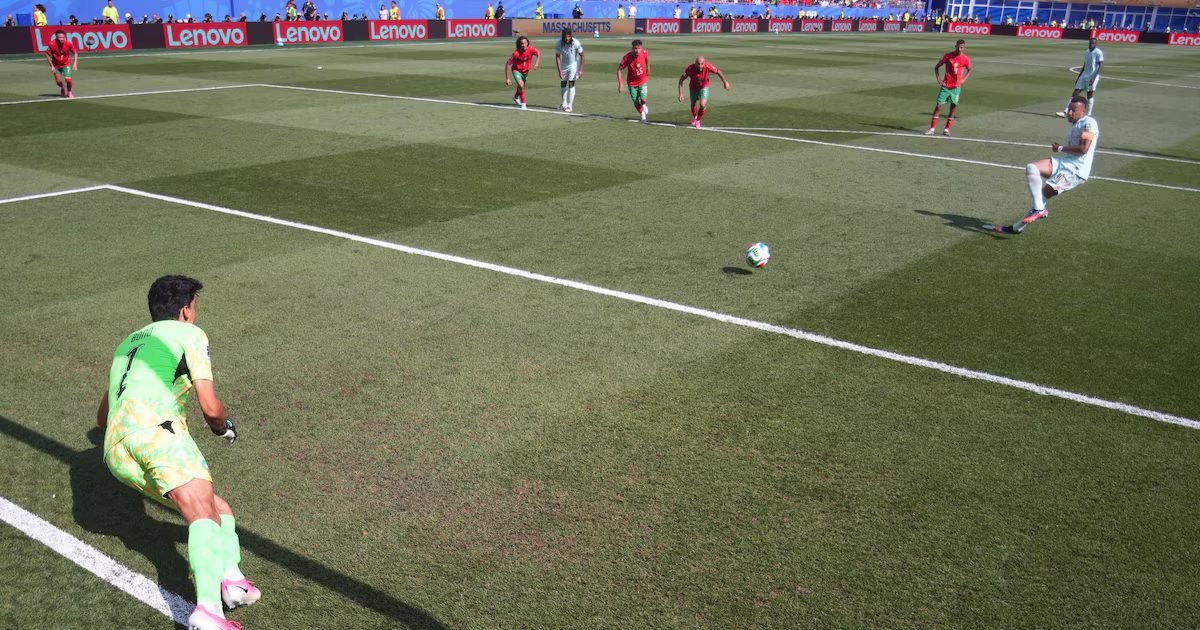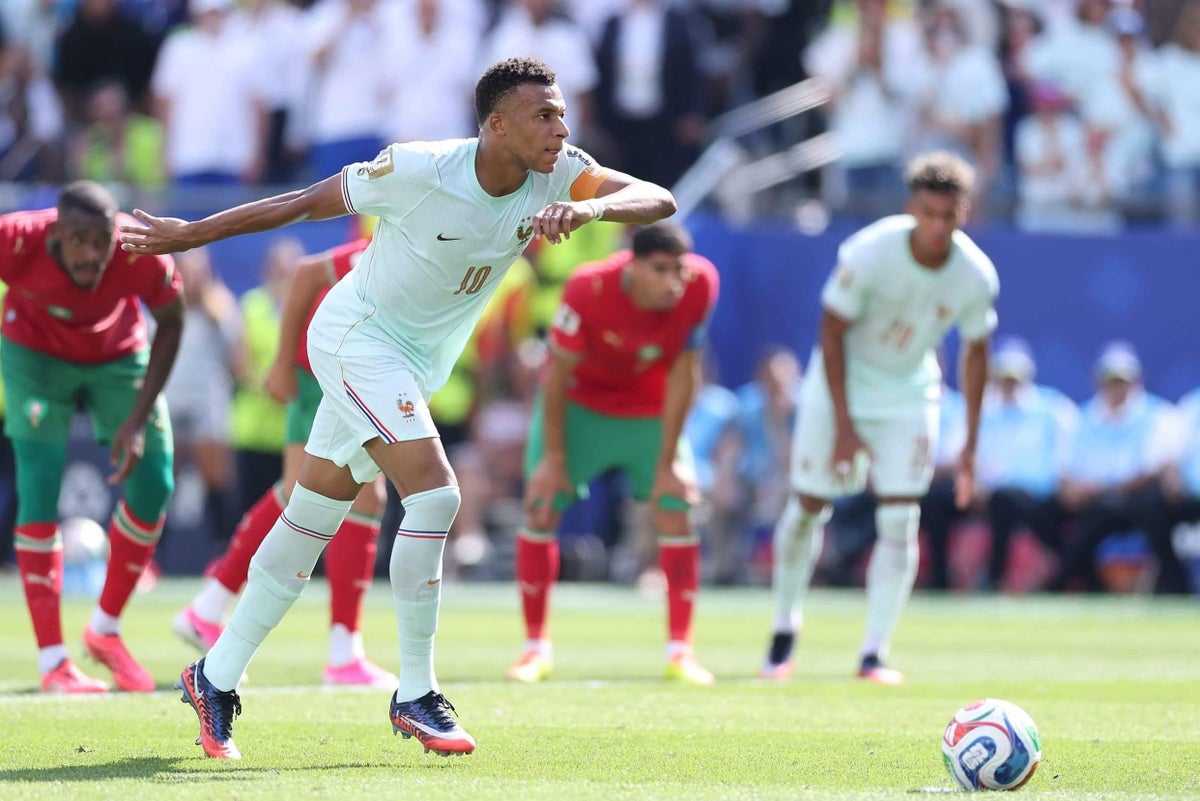
Geir Jordet is an industry-leading expert on penalties and the author of Pressure, a book about the psychology of shootouts. Jordet teaches and conducts research on psychology and elite performance at the Norwegian School of Sport Sciences and is part of The Athletic’s World Cup coverage this summer. It seems like everyone is talking about stutter penalty kicks, especially after Kylian Mbappe’s effort was saved against Morocco in the World Cup quarter-final.To be very honest, most of the commentary I hear on these kicks is flawed, because people fundamentally fail to analyse them correctly.First, there seems to be some confusion about what a stutter kick is and the different ways to identify them. People probably, and understandably so, categorise every penalty kick where there is some start/stop/skip/jump in the run-up as a stutter kick. This makes sense. However, it disguises something important.We always need to consider the “why” of the stutter.Stutters are not engaged in for fun or showmanship; there is a functional purpose. The aim is to force a reaction from the goalkeeper. The stutter, in this case, provides a sudden stimulus that triggers the ’keeper to commit to going in a certain direction early, which can then be exploited with a shot sent the other way.The most common mistake people make when they see a stutter penalty is to judge the kick in the same way that they judge an attempt without the stutter.This is an unfair comparison.Players performing stutters typically execute a ‘goalkeeper-dependent’ technique. They will try to, as accurately as possible, perceive the movements of the ’keeper on the goal line just before they hit their shot. Thus, they often make contact with the ball at the same time that they look up from it.Lionel Messi of Argentina looks up at the Austria goalkeeper before having his penalty saved in the group stage (Reuters/Hannah McKay)This is an exceptionally sophisticated cognitive procedure and obviously produces a less powerful and precise strike than those performing goalkeeper-independent kicks, without a stutter. Simply put, a taker who has the luxury of focusing 100 per cent on the ball while making contact with it will kick it with more precision.A goalkeeper-dependent shot performed well doesn’t need to be hit very hard or placed just inside the post. It only needs to beat the goalkeeper, preferably with the ’keeper going too early in the wrong direction, and the ball safely and slowly rolling over the line in the other. If this process is unsuccessful and the slowly rolling ball is easily saved, the problem wasn’t necessarily the kick itself. The critical moment took place before that, when the taker didn’t accurately perceive or interpret the movements of the ’keeper.
‘Stutter’ penalties at the World Cup: How successful are they? Do we misunderstand them?
The style has been on the increase over recent tournaments - and there is a reason for it
968 words~4 min read