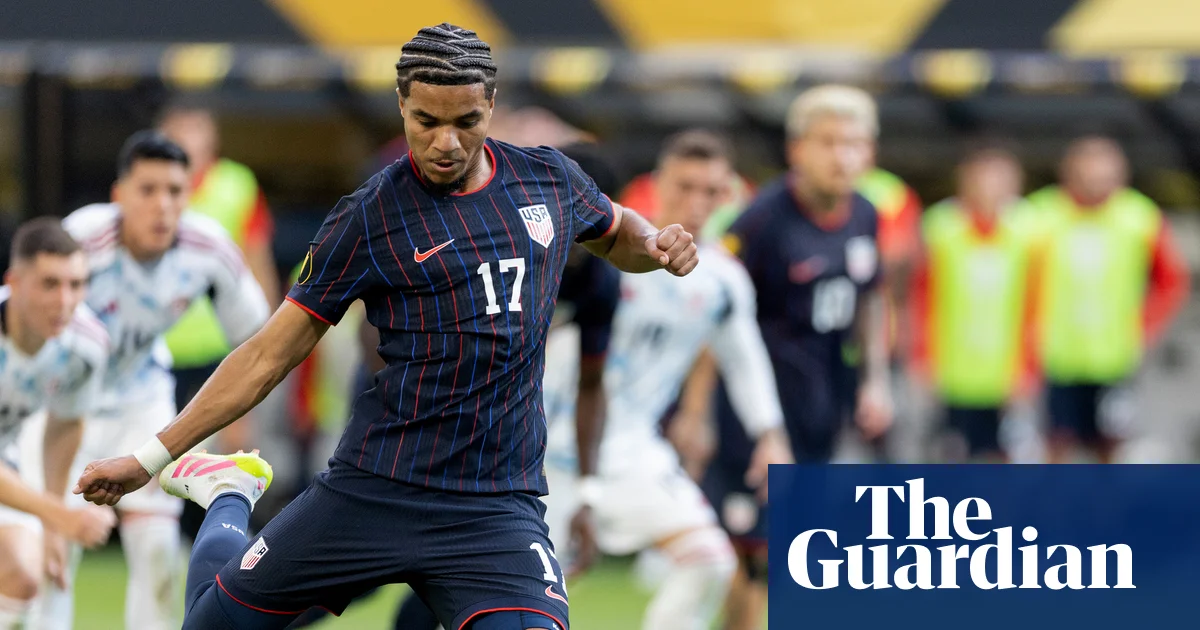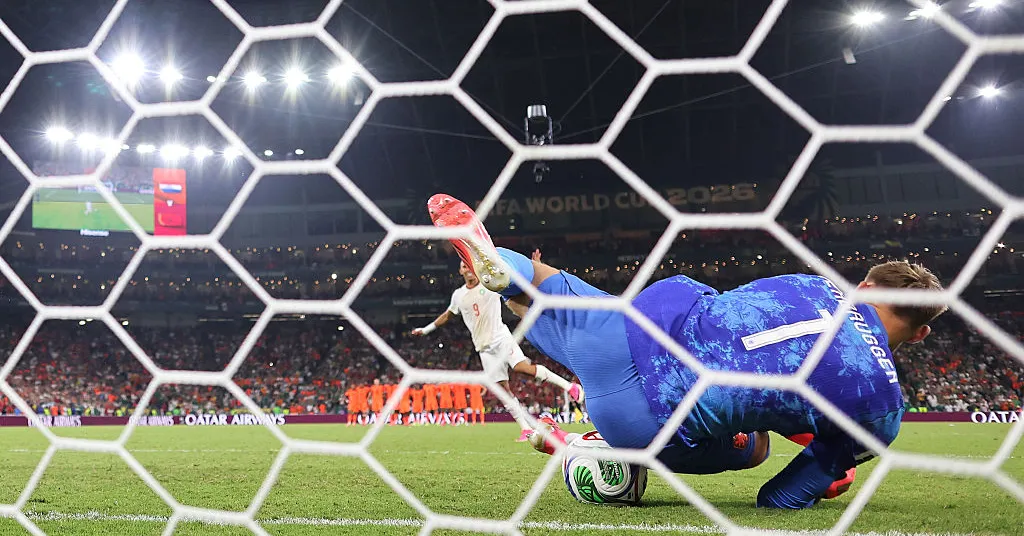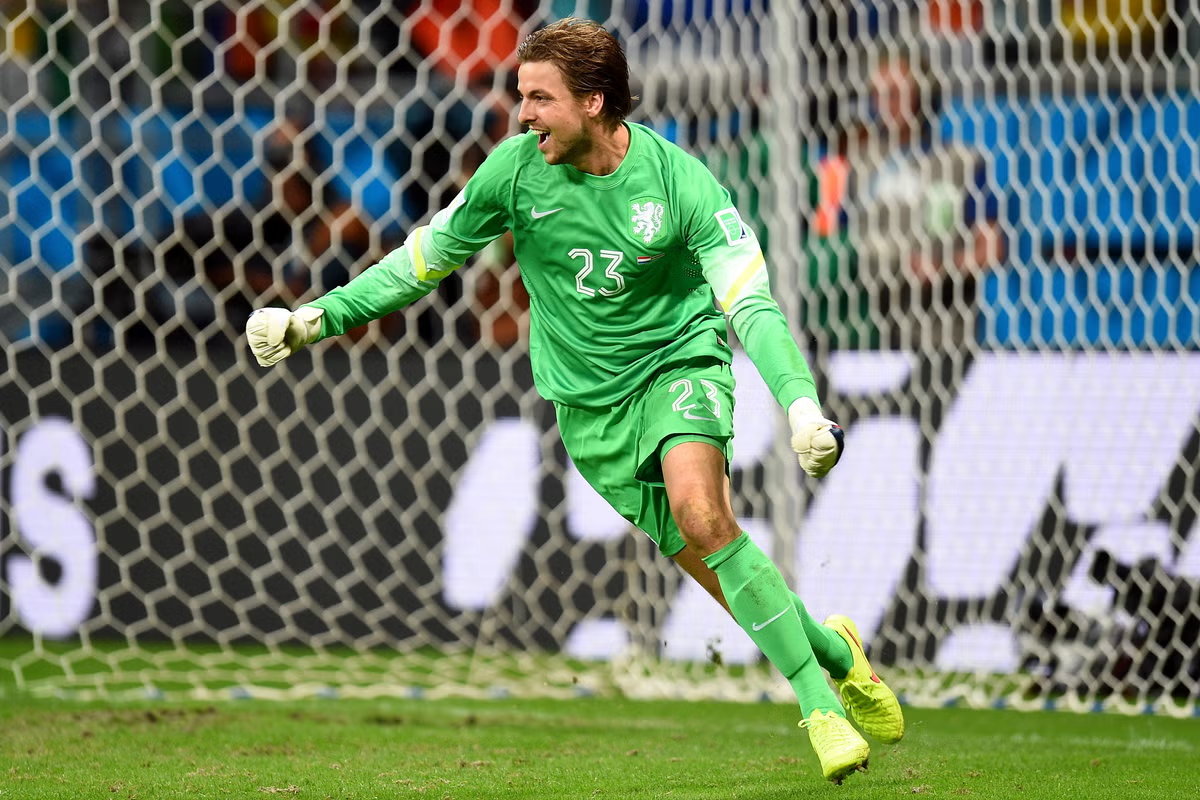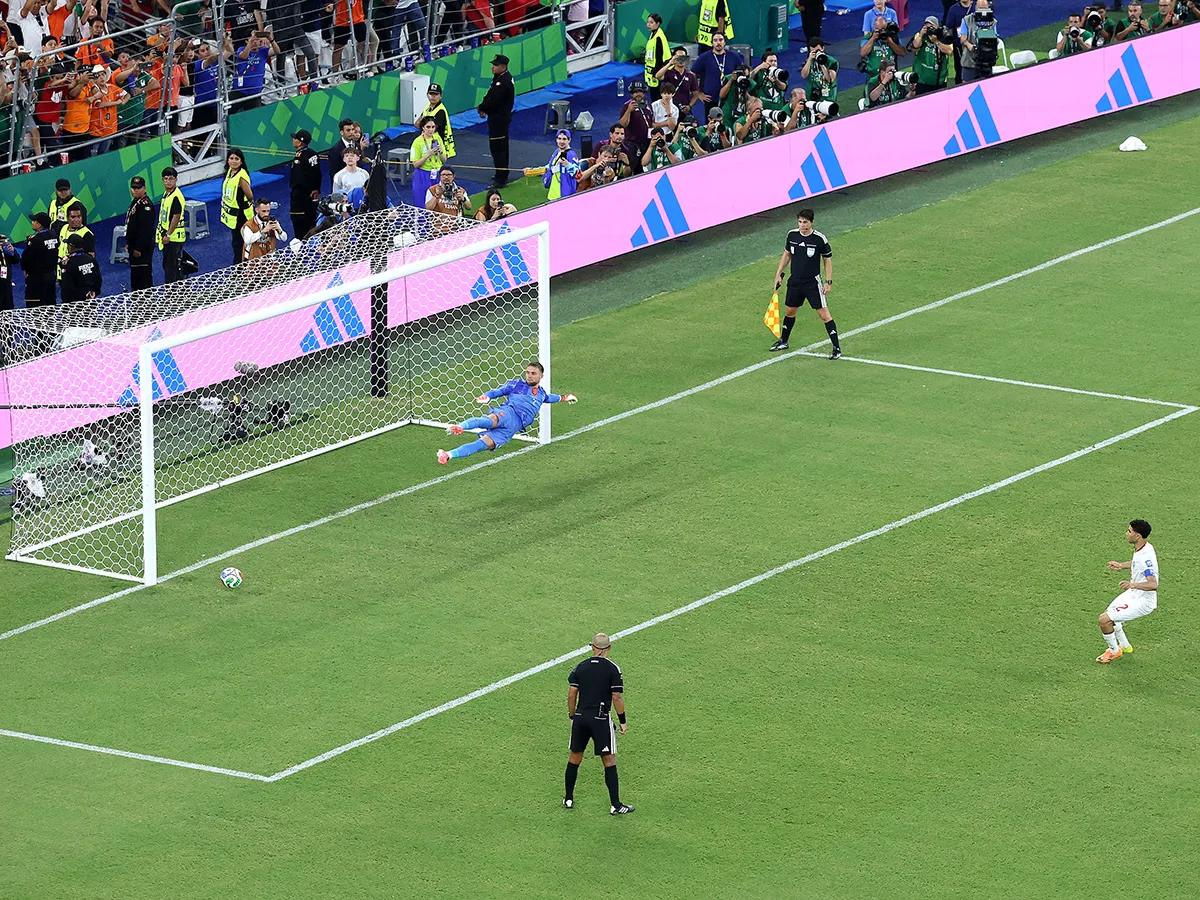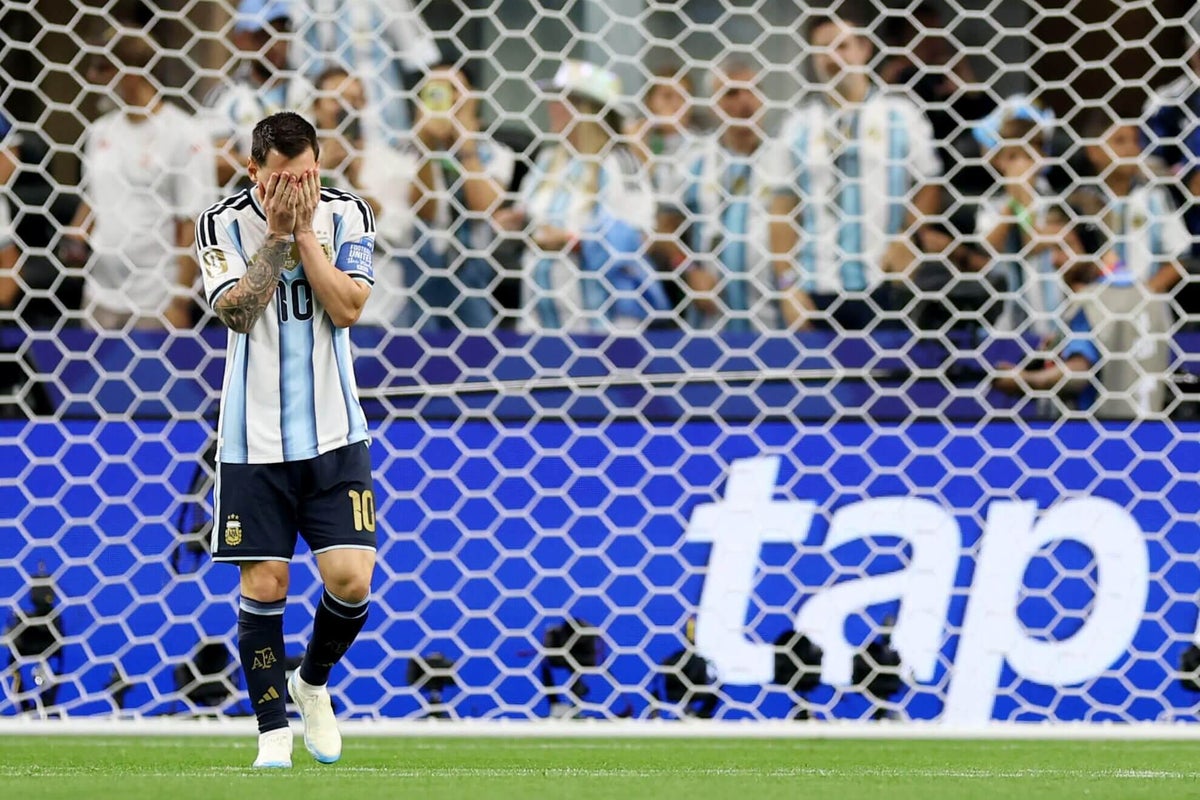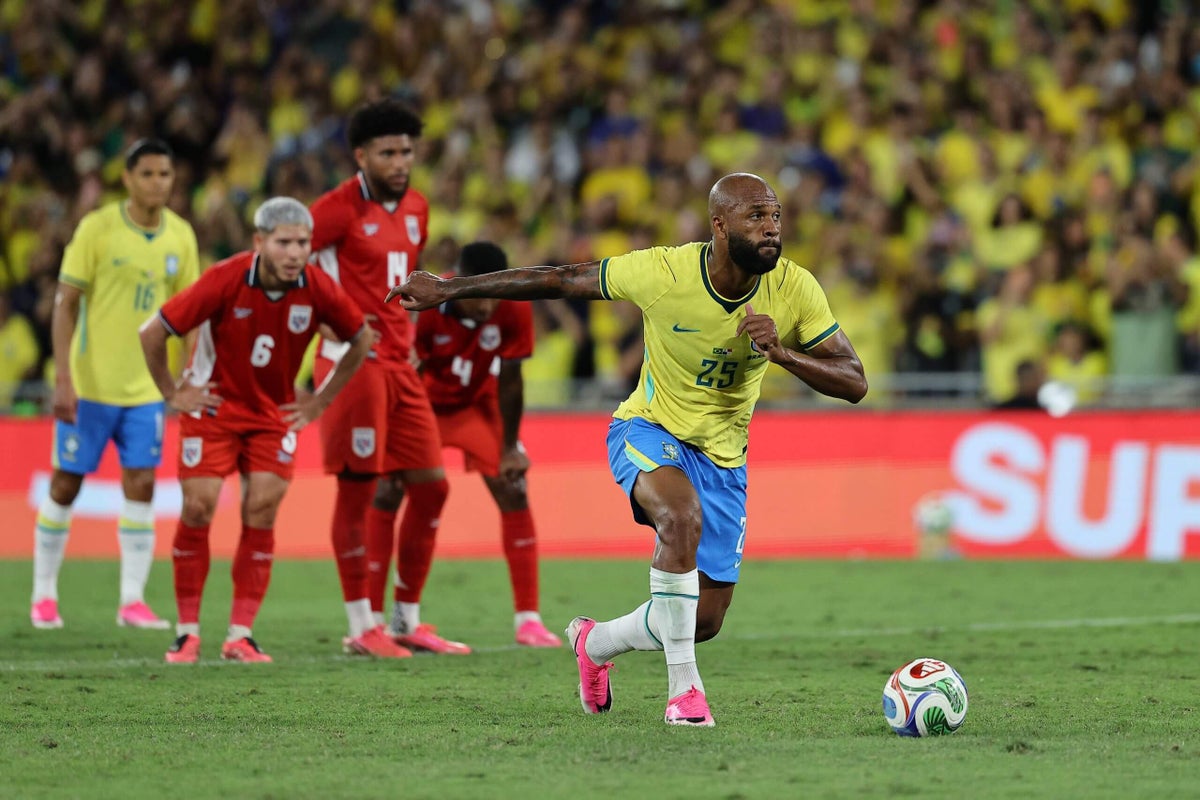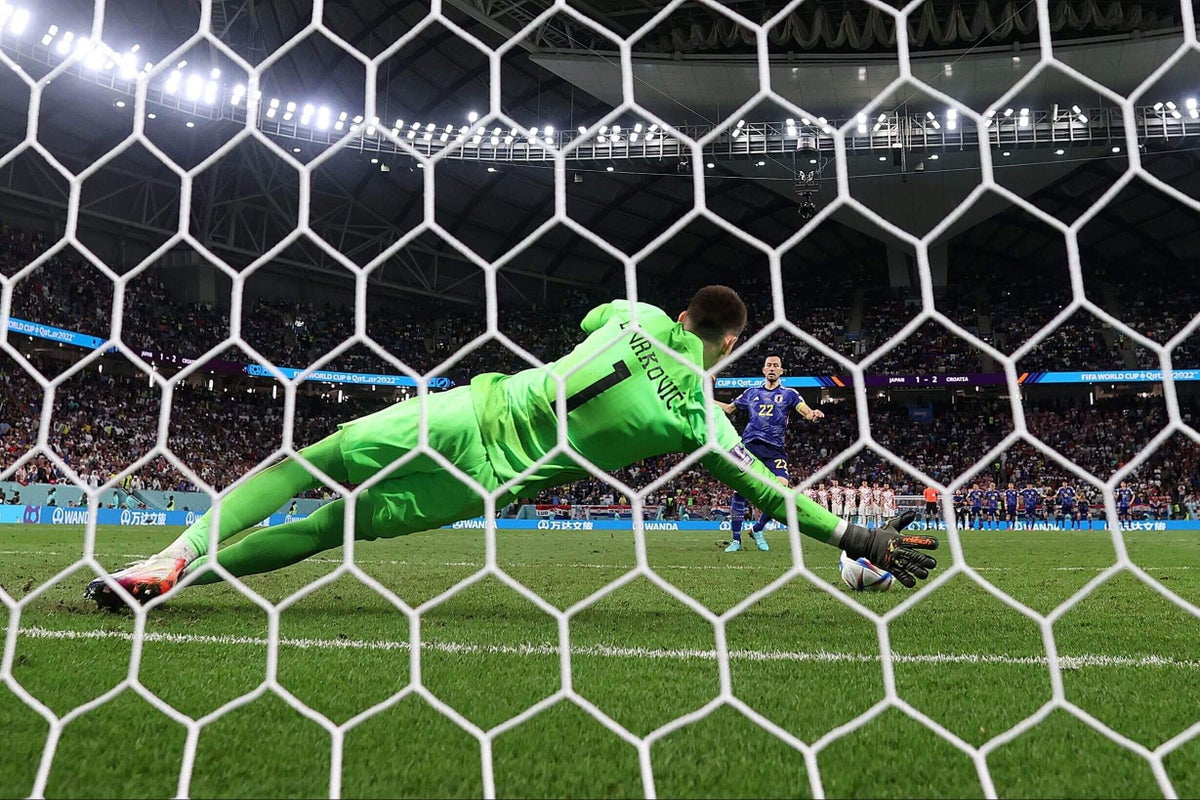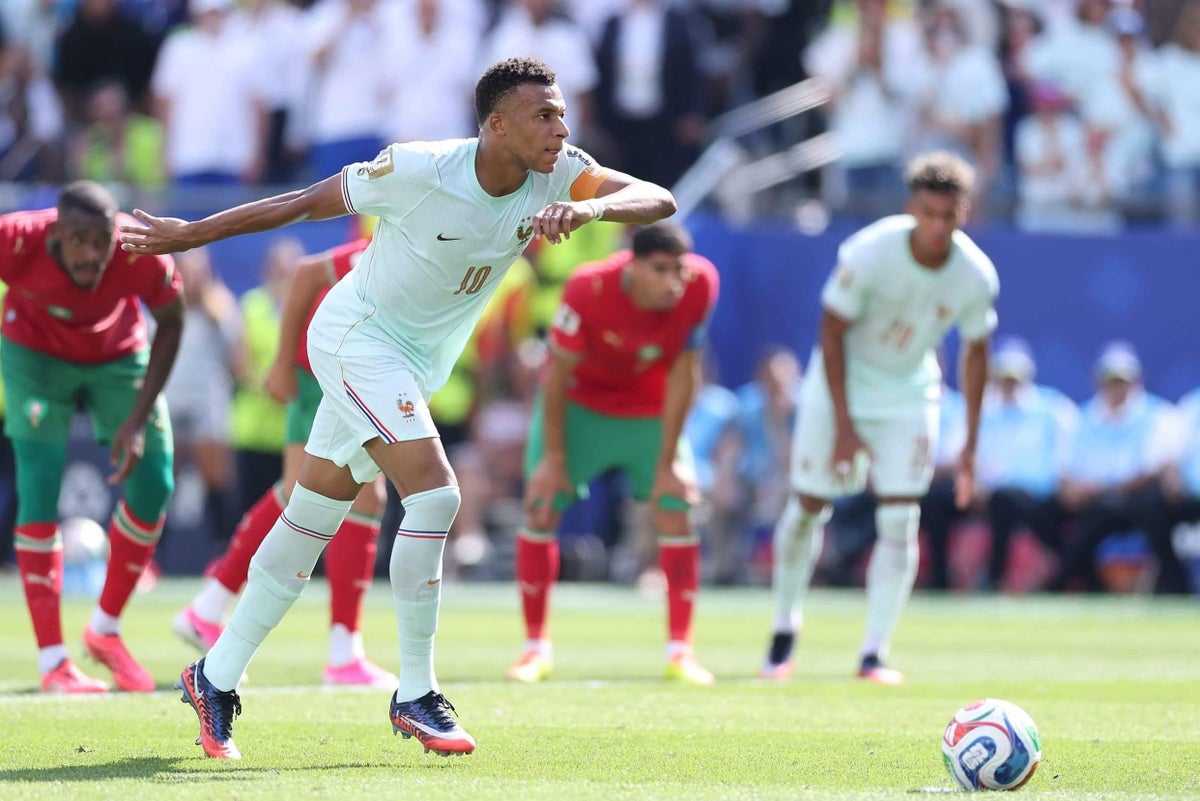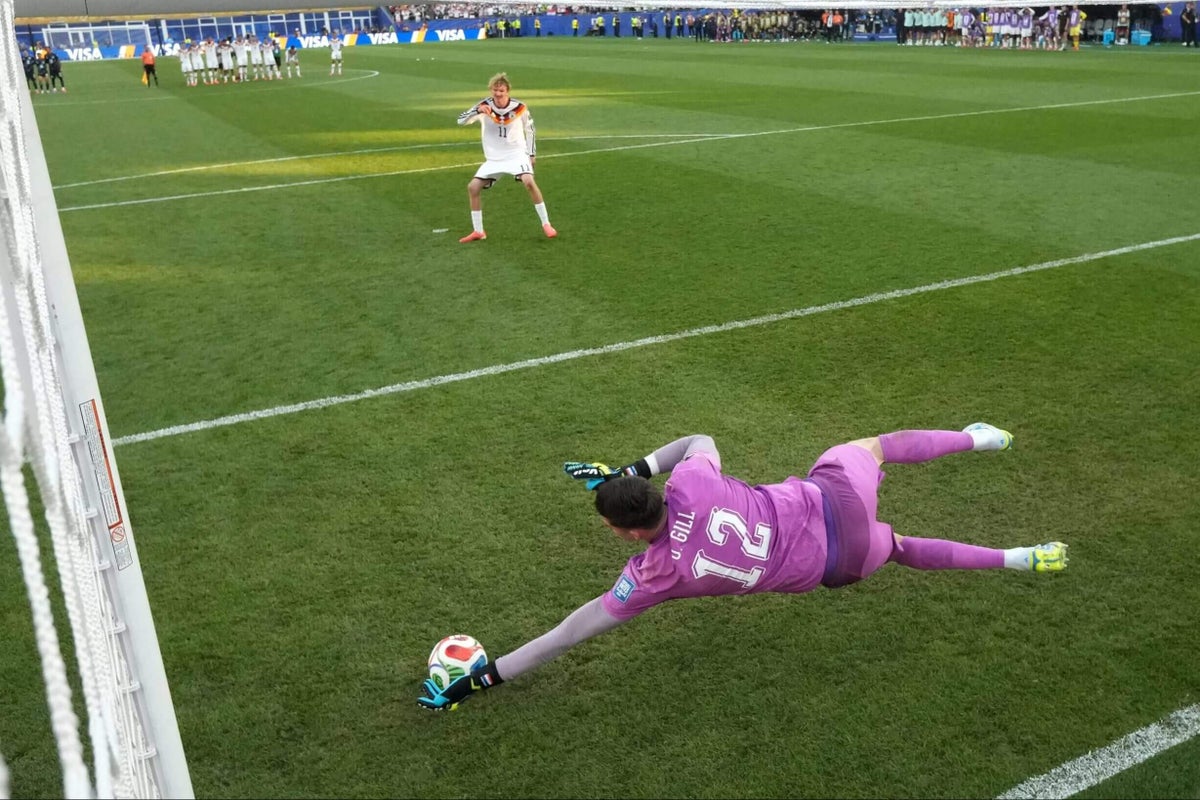
Geir Jordet is an industry-leading expert on penalties and author of the book, Pressure, about the psychology of penalty shootouts. Jordet teaches and conducts research on psychology and elite performance at the Norwegian School of Sport Sciences and will be part of The Athletic’s World Cup coverage this summer. Historically, about 20 percent of World Cup knockout games will end with a penalty shootout.So in 2026, statistically speaking, we can expect about 6-7 penalty shootouts, each providing what may be the most condensed and intense pressure experience in the world’s biggest sport. As it is, this World Cup has already had two fascinating ones.I have spent years studying this event, published more than 15 scientific articles about it, written a book that has been published in 11 languages, and been a consultant for multiple World Cup teams (and others).Here’s how I watch a penalty shoot-out.Let’s do this chronologically…The team huddleExtra time is over and the teams gather with their coaches. This situation is fascinating from a leadership perspective. Imagine you are the coach. You have roughly the amount of time it takes a kettle to boil water, 3 minutes, to communicate with your team, before they take what perhaps are the most important kicks in their lives. What would you do and say? This leadership can be directly observed, and it gives fans the opportunity to make educated guesses about how prepared each team is for this event.Traditionally, coaches have no plan for this moment. But how can one tell? Usually, an indicator is when the coach asks for volunteers, by posing an open question to the group and waiting for players to step up and raise a hand. In the 2022 World Cup, there were five penalty shootouts, and this volunteer-based approach was used by Japan (Moriyasu), Morocco (Regragui), Croatia (Dalic), and Spain (Enrique, via his placeholder, captain Sergio Busquets).Managers asking for volunteer penalty takers at the 2022 World Cup; all with volunteers raising a hand. Clockwise from top left: Japan (Moriyasu), Croatia (Dalic), Spain (Enrique/Busquets), and Morocco (Regragui)Coaches may choose this nomination strategy because they believe penalty takers have to want to take a kick. This is a legitimate consideration, but the concern here is less about intention and more about timing. Why wait until the very last moment to ask?While a similar approach is to spend much of the 3 minutes searching for someone to ask to take a penalty (as was done by Deschamps in the 2022 World Cup Final), there is another way. The gold standard is to plan and speak with your players far in advance of the tournament, then come to the game with a pre-set ranking of penalty takers, which can be shuffled at the last minute should it be necessary. The best leaders can communicate this plan directly and concisely to the team.In high-stakes, high-pressure situations coaches need to be direct and autocratic. Argentina’s Scaloni, known for his humanistic coaching style was extremely direct with his communication in the 2022 penalty shootouts. He spent only 20 seconds to nominate five players ahead of the shoot-out against the Netherlands, effectively just taking the rounds and putting his hand on his chosen ones’ chests. This gave him time afterwards to connect with his players and assess whether any of them needed extra support from him.Scaloni nominating Enzo Fernandez, Alexis Mac Allister, and Gonzalo Montiel for a penalty kick, by putting a hand on their chests. From the Argentina vs Netherlands, 2022 World Cup quarter-finalIn those five penalty shootouts in 2022, the five teams who spent the shortest time communicating logistics and plans ultimately won their shootout. Although this is a ridiculously small sample to conclude anything from, it is interesting to speculate that time is a proxy for preparation – that the teams who spend short time most likely are better prepared than the others, and that this can have a positive impact on the outcome.Something else to look for, who is speaking? In the 2022 World Cup, all five penalty shoot-outs were won by a team whose head coach was the primary communicator. Three of the five losing teams were led by someone who had been delegated to the job (Brazil: assistant coach, Netherlands: goalkeeper coach, and Spain: a player). The last two losing teams, France and Japan, were both led by the head coach, but with the assistant (for France) and an analyst (for Japan) having prominent roles in the huddle. To me, although I obviously understand the value of delegation, the high stakes and emotionally charged nature of this event makes this a task you don’t want to delegate.The coin tossWhen the huddles dissolve, the captains are called to the referee for the coin tosses. The first coin toss determines which goal to use for the shoot-out. Interestingly, all teams tend to prefer the goal behind which their own fans are located. However, curiously, the science shows no “home-advantage” with respect to penalties. One study of more than 1,000 penalty shoot-outs shows that 49% of penalty shoot-outs were won by the home team, so essentially no difference.The second coin toss determines who shoots first and second. Research published more than 15 years ago clearly showed a large advantage of shooting first, and this has been communicated widely, so most team captains elect to shoot first if they win the coin toss. However, more recent research, with larger samples (more than 1,700 shoot-outs), does not support this, finding that, again, only 49% of games are won by the team who started first. No difference.So, there isn’t much advantage to observe around the coin toss, unless one of the captains is up to some shenanigans. In the 2020 Euro, Italian captain Giorgio Chiellini put Italy 1-0 up after the coin toss, at least psychologically speaking, after he was able to get away with first putting a fist to the Spanish captain Jordi Alba’s face, then lift him up, laugh at him, and even getting one of the assistant referees to point to him and laugh.The Italy and Spain captains Giorgio Chiellini and Jordi Alba with the coin toss before the penalty shootout in the 2020 Euro semi-final between Italy and SpainThe mid circleThe teams then enter the mid circle — the waiting room for penalty kicks.TV cameras rarely document what is going on in the mid circle, which is a pity because this is where the psychological foundation for each kick is laid. When I interviewed players who have taken part in major penalty shoot-outs, there is agreement that the tension and anxiety in the mid circle while wating to take a kick, is higher than when walking to the penalty mark and higher than when taking the kick. Waiting is passive. Being unable to affect the outcome of events is agonizing. This lack of control is highly stressful.
How to really watch a penalty shootout, by Geir Jordet
Want to know what to look out for in a penalty shootout? Read this
3,036 words~14 min read