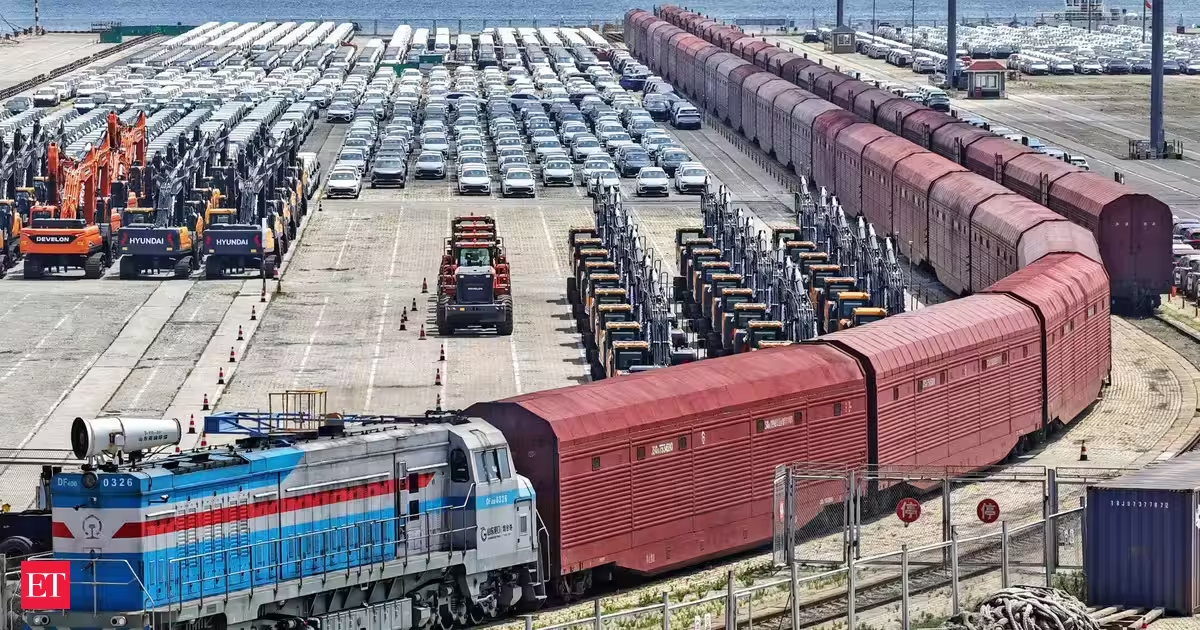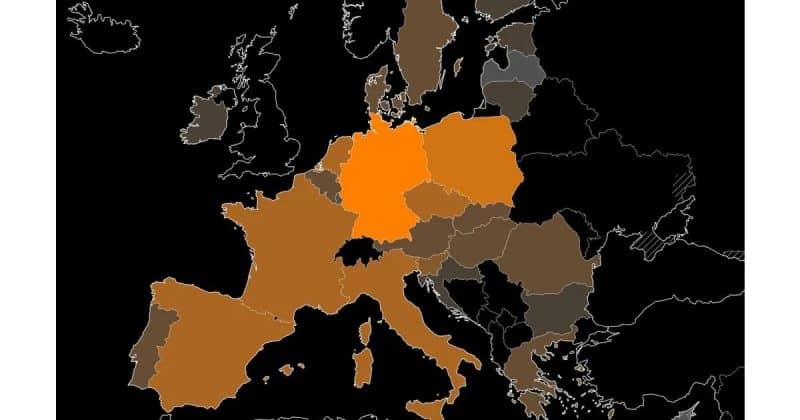
The core issue is straightforward: when one country’s currency stays artificially cheap against its trading partners, its exports become more competitive. China’s goods flood into Europe at bargain prices, European manufacturers struggle to compete, and the trade gap balloons. The EU’s goods deficit with China has surged to roughly €360 billion, which works out to about €1 billion per day bleeding out of Europe’s trade ledger.
How undervalued are we talking?
An IMF analysis referenced by ECB President Christine Lagarde estimated the yuan is undervalued by approximately 15-16% after accounting for various adjustments. German Chancellor Friedrich Merz went further, suggesting the undervaluation could be as high as 30% and calling for G7 discussions to address the issue.
A study by the German Economic Institute (IW Köln) conducted in July 2025 drew a direct line between the yuan’s chronic weakness and the ballooning euro-zone trade deficits. The real euro appreciated over 40% against the yuan from early 2020 to spring 2025.
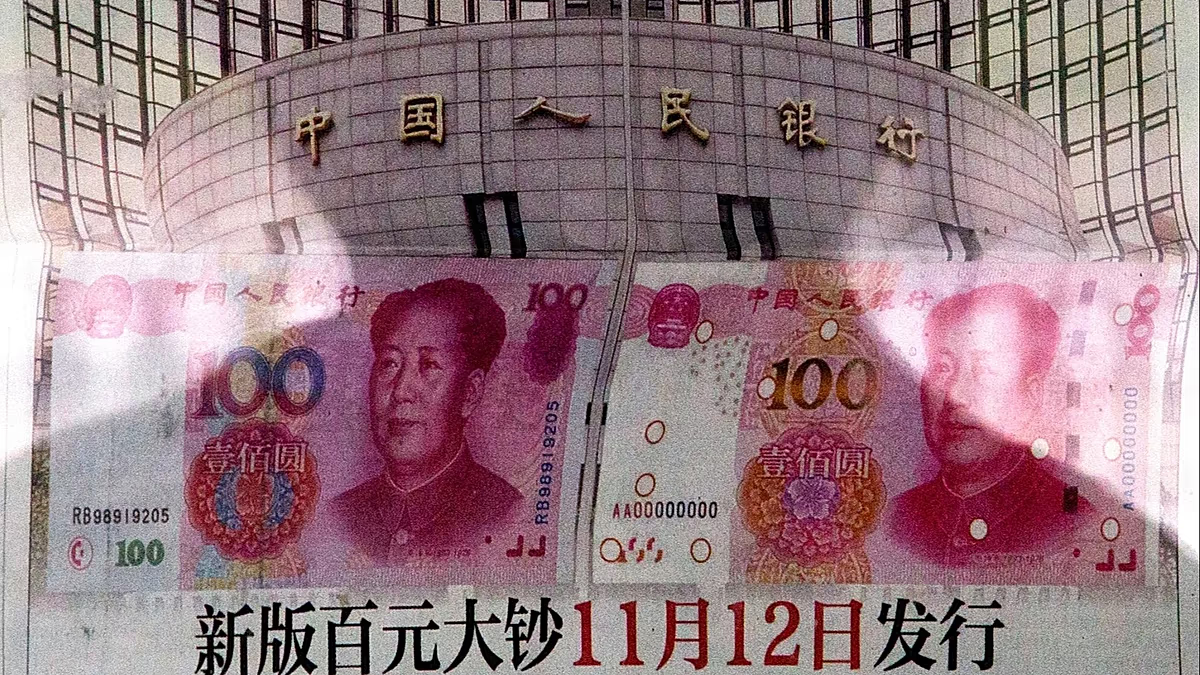
A December 2025 analysis from the Rhodium Group attributed much of the yuan’s depreciation to deflationary pressures inside China and deliberate policy choices by the People’s Bank of China. China’s economy has been grappling with sluggish domestic demand, a struggling property sector, and producer prices that kept falling.