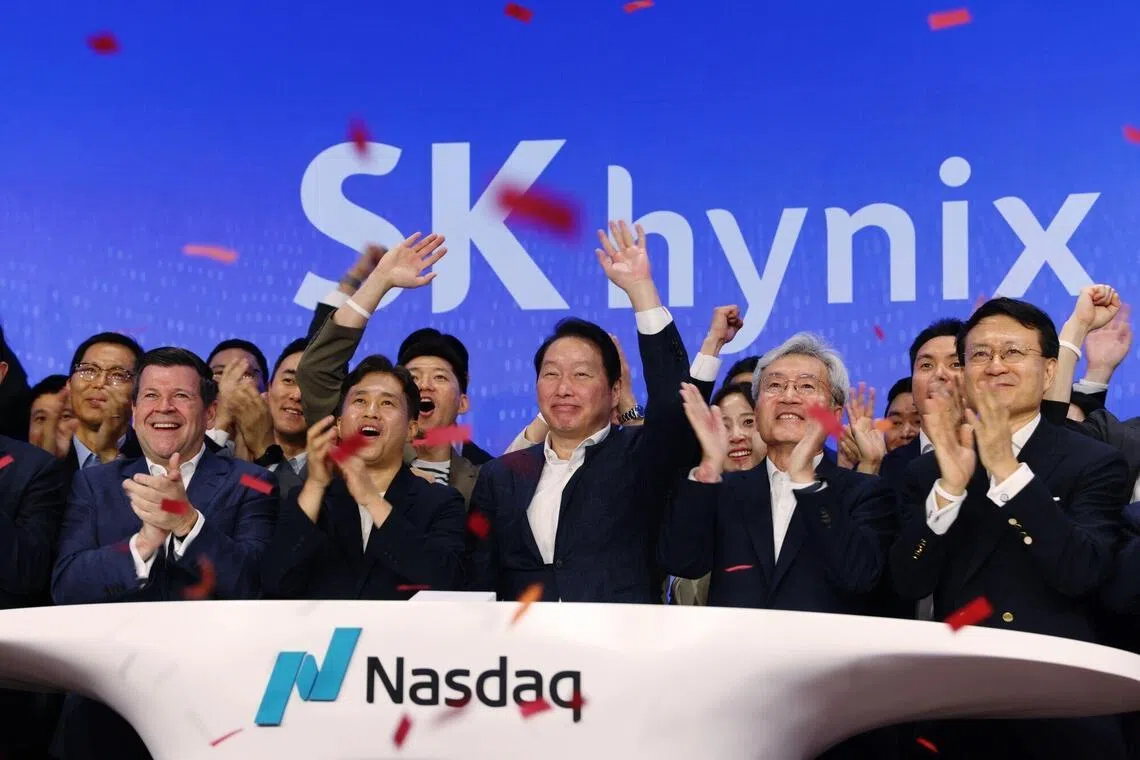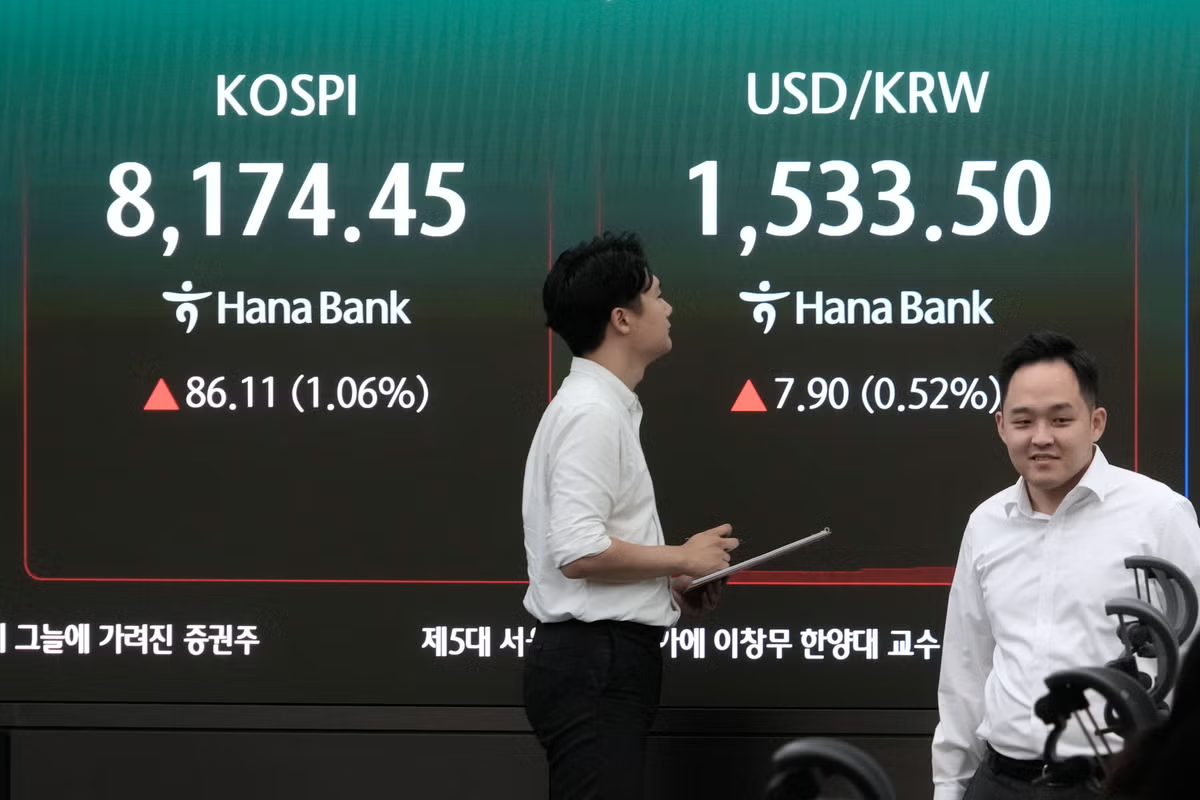
The AI trade, for a brief moment this summer, looked like it was going to eat itself. SK Hynix, the South Korean chipmaker that became the poster child for the artificial intelligence memory boom, watched its Seoul-listed shares swing wildly as a sweeping selloff in memory stocks spread from Wall Street to Asian markets.
Here’s the thing: the selloff hit a company that had been on an almost absurd run. SK Hynix shares had climbed roughly 260% year-to-date before the pullback began, a gain that reflected the market’s conviction that high-bandwidth memory, the specialized chip architecture powering AI accelerators, was the most important piece of silicon in the world right now.
What triggered the memory selloff
The cracks appeared between June 23 and June 25, when reports emerged about capacity shifts at SK Hynix, followed by earnings reactions from competitors including Samsung. Traders who had been riding the AI memory wave hit the exit at roughly the same time.
The result was a synchronized decline across the sector. Memory stocks including SK Hynix, Samsung, and Micron fell more than 20% from their highs, the traditional threshold for a bear market, by early July. Semiconductor stocks as a group shed approximately $1.5 trillion in combined market value during this period, with Micron alone accounting for nearly $350 billion of that loss.