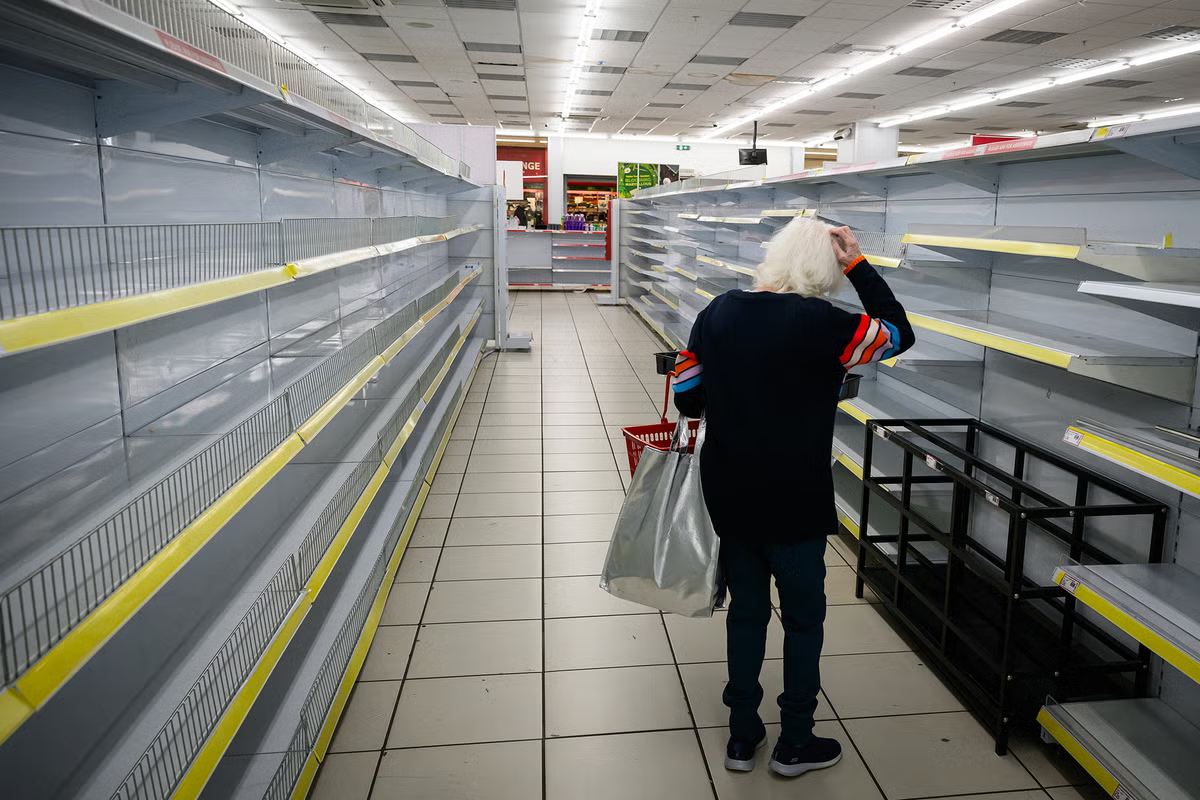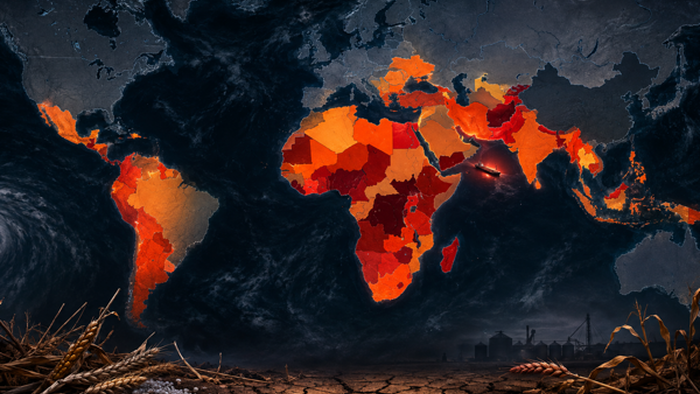
The World Bank has issued a stark warning regarding the stability of the global food system, noting that despite an adequate volume of total supplies, deep vulnerabilities persist across the globe.
In its latest June 2026 Food & Nutrition Security Update, the institution highlighted a volatile mix of surging input costs, geopolitical friction, and looming climate threats that risk reversing years of progress in poverty reduction.
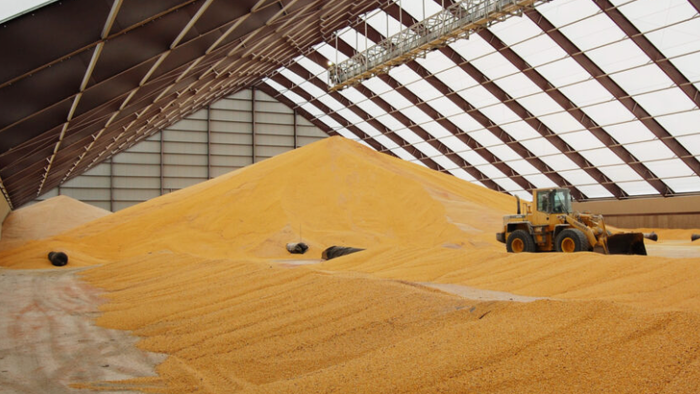
“Global food and nutrition security remains fragile,” the World Bank stated in its assessment. “Global food supplies remain broadly adequate… but higher costs and supply chain disruptions continue to put pressure on prices, while production of major cereals is expected to decline from 2025 record levels.”
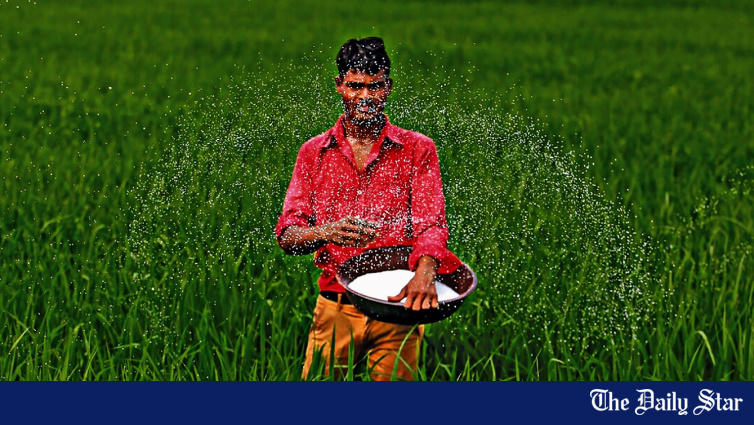
A primary driver of the current instability is the volatile international fertiliser market. Over the first five months of 2026, fertiliser prices jumped 35 per cent compared to the same period last year. Although prices have eased slightly in recent weeks, economists warn that the damage to upcoming harvests may already be done due to reduced fertiliser applications by farmers earlier in the planting season.
Compounding these supply chain issues is the rapidly growing threat of severe weather patterns. Meteorologists and agricultural analysts are particularly focused on the high probability of an impending El Niño cycle, which could decimate crop yields in highly vulnerable regions. Related News Oluremi Tinubu assures W’Bank of school feeding before 2027 Oluremi Tinubu assures World Bank of robust school feeding programme UN, FG seek innovative financing to fast-track SDGs before 2030