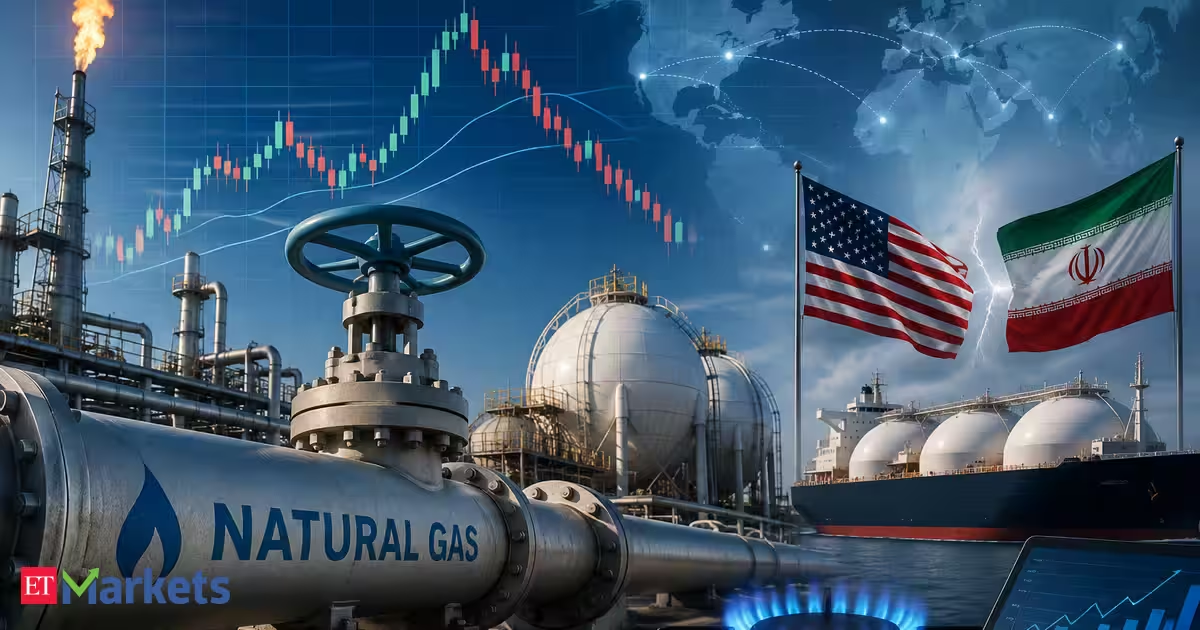
The World Bank has projected continued volatility in global natural gas prices, warning that geopolitical tensions, supply disruptions and structural demand shifts will keep energy markets unstable in the near term.
The forecast was outlined in an analysis based on the April 2026 Commodity Markets Outlook, which reviewed recent trends in global liquefied natural gas markets and assessed prospects through 2027.
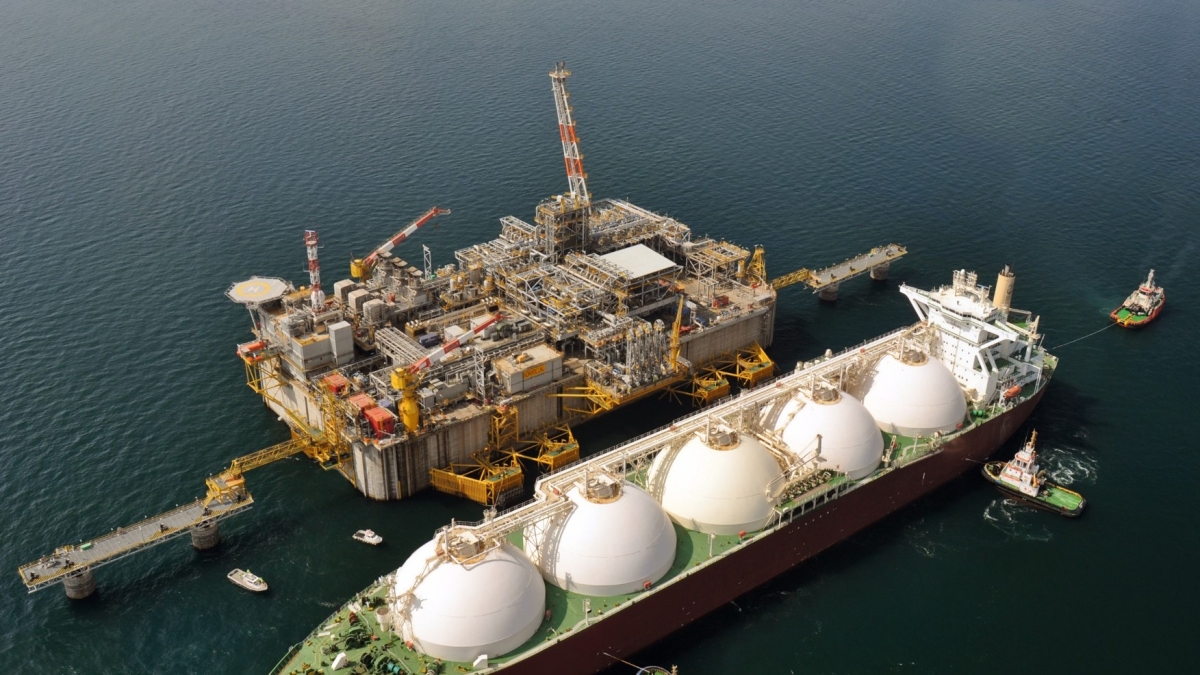
According to the report, global gas markets have been significantly affected by disruptions linked to conflict in the Middle East, particularly the closure of the Strait of Hormuz, a key transit route for LNG shipments from major producers such as Qatar and the United Arab Emirates.
The World Bank noted that the disruption triggered sharp price increases across key markets, with Asia’s LNG benchmark rising by about 94 per cent in March, while Europe’s benchmark climbed by around 59 per cent over the same period due to intensified competition for limited LNG cargoes.
Although prices eased in the following months, the institution warned that the market remains highly sensitive to supply shocks and geopolitical developments, with volatility expected to persist.