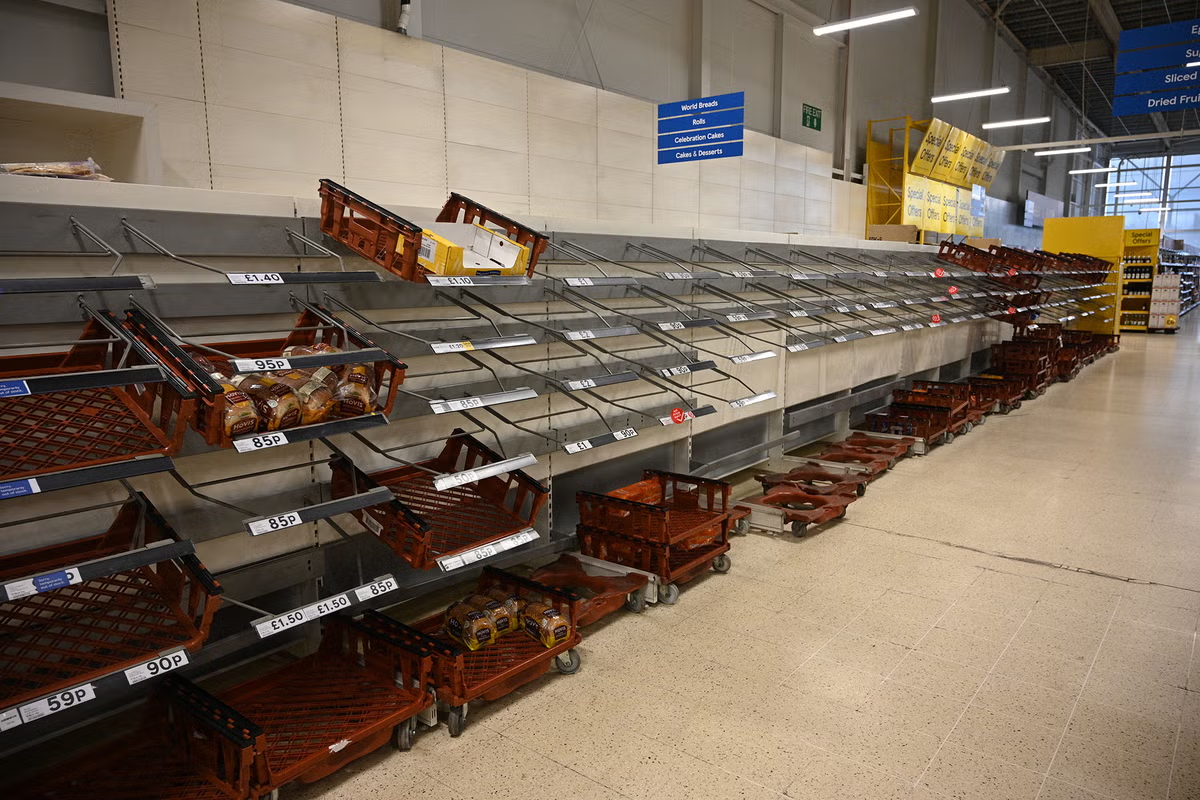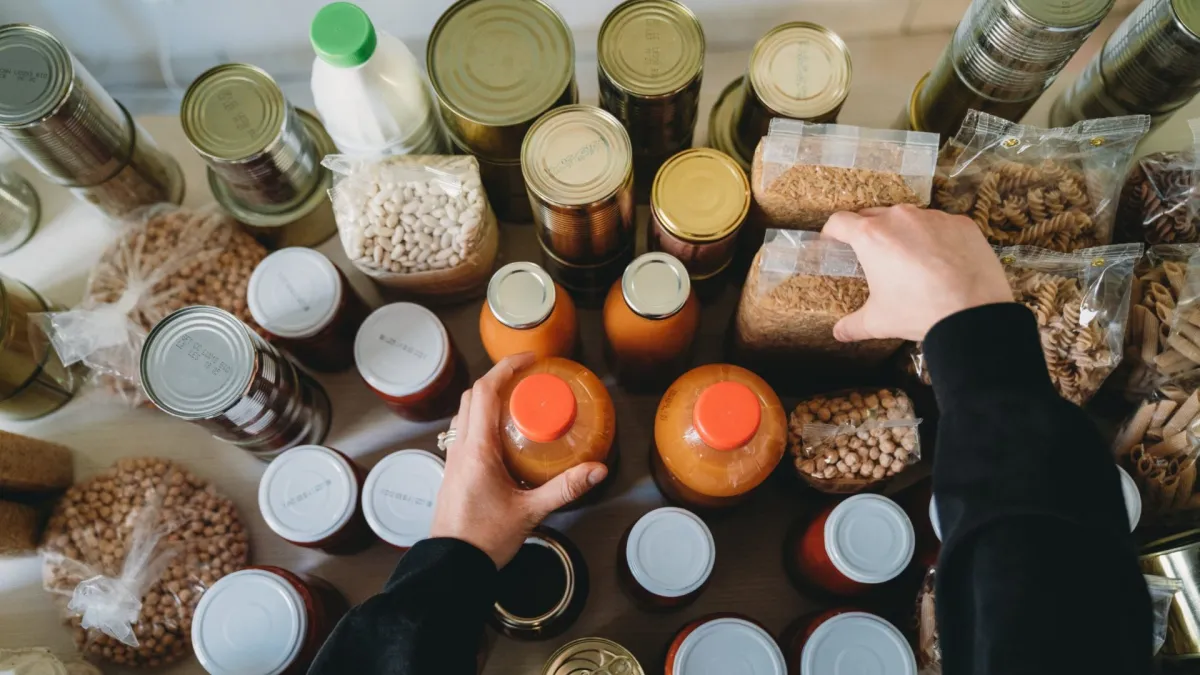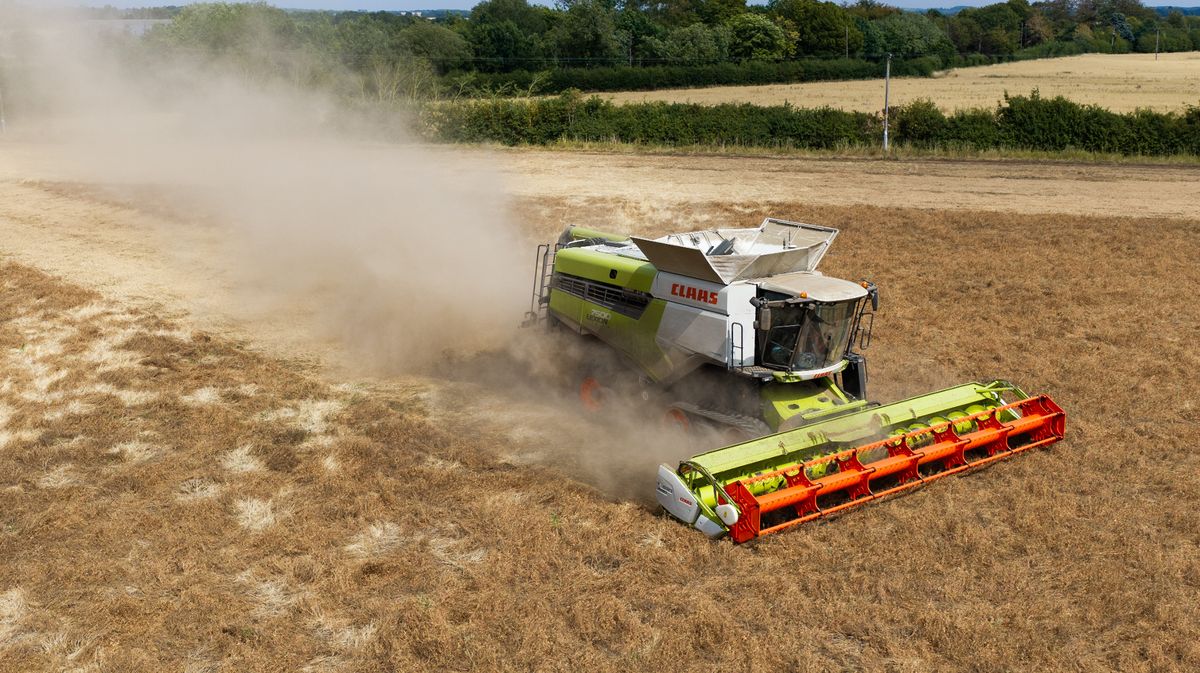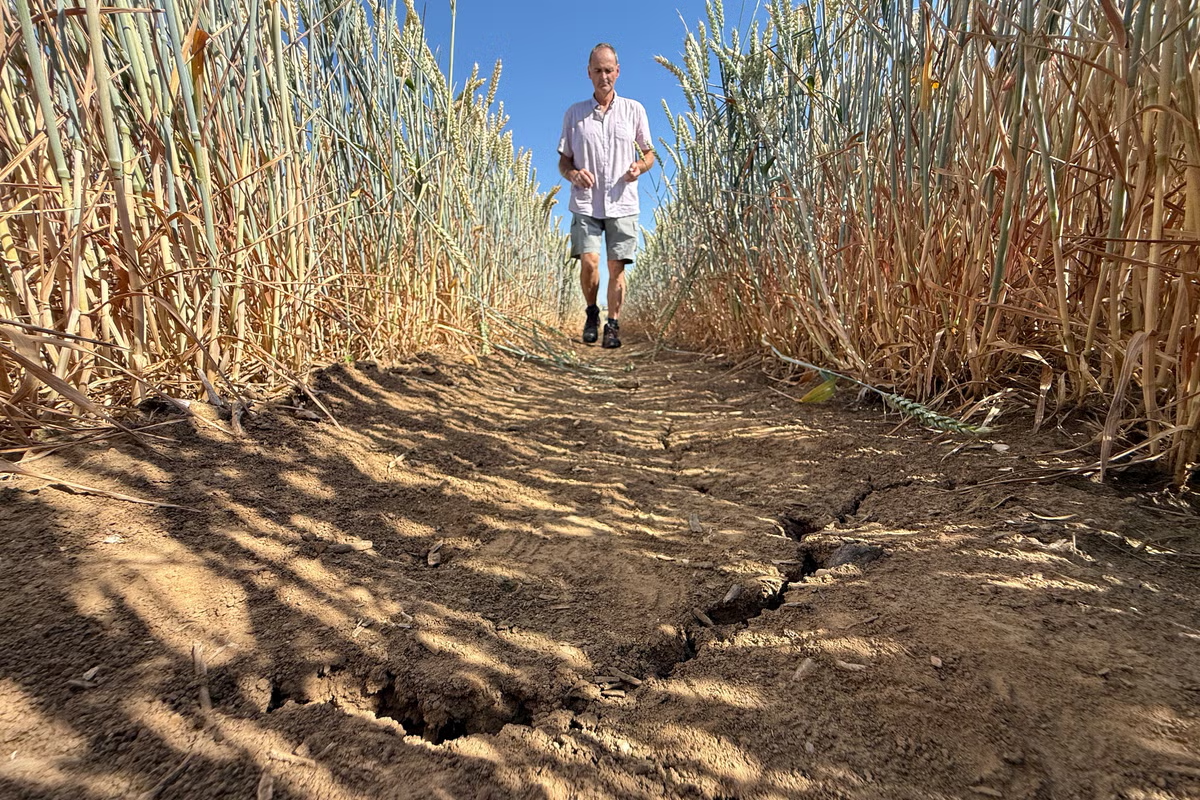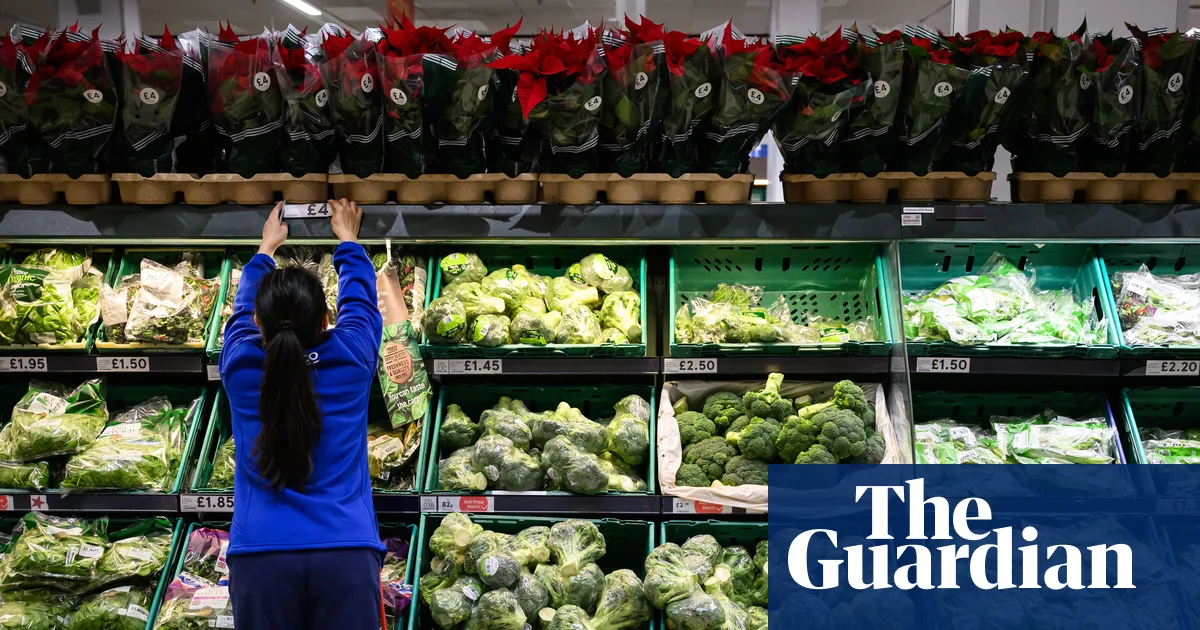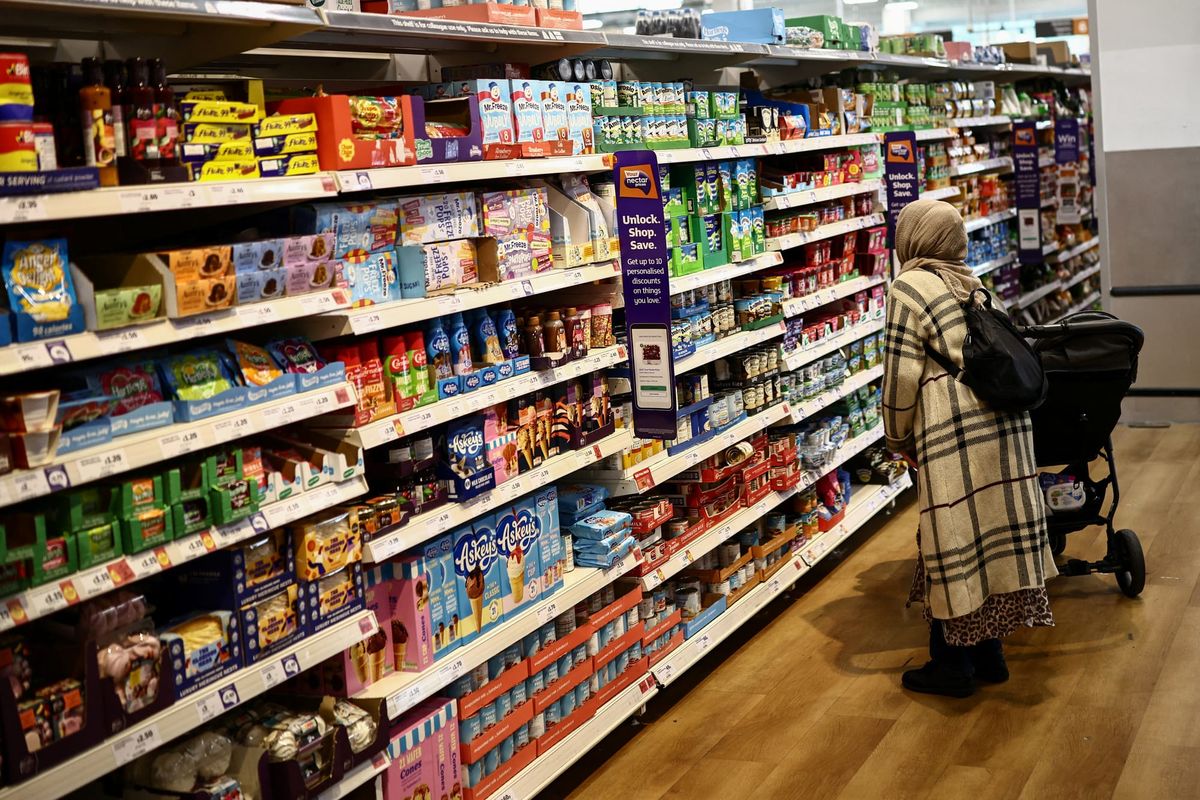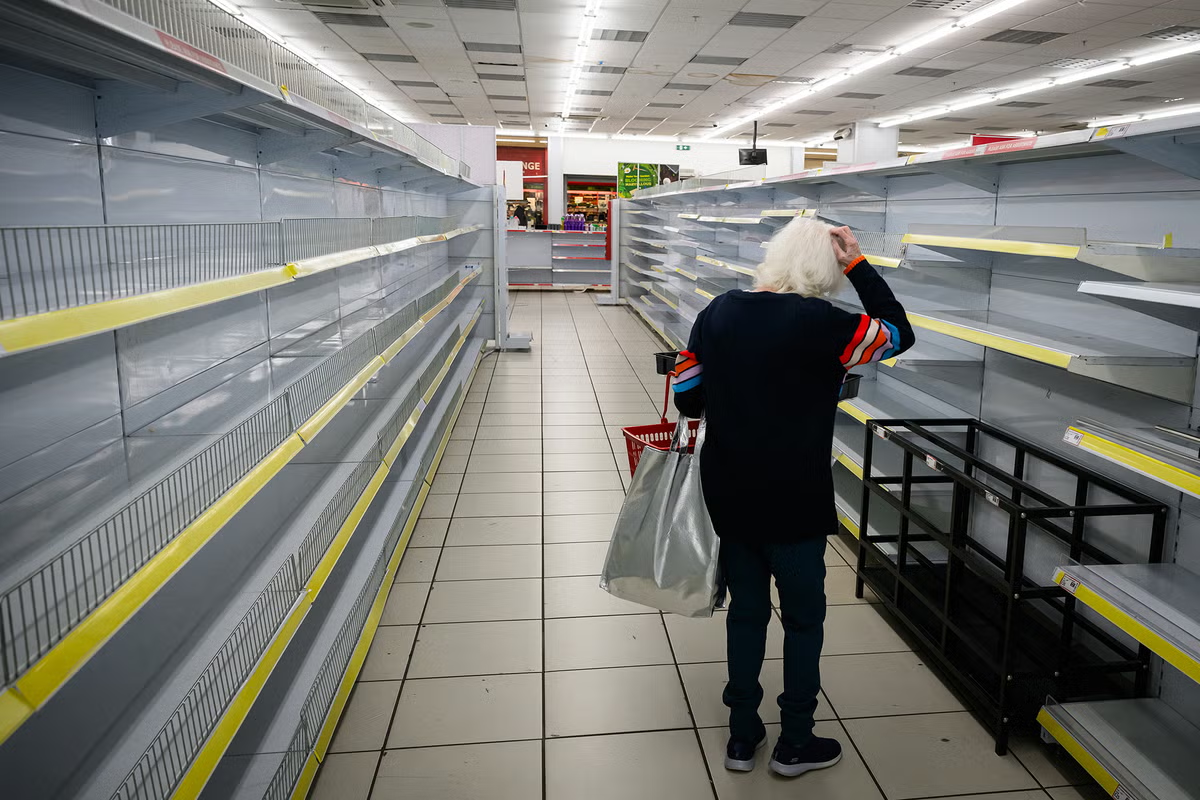
If you know where to look, there are signs of how food-insecure Britain is becoming everywhere. A good place to start is in the supermarket aisles where you watch people peer at the label, wince and move on. For staples: bread, milk, eggs. Meat, particularly, is becoming an unaffordable treat.Supermarkets have long ago mastered the art of the magician’s stealth when it comes to shelf illusions and moving displays around. Nudging consumers into rethinking choices for years, they will be one of the last places that admits there is a problem. British consumers are becoming numb to the use of cardboard displays, as well as a bombardment of random products that are in stock at the front entrance to shops. But look closely enough and you will see their sleight of hand. Shelves are becoming emptier, and supply is certainly more volatile.Food insecurity, the lack of regular and, crucially, affordable access to safe and nutritious food used to be written about as a problem for other places (while at the same time Disneyfying the tales of rationing that our parents still remembered). As with so many issues that will batter us, here, relentlessly in the next five years, our leaders chose to make this a global South problem instead of talking frankly about the risks to food supply faced in British homes.Food shortages have been experienced in the last few years, but a recent intelligence assessment shows that more pressing emergency situations are on the horizon (Getty)The emergency planners knew differently and have pushed it more aggressively into national discussions. Mechanisms for talking about chronic risks like constant heating, antibiotic resistance and food insecurity are imperfect. Our latest National Risk Register, published this week, deals only with the here and now, struggling with tomorrow’s risk.Loss of food as a consequence of other “no notice” scenarios is, however, mentioned 86 times, an increase on last year’s 32.The intelligence assessment by the UK’s Joint Intelligence Committee (JIC) makes it much clearer – to a point. Members of parliament have so far only been allowed to see a 14-page redacted summary, but believe that it warns that global ecosystem collapse is likely to trigger severe food shortages in the UK within five years. It is no surprise that the full report remains unreleased by the Cabinet Office as it’s likely to set out starkly how perilous the situation now is. Government planners know that food insecurity is one of the key factors in the breakdown of societal and community cohesion. The tipping point into so-called food riots, which have happened when prices or availability of food suddenly change dramatically, as seen in countries like Indonesia, Kenya, Sri Lanka and Peru. Whitehall knows this is bad. The next Food Security Report from Defra is due next year, and the department has a task force looking specifically at shoring up supplies because they are so concerned. Choices have been made politically for many years to change the way we access food and we import far more than we export, making us highly vulnerable to infrastructure shockLast month, Lord Peach, the former chief of the defence staff, told The Independent that households should load up on food and water but also cash, as he warned that it was “time to be serious” about threats facing Britain from Putin. And this week, we learned about a new “resilience” campaign being planned that will urge people to be prepared for emergencies, while ministers will test military and civilian responses in the largest defence exercise on UK soil in decades next year.Chief secretary to the prime minister Darren Jones said: “This campaign will help the public to take small but important steps to be prepared in case of emergencies and disruption – be that severe weather or a cyber-attack, which can impact access to power, water, or phone signal.Stuart Peach, former chief of defence, has warned that households should stock up on supplies amid increased cyberattacks (AP)“Being prepared not only helps people keep themselves and their families safe but also means the emergency services can focus on helping the most vulnerable in communities.”The reasons for how food-insecure we have become are multiple and involve the alignment of several bad stars. Choices have been made politically for many years to change the way we access food and we import far more than we export, making us highly vulnerable to infrastructure shock. Supply chain disruption and massive price variation are becoming the norm. We simply do not value the production of food from our own soil and have only partially, almost on a hobby scale, adapted food production to a changing climate. According to the National Farmers’ Union (NFU), in 2022, as much as £60m of food was wasted on farms because there was no one to pick it and more than 30,000 healthy pigs were culled due to a lack of abattoir workers and butchers. Many farmers are now quitting the industry, selling off their lands or converting them into solar farms. Farmers have warned that crops and livestock are being wasted due to the lack of workers (PA)As global temperatures soar, heatwaves, droughts, flooding and biodiversity loss are expected to reduce crop yields globally, affecting both domestic production and imports in terms of shortages and cost. The UK is particularly vulnerable as it imports 45 to 50 per cent of its food, leaving it brutally exposed to climate-related crop failures and supply chain disruption abroad. The UK JIC warns ministers that climate change and the collapse of critical ecosystems overseas are no longer just environmental issues, they are national security threats because of thisOur supplies are already dwindlingMany households simply do not have time to engage with food at its source and few are growing or baking while leading hectic, work-based existences. High-fat and sugar products, barely food at all, are pushed as an alternative to feel full but not nourished. As with our other vital supplies, water and power, we have made food a commodity and the majority of it is sold for commercial and shareholder gain. Retailers hold far more cards than producers and one of the reasons waste is so high is their varying or cancelling of orders. One way to tell how bad things already are is to chat with the Early Years teachers in areas that score highly on government registers of deprivation. Children arrive at school, painfully hungry every day. Teachers buy cereal bars in bulk from their own income and thousands of children will need to be fed over the next few weeks from the Government’s Holiday Activities and Food (HAF) fund.For some, these meals will be their main source of nutrition as data continues to show malnutrition and a sharp increase in the incidence of rickets, scarlet fever and scurvy in children, due to chronic vitamin D deficiency. These were common diseases in Victorian times, when child food poverty was rife. It shames us all that they are back.Conflict is a major problem with food production and distribution. The closure of the Strait of Hormuz is the kind of food shock that can tip us over the edge, and the impact is already visibleAt the north London children’s charity where I am a trustee, we provide HAF-funded meals and a constant supply of fresh fruit and veg. Every time I cut a carrot into pieces, I marvel that this should now be considered a luxury.The one thing that I keep a very close eye on is the price and availability of baby formula. It is something that is considered a “canary in the coalmine” product when looking at price, availability, logistics and safety of what is a highly insecure product, but also often something of a portent. And one that governments like to provide rapid assurance about. Baby formula, considered to be a good indicator of fragile food supply chains, has faced major shortages in recent years (AFP/Getty)Infant formula production is particularly insecure as it relies on a complicated network of global food supply chains (not only dairy and whey, but also fish oil, vitamin supplements, and many other ingredients). In 2022, the US faced a nationwide shortage of baby formula for months. Price inflation in the UK has led to high levels of shoplifting of the product, and tins are also targeted as products by organised crime gangs who sell it on the black market. It has no substitute products apart from breast milk; it is hard to store and its production is heavily regulated and limited to a few manufacturers. It is expensive and vulnerable. Formula pricing was the subject of a damning report in 2025 by the Competition and Markets Authority, but government progress in this area has been slow.And then there is the biggie – war. Conflict is a major problem with food production and distribution. The closure of the Strait of Hormuz is the kind of food shock that can tip us over the edge and the impact is already visible. The FAO Food Price Index, which tracks monthly changes in the international prices of a basket of globally traded food commodities, continues to fluctuate, driven by high energy costs and disruptions linked to the conflict in the Middle East.The UN states that the shock is unfolding in stages: energy, fertiliser, seeds, lower yields, commodity price increases, and then knock-on food inflationThis has been added to the consequences of the Russian invasion of Ukraine. Before the war, Ukraine was called the breadbasket of Europe for a very good reason: the country produced 50 per cent of the world’s production of sunflower seed oil, 18 per cent of barley and 12 per cent of wheat. Ongoing conflict means that exports are highly disrupted and agricultural land area in Ukraine has been reduced by nearly a quarter, particularly in the south, where it’s been ruined for years because of the destruction of the Kakhova dam. Food sovereigntyThe UK contingency planners within Whitehall go to considerable and admirable lengths to head off food supply issues and talks with supermarkets and other parties are constant and confidential. As an emergency planner, we take our lessons wherever we get them, but when they are so close to home, they are often particularly pertinent. The recurrent logistical supplies to food delivery in the Isle of Man has led to the production of a new, ambitious national strategy. It was clear to Manx public health officials that communities were tiring of messages that simply told residents to make do every time the shelves were empty and the plan explicitly calls for “food sovereignty” involving localised food production. Farmers continue however, to flag concerns. Local government is being asked to support buying local and growing local schemes. In the autumn, expect to see a glut of new radio and TV programming asking us to think about food differentlyColleagues at Defra are in agreement with me that we have to address this practically and urgently; there are no humans without food. This summer, the government’s Sustainable Farming Initiative launched, paying farmers to adopt eco-friendly practices that support food production and nature recovery, and NFU has announced that almost all funds have been immediately allocated.The NFU are also vociferously tackling food production waste and a number of initiatives and redistribution schemes have gained traction.Protecting access to some food is an explicit ask in all of our state-level emergency plans for other sorts of disruption like power outages. Local government is being asked to support buying local and growing local schemes. In the autumn, expect to see a glut of new radio and TV programming asking us to think about food differently. Food and food pricing, and the potential reinvigoration of co-operatives, are among the few things we have heard a position on from the prime minister-in-waiting Andy Burnham. In the coming weeks, he will be presented with a list of state risks and threats, all glowing red. He will be told that every one of them deserves urgent attention and that the assessment is right. But my work has taught me that nothing gets done on an empty belly, and no good decisions are made when hungry or fearful about access to food. He is right to score this as his highest priority.
Food shortages are already here – the government needs to tell us the truth
Britain’s food insecurity is no longer a distant threat but a growing national security risk. As climate change, conflict and fragile supply chains collide, the warnings from intelligence chiefs are becoming impossible to ignore, but we need to be told the extent of the crisis, writes disaster planner Lucy Easthope
2,037 words~9 min read