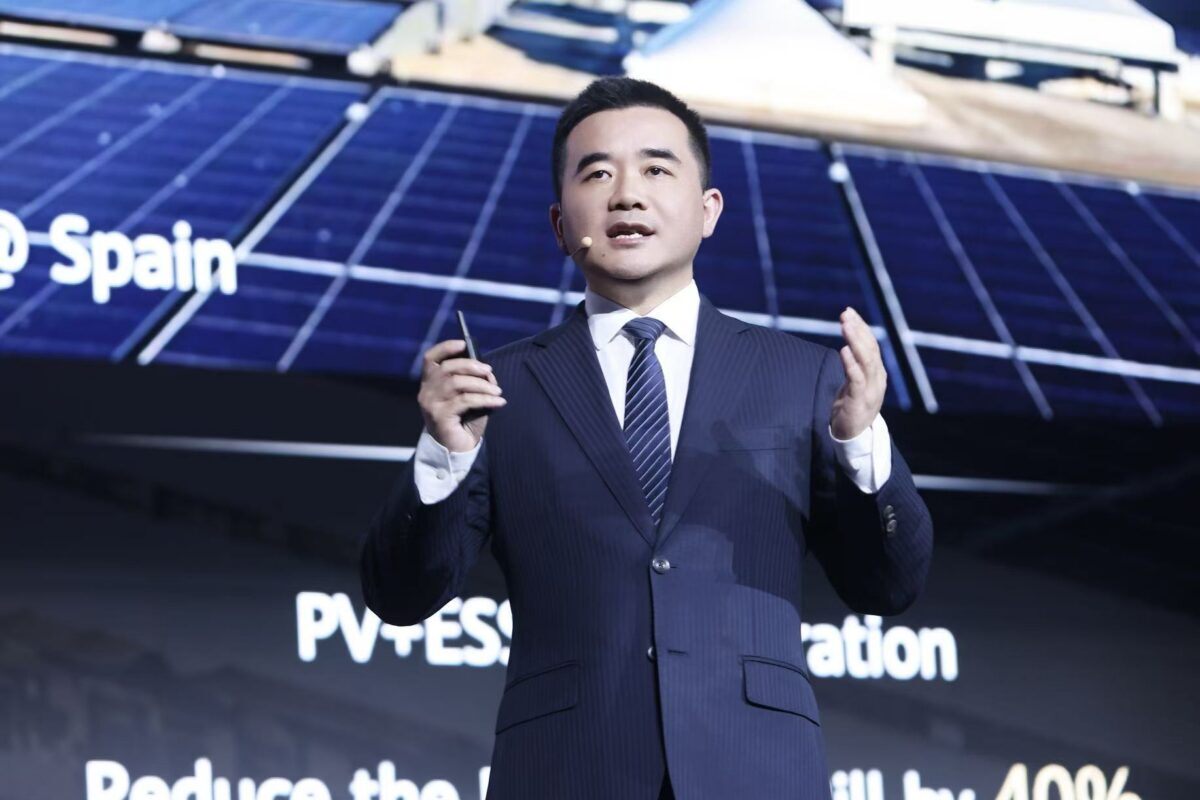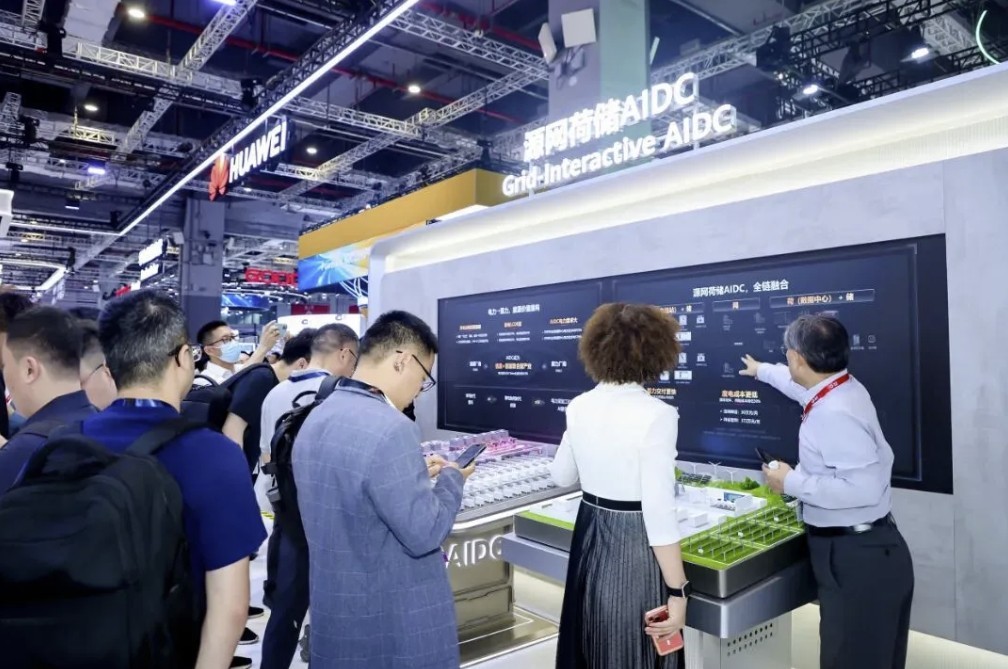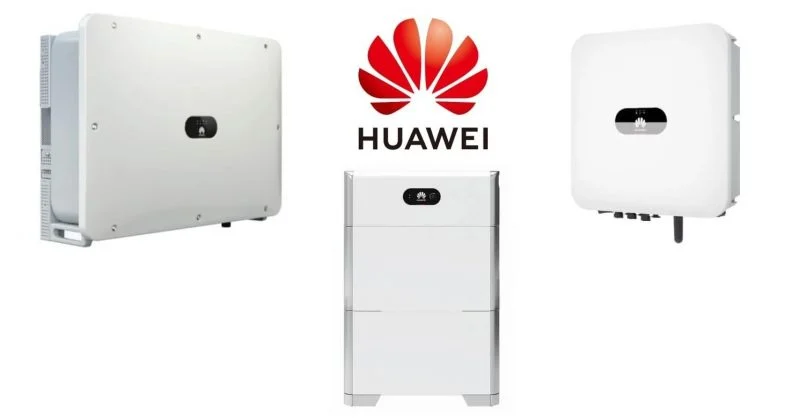
Huawei has emerged quietly as a key player in the global energy transition, according to reports. The company’s Huawei Digital Power unit is a notable contributor, providing advanced digital energy solutions such as photovoltaic inverters and battery energy storage systems. These technologies have been instrumental in major global projects, including the Red Sea Project in Saudi Arabia, the world’s largest renewable PV-plus-ESS microgrid. Huawei’s role in these initiatives aligns with its commitment to achieving net-zero emissions across its entire value chain by 2040.
Market participants appear to consider Huawei’s involvement in the energy sector as a positive indicator for China’s economic growth prospects. However, the impact on China’s GDP growth remains uncertain. Current pricing in prediction markets reflects a moderate decrease in the likelihood of China’s GDP growth falling below 1% in 2026, suggesting cautious optimism about the economic outlook.
Key Takeaways
Huawei’s role in the global energy transition appears to align with broader economic growth narratives for China.
Markets suggest a decreased likelihood of China’s GDP growth dropping below 1% in 2026, consistent with Huawei’s expansion in the energy sector.