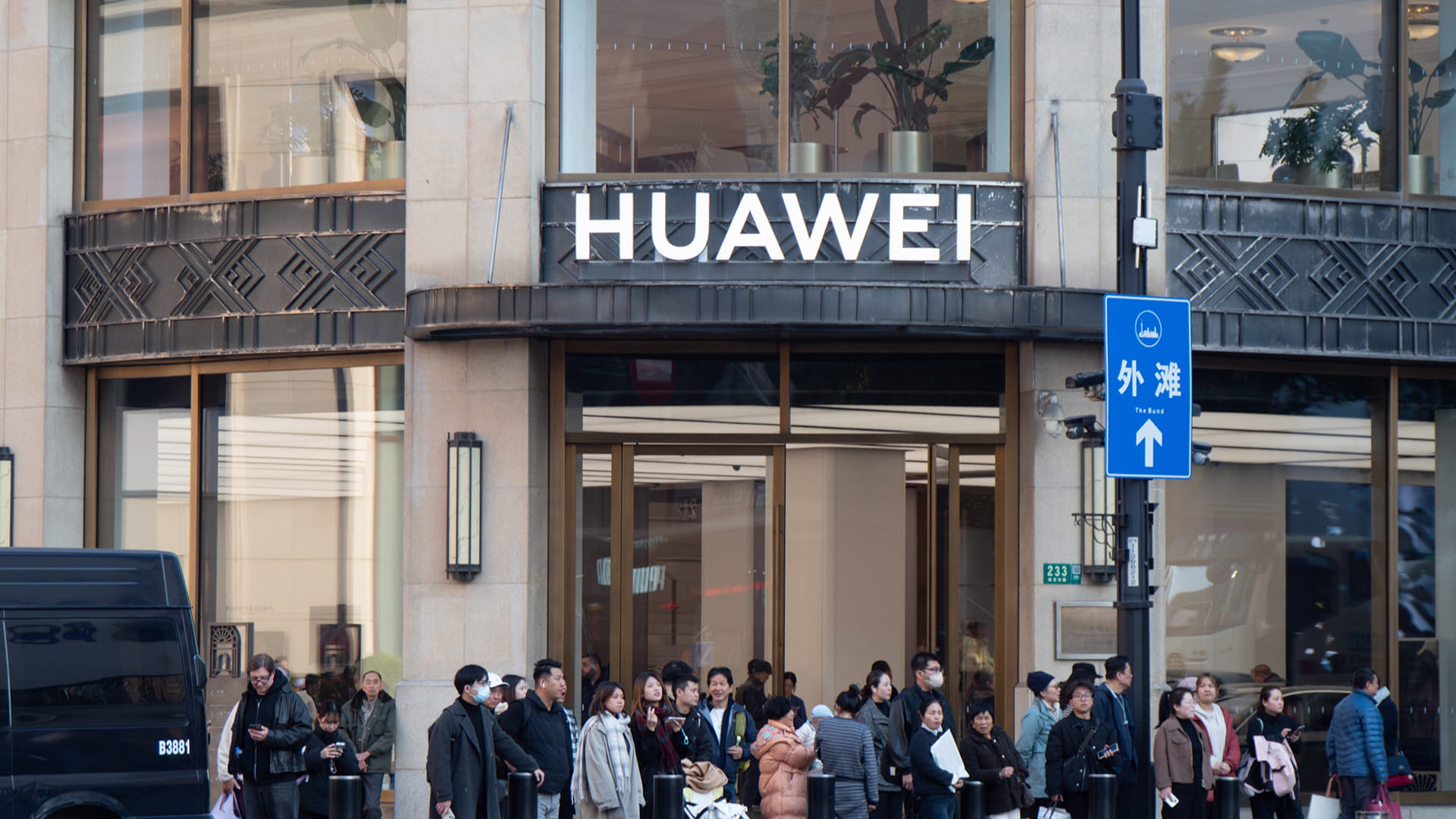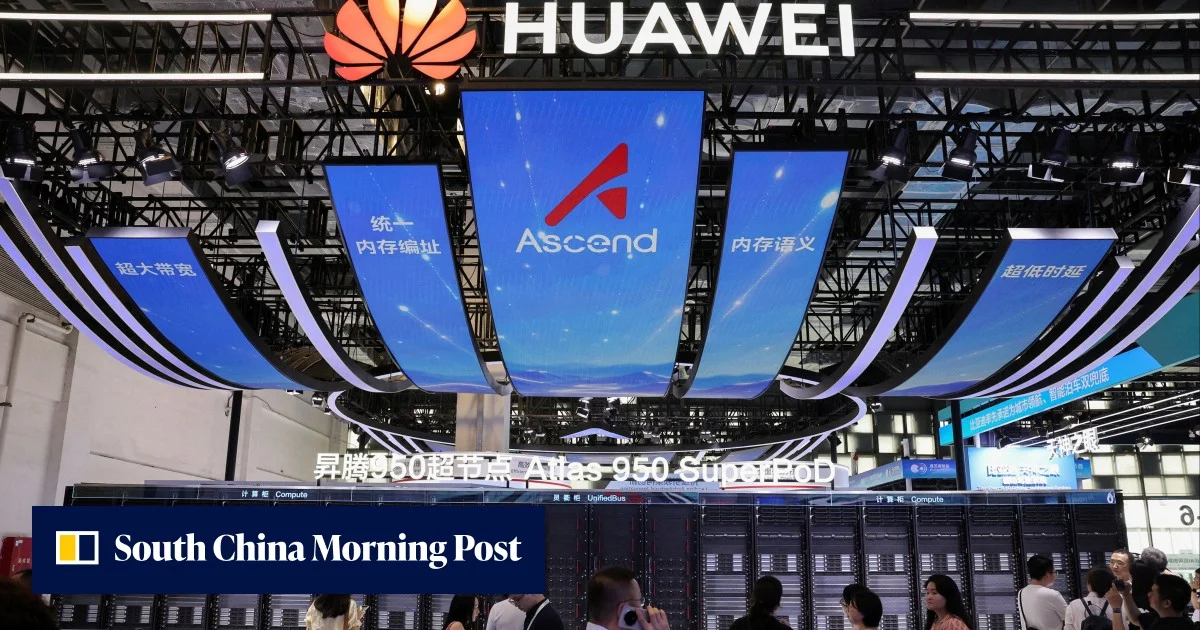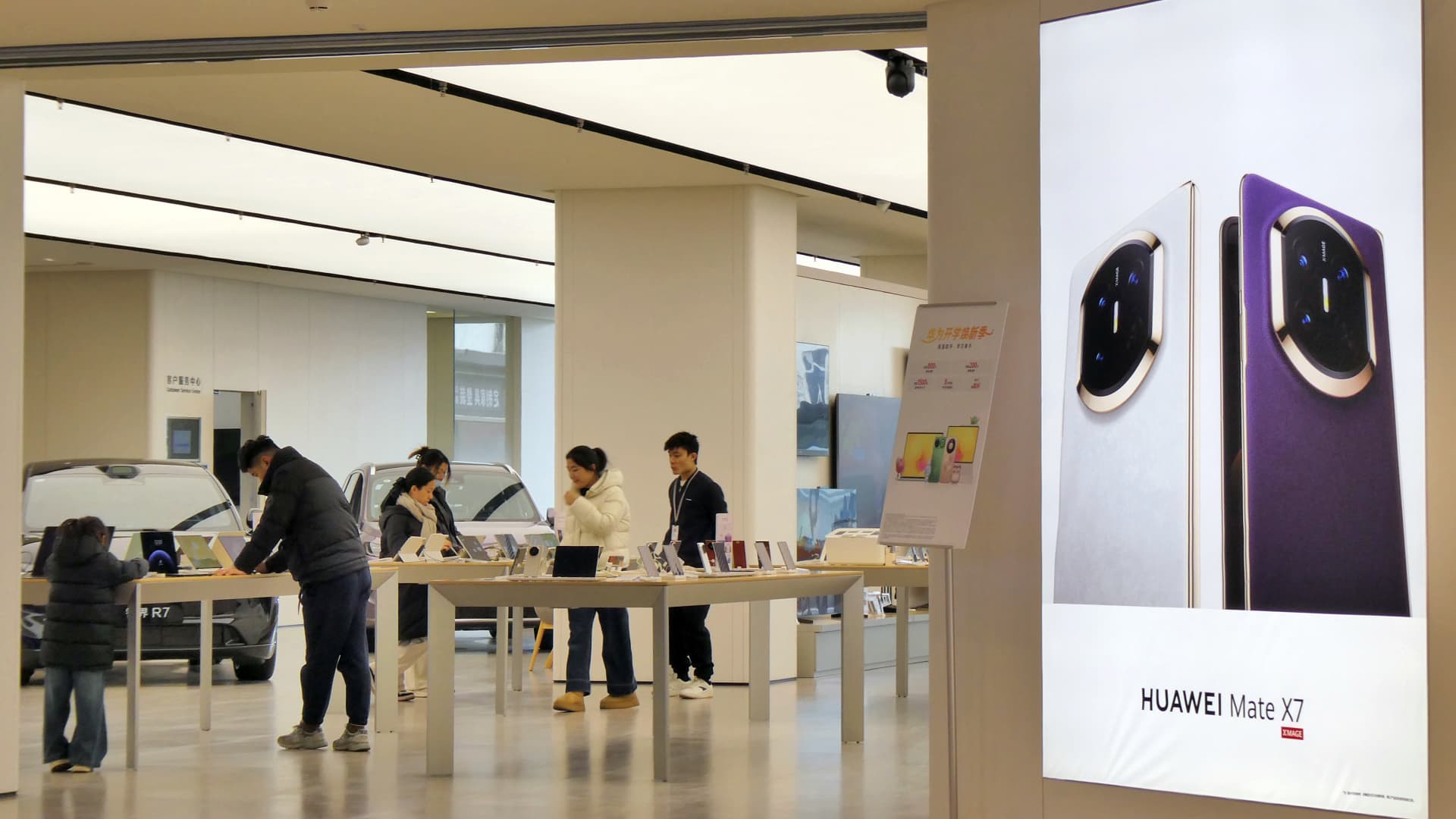
Ask most people what Huawei sells and you will get smartphones, or 5G, or a decade of geopolitical argument. Almost nobody says solar inverters.
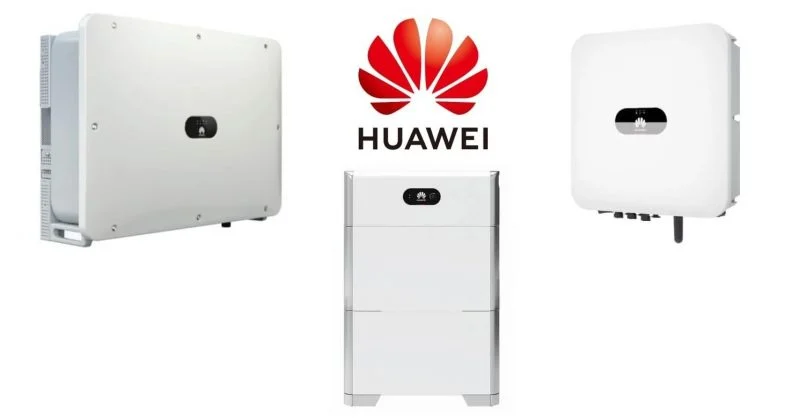
Yet Huawei Digital Power Technology, the division that makes them, along with battery storage systems and electric-vehicle charging kit, booked 68.7bn yuan of revenue in 2025, up 24.4% on the year before, according to the group’s annual report.
The comparison that makes the number legible is Tesla. Its energy generation and storage division, the Megapack and Powerwall business that Wall Street has spent two years calling the good half of the company, turned over $12.77bn in 2025, up around 27%, on record deployments of 46.7 GWh. Two businesses, similar size, similar growth rate, wildly different levels of public attention.
Tesla’s energy arm is discussed on earnings calls, in analyst notes, and on a great deal of social media. Huawei’s is discussed by procurement managers.
Some of that asymmetry is structural. Huawei is unlisted, employee-owned, and reports once a year in a document that runs to several hundred pages, of which Digital Power occupies a line.