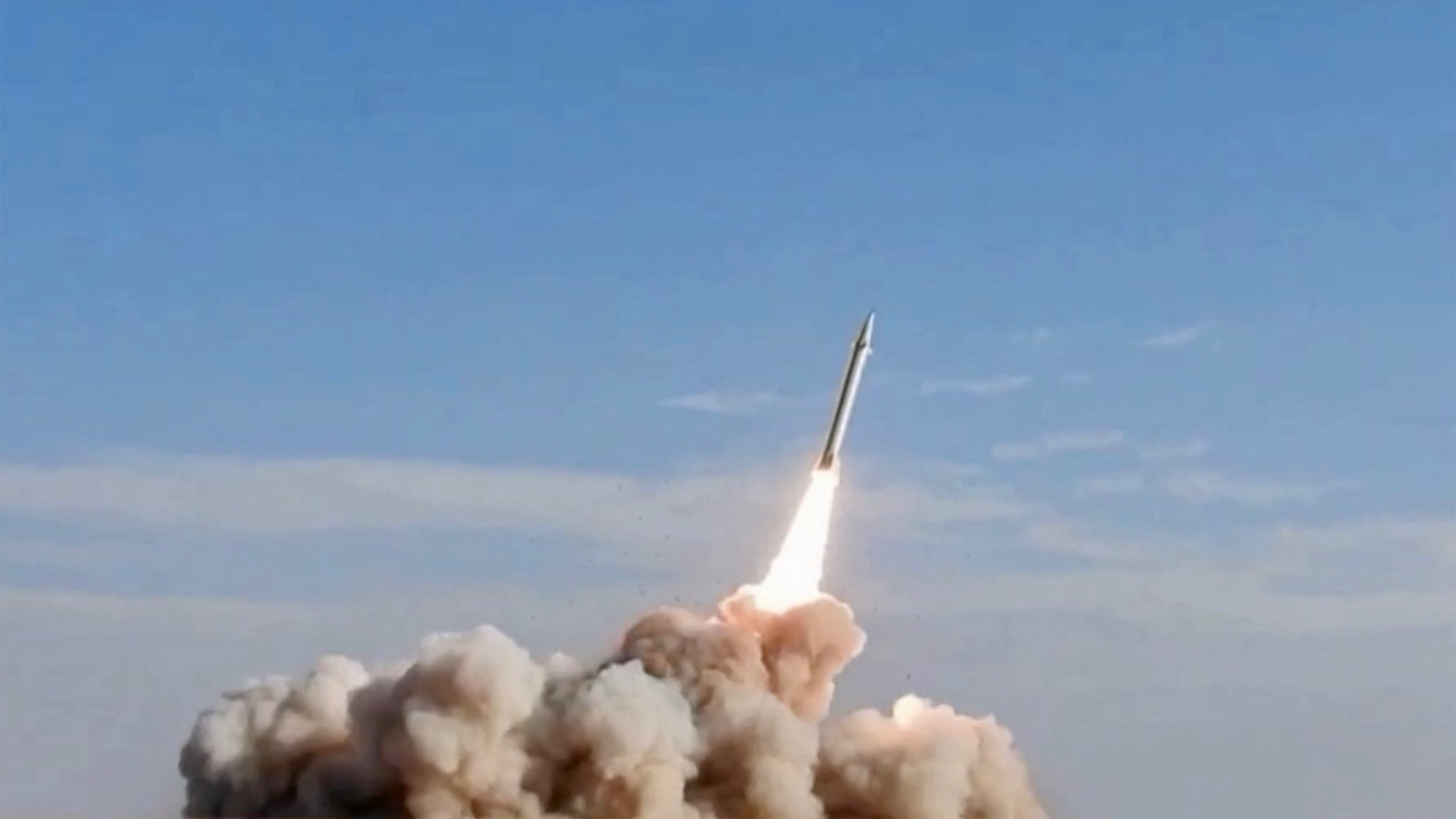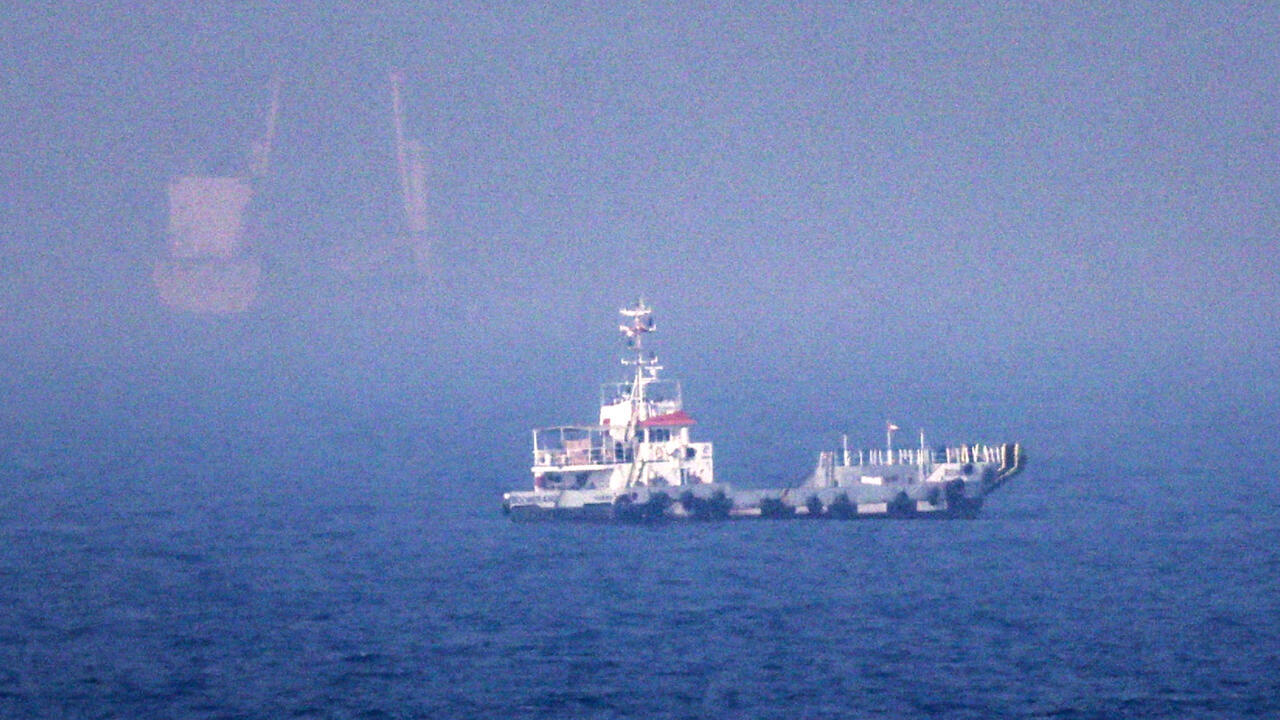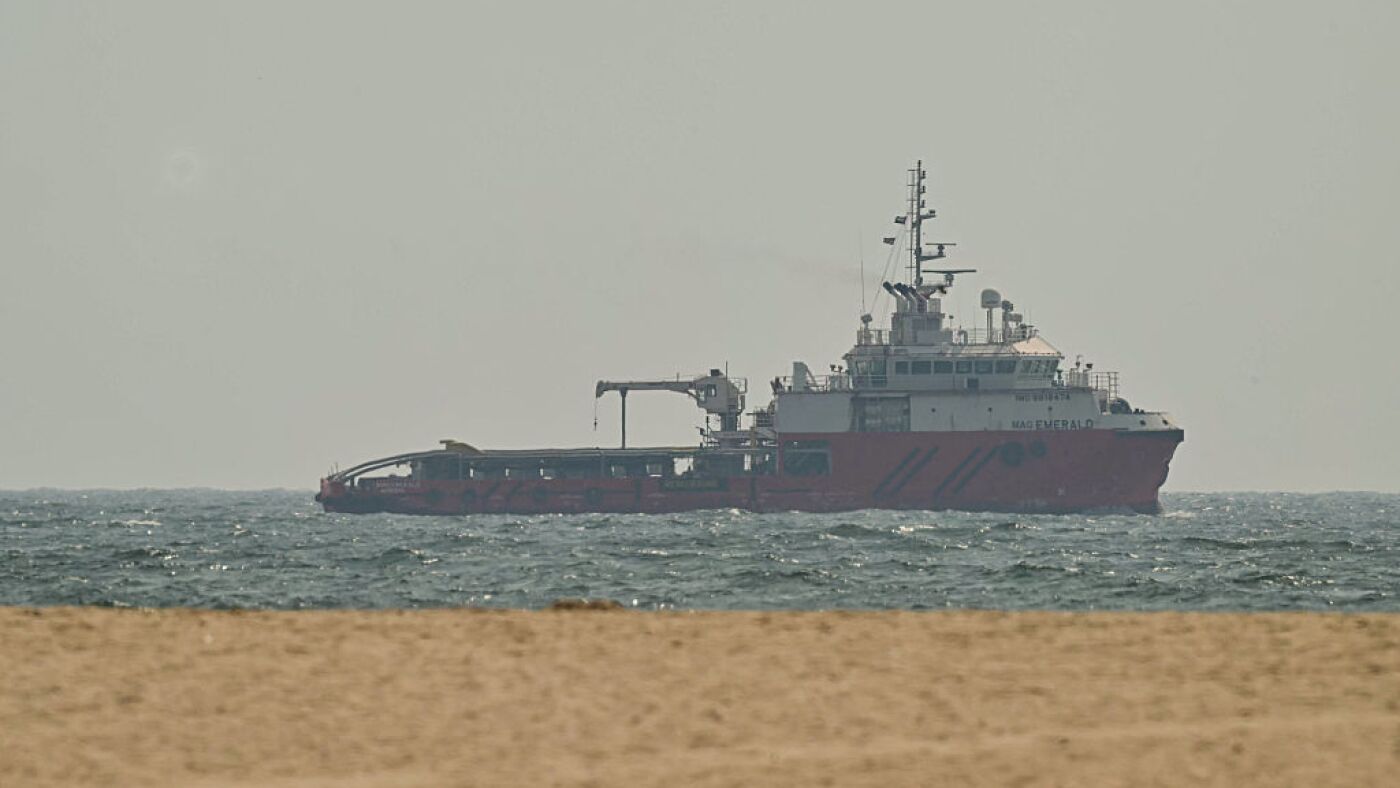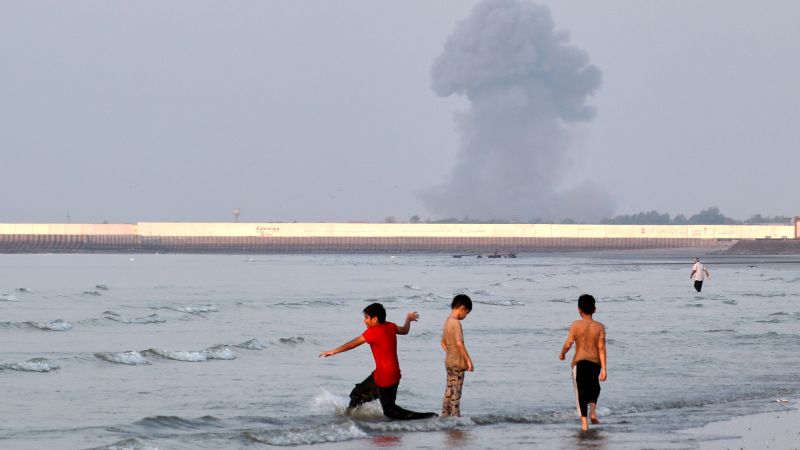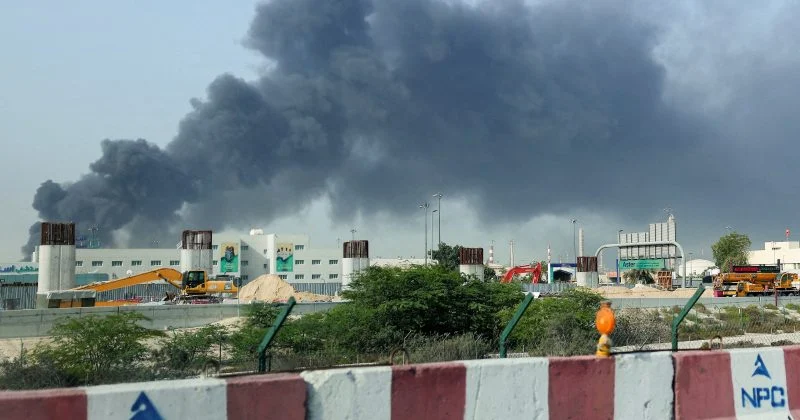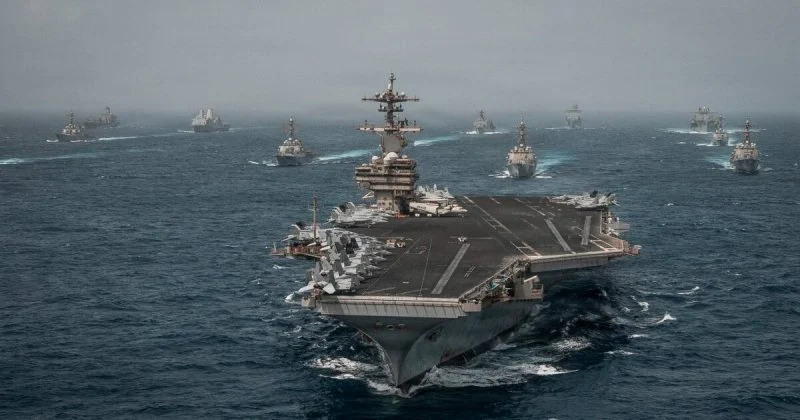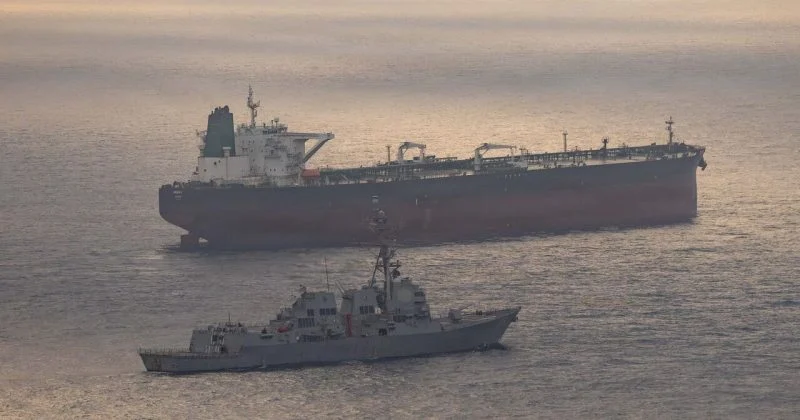
The United States has announced plans to reimpose a naval blockade on Iran, coinciding with the anniversary of the Joint Comprehensive Plan of Action (JCPOA). This decision marks a significant reversal from the recent ceasefire agreement that had lifted the blockade following the 2026 Iran war involving the US, Israel, and Iran. The blockade had originally been imposed to restrict Iran’s oil exports and enforce negotiation terms. Analysts suggest this move indicates a breakdown in diplomatic efforts, likely due to Iran’s non-compliance with the ceasefire conditions or a strategic shift from the US administration.
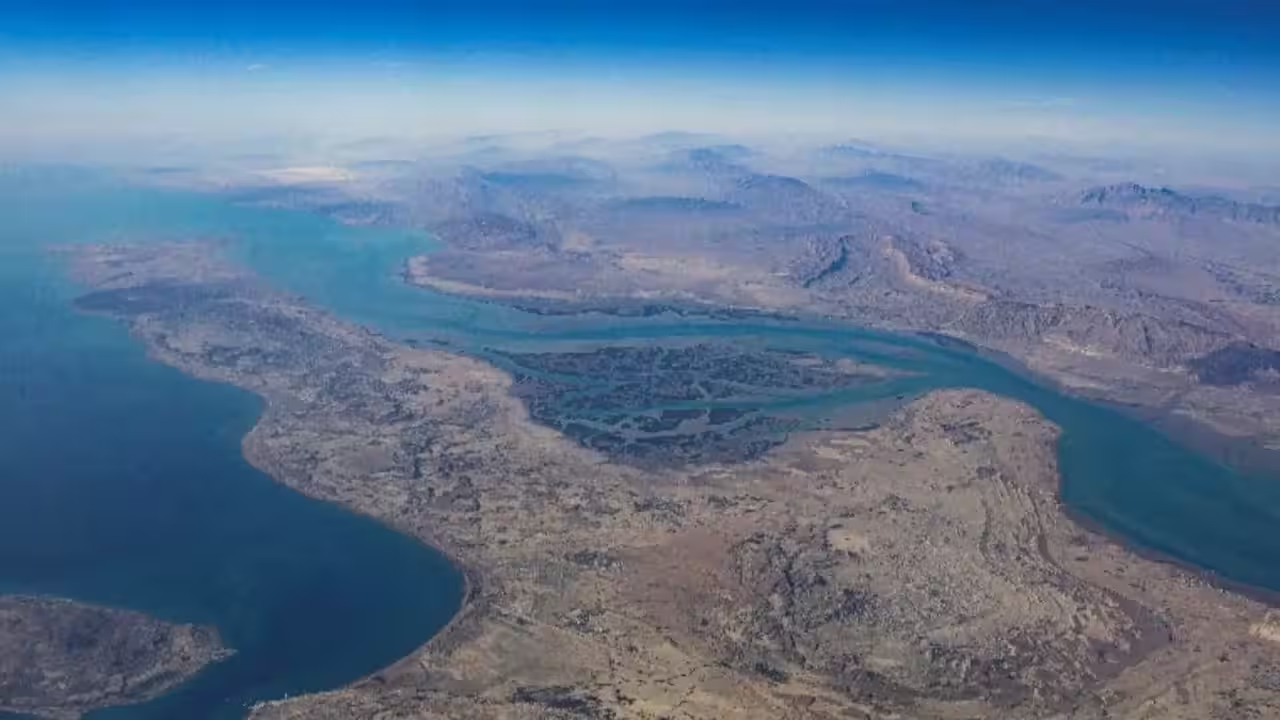
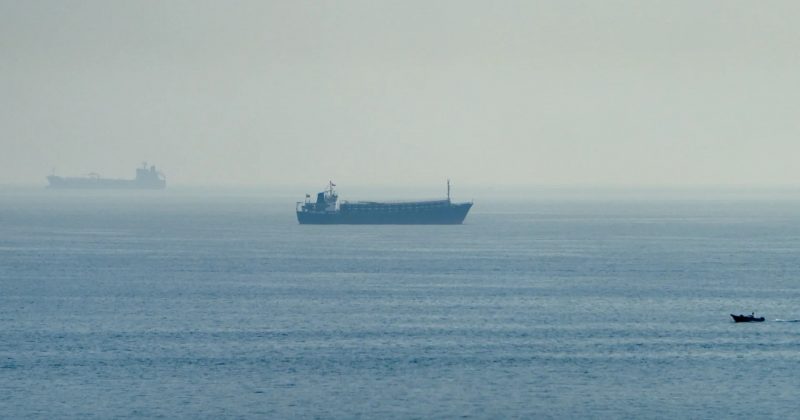
Market participants appear to interpret the reimposition of the blockade as a significant escalation in the region, with potential impacts on global oil trade. The Strait of Hormuz, a vital passageway for oil shipments, could see reduced ship transit as tensions rise. This development is reflected in prediction markets, where the likelihood of fewer than 150 ships transiting the Strait of Hormuz between July 6 and July 12 has surged to 86.8%, up from 12% a week ago.
The escalation also raises the possibility of military actions, including US-Israeli airstrikes and Iranian countermeasures. These factors contribute to the market’s current assessment of the situation, suggesting heightened geopolitical risk in the region.