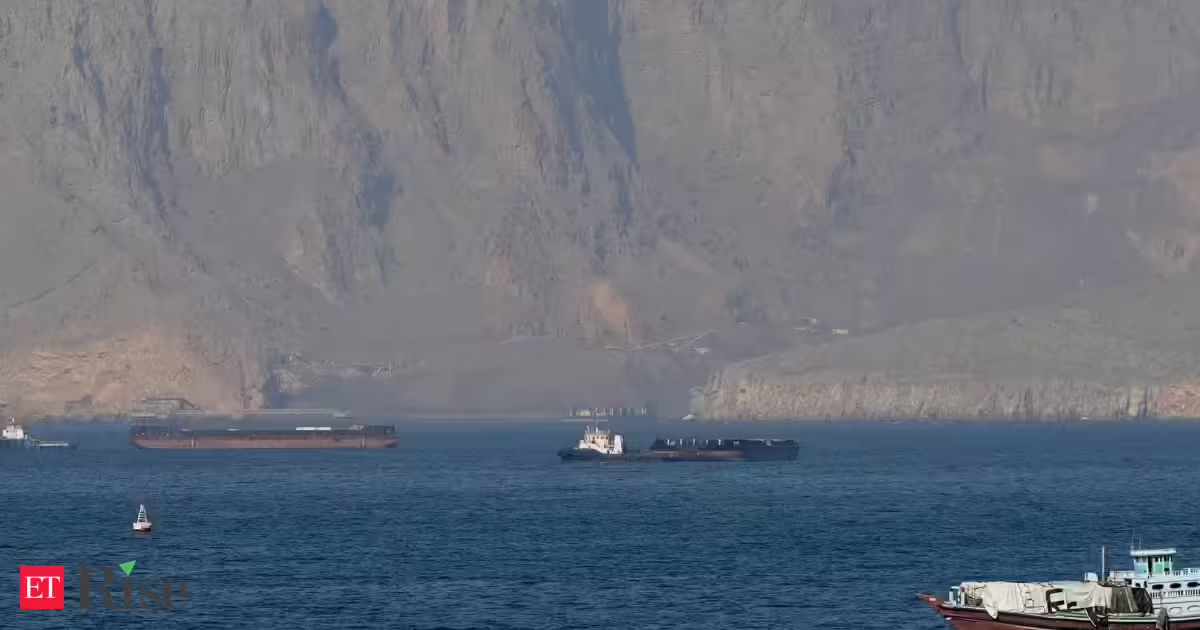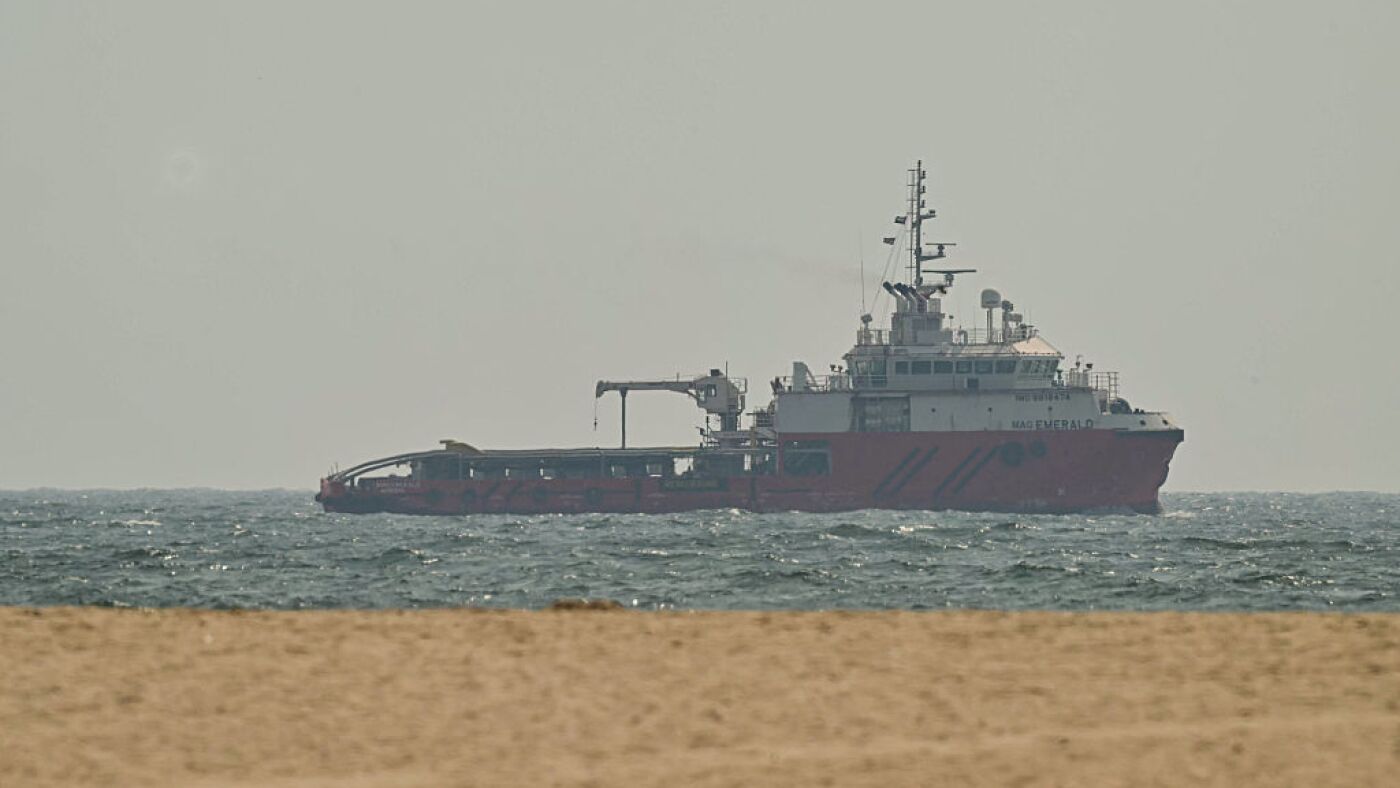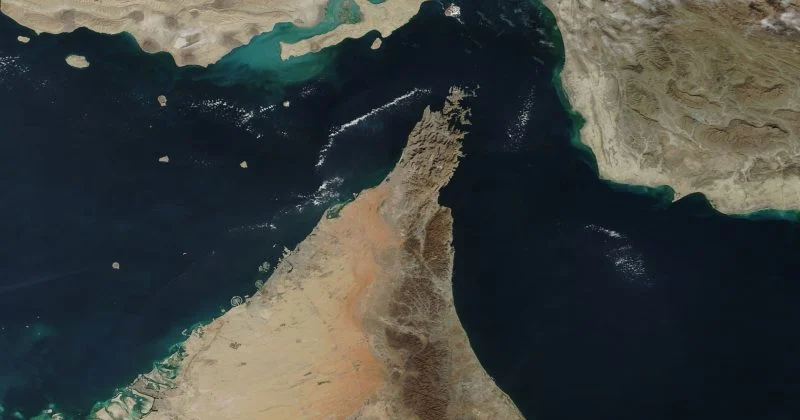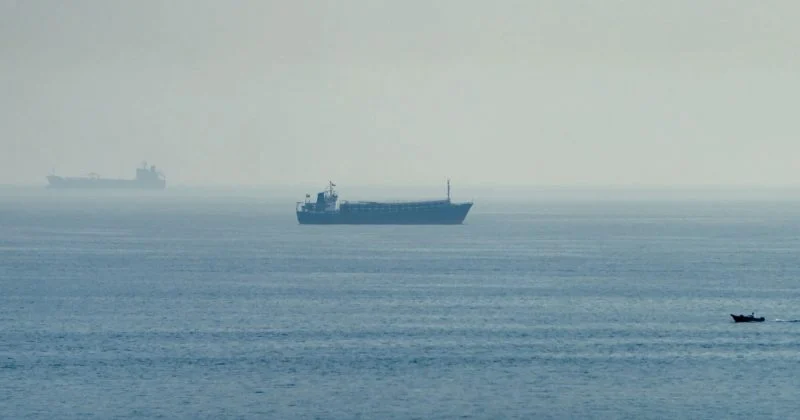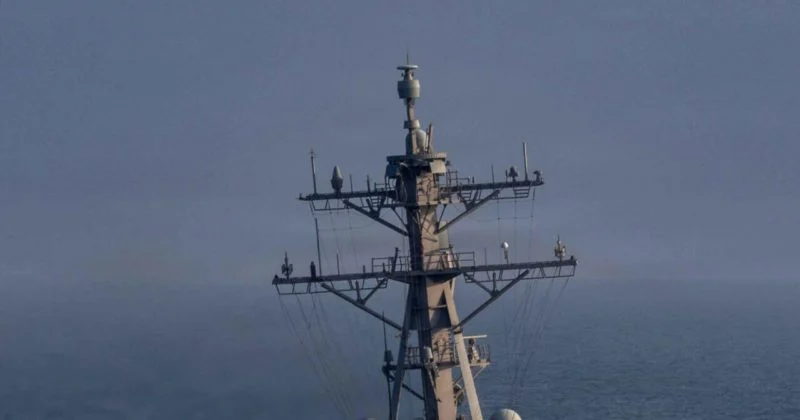
The US Navy-led Joint Maritime Information Center has confirmed that the ongoing blockade imposed by the United States applies to all vessel traffic, regardless of the flag they are sailing under. This development underscores the comprehensive scope of the blockade, which was initiated as part of the US military’s strategy in the 2026 Iran conflict. The blockade, enforced by U.S. Central Command, targets vessels entering or leaving Iranian ports, while allowing passage through the Strait of Hormuz for those heading to non-Iranian destinations. This announcement comes despite a ceasefire agreement reached in June, which stipulated the lifting of the blockade, yet its formal conclusion awaits finalization.
The market impact of this announcement is significant, particularly for the prediction market focused on ship transits through the Strait of Hormuz. Current pricing suggests a decrease in the likelihood of high ship transit numbers, reflecting increased operational risks and potential disruptions in the region. This is consistent with the blockade’s comprehensive nature and its implications for international shipping routes.
Key Takeaways
The US Navy’s announcement appears to support a reduction in ship transits through the Strait of Hormuz, with pricing indicating decreased confidence in meeting higher transit thresholds.