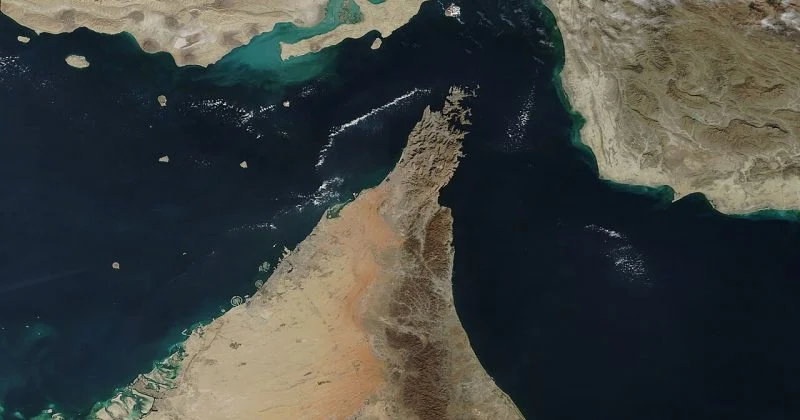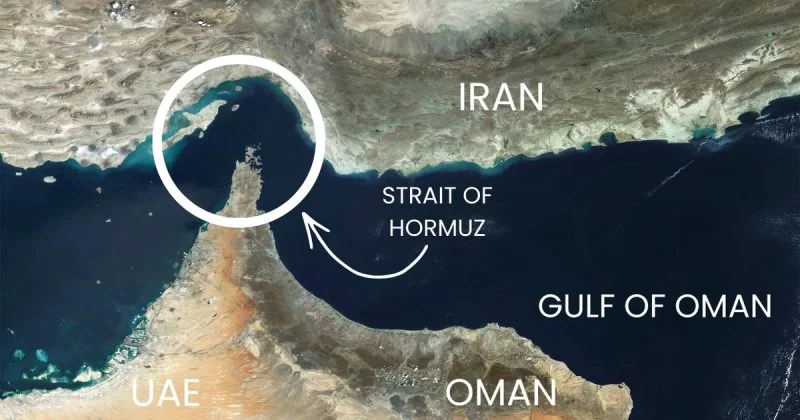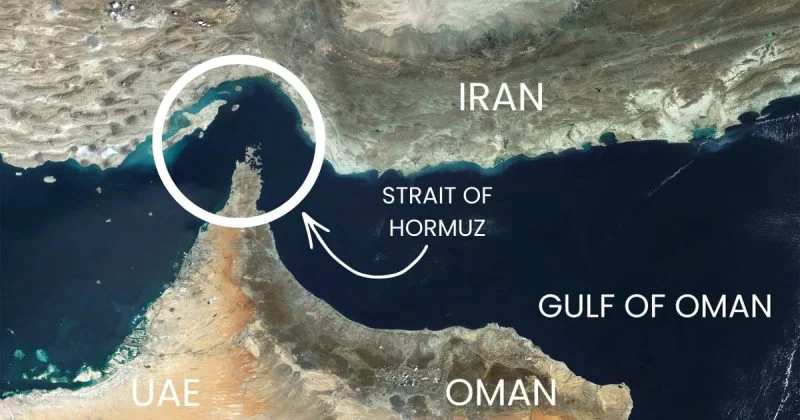
Tensions between the U.S. and Iran have escalated, resulting in missile strikes and raising concerns about potential disruptions to shipping through the Strait of Hormuz. This geopolitical conflict has led to a surge in oil prices, with Brent crude climbing above $83 per barrel and West Texas Intermediate (WTI) witnessing nearly a 9% increase. The rising oil prices have contributed to heightened inflation concerns, impacting U.S. stocks and bonds negatively. The Federal Reserve’s policy outlook is also affected, with money markets now pricing in around a 50% chance of a rate hike in July.
Key Takeaways
The U.S.-Iran tensions appear to have significantly increased oil prices, suggesting a potential disruption in the Strait of Hormuz shipping lanes.
Market behavior indicates a heightened expectation of inflation, which may influence the Federal Reserve’s monetary policy decisions in the coming months.
Pricing suggests participants view the probability of a Fed rate hike in July as elevated, reflecting the economic uncertainty tied to geopolitical developments.