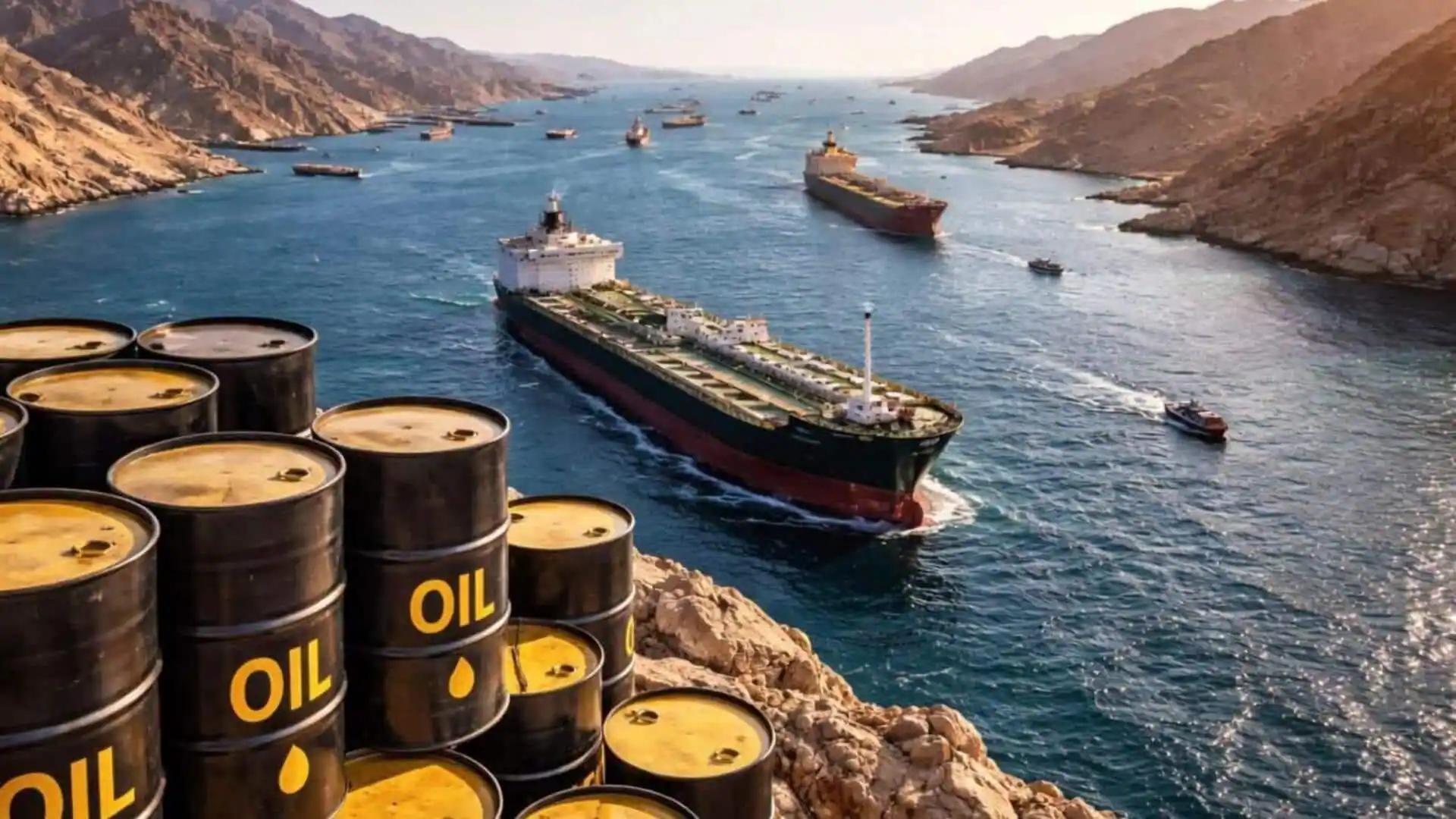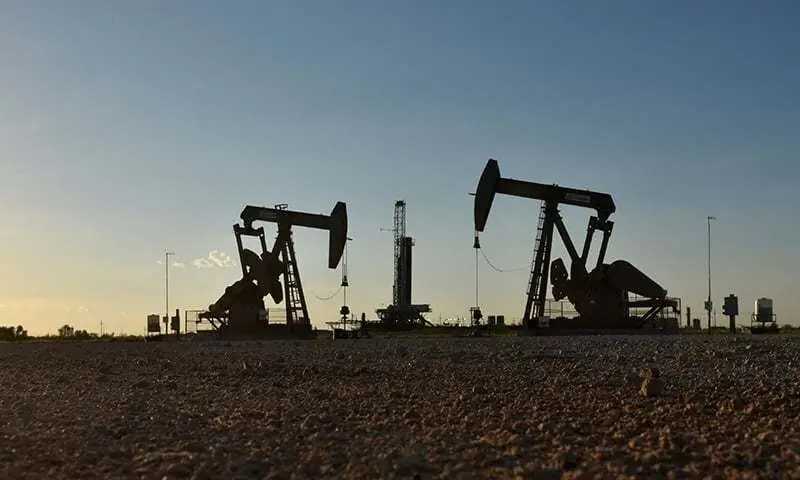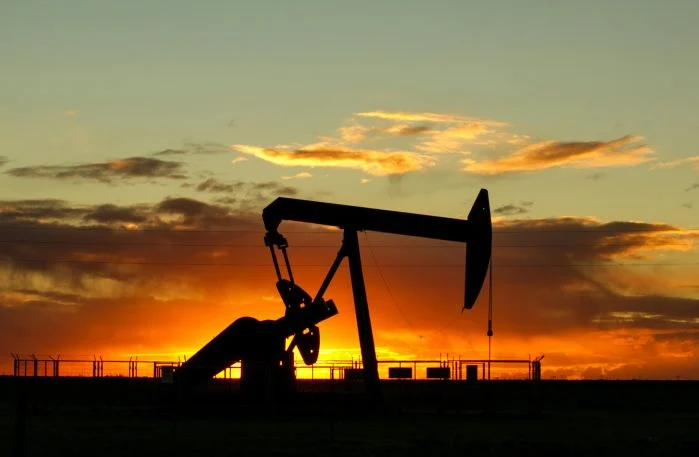
Oil prices have surged significantly as geopolitical tensions between the U.S. and Iran escalate, alongside robust U.S. demand. West Texas Intermediate (WTI) crude has reached approximately $80.56 per barrel, while Brent crude is priced at around $85.81 per barrel. The recent conflict has severely disrupted tanker traffic through the Strait of Hormuz, a critical chokepoint for global oil supply, affecting up to 140 million barrels of regional shipments. This disruption is contributing to a geopolitical risk premium embedded in current oil prices, which now include a $14 per barrel increase. Markets appear to be reacting to these developments, as evidenced by the increased likelihood of crude oil reaching a new all-time high by the end of the year.
Key Takeaways
Market activity suggests a significant increase in the likelihood of crude oil reaching new highs due to the ongoing U.S.-Iran tensions and strong demand.
Current pricing appears consistent with scenarios where geopolitical risks maintain upward pressure on oil prices, reflecting uncertainty in the Middle East.
The sharp rise in oil prices indicates a heightened risk premium, driven by supply disruptions from the halted traffic through the Strait of Hormuz.