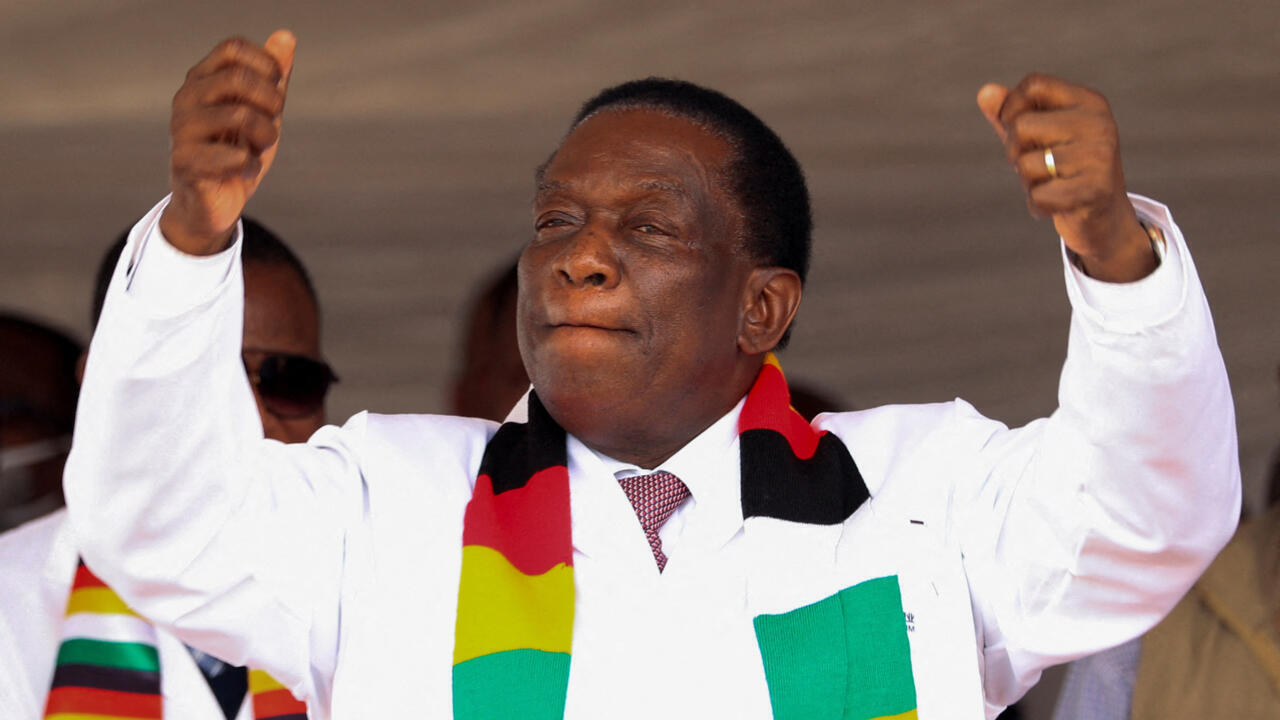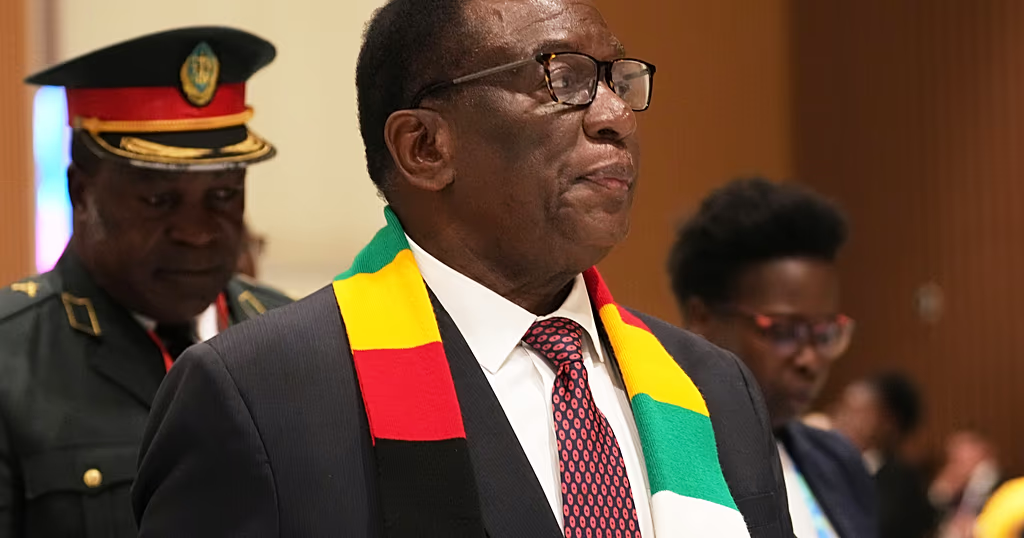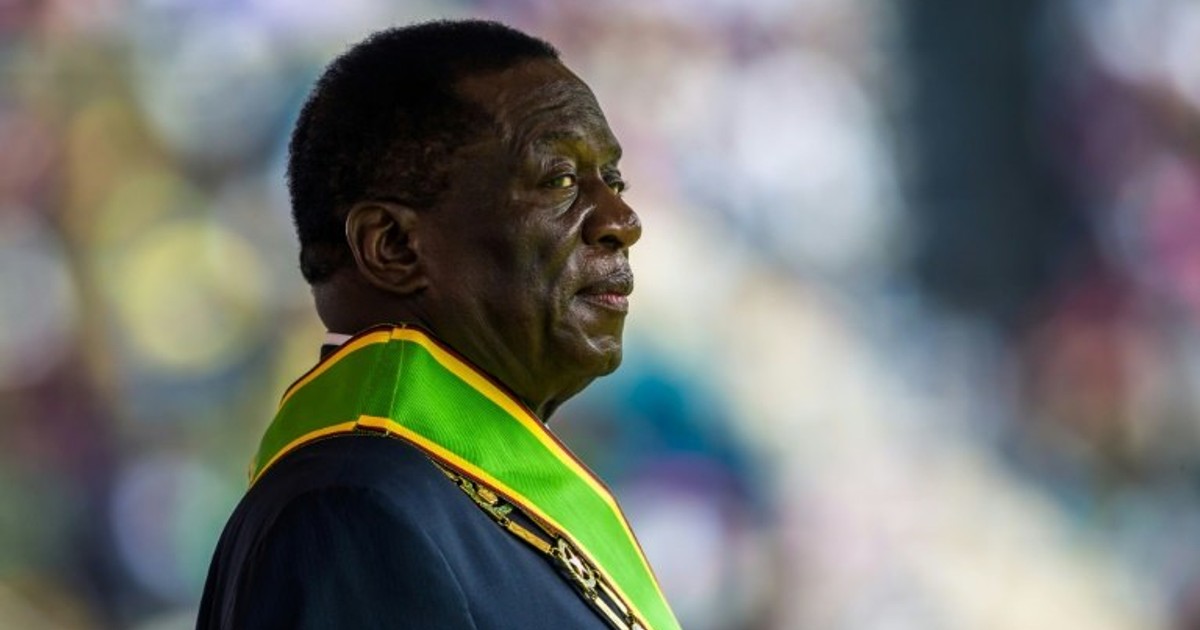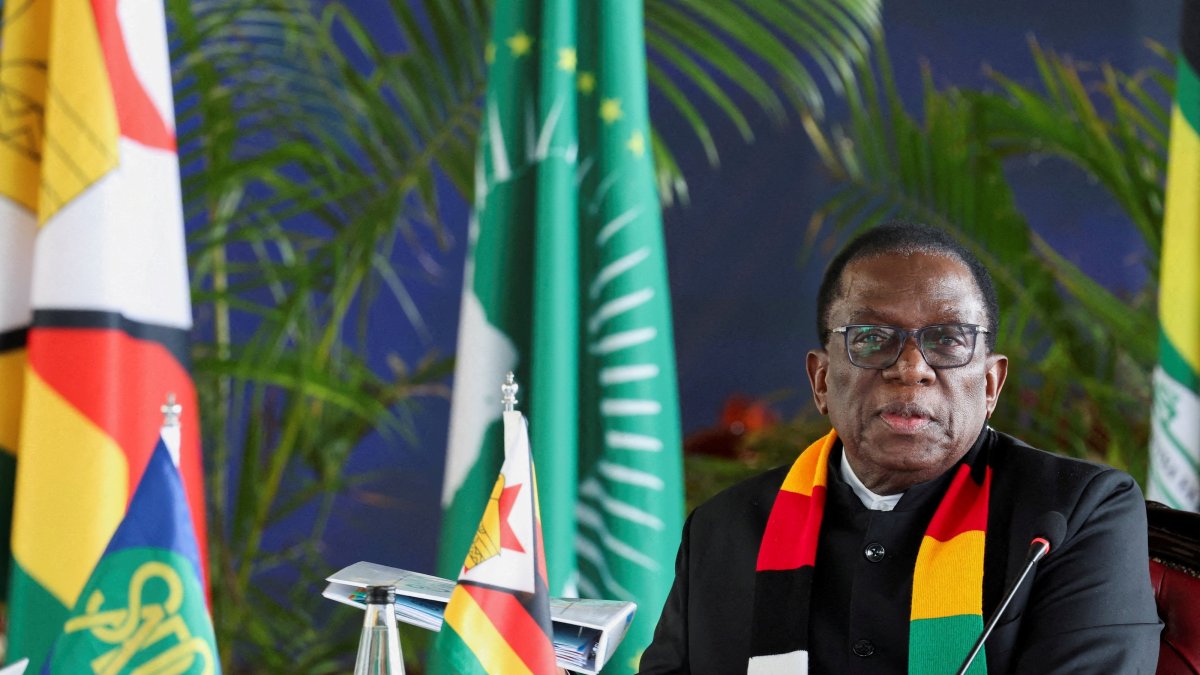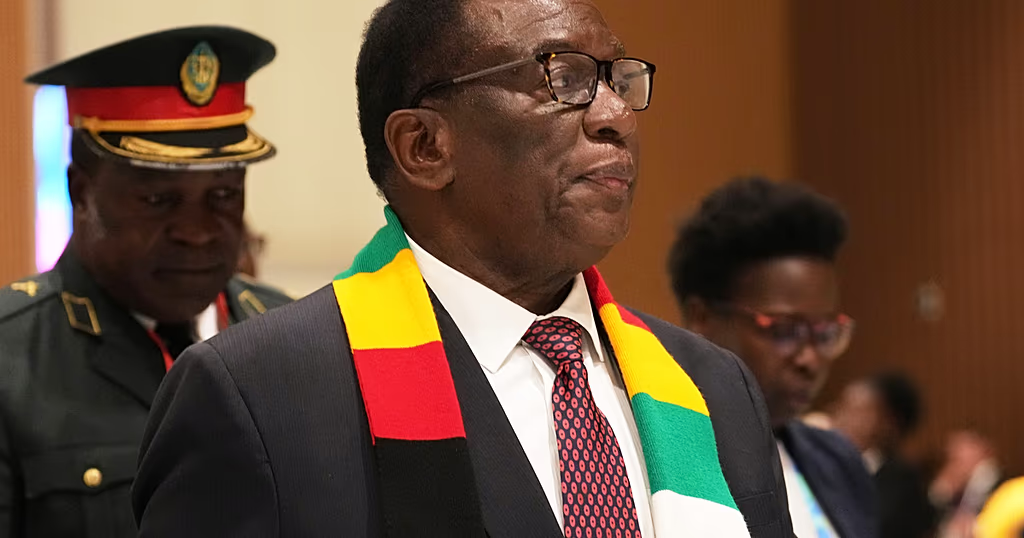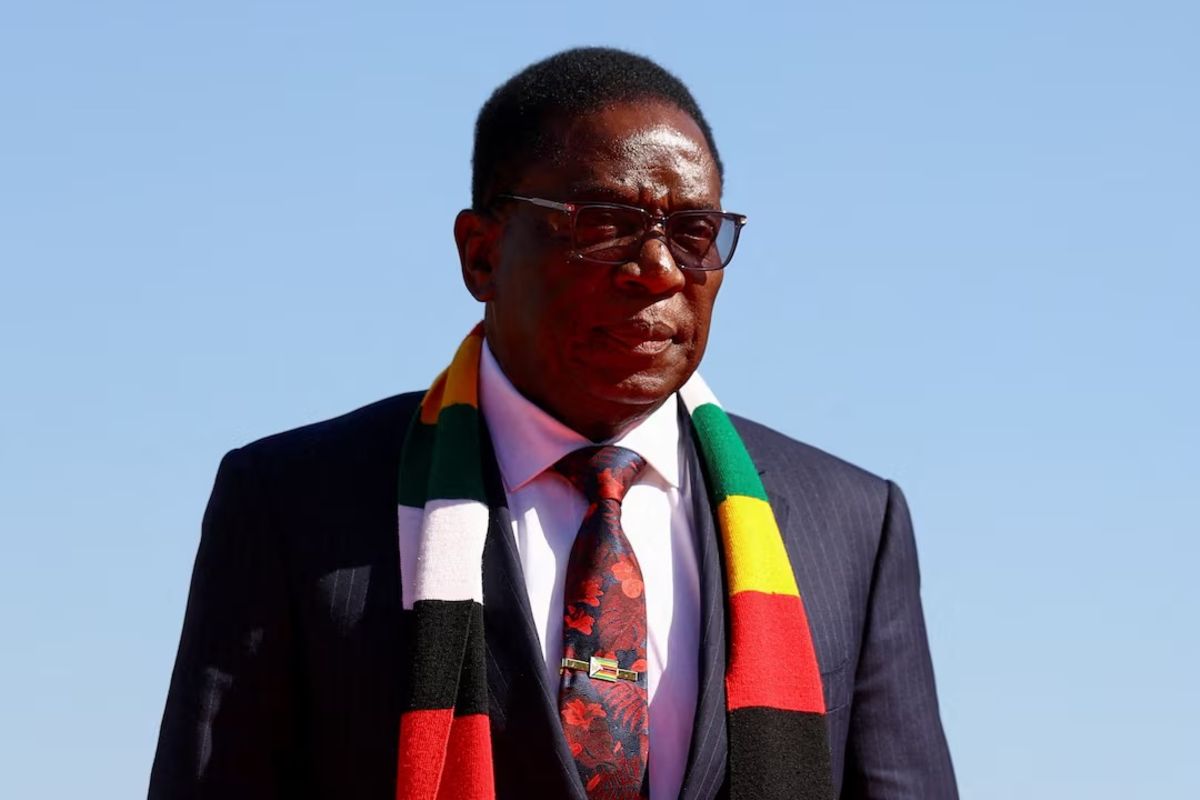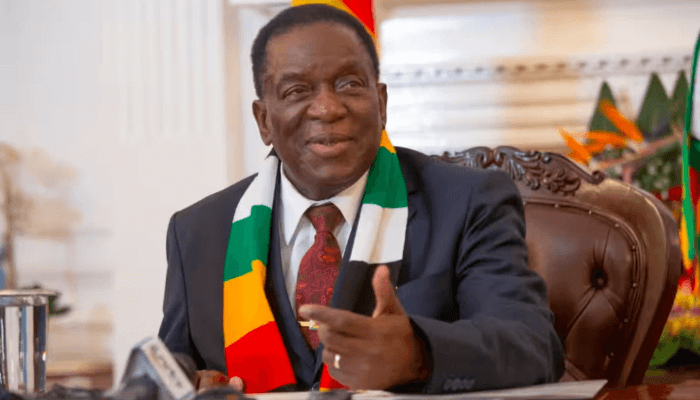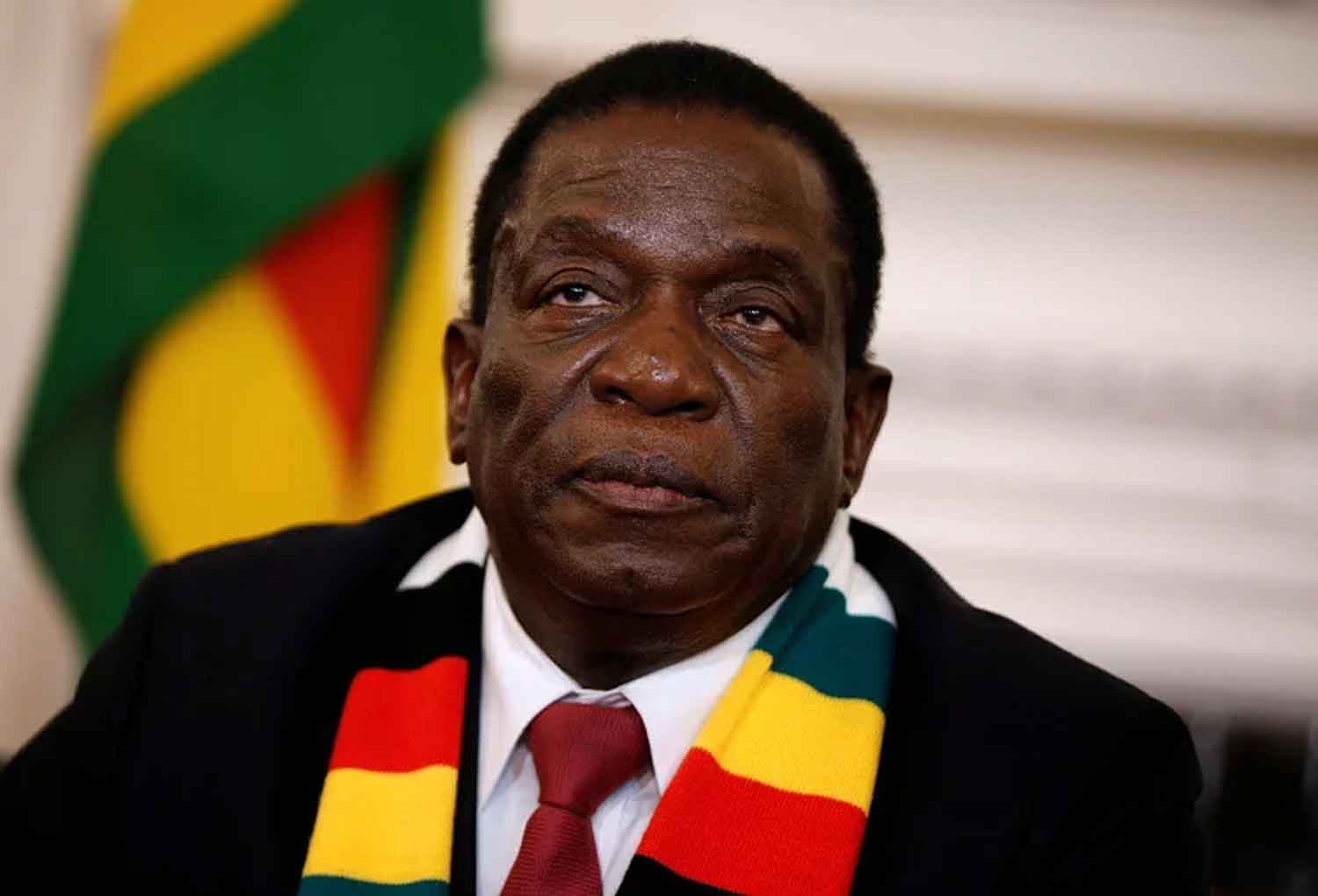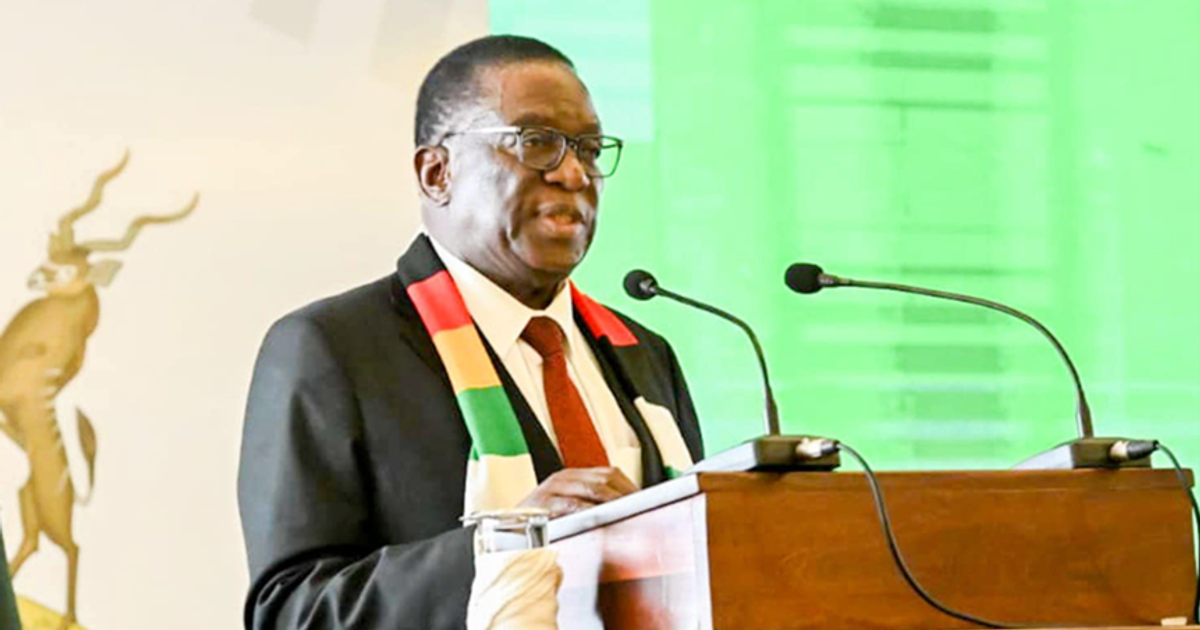
Zimbabwean President Emmerson Mnangagwa has defended the constitutional amendments that extend his presidency until 2030, insisting the changes were the result of a “collective decision” rather than his personal ambition, even though he had previously pledged to leave office in 2028.
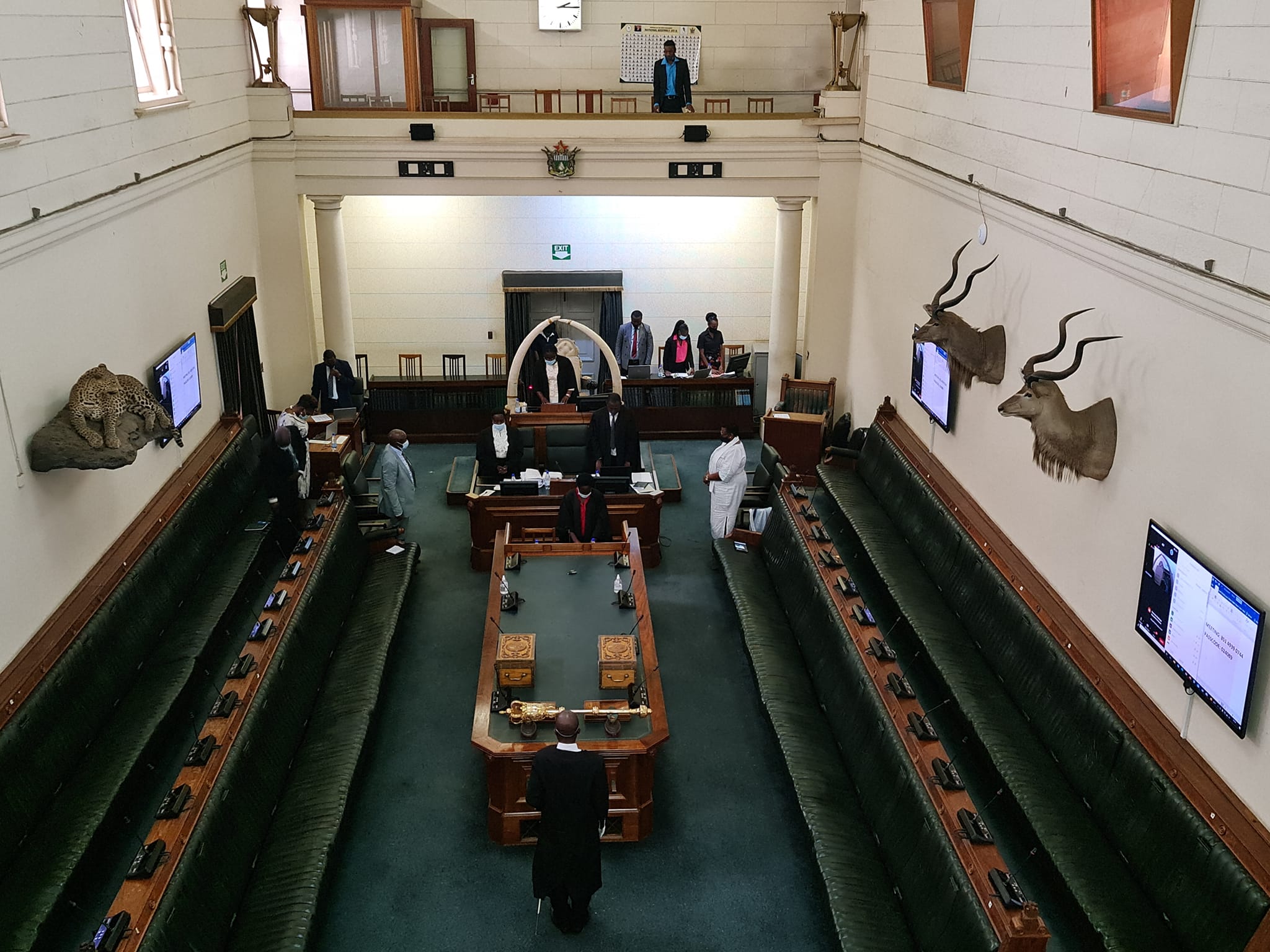
Speaking during an interview with senior state media journalists at State House in Harare, Mnangagwa said Parliament had “done the correct thing” by approving Constitutional Amendment Act No. 3, which was signed into law last week.
The legislation extends Zimbabwe’s presidential, parliamentary and local government terms from five years to seven years, postpones the next general election from 2028 to 2030, replaces direct presidential elections with selection by Parliament and expands the Senate from 80 to 90 members, with the president appointing the additional 10 senators.
“It wasn’t an idea of an individual. You cannot attribute this to a particular individual or group of persons, but a collective evolution of the political process,” Mnangagwa said.
The president rejected suggestions that the reforms were designed to serve one person, saying government decisions were reached collectively.