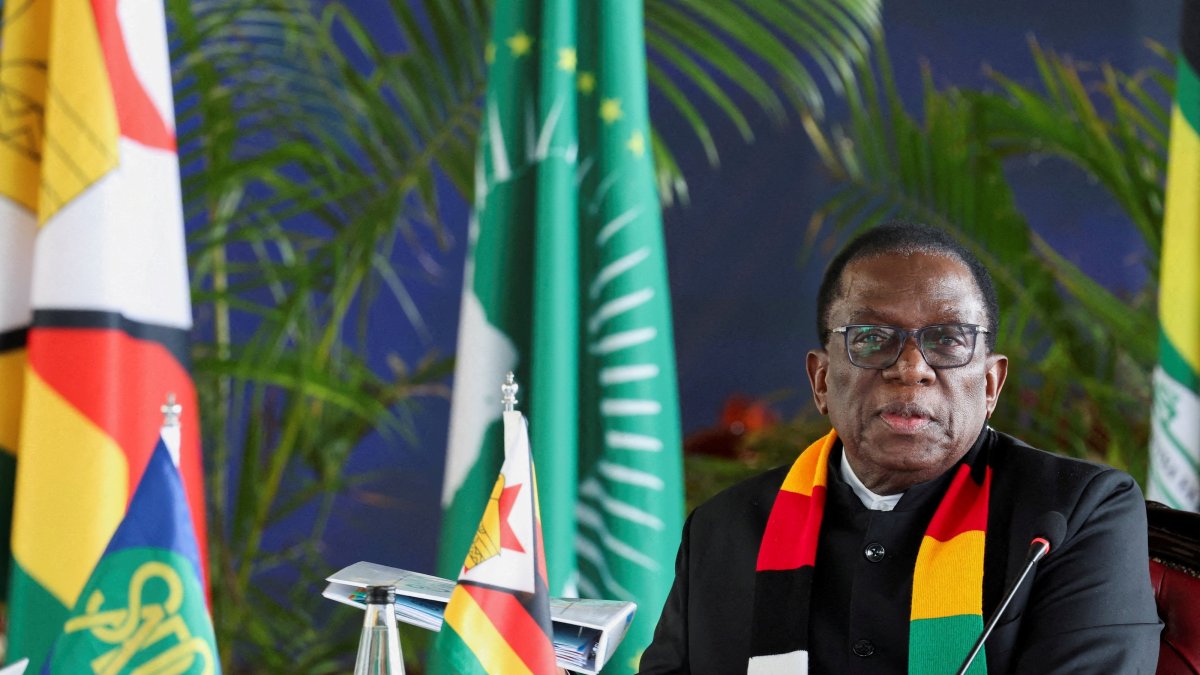
Zimbabwean President Emmerson Mnangagwa on Tuesday signed into law a controversial constitutional amendment extending his current term by two years to 2030, cementing one of the country's most significant political changes since the adoption of the 2013 Constitution.
Government spokesperson Nick Mangwana confirmed that Mnangagwa had assented to the Constitutional Amendment (No. 3) Act, bringing into force a package of reforms that reshapes Zimbabwe's electoral, judicial, and political systems while postponing the next general elections from 2028 to 2030.
The legislation has triggered sharp criticism from opposition parties, civil society organizations, constitutional lawyers, and some liberation war veterans, who argue it erodes democratic safeguards and concentrates power in the hands of the ruling Zimbabwe African National Union-Patriotic Front (ZANU-PF).
Sweeping constitutional changes
The new law extends presidential and parliamentary terms from five years to seven years, allowing Mnangagwa to remain in office until 2030 instead of completing what had been expected to be his final term in 2028.