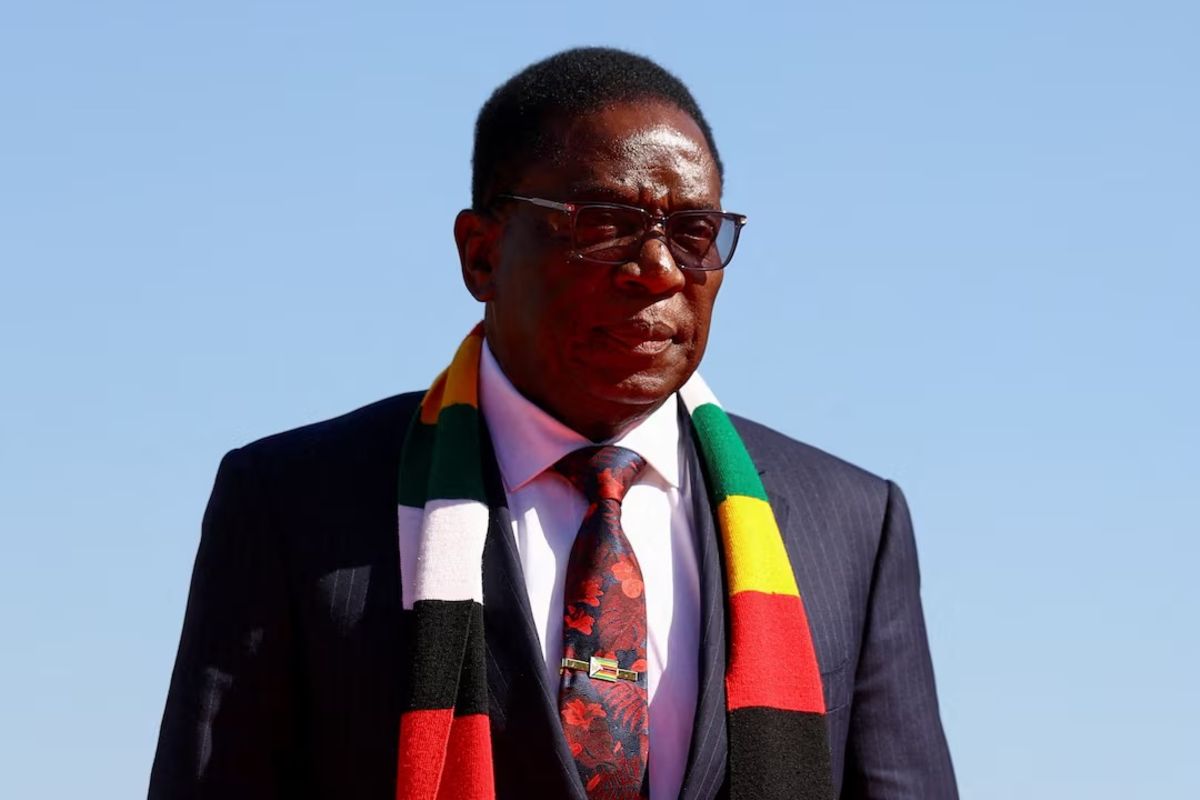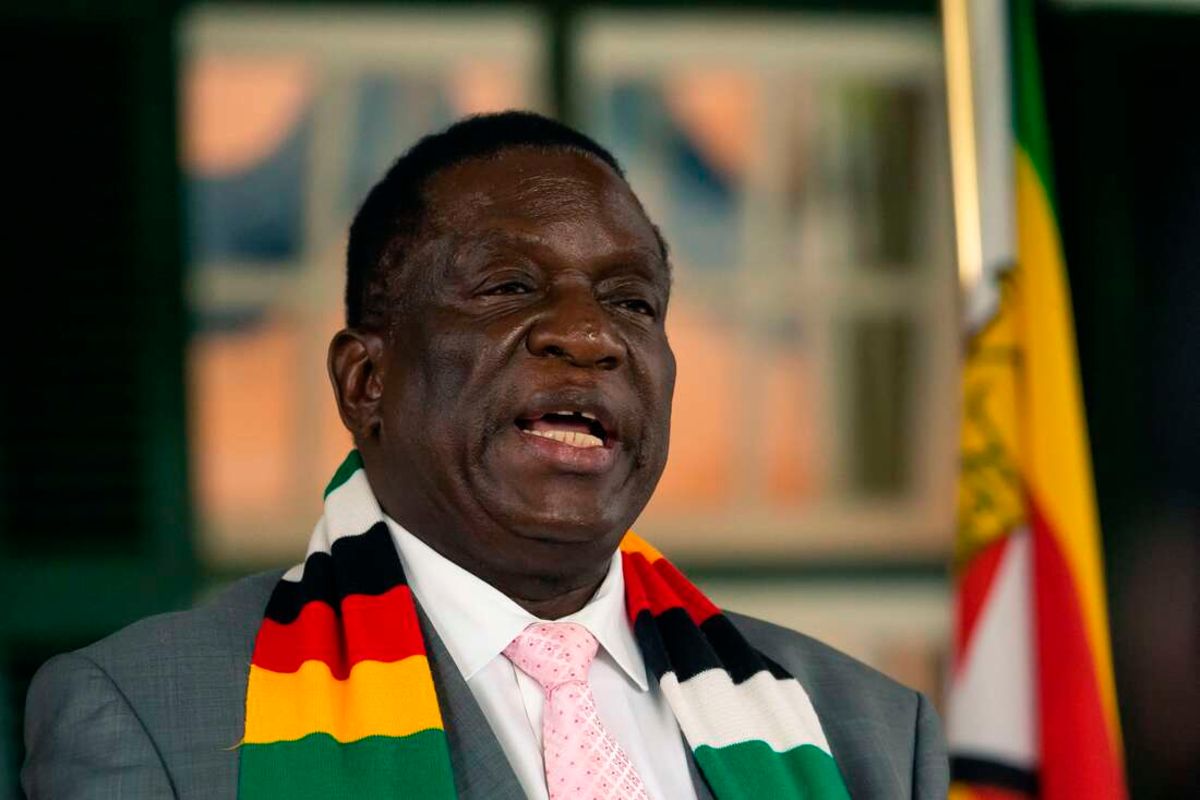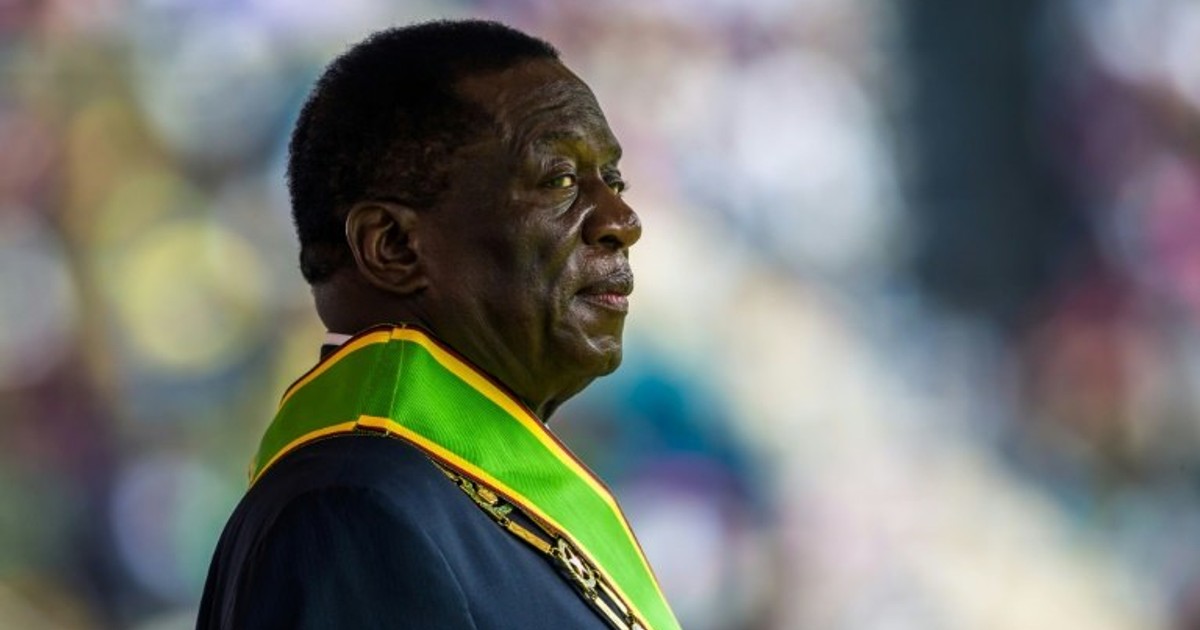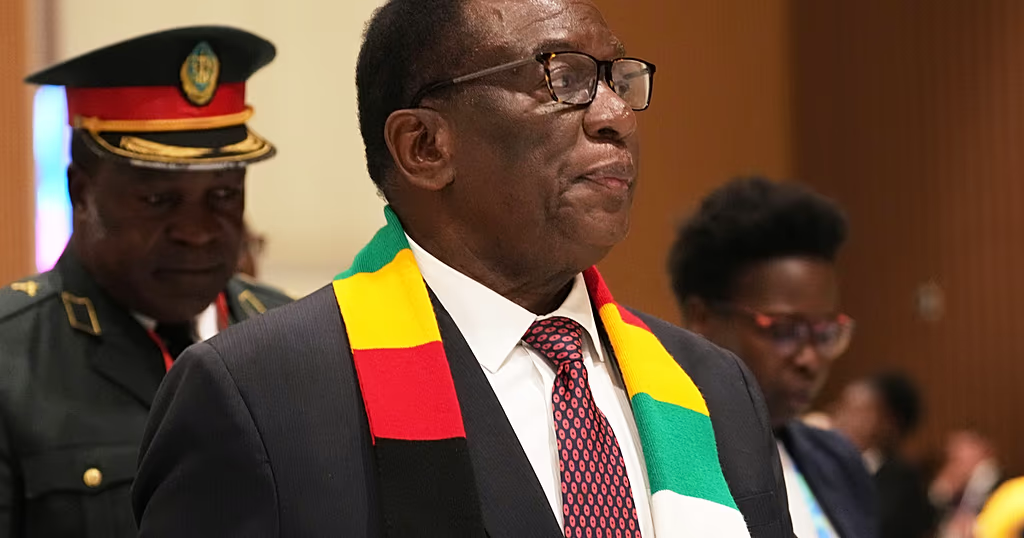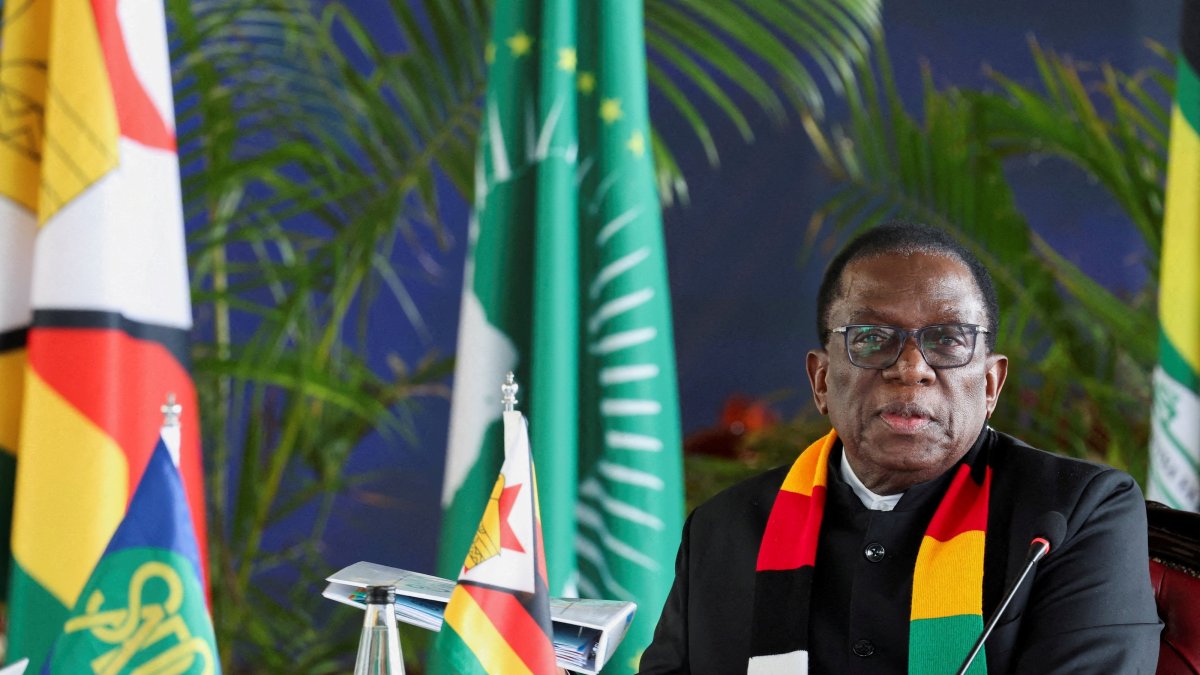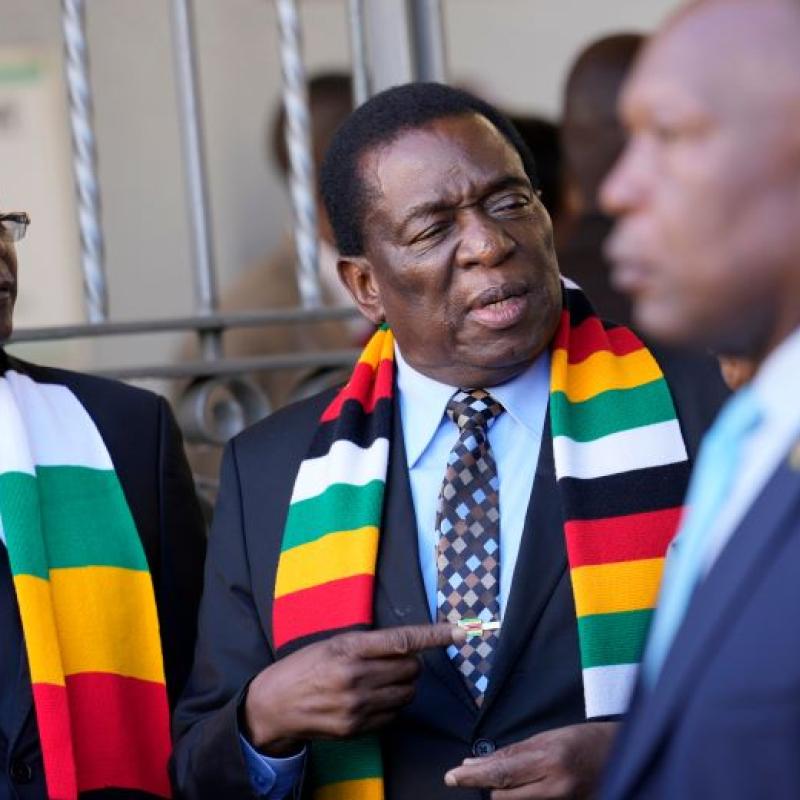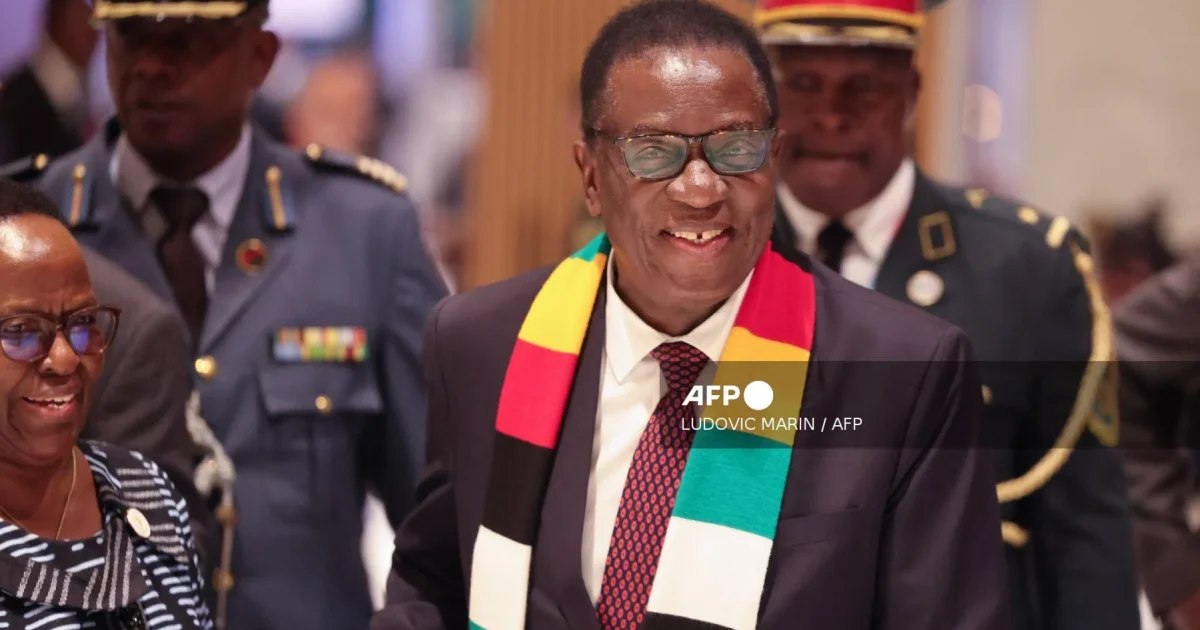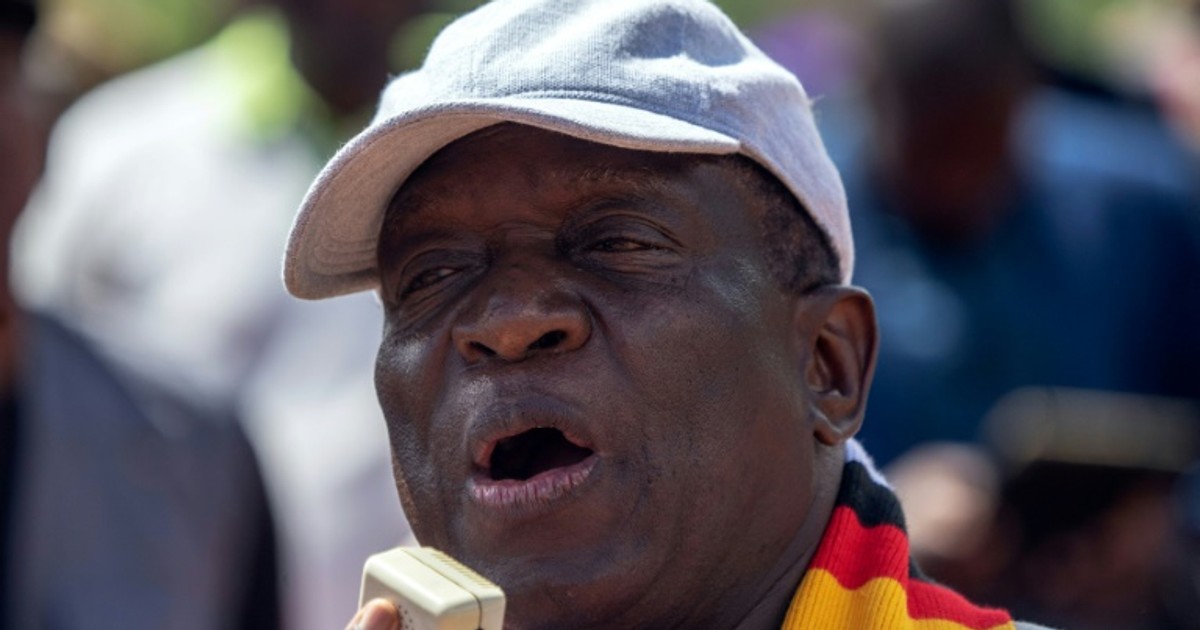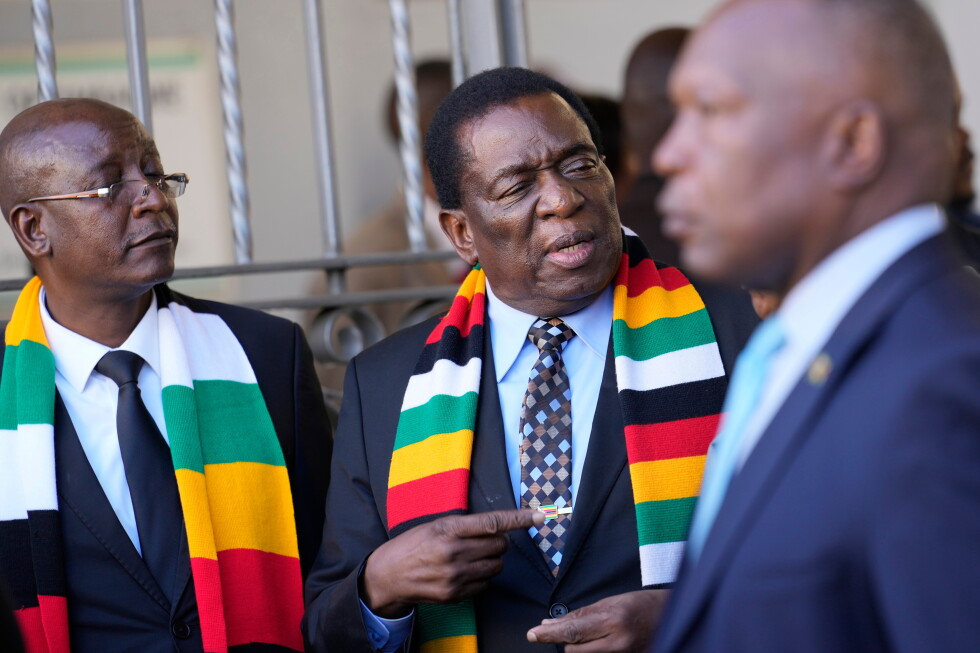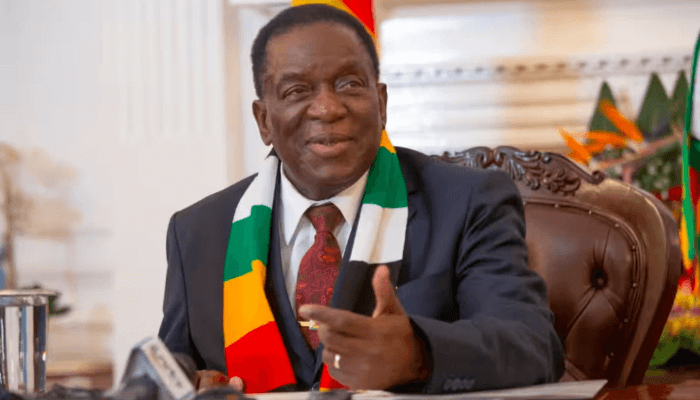
Zimbabwe’s government has taken a major step towards extending President Emmerson Mnangagwa’s stay in power, introducing a constitutional amendment bill that would allow him to remain in office until 2030 and fundamentally reshape how future presidents are chosen.
The proposed legislation, presented to parliament on Tuesday by Ziyambi Ziyambi, Justice Minister, would increase presidential terms from five years to seven and replace direct presidential elections with a parliamentary voting system. The bill is scheduled for a second reading on Wednesday, opening what is expected to be a closely watched debate over the country’s democratic future.
Read also: zimbabwe-reverses-mugabe-era-land-seizures-from-foreigners-25yrs-after
President Mnangagwa, 83, is currently due to leave office in 2028 after serving the maximum two five year terms permitted under Zimbabwe’s constitution. However, supporters within the ruling ZANU PF party argue that extending the presidential term would provide greater political stability and continuity.
According to Reuters, the governing party is well positioned to secure the amendment’s passage. ZANU PF holds a two thirds majority in the lower house of parliament and exercises significant influence in the upper chamber through traditional leaders and other allied representatives, giving it the numbers required to alter the constitution.