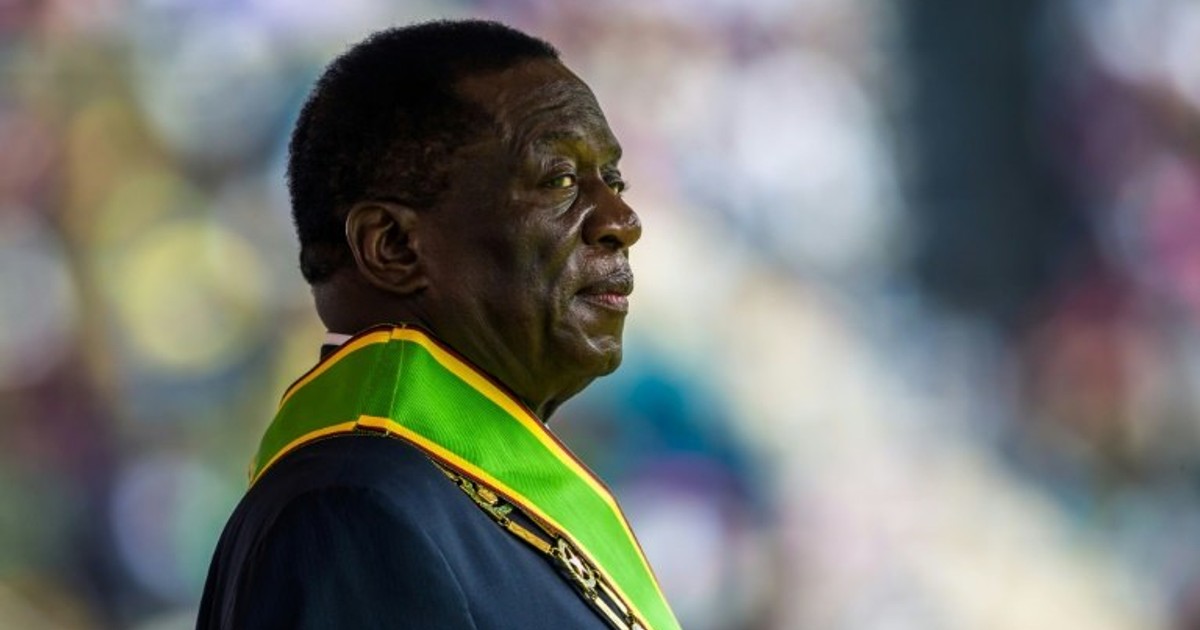
Zimbabwean President Emmerson Mnangagwa has signed into law constitutional amendments extending presidential and parliamentary terms from five years to seven, allowing him to remain in office until 2030 after lawmakers approved the changes last month.
Government spokesperson Nick Mangwana announced the development on Tuesday, saying the legislation had been “signed, sealed and delivered,” confirming that it had officially become law.
The amendments postpone Zimbabwe’s next general election from 2028 to 2030, extending Mnangagwa’s current and constitutionally final term by two years.
The new law also provides for future presidents to be elected by Parliament rather than through direct popular vote, marking one of the country’s most significant constitutional changes in more than a decade.
The legislation follows months of political debate after the ruling Zimbabwe African National Union–Patriotic Front (ZANU-PF) pushed for constitutional reforms that supporters say will improve governance and align electoral cycles, while critics argue they weaken democratic accountability.